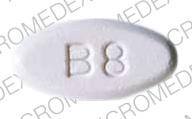
Subutex Side Effects
Generic name: buprenorphine
Note: This document contains side effect information about buprenorphine. Some dosage forms listed on this page may not apply to the brand name Subutex.
Applies to buprenorphine: film, tablet. Other dosage forms:
Warning
Buccal mucosa route (Film)
Addiction, Abuse, and MisuseBuprenorphine exposes patients and other users to the risks of opioid addiction, abuse, and misuse, which can lead to overdose and death. Assess each patient's risk prior to prescribing buprenorphine, and monitor all patients regularly for the development of these behaviors or conditions.Opioid Analgesic Risk Evaluation and Mitigation Strategy (REMS)To ensure that the benefits of opioid analgesics outweigh the risks of addiction, abuse and misuse, the Food and Drug Administration (FDA) has required a REMS for these products. Under the requirements of the REMS, drug companies with approved opioid analgesic products must make REMS-compliant education programs available to healthcare providers. Healthcare providers are strongly encouraged to: complete a REMS-compliant education program, counsel patients and/or their caregivers, with every prescription, on safe use, serious risks, storage, and disposal of these products, emphasize to patients and their caregivers the importance of reading the Medication Guide every time it is provided by their pharmacists, and consider other tools to improve patient, household, and community safety.Life-Threatening Respiratory DepressionSerious, life-threatening, or fatal respiratory depression may occur with use of buprenorphine. Monitor for respiratory depression, especially during initiation of buprenorphine or following a dose increase. Misuse or abuse of buprenorphine by chewing, swallowing, snorting or injecting buprenorphine extracted from the buccal film will result in the uncontrolled delivery of buprenorphine and pose a significant risk of overdose and death.Accidental ExposureAccidental exposure to even one dose of buprenorphine, especially by children, can result in a fatal overdose of buprenorphine.Neonatal Opioid Withdrawal SyndromeProlonged use of buprenorphine during pregnancy can result in neonatal opioid withdrawal syndrome, which may be life-threatening if not recognized and treated, and requires management according to protocols developed by neonatology experts. If opioid use is required for a prolonged period in a pregnant woman, advise the patient of the risk of neonatal opioid withdrawal syndrome and ensure that appropriate treatment will be available.Risks from Concomitant Use with Benzodiazepines or Other CNS DepressantsReserve concomitant prescribing of buprenorphine and benzodiazepines or other CNS depressants for use in patients for whom alternative treatment options are inadequate. Limit dosages and durations to the minimum required. Follow patients for signs and symptoms of respiratory depression and sedation.
Serious side effects of Subutex
Along with its needed effects, buprenorphine (the active ingredient contained in Subutex) may cause some unwanted effects. Although not all of these side effects may occur, if they do occur they may need medical attention.
Check with your doctor immediately if any of the following side effects occur while taking buprenorphine:
Less common
- Bladder pain
- bloating or swelling of the face, arms, hands, lower legs, or feet
- bloody or cloudy urine
- blurred vision
- chest tightness
- cough producing mucus
- diarrhea
- difficult, burning, or painful urination
- difficulty breathing
- dizziness
- fever
- frequent urge to urinate
- headache
- loss of appetite
- lower back or side pain
- mouth or throat pain
- nausea
- nervousness
- pale skin
- pounding in the ears
- rapid weight gain
- slow or fast heartbeat
- stomach pain
- tingling of the hands or feet
- trouble breathing
- unusual bleeding or bruising
- unusual tiredness or weakness
- unusual weight gain or loss
Rare
- Breakdown or tearing of the skin
- chills
- irregular heartbeat, recurrent
- irritation, itching, pain, redness, swelling, tenderness, or warmth on the skin
- unusual drowsiness, dullness, or feeling of sluggishness
Incidence not known
- Agitation
- burning, crawling, itching, numbness, prickling, "pins and needles", or tingling feelings
- blurred vision
- confusion
- cough
- darkening of the skin
- difficulty swallowing
- dizziness, faintness, or lightheadedness when getting up suddenly from a lying or sitting position
- drowsiness
- headache, severe and throbbing
- hives, skin rash
- irregular, fast, slow, or shallow breathing
- mental depression
- overactive reflexes
- pale or blue lips, fingernails, or skin
- pinpoint pupils
- poor coordination
- puffiness or swelling of the eyelids or around the eyes, face, lips, or tongue
- relaxed and calm feeling
- restlessness
- shivering
- sleepiness
- talking or acting with excitement you cannot control
- toothache
- trembling or shaking
- twitching
- vomiting
Get emergency help immediately if any of the following symptoms of overdose occur while taking buprenorphine:
Symptoms of overdose
- Change in consciousness
- chest pain
- cold and clammy skin
- increased sweating
- coughing that sometimes produces a pink frothy sputum
- difficult or trouble breathing
- increased sweating
- irregular, fast or slow, or shallow breathing
- loss of consciousness
- pale or blue lips, fingernails, or skin
- sleepiness or unusual drowsiness
- swelling in legs and ankles
Other side effects of Subutex
Some side effects of buprenorphine may occur that usually do not need medical attention. These side effects may go away during treatment as your body adjusts to the medicine. Also, your health care professional may be able to tell you about ways to prevent or reduce some of these side effects.
Check with your health care professional if any of the following side effects continue or are bothersome or if you have any questions about them:
More common
- Back pain
- chills
- cough
- difficulty having a bowel movement
- hoarseness
- painful or difficult urination
- runny nose
- sneezing
- stuffy nose
- trouble sleeping
Less common
- Anxiety
- back pain
- bruise
- decreased appetite
- fall
- feeling of warmth or heat
- flushing or redness of the skin, especially on the face and neck
- itching, skin rash
- muscle aches or spams
- pain or tenderness around eyes and cheekbones
- sore throat
Rare
- Lack or loss of strength
- muscle or bone pain
- neck pain
- stomach discomfort
For Healthcare Professionals
Applies to buprenorphine: buccal film, compounding powder, injectable solution, subcutaneous solution extended release, subdermal implant, sublingual tablet, transdermal film extended release.
General
The most common adverse reactions have included headache, insomnia, pain, signs and symptoms of withdrawal, nausea, constipation, application site pruritus, application site erythema, vomiting, hyperhidrosis, dizziness, somnolence, dry mouth, and application site rash.[Ref]
Psychiatric
Very common (10% or more): Insomnia (up to 28%), withdrawal syndrome (up to 24%), anxiety (up to 14%), depression (up to 13%)
Common (1% to 10%): Hostility, agitation, paranoid reaction, thinking abnormal, confusion
Uncommon (0.1% to 1%): Affect lability, depersonalization, libido decreased, nightmare, euphoric mood, psychosis, hallucination, euphoria
Very rare (less than 0.01%): Dependence, mood swings
Frequency not reported: Dreaming
Postmarketing reports: Neonatal withdrawal syndrome[Ref]
Respiratory
Very common (10% or more): Rhinitis (up to 15%)
Common (1% to 10%): Cough increased, pharyngitis, upper respiratory tract infection, influenza, sinusitis, bronchitis, dyspnea, pharyngolaryngeal pain, hypoventilation, yawning
Uncommon (0.1% to 1%): Asthma aggravated, hiccups, hyperventilation, hypoxia, wheezing, apnea
Rare (less than 0.1%): Respiratory depression, respiratory failure
Postmarketing reports: Asphyxia[Ref]
Gastrointestinal
Very common (10% or more): Nausea (up to 23%), constipation (up to 14%), abdominal pain (11.7%), diarrhea (up to 10%)
Common (1% to 10%): Vomiting, dyspepsia, dry mouth, stomach discomfort, upper abdominal pain, flatulence
Rare (0.01% to 0.1%): Diverticulitis, dysphagia, ileus, heartburn
Very rare (less than 0.01%): Retching[Ref]
Dermatologic
Very common (10% or more): Application site pruritus (up to 15%), sweating (up to 13%), application site erythema (up to 10%)
Common (1% to 10%): Application site rash, application site irritation, hyperhidrosis, pruritus, rash, generalized pruritus
Uncommon (0.1% to 1%): Contact dermatitis, application site dermatitis, dry skin, facial edema, urticaria, pallor
Very rare (less than 0.01%): Pustules, vesicles
Frequency not reported: Injection site reaction, angioedema, application site edema[Ref]
Musculoskeletal
Very common (10% or more): Back pain (up to 16%)
Common (1% to 10%): Arthralgia, pain in extremity, muscle spasm, musculoskeletal pain, joint swelling, neck pain, myalgia, chest pain, leg cramps, bone pain, general spasm, muscle weakness, increased creatine phosphokinase (CPK)
Uncommon (0.1% to 1%): Muscle cramps, rigors, muscle spasm
Very rare (less than 0.01%): Muscle fasciculation, ear pain[Ref]
Other
Very common (10% or more): Pain (up to 26%), asthenia (up to 16%)
Common (1% to 10%): Chills, fever, accidental injury, fatigue, pyrexia, fall, malaise, tiredness, lethargy
Uncommon (0.1% to 1%): Edema
Frequency not reported: Death[Ref]
Immunologic
Very common (10% or more): Infection (up to 22%), flu syndrome (up to 10%)
Common (1% to 10%): Abscess[Ref]
Nervous system
Very common (10% or more): Headache (up to 34%)
Common (1% to 10%): Dizziness/vertigo, nervousness, somnolence, hypoesthesia, tremor, migraine, paresthesia, syncope, hypertonia, dysgeusia, exanthema, sedation
Uncommon (0.1% to 1%): Tinnitus, concentration impairment, coordination abnormal, dysarthria, memory impairment, restlessness, sedation, sleep disorder, slurred speech, coma
Rare (less than 0.1%): Disequilibrium, numbness
Frequency not reported: Convulsions
Postmarketing reports: Neonatal tremor, serotonin syndrome[Ref]
Cardiovascular
QT prolongation has been observed. In clinical trials of buprenorphine (the active ingredient contained in Subutex) buccal film (n=1590), post-baseline QTcF values of 450 to 480 milliseconds were observed in 2% of patients at doses up to 900 mcg every 12 hours. In a QT study in healthy subjects, therapeutic doses (10 mcg/hour transdermal patch) had no effect on the QTc interval, but higher doses (40 mcg/hour) were associated with a mean prolongation of 5.9 milliseconds.
During clinical trials, serial ECGs were collected to evaluate the effect of extended-release subcutaneous administration of buprenorphine on QT prolongation. Seven patients showed a greater than 60 msec increase QTc from baseline. One patient had a QTc greater than 500 msec. These QTc findings were reported as sporadic and transient and none led to aberrant ventricular rhythm. Review of ECG and adverse event data showed no evidence of syncope, seizure, or ventricular tachycardia or fibrillation.[Ref]
Common (1% to 10%): Vasodilation, hypotension, peripheral edema, hypertension, palpitations
Uncommon (0.1% to 1%): Orthostatic hypotension, tachycardia, angina pectoris, flushing, bradycardia, cyanosis, , QT prolongation
Frequency not reported: Wenckebach block[Ref]
Ocular
Common (1% to 10%): Runny eyes, miosis, mydriasis, lacrimation disorder
Uncommon (0.1% to 1%): Dry eye, vision blurred, conjunctivitis
Rare (less than 0.1%): Eyelid edema, visual disturbance
Frequency not reported: Diplopia, visual abnormalities, amblyopia[Ref]
Genitourinary
Common (1% to 10%): Urinary tract infection, dysmenorrhea
Uncommon (0.1% to 1%): Urinary incontinence, urinary retention
Rare (less than 0.1%): Urinary hesitation, decreased erection, sexual dysfunction[Ref]
Metabolic
Common (1% to 10%): Anorexia
Uncommon (0.1% to 1%): Dehydration, loss of appetite, weight decreased
Postmarketing reports: Neonatal feeding disorder[Ref]
Hematologic
Common (1% to 10%): Lymphadenopathy
Hypersensitivity
Uncommon (0.1% to 1%): Allergic reaction
Rare (0.01% to 0.1%): Anaphylactic responses
Very rare (less than 0.01%): Serious allergic reactions[Ref]
Anaphylaxis has been reported with ingredients contained in the implant. Anaphylaxis has been reported with ingredients contained in extended-release subcutaneous injection.[Ref]
Hepatic
Common (1% to 10%): Increased ALT, increased AST, increased gamma-glutamyl transferase (GGT)
Rare (less than 0.1%): Biliary colic
Frequency not reported: Hepatitis, jaundice, hepatic failure, hepatic necrosis, hepatorenal syndrome, hepatic encephalopathy, transaminases increased[Ref]
Local
Very common (10% or more): Implant site pain (13%), implant site pruritus (12%), implant site erythema (10%)
Common (1% to 10%): implant site hematoma, implant site hemorrhage, implant site edema, injection site pain, injection site pruritus, injection site erythema, injection site induration
Uncommon (0.1% to 1%): Injection site bruising, injection site swelling, injection site discomfort, injection site reaction, injection site cellulitis, injection site infection[Ref]
Endocrine
Cases of androgen deficiency have been reported with chronic use of opioids. Adrenal insufficiency has been reported with opioid use, especially with use of 1 month or longer.[Ref]
Opioids:
Postmarketing reports: Adrenal insufficiency, androgen deficiency[Ref]
Frequently asked questions
- Can you take Subutex with opioids in your system?
- How long does Subutex stay in your system?
- Subutex vs Suboxone: What's the difference between them?
- What are the different brands of buprenorphine?
- Why was Subutex discontinued?
- What happens if you swallow Subutex?
- How long do you keep Subutex under your tongue?
- Does it make you sleepy?
- Round white pill with 8 on one side and an arrow on the other side. Is it Subutex 8 mg?
More about Subutex (buprenorphine)
- Check interactions
- Compare alternatives
- Reviews (147)
- Drug images
- Latest FDA alerts (4)
- Dosage information
- Patient tips
- During pregnancy
- Support group
- Breastfeeding
Patient resources
Other brands
Belbuca, Sublocade, Butrans, Brixadi, ... +2 more
Professional resources
Other brands
Belbuca, Sublocade, Butrans, Brixadi, ... +2 more
Related treatment guides
References
1. Product Information. Subutex (buprenorphine). Reckitt and Colman Pharmaceuticals Inc. 2002.
2. Cerner Multum, Inc. UK Summary of Product Characteristics.
3. Cerner Multum, Inc. Australian Product Information.
4. Product Information. Butrans (buprenorphine). Purdue Pharma LP. 2010.
5. Product Information. Sublocade (buprenorphine). Reckitt Benckiser Pharmaceuticals Inc. 2018.
6. Product Information. Buprenex (buprenorphine). Reckitt and Colman Pharmaceuticals Inc. 2001;PROD.
7. Product Information. Probuphine (buprenorphine). Braeburn Pharmaceuticals. 2016.
Further information
Always consult your healthcare provider to ensure the information displayed on this page applies to your personal circumstances.
Some side effects may not be reported. You may report them to the FDA.