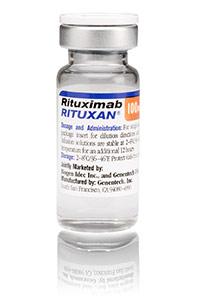
Rituxan Side Effects
Generic name: rituximab
Medically reviewed by Drugs.com. Last updated on May 14, 2024.
Note: This document provides detailed information about Rituxan Side Effects associated with rituximab. Some dosage forms listed on this page may not apply specifically to the brand name Rituxan.
Applies to rituximab: intravenous solution.
Important warnings
This medicine can cause some serious health issues
Serious side effects of Rituxan
Along with its needed effects, rituximab (the active ingredient contained in Rituxan) may cause some unwanted effects. Although not all of these side effects may occur, if they do occur they may need medical attention.
Check with your doctor or nurse immediately if any of the following side effects occur while taking rituximab:
More common
- back pain
- black, tarry stools
- bleeding gums
- bloating or swelling of the face, arms, hands, lower legs, or feet
- blood in the urine or stools
- blurred vision
- body aches or pain
- burning or stinging of the skin
- chest pain or tightness
- chills
- confusion
- cough
- difficulty with breathing
- dizziness, faintness, or lightheadedness when getting up suddenly from a lying or sitting position
- drowsiness
- dry mouth
- ear congestion
- fever
- flushed, dry skin
- fruit-like breath odor
- headache
- hives or welts, itching, rash
- increased hunger
- increased thirst
- increased urination
- large, hive-like swelling on the face, eyelids, lips, tongue, throat, hands, legs, feet, or genitals
- lower back or side pain
- nausea
- nervousness
- noisy breathing
- pain or tenderness around the eyes and cheekbones
- painful cold sores or blisters on the lips, nose, eyes, or genitals
- painful or difficult urination
- pale skin
- pinpoint red spots on the skin
- pounding in the ears
- seizures
- slow or fast heartbeat
- sneezing
- sore throat
- sores, ulcers, or white spots in the mouth or on the lips
- stomach pain
- stuffy or runny nose
- sweating
- swelling of the tongue or throat
- swollen glands
- tingling of the hands or feet
- trouble breathing
- unusual bleeding or bruising
- unusual tiredness or weakness
- unusual weight gain or loss
- vomiting
Less common
- blistering, peeling, or loosening of the skin
- blisters on the trunk, scalp, or other areas
- burning, crawling, itching, numbness, prickling, “pins and needles”, or tingling feeling
- decreased frequency and amount of urine
- diarrhea
- difficulty with moving
- discouragement
- feeling sad or empty
- irregular heartbeat
- irritability
- joint or muscle pain
- loss of appetite
- loss of interest or pleasure
- lump or growth on the skin
- muscle cramp, pain, or stiffness
- numbness or tingling in the hands, feet, or lips
- painful blisters on the trunk of the body
- pain or redness at the injection site
- pain, swelling, or redness in the joints
- pounding or irregular heartbeat or pulse
- red skin lesions, often with a purple center
- red, itchy lining of the eye
- redness of the face, neck, arms, and occasionally, upper chest
- stabbing pain
- trouble concentrating
- trouble sleeping
Incidence not known
- blue-yellow color blindness
- blurred vision or other change in vision
- burning or stinging of the skin
- decreased vision
- dilated neck veins
- dry cough
- extreme tiredness or weakness
- eye pain, tearing
- feeling of discomfort, illness, or weakness
- irregular breathing
- nosebleed
- painful cold sores or blisters on the lips, nose, eyes, or genitals
- sensitivity of the eye to light
- severe stomach pain
- severe vomiting, sometimes with blood
- sores, welts, or blisters
- stomach cramps
- swelling, stiffness, redness, or warmth around many joints
- swollen lymph glands
- vision loss
Other side effects of Rituxan
Some side effects of rituximab may occur that usually do not need medical attention. These side effects may go away during treatment as your body adjusts to the medicine. Also, your health care professional may be able to tell you about ways to prevent or reduce some of these side effects.
Check with your health care professional if any of the following side effects continue or are bothersome or if you have any questions about them:
More common
- fear
- lack or loss of strength
- loss or thinning of the hair
- night sweats
- throat irritation
Less common
- agitation or anxiety
- bone pain
- burning, dry, or itching eyes
- change in taste
- discharge, excessive tearing
- dry eyes
- excessive muscle tone
- feeling of constant movement of self or surroundings
- heartburn
- increase in body movements
- lightheadedness
- muscle tension
- redness, pain, or swelling of the eye, eyelid, or inner lining of the eyelid
- sensation of spinning
- sleepiness
- swelling of the stomach
For healthcare professionals
Applies to rituximab: intravenous solution.
Cardiovascular
- Very common (10% or more): Hypotension (10%)
- Common (1% to 10%): Hypertension, orthostatic hypotension, myocardial infarction, arrhythmia, atrial fibrillation, tachycardia
- Uncommon (0.1% to 1%): Left ventricular failure, supraventricular tachycardia, ventricular tachycardia, angina, myocardial ischemia, bradycardia
- Very rare (less than 0.01%): Heart failure, vasculitis (predominately cutaneous), leukocytoclastic vasculitis[Ref]
Dermatologic
- Very common (10% or more): Night sweats (15%), rash (15%), pruritus (14%), angioedema (11%), alopecia
- Common (1% to 10%): Flushing, urticaria, skin disorder
- Very rare (less than 0.01%): Severe bullous skin reactions, Stevens-Johnson Syndrome, toxic epidermal necrolysis (Lyell's Syndrome)
- Postmarketing reports: Severe mucocutaneous reactions[Ref]
Gastrointestinal
- Very common (10% or more): Nausea (23%), abdominal pain (14%), diarrhea (10%), vomiting (10%)
- Common (1% to 10%): Throat irritation, dysphagia, stomatitis, constipation, dyspepsia, anorexia
- Uncommon (0.1% to 1%): Abdominal enlargement
- Frequency not reported: GI perforation
- Postmarketing reports: Bowel obstruction[Ref]
Hematologic
- Very common (10% or more): Lymphopenia (48%), leukopenia (14%), neutropenia (14%), thrombocytopenia (12%)
- Common (1% to 10%): Blood lactate dehydrogenase (LDH) increased, pancytopenia, granulocytopenia
- Uncommon (0.1% to 1%): Anemia, coagulation disorders, aplastic anemia, hemolytic anemia, lymphadenopathy, transient aplastic anemia, hemolytic anemia
- Postmarketing reports: Late neutropenia, marrow hypoplasia, Grade 3 to 4 prolonged or late-onset neutropenia, hyperviscosity syndrome in Waldenstrom's macroglobulinemia, prolonged hypogammaglobulinemia[Ref]
Hepatic
- Very common (10% or more): Increased ALT (13%)
- Frequency not reported: Hepatitis B reactivation with fulminant hepatitis, hepatic failure[Ref]
Hypersensitivity
- Common (1% to 10%): Hypersensitivity
- Rare (0.01% to 0.1%): Anaphylaxis
- Very rare (less than 0.01%): Tumor lysis syndrome, cytokine release syndrome, serum sickness[Ref]
Immunologic
- Very common (10% or more): Infection (bacterial, viral) (31%)
- Common (1% to 10%): Sepsis, febrile infection, herpes zoster, fungal infections, infections of unknown etiology, acute bronchitis, sinusitis
- Rare (less than 0.1%): Serious viral infections
- Postmarketing reports: Lupus-like syndrome, serum sickness, increase in fatal infections in HIV-associated lymphoma, increased incidence of Grade 3 and 4 infections[Ref]
Local
- Very common (10% or more): Acute infusion reactions (e.g., pain, fever, chills, rigors, pruritus, urticaria/rash, angioedema, sneezing, throat irritation, cough, and/or bronchospasm, with or without associated hypotension or hypertension) (27%)[Ref]
Metabolic
- Very common (10% or more): Hypophosphatemia (12%)
- Common (1% to 10%): Hyperglycemia, peripheral edema, hyperuricemia, weight decrease, peripheral edema, face edema, increased LDH, hypocalcemia[Ref]
Musculoskeletal
- Very common (10% or more): Back pain (10%), myalgia (10%), arthralgia (10%)
- Common (1% to 10%): Neck pain, hypertonia
- Frequency not reported: Polyarticular arthritis[Ref]
Nervous system
- Very common (10% or more): Headache (19%), dizziness (10%)
- Common (1% to 10%): Pyrexia, paresthesia, hypoesthesia
- Uncommon (0.1% to 1%): Dysgeusia
- Postmarketing reports: Posterior reversible encephalopathy syndrome (PRES)/reversible posterior leukoencephalopathy syndrome (RPLS)[Ref]
Ocular
- Common (1% to 10%): Lacrimation disorder, conjunctivitis
- Very rare (less than 0.01%): Severe vision loss
- Postmarketing reports: Uveitis, optic neuritis[Ref]
Oncologic
- Postmarketing reports: Disease progression of Kaposi's sarcoma[Ref]
Other
- Very common (10% or more): Fever (53%), chills (33%), asthenia (26%), fatigue (13%), pain (12%)
- Common (1% to 10%): Migraine, asthenia, tinnitus, ear pain, tumor pain, flushing, malaise, cold syndrome, shivering, multi-organ failure
- Very rare (less than 0.01%): Hearing loss[Ref]
Psychiatric
- Common (1% to 10%): Anxiety, depression, nervousness, agitation, insomnia[Ref]
Renal
- Very rare (less than 0.01%): Renal failure[Ref]
Respiratory
- Very common (10% or more): Cough (13%), rhinitis (12%), epistaxis (11%), dyspnea (10%), bronchitis
- Common (1% to 10%): Bronchospasm, sinusitis, pneumonia, chest pain
- Uncommon (0.1% to 1%): Upper respiratory tract infection, asthma, bronchiolitis obliterans (fatal), lung disorder, hypoxia
- Rare (0.01% to 0.1%): Interstitial lung disease
- Very rare (less than 0.01%): Respiratory failure
- Frequency not reported: Lung infiltration
- Postmarketing reports: Pleuritis[Ref]
References
1. (2001) "Product Information. Rituxan (rituximab)." Genentech
2. Cerner Multum, Inc. "UK Summary of Product Characteristics."
3. Pharmaceutical Society of Australia (2006) APPGuide online. Australian prescription products guide online. http://www.appco.com.au/appguide/default.asp
Frequently asked questions
- What are the new drugs for rheumatoid arthritis (RA)?
- What are monoclonal antibodies?
- What are biosimilar drugs and how do they compare to biologics?
- Does Rituxan cause hair loss?
- What is the success rate of Rituxan (rituximab) in patients with blood cancers?
- What is the success rate of Rituxan (rituximab) in rheumatoid arthritis?
- How will I feel after a Rituxan infusion?
- How long does it take for Rituxan to work?
- How many biosimilars have been approved in the United States?
More about Rituxan (rituximab)
- Check interactions
- Compare alternatives
- Pricing & coupons
- Reviews (47)
- Drug images
- Dosage information
- Patient tips
- During pregnancy
- Support group
- FDA approval history
- Drug class: antirheumatics
- Breastfeeding
- En español
Patient resources
Other brands
Professional resources
Other brands
Related treatment guides
Further information
Rituxan side effects can vary depending on the individual. Always consult your healthcare provider to ensure the information displayed on this page applies to your personal circumstances.
Some side effects may not be reported. You may report them to the FDA.