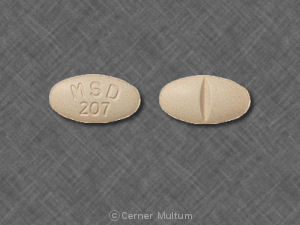
Prinivil Side Effects
Generic Name: lisinopril
Please note - some side effects for Prinivil may not be reported. Always consult your doctor or healthcare specialist for medical advice. You may also report side effects to the FDA at http://www.fda.gov/medwatch/ or 1-800-FDA-1088 (1-800-332-1088).
Side Effects of Prinivil - for the Consumer
Prinivil
All medicines may cause side effects, but many people have no, or minor side effects. Check with your doctor if any of these most COMMON side effects persist or become bothersome when using Prinivil:
Seek medical attention right away if any of these SEVERE side effects occur when using Prinivil:Cough; diarrhea; dizziness; headache; tiredness.
TopSevere allergic reactions (rash; hives; itching; difficulty breathing; tightness in the chest; swelling of the hands, eyes, mouth, face, lips, or tongue; hoarseness); chest pain; dark urine; decreased urination; difficulty swallowing; infection (eg, fever, chills, persistent sore throat); irregular or slow heartbeat; stomach pain (with or without nausea or vomiting); symptoms of low blood pressure (eg, fainting, severe dizziness, lightheadedness); yellowing of the skin or eyes.
Prinivil Side Effects - for the Professional
Prinivil
Prinivil has been found to be generally well tolerated in controlled clinical trials involving 1969 patients with hypertension or heart failure. For the most part, adverse experiences were mild and transient.
HYPERTENSION
In clinical trials in patients with hypertension treated with Prinivil, discontinuation of therapy due to clinical adverse experiences occurred in 5.7 percent of patients. The overall frequency of adverse experiences could not be related to total daily dosage within the recommended therapeutic dosage range.
For adverse experiences occurring in greater than one percent of patients with hypertension treated with Prinivil or Prinivil plus hydrochlorothiazide in controlled clinical trials and more frequently with Prinivil and/or Prinivil plus hydrochlorothiazide than placebo, comparative incidence data are listed in the table below:
| Percent of Patients in Controlled Studies |
|||
Prinivil (n = 1349) Incidence (discontinuation) |
Prinivil/ Hydrochlorothiazide (n = 629) Incidence (discontinuation) |
Placebo (n = 207) Incidence (discontinuation) |
|
| Body As A Whole Fatigue Asthenia Orthostatic Effects |
2.5 (0.3) 1.3 (0.5) 1.2 (0.0) |
4.0 (0.5) 2.1 (0.2) 3.5 (0.2) |
1.0 (0.0) 1.0 (0.0) 1.0 (0.0) |
| Cardiovascular Hypotension |
1.2 (0.5) |
1.6 (0.5) |
0.5 (0.5) |
| Digestive Diarrhea Nausea Vomiting Dyspepsia |
2.7 (0.2) 2.0 (0.4) 1.1 (0.2) 0.9 (0.0) |
2.7 (0.3) 2.5 (0.2) 1.4 (0.1) 1.9 (0.0) |
2.4 (0.0) 2.4 (0.0) 0.5 (0.0) 0.0 (0.0) |
| Musculoskeletal Muscle Cramps |
0.5 (0.0) |
2.9 (0.8) |
0.5 (0.0) |
| Nervous/Psychiatric Headache Dizziness Paresthesia Decreased Libido Vertigo |
5.7 (0.2) 5.4 (0.4) 0.8 (0.1) 0.4 (0.1) 0.2 (0.1) |
4.5 (0.5) 9.2 (1.0) 2.1 (0.2) 1.3 (0.1) 1.1 (0.2) |
1.9 (0.0) 1.9 (0.0) 0.0 (0.0) 0.0 (0.0) 0.0 (0.0) |
| Respiratory Cough Upper Respiratory Infection Common Cold Nasal Congestion Influenza |
3.5 (0.7) 2.1 (0.1) 1.1 (0.1) 0.4 (0.1) 0.3 (0.1) |
4.6 (0.8) 2.7 (0.1) 1.3 (0.1) 1.3 (0.1) 1.1 (0.1) |
1.0 (0.0) 0.0 (0.0) 0.0 (0.0) 0.0 (0.0) 0.0 (0.0) |
| Skin Rash |
1.3 (0.4) |
1.6 (0.2) |
0.5 (0.5) |
| Urogenital Impotence |
1.0 (0.4) |
1.6 (0.5) |
0.0 (0.0) |
Chest pain and back pain were also seen but were more common on placebo than Prinivil.
HEART FAILURE
In patients with heart failure treated with Prinivil for up to four years, discontinuation of therapy due to clinical adverse experiences occurred in 11.0 percent of patients. In controlled studies in patients with heart failure, therapy was discontinued in 8.1 percent of patients treated with Prinivil for up to 12 weeks, compared to 7.7 percent of patients treated with placebo for 12 weeks.
The following table lists those adverse experiences which occurred in greater than one percent of patients with heart failure treated with Prinivil or placebo for up to 12 weeks in controlled clinical trials and more frequently on Prinivil than placebo.
| Controlled Trials | ||
| Prinivil (n=407) Incidence (discontinuation) |
Placebo (n=155) Incidence (discontinuation) |
|
| 12 weeks | 12 weeks | |
| Body As A Whole | ||
| Chest Pain | 3.4 (0.2) | 1.3 (0.0) |
| Abdominal Pain | 2.2 (0.7) | 1.9 (0.0) |
| Cardiovascular | ||
| Hypotension | 4.4 (1.7) | 0.6 (0.6) |
| Digestive | ||
| Diarrhea | 3.7 (0.5) | 1.9 (0.0) |
| Nervous/Psychiatric | ||
| Dizziness | 11.8 (1.2) | 4.5 (1.3) |
| Headache | 4.4 (0.2) | 3.9 (0.0) |
| Respiratory | ||
| Upper Respiratory Infection | 1.5 (0.0) | 1.3 (0.0) |
| Skin | ||
| Rash | 1.7 (0.5) | 0.6 (0.6) |
Also observed at >1% with Prinivil but more frequent or as frequent on placebo than Prinivil in controlled trials were asthenia, angina pectoris, nausea, dyspnea, cough and pruritus.
Worsening of heart failure, anorexia, increased salivation, muscle cramps, back pain, myalgia, depression, chest sound abnormalities and pulmonary edema were also seen in controlled clinical trials, but were more common on placebo than Prinivil.
ACUTE MYOCARDIAL INFARCTION
In the GISSI - 3 trial, in patients treated with Prinivil for six weeks following acute myocardial infarction, discontinuation of therapy occurred in 17.6 percent of patients.
Patients treated with Prinivil had a significantly higher incidence of hypotension and renal dysfunction compared with patients not taking Prinivil.
In the GISSI - 3 trial, hypotension (9.7 percent), renal dysfunction (2.0 percent), cough (0.5 percent), post-infarction angina (0.3 percent), skin rash and generalized edema (0.01 percent), and angioedema (0.01 percent) resulted in withdrawal of treatment. In elderly patients treated with Prinivil, discontinuation due to renal dysfunction was 4.2 percent.
Other clinical adverse experiences occurring in 0.3 to 1.0 percent of patients with hypertension or heart failure treated with Prinivil in controlled trials and rarer, serious, possibly drug-related events reported in uncontrolled studies or marketing experience are listed below, and within each category, are in order of decreasing severity:
Body as a Whole: Anaphylactoid reactions, syncope, orthostatic effects, chest discomfort, pain, pelvic pain, flank pain, edema, facial edema, virus infection, fever, chills, malaise.
Cardiovascular: Cardiac arrest; myocardial infarction or cerebrovascular accident, possibly secondary to excessive hypotension in high-risk patients; pulmonary embolism and infarction, arrhythmias (including ventricular tachycardia, atrial tachycardia, atrial fibrillation, bradycardia and premature ventricular contractions), palpitations, transient ischemic attacks, paroxysmal nocturnal dyspnea, orthostatic hypotension, decreased blood pressure, peripheral edema, vasculitis.
Digestive: Pancreatitis, hepatitis (hepatocellular or cholestatic jaundice), vomiting, gastritis, dyspepsia, heartburn, gastrointestinal cramps, constipation, flatulence, dry mouth.
Hematologic: Rare cases of bone marrow depression, hemolytic anemia, leukopenia/neutropenia, and thrombocytopenia.
Endocrine: Diabetes mellitus, syndrome of inappropriate antidiuretic hormone secretion (SIADH).
Metabolic: Weight loss, dehydration, fluid overload, gout, weight gain. Cases of hypoglycemia in diabetic patients on oral antidiabetic agents or insulin have been reported.
Musculoskeletal: Arthritis, arthralgia, neck pain, hip pain, low back pain, joint pain, leg pain, knee pain, shoulder pain, arm pain, lumbago.
Nervous System/Psychiatric: Stroke, ataxia, memory impairment, tremor, peripheral neuropathy (e.g., dysesthesia), spasm, paresthesia, confusion, insomnia, somnolence, hypersomnia, irritability, and nervousness.
Respiratory System: Malignant lung neoplasms, hemoptysis, pulmonary infiltrates, eosinophilic pneumonitis, bronchospasm, asthma, pleural effusion, pneumonia, bronchitis, wheezing, orthopnea, painful respiration, epistaxis, laryngitis, sinusitis, pharyngeal pain, pharyngitis, rhinitis, rhinorrhea.
Skin: Urticaria, alopecia, herpes zoster, photosensitivity, skin lesions, skin infections, pemphigus, erythema, flushing, diaphoresis. Other severe skin reactions (including toxic epidermal necrolysis, Stevens-Johnson syndrome and cutaneous pseudolymphoma) have been reported rarely; causal relationship has not been established.
Special Senses: Visual loss, diplopia, blurred vision, tinnitus, photophobia, taste disturbances.
Urogenital System: Acute renal failure, oliguria, anuria, uremia, progressive azotemia, renal dysfunction, pyelonephritis, dysuria, urinary tract infection, breast pain.
Miscellaneous: A symptom complex has been reported which may include a positive ANA, an elevated erythrocyte sedimentation rate, arthralgia/arthritis, myalgia, fever, vasculitis, eosinophilia and leukocytosis. Rash, photosensitivity or other dermatological manifestations may occur alone or in combination with these symptoms.
Angioedema: Angioedema has been reported in patients receiving Prinivil (0.1%) with an incidence higher in Black than in non-Black patients. Angioedema associated with laryngeal edema may be fatal. If angioedema of the face, extremities, lips, tongue, glottis and/or larynx occurs, treatment with Prinivil should be discontinued and appropriate therapy instituted immediately. In rare cases, intestinal angioedema has been reported with angiotensin converting enzyme inhibitors including lisinopril.
Hypotension: In hypertensive patients, hypotension occurred in 1.2 percent and syncope occurred in 0.1 percent of patients. Hypotension or syncope was a cause for discontinuation of therapy in 0.5 percent of hypertensive patients. In patients with heart failure, hypotension occurred in 5.3 percent and syncope occurred in 1.8 percent of patients. These adverse experiences were causes for discontinuation of therapy in 1.8 percent of these patients. In patients treated with Prinivil for six weeks after acute myocardial infarction, hypotension (systolic blood pressure ≤100 mmHg) resulted in discontinuation of therapy in 9.7 percent of the patients.
Fetal/Neonatal Morbidity and Mortality: See WARNINGS, Fetal/Neonatal Morbidity and Mortality.
Cough: See PRECAUTIONS, Cough.
Pediatric Patients: No relevant differences between the adverse experience profile for pediatric patients and that previously reported for adult patients were identified.
Clinical Laboratory Test Findings
Serum Electrolytes: Hyperkalemia, hyponatremia.
Creatinine, Blood Urea Nitrogen: Minor increases in blood urea nitrogen and serum creatinine, reversible upon discontinuation of therapy, were observed in about 2.0 percent of patients with essential hypertension treated with Prinivil alone. Increases were more common in patients receiving concomitant diuretics and in patients with renal artery stenosis. Reversible minor increases in blood urea nitrogen and serum creatinine were observed in approximately 11.6 percent of patients with heart failure on concomitant diuretic therapy. Frequently, these abnormalities resolved when the dosage of the diuretic was decreased.
Hemoglobin and Hematocrit: Small decreases in hemoglobin and hematocrit (mean decreases of approximately 0.4 g percent and 1.3 vol percent, respectively) occurred frequently in patients treated with Prinivil but were rarely of clinical importance in patients without some other cause of anemia. In clinical trials, less than 0.1 percent of patients discontinued therapy due to anemia. Hemolytic anemia has been reported; a causal relationship to lisinopril cannot be excluded.
Liver Function Tests: Rarely, elevations of liver enzymes and/or serum bilirubin have occurred.
In hypertensive patients, 2.0 percent discontinued therapy due to laboratory adverse experiences, principally elevations in blood urea nitrogen (0.6 percent), serum creatinine (0.5 percent) and serum potassium (0.4 percent). In the heart failure trials, 3.4 percent of patients discontinued therapy due to laboratory adverse experiences, 1.8 percent due to elevations in blood urea nitrogen and/or creatinine and 0.6 percent due to elevations in serum potassium. In the myocardial infarction trial, 2.0 percent of patients receiving Prinivil discontinued therapy due to renal dysfunction (increasing creatinine concentration to over 3 mg/dL or a doubling or more of the baseline serum creatinine concentration); less than 1.0 percent of patients discontinued therapy due to other laboratory adverse experiences: 0.1 percent with hyperkalemia and less than 0.1 percent with hepatic enzyme alterations.
TopSide Effects by Body System
Cardiovascular
Hypotension is most likely in patients who are sodium and intravascular volume depleted. In large studies, patients have reported "heart pounding" and chest pain, although the relationship to lisinopril is questionable.
A possible relationship between lisinopril use and a case of penile angioedema has been published. After six days of lisinopril therapy, a 74-year-old patient complained of penile "swelling". Lisinopril was suspected as the cause of the angioedema and was discontinued. The localized angioedema resolved within a few days following discontinuation.
Cardiovascular side effects have included hypotension (0.6% to 1.0% of patients) and angioneurotic edema (0.2% of patients). Angina pectoris, orthostatic hypotension, and palpitations are each reported in approximately 1% of patients. Patients with heart failure are more likely to experience hypotension. In one study the incidence of hypotension-related undesirable side effects was only 0.6% compared to 4% in patients with CHF.
Renal
Renal side effects have included new (usually mild) or worsened renal insufficiency which has rarely developed during ACE inhibitor therapy. Patients with renal artery stenosis should not receive lisinopril or any other ACE inhibitor. Proteinuria has also been reported.
Patients with renal artery stenosis maintain glomerular filtration by efferent arteriolar vasoconstriction, which is blocked by lisinopril.
Although lisinopril may be associated with a rise in serum creatinine and BUN, GFR has been shown to remain unchanged or improve in most patients.
Nervous system
Nervous system side effects have included dizziness in up to 13% and headache in up to 6% of patients. Paresthesias are reported in 1% of patients.
Respiratory
A retrospective study has revealed a significantly higher incidence of discontinuation of angiotensin converting enzyme inhibitor therapy due to cough among black patients compared with non-black patients (9.6% vs. 2.4%).
Several agents have been studied for treating cough with ACE inhibitors. No long term trials exist to allow a definitive treatment option. Cromolyn has the most data showing some benefit. Other agents studied include baclofen, theophylline, sulindac, and benzonatate.
Respiratory side effects have included a reversible dry cough in up to 3% of patients. Cough has appeared as common in women as men, but in some reviews women have reported cough more often than men. Other respiratory system side effects are limited to stridor secondary to hypersensitivity to lisinopril.
Metabolic
Metabolic side effects are unusual and have included a moderate, often clinically insignificant rise in serum potassium. Lisinopril and other ACE inhibitors appear to have a beneficial effect on plasma insulin levels. Cases of hypoglycemia have been reported in diabetic patients receiving ACE inhibitors when concurrently treated with oral antidiabetic agents or insulin.
A rise in serum potassium is due to a mild reduction in serum aldosterone concentrations.
Gastrointestinal
Gastrointestinal side effects have included diarrhea (4%), nausea (3%), and vomiting (1%). Taste disturbances and constipation are reported in less than 1% of patients. Acute pancreatitis has been associated with lisinopril.
Hypersensitivity
In at least two cases of lisinopril-associated angioedema of the face and neck, the affected patients did not have a history of reactive airways disease. Patients with intestinal angioedema generally present with abdominal pain (with or without nausea or vomiting) and in some cases there was no prior history of facial angioedema, and C-1 esterase levels were normal. These symptoms resolve after stopping the ACE inhibitor.
Hypersensitivity reactions to lisinopril, as with some other angiotensin converting enzyme (ACE) inhibitors, may be life-threatening. Angioedema occurs in approximately 0.2% of patients. Angioedema of the face, extremities, lips, tongue, glottis and/or pharynx have been reported rarely in patients receiving ACE inhibitors. Obstructive laryngeal and glossal angioedema due to lisinopril is a rare, but potentially fatal reaction. In addition, intestinal angioedema has been reported in patients treated with ACE inhibitors. It is recommended that any patient with dyspnea, dysphagia, or significant facial angioedema stop therapy immediately and avoid ACE inhibitor therapy in general.
Dermatologic
Dermatologic side effects are rare. Reversible rash, alopecia, erythema, and pruritus are reported in 1% or less of patients. In addition, cutaneous pseudolymphoma has been reported.
Hematologic
A 64-year-old woman with aortic insufficiency, coronary artery disease, and atrial fibrillation developed fever and anorexia associated with pancytopenia within seven days after starting furosemide, digoxin, warfarin, and lisinopril. She died despite intensive supportive measures. Autopsy revealed bone marrow aplasia and changes consistent with hepatorenal failure. There was no evidence of infection or autoantibody disease. At least one other (reversible) case has been reported.
Hematologic side effects, including neutropenia and fatal aplastic anemia, have rarely been associated with lisinopril or other ACE inhibitors. A case of Henoch-Schonlein purpura complicated by polyarthritis has been associated with lisinopril.
Psychiatric
Although angiotensin converting enzymes are found in many areas of the central nervous system, the mechanism for ACE inhibitor-induced mania is unclear. They are lipophilic and are not known to cross the blood-brain barrier. ACE inhibitors have been shown to alter the metabolism of enkephalins and modulate cholinergic activity. Interestingly, one case of captopril-induced hallucinations was successfully treated with naloxone.
Psychiatric complications have rarely been attributed to use of ACE inhibitors, including memory impairment, confusion, somnolence, irritability, and nervousness. A single case of mania has been associated with the use of lisinopril in an elderly woman who had previously tolerated enalapril.
Hepatic
Hepatic side effects associated with the use of ACE inhibitors have included a rare syndrome that begins with cholestatic jaundice and progresses to fulminant hepatic necrosis and (sometimes) death. Experts recommend discontinuation of therapy with this drug if jaundice or markedly elevated hepatic serum enzymes develop.
Endocrine
Endocrine side effects including case reports indicating development of the syndrome of inappropriate secretion of antidiuretic hormone have been reported.
TopMore resources:
Prinivil - Includes detailed dosage instructions.
Disclaimer: Every effort has been made to ensure that the information provided is accurate, up-to-date, and complete, but no guarantee is made to that effect. In addition, the drug information contained herein may be time sensitive and should not be utilized as a reference resource beyond the date hereof. This information does not endorse drugs, diagnose patients, or recommend therapy. This drug information is a reference resource designed as supplement to, and not a substitute for, the expertise, skill , knowledge, and judgement of healthcare practitioners in patient care. The absence of a warning for a given drug or drug combination in no way should be construed to indicate that the drug of drug combination is safe, effective, or appropriate for any given patient. Drugs.com does not assume any responsibility for any aspect of healthcare administered with the aid of information provided. The information contained herein is not intended to cover all possible uses, directions, precautions, warnings, drug interactions, allergic reactions, or adverse effects. If you have questions about the drugs you are taking, check with your doctor, nurse, or pharmacist.