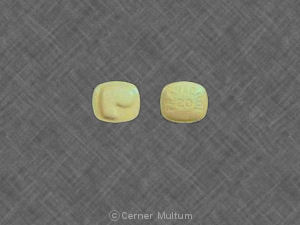
Home Drugs A to Z P Pr Pravachol Side Effects

Pravachol Side Effects

Generic Name: pravastatin

Please note - some side effects for Pravachol may not be reported. Always consult your doctor or healthcare specialist for medical advice. You may also report side effects to the FDA.

Side Effects of Pravachol - for the Consumer

Pravachol

All medicines may cause side effects, but many people have no, or minor, side effects. Check with your doctor if any of these most COMMON side effects persist or become bothersome when using Pravachol:

Headache; heartburn.

Seek medical attention right away if any of these SEVERE side effects occur when using Pravachol:

Severe allergic reactions (rash; hives; itching; difficulty breathing; tightness in the chest; swelling of the mouth, face, lips, or tongue); change in the amount of urine produced; chest pain; dark urine; fever, chills, or persistent sore throat; flu-like symptoms; muscle pain, tenderness, or weakness (with or without fever or fatigue); pale stools; red, swollen, blistered, or peeling skin; severe stomach pain; vision changes; yellowing of the eyes or skin.

This is not a complete list of all side effects that may occur. If you have questions about side effects, contact your health care provider. Call your doctor for medical advice about side effects. To report side effects to the appropriate agency, please read the Guide to Reporting Problems to FDA.

Top

Pravachol Side Effects - for the Professional

Pravachol

Pravastatin is generally well tolerated; adverse reactions have usually been mild and transient. In 4-month-long placebo-controlled trials, 1.7% of pravastatin-treated patients and 1.2% of placebo-treated patients were discontinued from treatment because of adverse experiences attributed to study drug therapy; this difference was not statistically significant.

Adverse Clinical Events

Short-Term Controlled Trials

In the Pravachol placebo-controlled clinical trials database of 1313 patients (age range 20-76 years, 32.4% women, 93.5% Caucasians, 5% Blacks, 0.9% Hispanics, 0.4% Asians, 0.2% Others) with a median treatment duration of 14 weeks, 3.3% of patients on Pravachol and 1.2% patients on placebo discontinued due to adverse events regardless of causality. The most common adverse reactions that led to treatment discontinuation and occurred at an incidence greater than placebo were: liver function test increased, nausea, anxiety/depression, and dizziness.

All adverse clinical events (regardless of causality) reported in ≥2% of pravastatin-treated patients in placebo-controlled trials of up to 8 months duration are identified in Table 1:

Table 1: Adverse Events in ≥2% of Patients Treated with Pravastatin 5 to 40 mg and an Incidence Greater Than Placebo in Short-Term Placebo-Controlled Trials (% of patients)
Body System/Event 5 mg
N=100
10 mg
N=153
20 mg
N=478
40 mg
N=171
Any Dose
N=902
Placebo
N=411
Cardiovascular
    Angina Pectoris
5.0 4.6 4.8 3.5 4.5 3.4
Dermatologic
    Rash
3.0 2.6 6.7 1.2 4.5 1.4
Gastrointestinal
    Nausea/Vomiting
    Diarrhea
    Flatulence
    Dyspepsia/Heartburn
    Abdominal Distension

4.0
8.0
2.0
0.0
2.0

5.9
8.5
3.3
3.3
3.3

10.5
6.5
4.6
3.6
2.1

2.3
4.7
0.0
0.6
0.6

7.4
6.7
3.2
2.5
2.0

7.1
5.6
4.4
2.7
2.4
General
    Fatigue
    Chest Pain
    Influenza

4.0
4.0
4.0

1.3
1.3
2.6

5.2
3.3
1.9

0.0
1.2
0.6

3.4
2.7
2.0

3.9
1.9
0.7
Musculoskeletal
    Musculoskeletal Pain
    Myalgia
13.0
1.0
3.9
2.6
13.2
2.9
5.3
1.2
10.1
2.3
10.2
1.2
Nervous System    
    Headache
    Dizziness
5.0
4.0
6.5
1.3
7.5
5.2
3.5
0.6
6.3
3.5
4.6
3.4
Respiratory
    Pharyngitis
    Upper Respiratory Infection
    Rhinitis
    Cough
2.0
6.0
7.0
4.0
4.6
9.8
5.2
1.3
1.5
5.2
3.8
3.1
1.2
4.1
1.2
1.2
2.0
5.9
3.9
2.5
2.7
5.8
4.9
1.7
Investigation
    ALT Increased
    g-GT Increased
    CPK Increased
2.0
3.0
5.0
2.0
2.6
1.3
4.0
2.1
5.2
1.2
0.6
2.9
2.9
2.0
4.1
1.2
1.2
3.6

The safety and tolerability of Pravachol at a dose of 80 mg in 2 controlled trials with a mean exposure of 8.6 months was similar to that of Pravachol at lower doses except that 4 out of 464 patients taking 80 mg of pravastatin had a single elevation of CK >10 times ULN compared to 0 out of 115 patients taking 40 mg of pravastatin.

Long-Term Controlled Morbidity and Mortality Trials

In the Pravachol placebo-controlled clinical trials database of 21,483 patients (age range 24-75 years, 10.3% women, 52.3% Caucasians, 0.8% Blacks, 0.5% Hispanics, 0.1% Asians, 0.1% Others, 46.1% Not Recorded) with a median treatment duration of 261 weeks, 8.1% of patients on Pravachol and 9.3% patients on placebo discontinued due to adverse events regardless of causality.

Adverse event data were pooled from 7 double-blind, placebo-controlled trials (West of Scotland Coronary Prevention Study [WOS]; Cholesterol and Recurrent Events study [CARE]; Long-term Intervention with Pravastatin in Ischemic Disease study [LIPID]; Pravastatin Limitation of Atherosclerosis in the Coronary Arteries study [PLAC I]; Pravastatin, Lipids and Atherosclerosis in the Carotids study [PLAC II]; Regression Growth Evaluation Statin Study [REGRESS]; and Kuopio Atherosclerosis Prevention Study [KAPS]) involving a total of 10,764 patients treated with pravastatin 40 mg and 10,719 patients treated with placebo. The safety and tolerability profile in the pravastatin group was comparable to that of the placebo group. Patients were exposed to pravastatin for a mean of 4.0 to 5.1 years in WOS, CARE, and LIPID and 1.9 to 2.9 years in PLAC I, PLAC II, KAPS, and REGRESS. In these long-term trials, the most common reasons for discontinuation were mild, non-specific gastrointestinal complaints. Collectively, these 7 trials represent 47,613 patient-years of exposure to pravastatin. All clinical adverse events (regardless of causality) occurring in ≥2% of patients treated with pravastatin in these studies are identified in Table 2.

Table 2: Adverse Events in ≥2% of Patients Treated with Pravastatin 40 mg and at an Incidence Greater Than Placebo in Long-Term Placebo-Controlled Trials
Body System/Event Pravastatin
(N=10,764)
% of patients
Placebo
(N=10,719)
% of patients
Dermatologic
    Rash (including dermatitis)

7.2

7.1
General
    Edema
    Fatigue
    Chest Pain
    Fever
    Weight Gain
    Weight Loss

3.0
8.4
10.0
2.1
3.8
3.3

2.7
7.8
9.8
1.9
3.3
2.8
Musculoskeletal
    Musculoskeletal Pain
    Muscle Cramp
    Musculoskeletal Traumatism

24.9
5.1
10.2

24.4
4.6
9.6
Nervous System
    Dizziness
    Sleep Disturbance
    Anxiety/Nervousness
    Paresthesia

7.3
3.0
4.8
3.2

6.6
2.4
4.7
3.0
Renal/Genitourinary
    Urinary Tract Infection

2.7

2.6
Respiratory
    Upper Respiratory Tract Infection
    Cough
    Influenza
    Pulmonary Infection
    Sinus Abnormality
    Tracheobronchitis

21.2
8.2
9.2
3.8
7.0
3.4

20.2
7.4
9.0
3.5
6.7
3.1
Special Senses
    Vision Disturbance (includes blurred vision, diplopia)

3.4

3.3
Infections
    Viral Infection

3.2

2.9

In addition to the events listed above in the long-term trials table, events of probable, possible, or uncertain relationship to study drug that occurred in <2.0% of pravastatin-treated patients in the long-term trials included the following:

Dermatologic: scalp hair abnormality (including alopecia), urticaria.

Endocrine/Metabolic: sexual dysfunction, libido change.

General: flushing.

Immunologic: allergy, edema head/neck.

Musculoskeletal: muscle weakness.

Nervous System: vertigo, insomnia, memory impairment, neuropathy (including peripheral neuropathy).

Special Senses: taste disturbance.

Postmarketing Experience

In addition to the events reported above, as with other drugs in this class, the following events have been reported rarely during postmarketing experience with Pravachol, regardless of causality assessment:

Musculoskeletal: myopathy, rhabdomyolysis.

Nervous System: dysfunction of certain cranial nerves (including alteration of taste, impairment of extraocular movement, facial paresis), peripheral nerve palsy.

There have been rare postmarketing reports of cognitive impairment (e.g., memory loss, forgetfulness, amnesia, memory impairment, confusion) associated with statin use. These cognitive issues have been reported for all statins. The reports are generally nonserious, and reversible upon statin discontinuation, with variable times to symptom onset (1 day to years) and symptom resolution (median of 3 weeks).

Hypersensitivity: anaphylaxis, angioedema, lupus erythematosus-like syndrome, polymyalgia rheumatica, dermatomyositis, vasculitis, purpura, hemolytic anemia, positive ANA, ESR increase, arthritis, arthralgia, asthenia, photosensitivity, chills, malaise, toxic epidermal necrolysis, erythema multiforme (including Stevens-Johnson syndrome).

Gastrointestinal: abdominal pain, constipation, pancreatitis, hepatitis (including chronic active hepatitis), cholestatic jaundice, fatty change in liver, cirrhosis, fulminant hepatic necrosis, hepatoma.

Dermatologic: a variety of skin changes (e.g., nodules, discoloration, dryness of mucous membranes, changes to hair/nails).

Renal: urinary abnormality (including dysuria, frequency, nocturia).

Respiratory: dyspnea.

Reproductive: gynecomastia.

Laboratory Abnormalities: liver function test abnormalities, thyroid function abnormalities.

Laboratory Test Abnormalities

Increases in ALT, AST values and CPK have been observed [see Warnings and Precautions (5.1, 5.2)].

Transient, asymptomatic eosinophilia has been reported. Eosinophil counts usually returned to normal despite continued therapy. Anemia, thrombocytopenia, and leukopenia have been reported with statins.

Pediatric Patients

In a 2-year, double-blind, placebo-controlled study involving 100 boys and 114 girls with HeFH (n=214; age range 8-18.5 years, 53% female, 95% Caucasians, <1% Blacks, 3% Asians, 1% Other), the safety and tolerability profile of pravastatin was generally similar to that of placebo. [See Warnings and Precautions (5.3), Use in Specific Populations (8.4), and Clinical Pharmacology (12.3).]

Top

Side Effects by Body System - for Healthcare Professionals

Hepatic

Hepatic side effects of pravastatin have included elevated in liver function tests (1.3%). HMG-CoA reductase inhibitors have reported hepatic side effects of hepatitis, including chronic active hepatitis, cholestatic jaundice, fatty change in the liver, cirrhosis, and fulminant hepatic necrosis.

Persistent elevations in liver function tests three times normal values have been reported in up to 1.3% of patients in clinical trials. In one review of 1,142 patients, elevations in serum transaminases led to discontinuation of pravastatin in 1% of patients. Clinical monitoring of hepatic function is recommended and pravastatin should be discontinued in patients with persistent, significant elevations (three times normal) in liver function parameters.

Musculoskeletal

HMG-CoA reductase inhibitors (statins) have been associated with rare cases of severe myopathy and rhabdomyolysis, accompanied by increases in creatine kinase, myoglobinuria, proteinuria, and renal failure. Concomitant use with gemfibrozil (fibric acid derivatives), niacin, cyclosporine, erythromycin (macrolides) or azole antifungals may increase the incidence and severity of musculoskeletal side effects. Other variables associated with an increased risk of statin-induced myopathy include, advanced age, small body stature, female gender, renal and/or hepatic dysfunction, perioperative periods, hypothyroidism, diabetes mellitus, and alcoholism.

Milder forms of myotoxicity (i.e., myalgia) are commonly reported and occur in approximately 5% to 7% of patients taking a statin drug.

One case of myopathy and one of dermatomyositis associated with pravastatin have been reported in the literature.

Patients should be instructed to promptly report symptoms of muscle pain, weakness, or tenderness. If such symptoms develop, creatine kinase should be measured and if markedly elevated, pravastatin should be discontinued. The value of routine monitoring of creatine kinase is not known.

A case of asymptomatic pravastatin-induced rhabdomyolysis has been reported in a patient receiving the drug for 3 years. Following discontinuation of pravastatin, the patient's serum creatine kinase levels returned to normal after 3 weeks.

Musculoskeletal side effects of pravastatin have included elevations in creatine kinase, myopathy, and a case report of dermatomyositis. Musculoskeletal side effects reported with HMG-CoA reductase inhibitors have included rhabdomyolysis, arthralgia, and tendon rupture.

In addition, some data have suggested that exposure to HMG-CoA reductase inhibitors is associated with a decreased risk of bone fractures in persons older than 50 years of age.

Gastrointestinal

Gastrointestinal side effects of pravastatin have included nausea and vomiting (0.5% to 7.3%), diarrhea (2.0% to 6.2%), abdominal pain (0.3% to 5.4%), constipation, flatulence, and heartburn. Gastrointestinal side effects reported with HMG-CoA reductase inhibitors have included pancreatitis and anorexia.

Gastrointestinal side effects have been among the most common symptoms reported by patients on pravastatin. These symptoms tended to be mild and transient in nature and resolved with continued therapy.

Hematologic

Hematologic side effects including hemolytic anemia, thrombocytopenia, thrombotic thrombocytopenic purpura (TTP), and leukopenia have occurred with some HMG-CoA reductase inhibitors. These effects may be manifestations of a hypersensitivity reaction.

Nervous system

Nervous system side effects of pravastatin have included headache (0.6% to 6.2%), dizziness, drowsiness, and weakness. Cranial nerve dysfunction, tremor, vertigo, fatigue, weight loss, memory loss, decline in cognitive function, paresthesias, peripheral neuropathy, and peripheral nerve palsy have been reported with HMG-CoA reductase inhibitors.

Renal

Renal side effects of HMG-CoA reductase inhibitors have included myoglobinuria and acute renal failure secondary to rhabdomyolysis.

Dermatologic

Dermatologic side effects of pravastatin have included rash (0.9% to 4.0%) and a case report of bullous erythematous lesions. Erythema multiforme, Stevens-Johnson syndrome, toxic epidermal necrolysis, photosensitivity, purpura, and alopecia have occurred with HMG-CoA reductase inhibitors.

Endocrine

Endocrine side effects of gynecomastia and thyroid function abnormalities have been reported. Endocrine side effects associated with other HMG-CoA reductase inhibitors have included hypospermia. In addition, acid maltase deficiency (the genetic disorder also referred to as Pompe's Disease) has been revealed following HMG-CoA therapy in at least one presymptomatic patient.

Hypersensitivity

Hypersensitivity reactions have rarely occurred with HMG-CoA reductase inhibitors. Anaphylaxis, angioedema, urticaria, fever, chills, flushing, malaise, and dyspnea have been reported.

Immunologic

Immunologic side effects of HMG-CoA reductase inhibitors have included a lupus-like syndrome, positive ANA, elevated ESR, polymyalgia rheumatica, and vasculitis.

Ocular

Ocular side effects of HMG-CoA reductase inhibitors have included progression of cataracts and ophthalmoplegia. There are no data associating pravastatin with lens opacities in humans.

Psychiatric

Psychiatric side effects of pravastatin have included insomnia and other sleep disturbances. Other psychiatric side effects of HMG-CoA reductase inhibitors have included decreased libido, anxiety, depression, suicidal thoughts, delusions, paranoia, agitation, and nightmares.

Genitourinary

Genitourinary side effects of HMG-CoA reductase inhibitors have included erectile dysfunction, impotence and testicular pain.

Halkin, et al report a case in which use of both lovastatin and pravastatin on different occasions in the same patient lead to reversible impotence. The impotence resolved within 2 weeks after discontinuation of the HMG-CoA reductase inhibitor.

Oncologic

Oncologic side effects including hepatocellular carcinomas and malignant lymphomas have been associated with pravastatin in animal studies. Long-term clinical trials are needed to define the cancer risk in humans.

Top

Disclaimer: Every effort has been made to ensure that the information provided is accurate, up-to-date, and complete, but no guarantee is made to that effect. In addition, the drug information contained herein may be time sensitive and should not be utilized as a reference resource beyond the date hereof. This information does not endorse drugs, diagnose patients, or recommend therapy. This drug information is a reference resource designed as supplement to, and not a substitute for, the expertise, skill , knowledge, and judgement of healthcare practitioners in patient care. The absence of a warning for a given drug or drug combination in no way should be construed to indicate that the drug of drug combination is safe, effective, or appropriate for any given patient. Drugs.com does not assume any responsibility for any aspect of healthcare administered with the aid of information provided. The information contained herein is not intended to cover all possible uses, directions, precautions, warnings, drug interactions, allergic reactions, or adverse effects. If you have questions about the drugs you are taking, check with your doctor, nurse, or pharmacist.

Did you find this page helpful? Yes No

(web2)