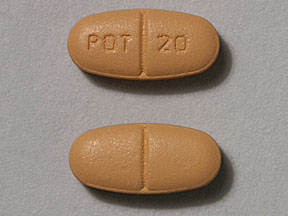
Pexeva Side Effects
Generic name: paroxetine
Medically reviewed by Drugs.com. Last updated on Apr 4, 2024.
Note: This document contains side effect information about paroxetine. Some dosage forms listed on this page may not apply to the brand name Pexeva.
Applies to paroxetine: oral capsule, oral suspension, oral tablet, oral tablet extended release.
Warning
Oral route (Capsule)
Antidepressants, including selective serotonin reuptake inhibitors (SSRIs), have been shown to increase the risk of suicidal thoughts and behavior in pediatric and young adult patients when used to treat major depressive disorder and other psychiatric disorders. Because paroxetine mesylate is an SSRI, monitor patients closely for worsening and for emergence of suicidal thoughts and behaviors. Advise families and caregivers of the need for close observation and communication with the prescriber.
Oral route (Tablet)
Warning: Suicidal Thoughts and BehaviorsAntidepressants increased the risk of suicidal thoughts and behaviors in pediatric and young adult patients taking antidepressants in short-term studies. Closely monitor all antidepressant-treated patients for clinical worsening and for emergence of suicidal thoughts and behaviors. Paroxetine mesylate is not approved for use in pediatric patients.
Oral route (Tablet; Tablet, Extended Release; Suspension)
Antidepressants increased the risk of suicidal thoughts and behaviors in pediatric and young adult patients in short-term studies. Closely monitor all antidepressant-treated patients for clinical worsening, and for emergence of suicidal thoughts and behaviors. Paroxetine hydrochloride is not approved for use in pediatric patients..
Serious side effects of Pexeva
Along with its needed effects, paroxetine (the active ingredient contained in Pexeva) may cause some unwanted effects. Although not all of these side effects may occur, if they do occur they may need medical attention.
Check with your doctor immediately if any of the following side effects occur while taking paroxetine:
Less common
- Agitation
- chest pain or tightness
- chills
- cold sweats
- confusion
- difficulty with breathing
- dizziness, faintness, or lightheadedness when getting up from a lying or sitting position
- fast, pounding, or irregular heartbeat or pulse
- muscle pain or weakness
- skin rash
Rare
- Absence of or decrease in body movements
- bigger, dilated, or enlarged pupils (black part of the eye)
- difficulty with speaking
- dry mouth
- fever
- inability to move the eyes
- incomplete, sudden, or unusual body or facial movements
- increased sensitivity of the eyes to light
- poor coordination
- red or purple patches on the skin
- restlessness
- seizures
- shivering
- sweating
- talking, feeling, and acting with excitement and activity you cannot control
- trembling or shaking, or twitching
Incidence not known
- Back, leg, or stomach pains
- blindness
- blistering, peeling, or loosening of the skin
- blue-yellow color blindness
- blurred vision
- constipation
- cough or hoarseness
- dark urine
- decreased frequency or amount of urine
- decreased vision
- difficulty with swallowing
- electric shock sensations
- eye pain
- fainting
- general body swelling
- headache
- high fever
- hives or itching skin
- inability to move the arms and legs
- inability to sit still
- increased thirst
- incremental or ratchet-like movement of the muscle
- joint pain
- light-colored stools
- lockjaw
- loss of appetite
- loss of bladder control
- lower back or side pain
- muscle spasm, especially of the neck and back
- muscle tension or tightness
- need to keep moving
- painful or difficult urination
- painful or prolonged erection of the penis
- pale skin
- puffiness or swelling of the eyelids or around the eyes, face, lips, or tongue
- raised red swellings on the skin, the buttocks, legs, or ankles
- red, irritated eyes
- sensitivity to the sun
- skin redness or soreness
- slow heart rate
- sores, ulcers, or white spots on the lips or in the mouth
- spasms of the throat
- stiff muscles
- stomach pain
- sudden numbness and weakness in the arms and legs
- swelling of the breasts
- swelling of the face, fingers, or lower legs
- swollen or painful glands
- tightness in the chest
- unexpected or excess milk flow from the breasts
- unusual bleeding or bruising
- unusual tiredness or weakness
- vomiting
- weight gain
- yellowing of the eyes or skin
Incidence not known
- Decreased interest in sexual intercourse
- delayed or inability to have an orgasm
- inability to have or keep an erection
- loss in sexual ability, desire, drive, or performance
Other side effects of Pexeva
Some side effects of paroxetine may occur that usually do not need medical attention. These side effects may go away during treatment as your body adjusts to the medicine. Also, your health care professional may be able to tell you about ways to prevent or reduce some of these side effects.
Check with your health care professional if any of the following side effects continue or are bothersome or if you have any questions about them:
More common
- Acid or sour stomach
- belching
- decreased appetite
- heartburn
- pain or tenderness around the eyes and cheekbones
- passing gas
- problems with urinating
- runny or stuffy nose
- sleepiness or unusual drowsiness
- stomach discomfort or upset
- trouble sleeping
Less common
- Abnormal dreams
- change in sense of taste
- congestion
- discouragement, feeling sad, or empty
- drugged feeling
- fast or irregular breathing
- feeling of unreality
- headache, severe and throbbing
- increased appetite
- itching of the vagina or genital area
- itching, pain, redness, or swelling of the eye or eyelid
- lack of emotion
- loss of interest or pleasure
- lump in the throat
- menstrual changes
- pain during sexual intercourse
- problems with memory
- sense of detachment from self or body
- sneezing
- thick, white vaginal discharge with no odor or with a mild odor
- tightness in the throat
- tingling, burning, or prickling sensations
- trouble concentrating
- voice changes
- watering of the eyes
- weight loss
- yawn
Incidence not known
- Decrease in smell
- loss of sense of smell
For Healthcare Professionals
Applies to paroxetine: oral capsule, oral suspension, oral tablet, oral tablet extended release.
General
HYDROCHLORIDE IR/MESYLATE TABLET FORMULATIONS: The most commonly reported side effects included nausea, ejaculation disturbance/abnormal ejaculation, somnolence, and asthenia.
HYDROCHLORIDE CR FORMULATIONS: The most commonly reported side effects included headache, ejaculation disturbance, nausea, and somnolence.
MESYLATE CAPSULES: The most commonly reported side effects included headache, fatigue, lethargy, and malaise.[Ref]
Gastrointestinal
HYDROCHLORIDE IR/MESYLATE TABLET FORMULATIONS:
Very common (10% or more): Nausea (up to 36.3%), dry mouth (up to 20.6%), diarrhea (up to 19.2%), constipation (up to 16%)
Common (1% to 10%): Abdominal pain, dyspepsia, gastrointestinal disorder, flatulence, stomatitis, tooth disorder, vomiting
Uncommon (0.1% to 1%): Buccal cavity disorders, colitis, dysphagia, eructation, gastritis, gastroenteritis, gastrointestinal flu, gingivitis, glossitis, increased salivation, rectal hemorrhage, ulcerative stomatitis
Rare (0.01% to 0.1%): Aphthous stomatitis, bloody diarrhea, cardiospasm, circumoral paresthesias, duodenitis, enteritis, esophagitis, fecal impactions, fecal incontinence, gum hemorrhage, hematemesis, ileitis, ileus, intestinal obstruction, melena, mouth ulceration, peptic ulcer, salivary gland enlargement, sialadenitis, stomach ulcer, stomatitis, tongue discoloration, tongue edema, tooth caries
Very rare (less than 0.01%): Gastrointestinal bleeding
Postmarketing reports: Acute pancreatitis
HYDROCHLORIDE CR FORMULATIONS:
Very common (10% or more): Nausea (up to 23%), diarrhea (up to 18%), dry mouth (up to 18%), constipation (up to 13%), dyspepsia (up to 13%)
Common (1% to 10%): Abdominal pain, flatulence
Frequency not reported: Vomiting
Postmarketing reports: Acute pancreatitis
MESYLATE CAPSULES:
Common (1% to 10%): Nausea, vomiting
Uncommon (0.1% to 1%): Abdominal pain
Postmarketing reports: Pancreatitis, pancreatitis hemorrhage[Ref]
Nervous system
Extrapyramidal symptoms such as akathisia, bradykinesia, cogwheel rigidity, dystonia, hypertonia, and oculogyric crisis have been associated with concomitant pimozide therapy.
Potentially life-threatening serotonin syndrome has been reported with SSRIs as monotherapy, but particularly with concomitant use of other serotonergic drugs and drugs that impair the metabolism of serotonin. Signs and symptoms associated with serotonin syndrome or neuroleptic malignant syndrome included agitation, confusion, diaphoresis, diarrhea, fever, hypertension, rigidity, and tachycardia, and were in some cases associated with concomitant use of serotonergic drugs.[Ref]
HYDROCHLORIDE IR/MESYLATE TABLET FORMULATIONS:
Very common (10% or more): Somnolence (up to 24%), headache (up to 18%), tremor (up to 14.7%), dizziness (up to 14%)
Common (1% to 10%): Amnesia, central nervous system (CNS) stimulation, drugged feeling, hyperesthesia, impaired concentration, myoclonus, paresthesia, sensory disturbance, syncope, taste perversion, vertigo
Uncommon (0.1% to 1%): Ataxia, convulsion, dystonia, dyskinesia, extrapyramidal disorders, hyperkinesia, hypertonia, hypesthesia, hypokinesia, incoordination, migraine, paralysis
Rare (0.01% to 0.1%): Abnormal electroencephalogram, abnormal gait, adrenergic syndrome, akathisia, akinesia, aphasia, cerebral ischemia, cerebrovascular accident, choreoathetosis, decreased reflexes, dysarthria, extrapyramidal syndrome, fasciculations, grand mal convulsion, hyperalgesia, increased reflexes, meningitis, myelitis, neuralgia, neuropathy, nystagmus, parosmia, peripheral neuritis, restless legs syndrome (RLS), stupor, taste loss, vascular headache, visual field defect
Very rare (less than 0.01%): Serotonin syndrome
Frequency not reported: Electric shock sensation, hyperreflexia, orofacial dystonia
Postmarketing reports: Bradykinesia, cogwheel rigidity, extrapyramidal symptoms, Guillain-Barre syndrome, optic neuritis, status epilepticus
HYDROCHLORIDE CR FORMULATIONS:
Very common (10% or more): Headache (up to 27%), somnolence (up to 22%), dizziness (up to 14%)
Common (1% to 10%): Concentration impaired, tremor
Uncommon (0.1% to 1%): Convulsion, akathisia
Frequency not reported: Hyperkinesia, hypertonia, migraine, myoclonus, paresthesia, seizures, serotonin syndrome, taste perversion
Postmarketing reports: Bradykinesia, cogwheel rigidity, dystonia, extrapyramidal syndrome, Guillain-Barre syndrome, hypertonia, optic neuritis, RLS, status epilepticus
MESYLATE CAPSULES:
Common (1% to 10%): Headache, lethargy
Uncommon (0.1% to 1%): Attention disturbances
Frequency not reported: Akathisia, restless feeling in legs, seizure, serotonin syndrome, tiredness, trouble sweeping
Postmarketing reports: Neuroleptic malignant syndrome, paresthesia, somnolence, tremor[Ref]
Genitourinary
HYDROCHLORIDE IR/MESYLATE TABLET FORMULATIONS:
Very common (10% or more): Ejaculation disturbance (up to 28%), abnormal ejaculation (up to 25%), other male genital disorders (up to 10%)
Common (1% to 10%): Female genital disorder, impotence, sexual dysfunction, urinary frequency, urinary tract infection (UTI), urination impaired
Uncommon (0.1% to 1%): Abnormal gynecological bleeding, amenorrhea, breast pain, cystitis, dysuria, hematuria, menorrhagia, nocturia, polyuria, pyuria, urinary incontinence, urinary retention, urinary urgency, vaginitis
Rare (0.01% to 0.1%): Breast atrophy, breast enlargement, delayed menstruation, endometrial disorder, epididymitis, female lactation, fibrocystic breast, irregular menstruation, leukorrhea, mastitis, metrorrhagia, pelvic pain, salpingitis, urethritis, uterine spasm, urolith, vaginal hemorrhage, vaginal moniliasis
Frequency not reported: Delayed ejaculation, dysmenorrhea, erectile difficulties, micturition difficulty, sexual dysfunction, urinary hesitancy, vaginal bleeding
Postmarketing reports: Galactorrhea, menstrual disorders, priapism
HYDROCHLORIDE CR FORMULATIONS:
Very common (10% or more): Ejaculation disturbance (up to 27%)
Common (1% to 10%): Female genital disorder, impotence
Uncommon (0.1% to 1%): Urinary retention
Rare (0.01% to 0.1%): Urinary incontinence
Frequency not reported: Delayed ejaculation, impaired urination, menstrual disorder, priapism, untoward sexual experience/performance, urinary disorder, urinary frequency, UTI, vaginitis
Postmarketing reports: Galactorrhea[Ref]
There are several reports of priapism associated with use.[Ref]
Psychiatric
HYDROCHLORIDE IR/MESYLATE TABLET FORMULATIONS:
Very common (10% or more): Insomnia (up to 24%), decreased libido (up to 15%)
Common (1% to 10%): Abnormal dreams, agitation, anxiety, confusion, depersonalization, depression, emotional lability, nervousness, nightmares, orgasmic disturbance, sleep disturbance
Uncommon (0.1% to 1%): Abnormal thinking, alcohol abuse, bruxism, euphoria, hallucinations, hostility, increased libido, lack of emotion, manic reaction, neurosis, paranoid reaction
Rare (0.01% to 0.1%): Antisocial reaction, bulimia, delirium, delusions, drug dependence, hysteria, manic-depressive reaction, panic attacks, psychotic depression, psychosis, withdrawal syndrome
Frequency not reported: Aggression, anorgasmia, delayed orgasm, difficulty reaching climax/orgasm, intense dreams, mood fluctuations, self-harm, suicidal behavior, suicidal ideation/thoughts, suicide attempts
HYDROCHLORIDE CR FORMULATIONS:
Very common (10% or more): Insomnia (up to 20%), decreased libido (up to 13%)
Common (1% to 10%): Anxiety, depression, nervousness, orgasmic disturbance
Uncommon (0.1% to 1%): Hallucinations, manic reaction
Frequency not reported: Agitation, anorgasmia, confusion, delayed orgasm, difficulty achieving orgasm, hypomania activation, mania activation, suicidal behaviors, suicidal thoughts
MESYLATE CAPSULES:
Uncommon (0.1% to 1%): Suicidal ideation
Frequency not reported: Anxiety, hypomania, increased dreaming, insomnia, mania, nervousness, nightmares, suicidality, suicide attempt
Postmarketing reports: Aggression, agitation, confusional state, depression, disorientation, drug withdrawal syndrome, homicidal ideation, restlessness[Ref]
Other
HYDROCHLORIDE IR/MESYLATE TABLET FORMULATIONS:
Very common (10% or more): Asthenia (up to 22%)
Common (1% to 10%): Chills, fever, malaise, pain, tinnitus, trauma
Uncommon (0.1% to 1%): Ear pain, otitis media, overdose
Rare (0.01% to 0.1%): Abnormal laboratory value, abortion, chills and fever, cyst, deafness, hernia, hyperacusis, intentional overdose, otitis externa, ulcer
Frequency not reported: Crying, lump in throat
Postmarketing reports: Eclampsia, elevated phenytoin level, premature birth
HYDROCHLORIDE CR FORMULATIONS:
Very common (10% or more): Asthenia (up to 18%)
Frequency not reported: Discontinuation syndrome, embryofetal toxicity, neonatal toxicity
Postmarketing reports: Eclampsia
MESYLATE CAPSULES:
Common (1% to 10%): Fatigue, malaise
Postmarketing reports: Death[Ref]
Dermatologic
HYDROCHLORIDE IR/MESYLATE TABLET FORMULATIONS:
Very common (10% or more): Sweating/diaphoresis (up to 14%)
Common (1% to 10%): Pruritus, rash/skin rash
Uncommon (0.1% to 1%): Abnormal skin bleeding, acne, alopecia, contact dermatitis, dry skin, ecchymosis, eczema, face edema, herpes simplex, photosensitivity, purpura, urticaria
Rare (0.01% to 0.1%): Decreased sweating, erythema nodosum, erythema multiforme, exfoliative dermatitis, fungal dermatitis, furunculosis, hirsutism, maculopapular rash, seborrhea, skin discoloration, skin hypertrophy, skin ulcer, vesicobullous rash
Very rare (less than 0.01%): Severe cutaneous adverse reactions, Stevens-Johnson syndrome (SJS), toxic epidermal necrolysis (TEN)
Postmarketing reports: Henoch-Schonlein purpura
HYDROCHLORIDE CR FORMULATIONS:
Very common (10% or more): Sweating (up to 14%)
Common (1% to 10%): Rash
Uncommon (0.1% to 1%): Urticaria
Rare (0.01% to 0.1%): Erythema multiforme
Frequency not reported: Eczema, photosensitivity
Postmarketing reports: Henoch-Schonlein purpura, SJS, TEN
MESYLATE CAPSULES:
Postmarketing reports: Hyperhidrosis, SJS, TEN[Ref]
Metabolic
HYDROCHLORIDE IR/MESYLATE TABLET FORMULATIONS:
Common (1% to 10%): Decreased appetite, increased appetite, increased cholesterol levels, weight gain, weight loss
Uncommon (0.1% to 1%): Altered glycemic control, hyperglycemia, obesity, thirst
Rare (0.01% to 0.1%): Dehydration, diabetes mellitus, hypercalcemia, hypercholesterolemia, hyperglycemia, hyperkalemia, hyperphosphatemia, hypocalcemia, hypoglycemia, hypokalemia, hyponatremia, ketosis, lactic dehydrogenase increased, tetany
Postmarketing reports: Porphyria
HYDROCHLORIDE CR FORMULATIONS:
Very common (10% or more): Decreased appetite (up to 12%)
Uncommon (0.1% to 1%): Hypercholesterolemia
Frequency not reported: Hyponatremia, weight gain, weight loss
Postmarketing reports: Porphyria
MESYLATE CAPSULES:
Frequency not reported: Hyponatremia
Postmarketing reports: Diabetes mellitus inadequate control, type 2 diabetes mellitus[Ref]
Cardiovascular
HYDROCHLORIDE IMMEDIATE-RELEASE (IR)/MESYLATE TABLET FORMULATIONS:
FORMULATIONS:
Common (1% to 10%): Chest pain, hypertension, palpitation, postural hypotension, sinus tachycardia/tachycardia, vasodilation
Uncommon (0.1% to 1%): Abnormal ECG, abnormal mucous membrane bleeding, bradycardia, edema, hematoma, hypotension, peripheral edema, transient decreases/increases in blood pressure
Rare (0.01% to 0.1%): Angina pectoris, arrhythmia/arrhythmia nodal, atrial arrhythmia, atrial fibrillation, bundle branch block, conduction abnormalities, congestive heart failure, extrasystoles, heart block, low cardiac output, lymphedema, myocardial infarction, myocardial ischemia, pallor, phlebitis, substernal chest pain, supraventricular extrasystoles, thrombophlebitis, thrombosis, varicose vein, ventricular extrasystoles
Postmarketing reports: Severe hypotension, torsade de pointes, vasculitic syndrome, ventricular fibrillation, ventricular tachycardia
HYDROCHLORIDE CONTROLLED-RELEASE (CR) FORMULATIONS:
Uncommon (0.1% to 1%): Postural hypotension, generalized edema
Frequency not reported: Tachycardia, hypertension, vasodilation
Postmarketing reports: Torsade de pointes, vasculitic syndromes, ventricular fibrillation, ventricular tachycardia
MESYLATE CAPSULES:
Postmarketing reports: Atrial fibrillation, ventricular fibrillation, ventricular tachycardia, torsade de pointes[Ref]
Respiratory
HYDROCHLORIDE IR/MESYLATE TABLET FORMULATIONS:
Common (1% to 10%): Oropharynx disorder, respiratory disorder, rhinitis, sinusitis, yawn
Uncommon (0.1% to 1%): Asthma, bronchitis, dyspnea, epistaxis, hyperventilation, pneumonia, respiratory flu
Rare (0.01% to 0.1%): Emphysema, hemoptysis, hiccups, increased sputum, lung fibrosis, pulmonary edema, pulmonary embolus, stridor, voice alteration
Frequency not reported: Cough increased, pharyngitis, throat tightness, upper respiratory infection (URI)
Postmarketing reports: Allergic alveolitis, laryngismus, pulmonary hypertension
HYDROCHLORIDE CR FORMULATIONS:
Common (1% to 10%): Sinusitis, yawn
Frequency not reported: Bronchitis, increased cough, rhinitis
Postmarketing reports: Allergic alveolitis, laryngismus, pulmonary hypertension
MESYLATE CAPSULES:
Postmarketing reports: Pulmonary edema, pulmonary hypertension[Ref]
Musculoskeletal
HYDROCHLORIDE IR/MESYLATE TABLET FORMULATIONS:
Common (1% to 10%): Arthralgia, back pain, myalgia, myasthenia, myopathy
Uncommon (0.1% to 1%): Arthritis, arthrosis, neck pain, traumatic fracture
Rare (0.01% to 0.1%): Bursitis, cartilage disorder, creatinine phosphokinase increased, generalized spasm, myositis, neck rigidity, osteoporosis, tenosynovitis, torticollis, trismus
Frequency not reported: Shivering
Postmarketing reports: Bone fracture
HYDROCHLORIDE CR FORMULATIONS:
Common (1% to 10%): Back pain, myalgia
Frequency not reported: Bone fracture
Postmarketing reports: Trismus
MESYLATE CAPSULES:
Frequency not reported: Bone fractures, muscle cramps/spasms/twitching[Ref]
Patients 50 years or older receiving selective serotonin reuptake inhibitors (SSRIs) have shown an increased risk of bone fractures.[Ref]
Ocular
HYDROCHLORIDE IR/MESYLATE TABLET FORMULATIONS:
Common (1% to 10%): Abnormal vision, blurred vision
Uncommon (0.1% to 1%): Accommodation abnormal, conjunctivitis, eye pain, keratoconjunctivitis, mydriasis
Rare (0.01% to 0.1%): Amblyopia, anisocoria, blepharitis, cataract, conjunctival edema, corneal lesion, corneal ulcer, diplopia, exophthalmos, eye hemorrhage, glaucoma, night blindness, photophobia, ptosis, retinal hemorrhage, specified cataract
Postmarketing reports: Oculogyric crisis
HYDROCHLORIDE CR FORMULATIONS:
Common (1% to 10%): Abnormal vision
Frequency not reported: Angle-closure glaucoma
MESYLATE CAPSULES:
Frequency not reported: Angle-closure glaucoma[Ref]
Immunologic
HYDROCHLORIDE IR/MESYLATE TABLET FORMULATIONS:
Common (1% to 10%): Infection
Uncommon (0.1% to 1%): Candidiasis, moniliasis
Rare (0.01% to 0.1%): Abscess, cellulitis, herpes zoster, peritonitis, sepsis
Frequency not reported: Cold symptoms, flu syndrome
HYDROCHLORIDE CR FORMULATIONS:
Common (1% to 10%): Infection[Ref]
Hepatic
HYDROCHLORIDE IR/MESYLATE TABLET FORMULATIONS:
Uncommon (0.1% to 1%): Abnormal liver function tests, ALT increased, AST increased
Rare (0.01% to 0.1%): Alkaline phosphatase increased, bilirubinemia, cholelithiasis, elevation of liver enzymes, gamma globulins increased, hepatitis, jaundice
Very rare (less than 0.01%): Hepatic events, liver failure
Postmarketing reports: Fatal liver necrosis, grossly elevated transaminases with severe liver dysfunction, liver necrosis
HYDROCHLORIDE CR FORMULATIONS:
Common (1% to 10%): Abnormal liver function tests
Postmarketing reports: Elevated liver function tests, fatal liver necrosis, grossly elevated transaminases associated with severe liver dysfunction, liver necrosis
MESYLATE CAPSULES:
Postmarketing reports: Drug-induced liver injury, elevated liver tests, fatal liver necrosis, grossly elevated transaminases associated with severe liver dysfunction, hepatic failure, jaundice, liver necrosis[Ref]
Hematologic
HYDROCHLORIDE IR/MESYLATE TABLET FORMULATIONS:
Uncommon (0.1% to 1%): Abnormal bleeding, anemia, leukopenia, lymphadenopathy, white blood cell abnormality
Rare (0.01% to 0.1%): Abnormal erythrocytes, abnormal lymphocytes, basophilia, bleeding time increased, eosinophilia, hypochromic anemia, iron deficiency anemia, leukocytosis, lymphocytosis, microcytic anemia, monocytosis, normocytic anemia, thrombocythemia, thrombocytopenia
Postmarketing reports: Agranulocytosis, aplastic anemia, bone marrow aplasia, hematopoiesis impaired, hemolytic anemia, pancytopenia
HYDROCHLORIDE CR FORMULATIONS:
Rare (0.01% to 0.1%): Thrombocytopenia
Frequency not reported: Increased bleeding risk
Postmarketing reports: Agranulocytosis, aplastic anemia, bone marrow aplasia, hemolytic anemia, impaired hematopoiesis, pancytopenia
MESYLATE CAPSULES:
Frequency not reported: Abnormal bleeding
Postmarketing reports: Agranulocytosis, aplastic anemia, bone marrow aplasia, impaired hematopoiesis, idiopathic thrombocytopenic purpura, pancytopenia[Ref]
Hypersensitivity
HYDROCHLORIDE IR/MESYLATE TABLET FORMULATIONS:
Uncommon (0.1% to 1%): Allergic reaction
Rare (0.01% to 0.1%): Angioedema
Very rare (less than 0.01%): Anaphylactoid reactions, fatal allergic reactions/severe allergic reactions
Postmarketing reports: Anaphylaxis
HYDROCHLORIDE CR FORMULATIONS:
Rare (0.01% to 0.1%): Angioedema
Frequency not reported: Allergic reaction, hypersensitivity reactions
Postmarketing reports: Anaphylaxis
MESYLATE CAPSULES:
Postmarketing reports: Anaphylactoid reaction, angioedema[Ref]
Renal
HYDROCHLORIDE IR/MESYLATE TABLET FORMULATIONS:
Rare (0.01% to 0.1%): Blood urea nitrogen (BUN) increased, kidney calculus, kidney pain, nephritis, non-protein nitrogen (NPN) increased, oliguria, urinary casts
Postmarketing reports: Acute renal failure
HYDROCHLORIDE CR FORMULATIONS:
Postmarketing reports: Acute renal failure[Ref]
Endocrine
HYDROCHLORIDE IR/MESYLATE TABLET FORMULATIONS:
Rare (0.01% to 0.1%): goiter, Hyperprolactinemia, hyperthyroidism, hypothyroidism, thyroiditis
Very rare (less than 0.01%): Syndrome of inappropriate antidiuretic hormone (SIADH) secretion
Postmarketing reports: Prolactinemia symptoms
HYDROCHLORIDE CR FORMULATIONS:
Postmarketing reports: Prolactinemia, SIADH secretion[Ref]
Frequently asked questions
- SSRI’s vs SNRI’s - What's the difference between them?
- What are some common side effects of antidepressants?
More about Pexeva (paroxetine)
- Check interactions
- Compare alternatives
- Pricing & coupons
- Reviews (5)
- Drug images
- Dosage information
- During pregnancy
- Drug class: selective serotonin reuptake inhibitors
- Breastfeeding
- En español
Patient resources
Other brands
Professional resources
Other brands
Related treatment guides
References
1. Product Information. Paxil (paroxetine). GlaxoSmithKline. 2001;PROD.
2. Product Information. Paxil CR (paroxetine). SmithKline Beecham. 2001;PROD.
3. Cerner Multum, Inc. UK Summary of Product Characteristics.
4. Cerner Multum, Inc. Australian Product Information.
5. Product Information. Brisdelle (paroxetine). Noven Pharmaceuticals, Inc. 2014.
6. Product Information. Pexeva (paroxetine). Synthon Pharmaceuticals Ltd. 2014.
Further information
Always consult your healthcare provider to ensure the information displayed on this page applies to your personal circumstances.
Some side effects may not be reported. You may report them to the FDA.