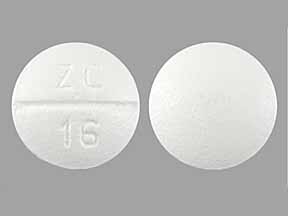
Paroxetine Side Effects
Brand Names: Paxil, Pexeva, Paxil CR
Please note - some side effects for Paroxetine may not be reported. Always consult your doctor or healthcare specialist for medical advice. You may also report side effects to the FDA at http://www.fda.gov/medwatch/ or 1-800-FDA-1088 (1-800-332-1088).
Side Effects of Paroxetine - for the Consumer
Paroxetine
All medicines may cause side effects, but many people have no, or minor, side effects. Check with your doctor if any of these most COMMON side effects persist or become bothersome when using Paroxetine:
Seek medical attention right away if any of these SEVERE side effects occur when using Paroxetine:Anxiety; blurred vision; constipation; decreased sexual desire or ability; diarrhea; dizziness; drowsiness; dry mouth; gas; increased sweating; increased urination; loss of appetite; nausea; nervousness; numbness or tingling of the skin; stomach upset; trouble concentrating; trouble sleeping; weakness; yawning.
Severe allergic reactions (rash; hives; itching; difficulty breathing; tightness in the chest; swelling of the mouth, face, lips, or tongue); bizarre behavior; black or bloody stools; chest pain; confusion; decreased concentration; decreased coordination; exaggerated reflexes; fainting; fast or irregular heartbeat; fever, chills, or sore throat; hallucinations; memory loss; new or worsening agitation, panic attacks, aggressiveness, impulsiveness, irritability, hostility, exaggerated feeling of well-being, restlessness, or inability to sit still; persistent or severe ringing in the ears; persistent, painful erection; red, swollen, blistered, or peeling skin; seizures; severe or persistent anxiety or trouble sleeping; severe or persistent headache or dizziness; significant weight loss; stomach pain; suicidal thoughts or attempts; tremor; unusual bruising or bleeding; unusual or severe mental or mood changes; unusual weakness; vision changes; worsening of depression.
Paroxetine Mesylate
All medicines may cause side effects, but many people have no, or minor, side effects. Check with your doctor if any of these most COMMON side effects persist or become bothersome when using Paroxetine Mesylate:
Seek medical attention right away if any of these SEVERE side effects occur when using Paroxetine Mesylate:Anxiety; blurred vision; constipation; decreased sexual desire or ability; diarrhea; dizziness; drowsiness; dry mouth; gas; increased sweating; increased urination; loss of appetite; nausea; nervousness; numbness or tingling of the skin; stomach upset; trouble concentrating; trouble sleeping; weakness; yawning.
Severe allergic reactions (rash; hives; itching; difficulty breathing; tightness in the chest; swelling of the mouth, face, lips, or tongue); bizarre behavior; black or bloody stools; chest pain; confusion; decreased concentration; decreased coordination; exaggerated reflexes; fainting; fast or irregular heartbeat; fever, chills, or sore throat; hallucinations; memory loss; new or worsening agitation, panic attacks, aggressiveness, impulsiveness, irritability, hostility, exaggerated feeling of well-being, restlessness, or inability to sit still; persistent or severe ringing in the ears; persistent, painful erection; red, swollen, blistered, or peeling skin; seizures; severe or persistent anxiety or trouble sleeping; severe or persistent headache or dizziness; significant weight loss; stomach pain; suicidal thoughts or attempts; tremor; unusual bruising or bleeding; unusual or severe mental or mood changes; unusual weakness; vision changes; worsening of depression.
Paroxetine Controlled-Release Tablets
All medicines may cause side effects, but many people have no, or minor, side effects. Check with your doctor if any of these most COMMON side effects persist or become bothersome when using Paroxetine Controlled-Release Tablets:
Seek medical attention right away if any of these SEVERE side effects occur when using Paroxetine Controlled-Release Tablets:Anxiety; back pain; blurred vision; constipation; decreased sexual desire or ability; diarrhea; dizziness; drowsiness; dry mouth; gas; increased sweating; increased urination; loss of appetite; nausea; nervousness; numbness or tingling of the skin; sinus inflammation; stomach pain or upset; trouble concentrating; trouble sleeping; weakness; yawning.
Severe allergic reactions (rash; hives; itching; difficulty breathing; tightness in the chest; swelling of the mouth, face, lips, or tongue); bizarre behavior; black or bloody stools; chest pain; confusion; decreased concentration; decreased coordination; exaggerated reflexes; fainting; fast or irregular heartbeat; fever, chills, or sore throat; hallucinations; memory loss; new or worsening agitation, panic attacks, aggressiveness, impulsiveness, irritability, hostility, exaggerated feeling of well-being, restlessness, or inability to sit still; persistent or severe ringing in the ears; persistent, painful erection; red, swollen, blistered, or peeling skin; seizures; severe or persistent anxiety or trouble sleeping; severe or persistent headache or dizziness; significant weight loss; stomach pain; suicidal thoughts or attempts; tremor; unusual bruising or bleeding; unusual or severe mental or mood changes; unusual weakness; vision changes; worsening of depression.
Paroxetine Suspension
All medicines may cause side effects, but many people have no, or minor, side effects. Check with your doctor if any of these most COMMON side effects persist or become bothersome when using Paroxetine Suspension:
Seek medical attention right away if any of these SEVERE side effects occur when using Paroxetine Suspension:Anxiety; blurred vision; constipation; decreased sexual desire or ability; diarrhea; dizziness; drowsiness; dry mouth; gas; increased sweating; increased urination; loss of appetite; nausea; nervousness; numbness or tingling of the skin; stomach upset; trouble concentrating; trouble sleeping; weakness; yawning.
TopSevere allergic reactions (rash; hives; itching; difficulty breathing; tightness in the chest; swelling of the mouth, face, lips, or tongue); bizarre behavior; black or bloody stools; chest pain; confusion; decreased concentration; decreased coordination; exaggerated reflexes; fainting; fast or irregular heartbeat; fever, chills, or sore throat; hallucinations; memory loss; new or worsening agitation, panic attacks, aggressiveness, impulsiveness, irritability, hostility, exaggerated feeling of well-being, restlessness, or inability to sit still; persistent or severe ringing in the ears; persistent, painful erection; red, swollen, blistered, or peeling skin; seizures; severe or persistent anxiety or trouble sleeping; severe or persistent headache or dizziness; significant weight loss; stomach pain; suicidal thoughts or attempts; tremor; unusual bruising or bleeding; unusual or severe mental or mood changes; unusual weakness; vision changes; worsening of depression.
Paroxetine Side Effects - for the Professional
Paroxetine
The information included under the “Adverse Findings Observed in Short-Term, Placebo-Controlled Trials with Paroxetine Hydrochloride Extended-Release Tablets” subsection of ADVERSE REACTIONS is based on data from eleven placebo-controlled clinical trials. Three of these studies were conducted in patients with major depressive disorder, three studies were done in patients with panic disorder and one study was conducted in patients with social anxiety disorder. Two of the studies in major depressive disorder, which enrolled patients in the age range 18 to 65 years, are pooled. Information from a third study of major depressive disorder, which focused on elderly patients (60 to 88 years), is presented separately as is the information from the panic disorder studies. Information on additional adverse events associated with Paroxetine hydrochloride extended-release tablet and the immediate-release formulation of Paroxetine hydrochloride is included in a separate subsection.
Adverse Findings Observed in Short-Term, Placebo-Controlled Trials With Paroxetine Hydrochloride Extended-Release Tablets
Adverse Events Associated With Discontinuation of TreatmentMajor Depressive Disorder
Ten percent (21/212) of patients treated with Paroxetine hydrochloride extended-release tablets discontinued treatment due to an adverse event in a pool of two studies of patients with major depressive disorder. The most common events (≥ 1%) associated with discontinuation and considered to be drug-related (i.e., those events associated with dropout at a rate approximately twice or greater for Paroxetine hydrochloride extended-release tablets compared to placebo) included the following:
| Paroxetine Hydrochloride Extended-Release Tablets (n = 212) |
Placebo (n = 211) |
|
| Nausea | 3.7% | 0.5% |
| Asthenia | 1.9% | 0.5% |
| Dizziness | 1.4% | 0.0% |
| Somnolence | 1.4% | 0.0% |
In a placebo-controlled study of elderly patients with major depressive disorder, 13% (13/104) of patients treated with Paroxetine hydrochloride extended-release tablets discontinued due to an adverse event. Events meeting the above criteria included the following:
| Paroxetine Hydrochloride Extended-Release Tablets (n = 104) |
Placebo (n = 109) |
|
| Nausea | 2.9% | 0.0% |
| Headache | 1.9% | 0.9% |
| Depression | 1.9% | 0.0% |
| LFT's abnormal | 1.9% | 0.0% |
Eleven percent (50/444) of patients treated with Paroxetine hydrochloride extended-release tablets in panic disorder studies discontinued treatment due to an adverse event. Events meeting the above criteria included the following:
| Paroxetine Hydrochloride Extended-Release Tablets (n = 444) |
Placebo (n = 445) |
|
| Nausea | 2.9% | 0.4% |
| Insomnia | 1.8% | 0.0% |
| Headache | 1.4% | 0.2% |
| Asthenia | 1.1% | 0.0% |
Three percent (5/186) of patients treated with Paroxetine hydrochloride extended-release tablets in the social anxiety disorder study discontinued treatment due to an adverse event. Events meeting the above criteria included the following:
| Paroxetine Hydrochloride Extended-Release Tablets (n = 186) |
Placebo (n = 184) |
|
| Nausea | 2.2% | 0.5% |
| Headache | 1.6% | 0.5% |
| Diarrhea | 1.1% | 0.5% |
Commonly Observed Adverse Events
Major Depressive DisorderThe most commonly observed adverse events associated with the use of Paroxetine hydrochloride extended-release tablets in a pool of two trials (incidence of 5% or greater and incidence for Paroxetine hydrochloride extended-release tablets at least twice that for placebo, derived from Table 2) were: Abnormal ejaculation, abnormal vision, constipation, decreased libido, diarrhea, dizziness, female genital disorders, nausea, somnolence, sweating, trauma, tremor, and yawning.
Using the same criteria, the adverse events associated with the use of Paroxetine hydrochloride extended-release tablets in a study of elderly patients with major depressive disorder were: Abnormal ejaculation, constipation, decreased appetite, dry mouth, impotence, infection, libido decreased, sweating, and tremor.
Panic DisorderIn the pool of panic disorder studies, the adverse events meeting these criteria were: Abnormal ejaculation, somnolence, impotence, libido decreased, tremor, sweating, and female genital disorders (generally anorgasmia or difficulty achieving orgasm).
Social Anxiety DisorderIn the social anxiety disorder study, the adverse events meeting these criteria were: Nausea, asthenia, abnormal ejaculation, sweating, somnolence, impotence, insomnia, and libido decreased.
Incidence in Controlled Clinical Trials
Table 2 enumerates adverse events that occurred at an incidence of 1% or more among patients treated with Paroxetine hydrochloride extended-release tablets, aged 18 to 65, who participated in two short-term (12 week) placebo-controlled trials in major depressive disorder in which patients were dosed in a range of 25 mg to 62.5 mg/day. Table 3 enumerates adverse events reported at an incidence of 5% or greater among elderly patients (ages 60 to 88) treated with Paroxetine hydrochloride extended-release tablets who participated in a short-term (12 week) placebo-controlled trial in major depressive disorder in which patients were dosed in a range of 12.5 mg to 50 mg/day. Table 4 enumerates adverse events reported at an incidence of 1% or greater among patients (19 to 72 years) treated with Paroxetine hydrochloride extended-release tablets who participated in short-term (10 week) placebo-controlled trials in panic disorder in which patients were dosed in a range of 12.5 mg to 75 mg/day. Table 5 enumerates adverse events reported at an incidence of 1% or greater among adult patients treated with Paroxetine hydrochloride extended-release tablets who participated in a short-term (12 week), double-blind, placebo-controlled trial in social anxiety disorder in which patients were dosed in a range of 12.5 to 37.5 mg/day.
The prescriber should be aware that these figures cannot be used to predict the incidence of side effects in the course of usual medical practice where patient characteristics and other factors differ from those that prevailed in the clinical trials. Similarly, the cited frequencies cannot be compared with figures obtained from other clinical investigations involving different treatments, uses, and investigators. The cited figures, however, do provide the prescribing physician with some basis for estimating the relative contribution of drug and nondrug factors to the side effect incidence rate in the population studied.
|
||
| % Reporting Event | ||
| Body System/Adverse Event |
Paroxetine Hydrochloride Extended-Release Tablets (n = 212) |
Placebo (n = 211) |
| Body as a Whole | ||
| Headache | 27% | 20% |
| Asthenia | 14% | 9% |
| Infection‡ | 8% | 5% |
| Abdominal Pain | 7% | 4% |
| Back Pain | 5% | 3% |
| Trauma§ | 5% | 1% |
| Pain¶ | 3% | 1% |
| Allergic Reaction# | 2% | 1% |
| Cardiovascular System | ||
| Tachycardia | 1% | 0% |
| VasodilatationÞ | 2% | 0% |
| Digestive System | ||
| Nausea | 22% | 10% |
| Diarrhea | 18% | 7% |
| Dry Mouth | 15% | 8% |
| Constipation | 10% | 4% |
| Flatulence | 6% | 4% |
| Decreased Appetite | 4% | 2% |
| Vomiting | 2% | 1% |
| Nervous System | ||
| Somnolence | 22% | 8% |
| Insomnia | 17% | 9% |
| Dizziness | 14% | 4% |
| Libido Decreased | 7% | 3% |
| Tremor | 7% | 1% |
| Hypertonia | 3% | 1% |
| Paresthesia | 3% | 1% |
| Agitation | 2% | 1% |
| Confusion | 1% | 0% |
| Respiratory System | ||
| Yawn | 5% | 0% |
| Rhinitis | 4% | 1% |
| Cough Increased | 2% | 1% |
| Bronchitis | 1% | 0% |
| Skin and Appendages | ||
| Sweating | 6% | 2% |
| Photosensitivity | 2% | 0% |
| Special Senses | ||
| Abnormal Visionß | 5% | 1% |
| Taste Perversion | 2% | 0% |
| Urogenital System | ||
| Abnormal Ejaculationàè | 26% | 1% |
| Female Genital Disorderàð | 10% | <1% |
| Impotenceà | 5% | 3% |
| Urinary Tract Infection | 3% | 1% |
| Menstrual Disorderà | 2% | <1% |
| Vaginitisà | 2% | 0% |
|
||
| % Reporting Event | ||
| Body System/Adverse Event | Paroxetine Hydrochloride Extended-Release Tablets (n = 104) |
Placebo (n = 109) |
| Body as a Whole | ||
| Headache | 17% | 13% |
| Asthenia | 15% | 14% |
| Trauma | 8% | 5% |
| Infection | 6% | 2% |
| Digestive System | ||
| Dry Mouth | 18% | 7% |
| Diarrhea | 15% | 9% |
| Constipation | 13% | 5% |
| Dyspepsia | 13% | 10% |
| Decreased Appetite | 12% | 5% |
| Flatulence | 8% | 7% |
| Nervous System | ||
| Somnolence | 21% | 12% |
| Insomnia | 10% | 8% |
| Dizziness | 9% | 5% |
| Libido Decreased | 8% | <1% |
| Tremor | 7% | 0% |
| Skin and Appendages | ||
| Sweating | 10% | <1% |
| Urogenital System | ||
| Abnormal Ejaculation‡§ | 17% | 3% |
| Impotence‡ | 9% | 3% |
|
||
| % Reporting Event | ||
| Body System/Adverse Event | Paroxetine Hydrochloride Extended-Release Tablets (n = 444) |
Placebo (n = 445) |
| Body as a Whole | ||
| Asthenia | 15% | 10% |
| Abdominal Pain | 6% | 4% |
| Trauma‡ | 5% | 4% |
| Cardiovascular System | ||
| Vasodilation§ | 3% | 2% |
| Digestive System | ||
| Nausea | 23% | 17% |
| Dry Mouth | 13% | 9% |
| Diarrhea | 12% | 9% |
| Constipation | 9% | 6% |
| Decreased Appetite | 8% | 6% |
| Metabolic/Nutritional Disorders | ||
| Weight Loss | 1% | 0% |
| Musculoskeletal System | ||
| Myalgia | 5% | 3% |
| Nervous System | ||
| Insomnia | 20% | 11% |
| Somnolence | 20% | 9% |
| Libido Decreased | 9% | 4% |
| Nervousness | 8% | 7% |
| Tremor | 8% | 2% |
| Anxiety | 5% | 4% |
| Agitation | 3% | 2% |
| Hypertonia¶ | 2% | <1% |
| Myoclonus | 2% | <1% |
| Respiratory System | ||
| Sinusitis | 8% | 5% |
| Yawn | 3% | 0% |
| Skin and Appendages | ||
| Sweating | 7% | 2% |
| Special Senses | ||
| Abnormal Vision# | 3% | <1% |
| Urogenital System | ||
| Abnormal EjaculationÞß | 27% | 3% |
| ImpotenceÞ | 10% | 1% |
| Female Genital Disordersàè | 7% | 1% |
| Urinary Frequency | 2% | <1% |
| Urination Impaired | 2% | <1% |
| Vaginitisà | 1% | <1% |
|
||
| % Reporting Event | ||
| Body System/Adverse Event | Paroxetine Hydrochloride Extended-Release Tablets (n = 186) |
Placebo (n = 184) |
| Body as a Whole | ||
| Headache | 23% | 17% |
| Asthenia | 18% | 7% |
| Abdominal Pain | 5% | 4% |
| Back Pain | 4% | 1% |
| Trauma‡ | 3% | <1% |
| Allergic Reaction§ | 2% | <1% |
| Chest Pain | 1% | <1% |
| Cardiovascular System | ||
| Hypertension | 2% | 0% |
| Migraine | 2% | 1% |
| Tachycardia | 2% | 1% |
| Digestive System | ||
| Nausea | 22% | 6% |
| Diarrhea | 9% | 8% |
| Constipation | 5% | 2% |
| Dry Mouth | 3% | 2% |
| Dyspepsia | 2% | <1% |
| Decreased Appetite | 1% | <1% |
| Tooth Disorder | 1% | 0% |
| Metabolic/Nutritional Disorders | ||
| Weight Gain | 3% | 1% |
| Weight Loss | 1% | 0% |
| Nervous System | ||
| Insomnia | 9% | 4% |
| Somnolence | 9% | 4% |
| Libido Decreased | 8% | 1% |
| Dizziness | 7% | 4% |
| Tremor | 4% | 2% |
| Anxiety | 2% | 1% |
| Concentration Impaired | 2% | 0% |
| Depression | 2% | 1% |
| Myoclonus | 1% | <1% |
| Paresthesia | 1% | <1% |
| Respiratory System | ||
| Yawn | 2% | 0% |
| Skin and Appendages | ||
| Sweating | 14% | 3% |
| Eczema | 1% | 0% |
| Special Senses | ||
| Abnormal Vision¶ | 2% | 0% |
| Abnormality of Accommodation | 2% | 0% |
| Urogenital System | ||
| Abnormal Ejaculation#Þ | 15% | 1% |
| Impotence# | 9% | 0% |
| Female Genital Disordersßà | 3% | 0% |
A comparison of adverse event rates in a fixed dose study comparing immediate-release Paroxetine with placebo in the treatment of major depressive disorder revealed a clear dose dependency for some of the more common adverse events associated with the use of immediate-release Paroxetine.
Male and Female Sexual Dysfunction with SSRIsAlthough changes in sexual desire, sexual performance, and sexual satisfaction often occur as manifestations of a psychiatric disorder, they may also be a consequence of pharmacologic treatment. In particular, some evidence suggests that SSRIs can cause such untoward sexual experiences.
Reliable estimates of the incidence and severity of untoward experiences involving sexual desire, performance, and satisfaction are difficult to obtain; however, in part because patients and physicians may be reluctant to discuss them. Accordingly, estimates of the incidence of untoward sexual experience and performance cited in product labeling, are likely to underestimate their actual incidence.
The percentage of patients reporting symptoms of sexual dysfunction in the pool of two placebo-controlled trials in nonelderly patients with major depressive disorder, in the pool of three placebo-controlled trials in patients with panic disorder, and in the placebo-controlled trial in patients with social anxiety disorder, are as follows:
| Major Depressive Disorder |
Panic Disorder |
Social Anxiety Disorder |
||||
| Paroxetine HCl Extended- Release Tablets |
Placebo | Paroxetine HCl Extended- Release Tablets |
Placebo | |
| n (males) | 78 | 78 | 162 | 194 | 88 | 97 |
| Decreased Libido | 10% | 5% | 9% | 6% | 13% | 1% |
| Ejaculatory Disturbance |
26% | 1% | 27% | 3% | 15% | 1% |
| Impotence | 5% | 3% | 10% | 1% | 9% | 0% |
| n (females) | 134 | 133 | 282 | 251 | 98 | 87 |
| Decreased Libido | 4% | 2% | 8% | 2% | 4% | 1% |
| Orgasmic Disturbance |
10% | <1% | 7% | 1% | 3% | 0% |
There are no adequate, controlled studies examining sexual dysfunction with Paroxetine treatment.
Paroxetine treatment has been associated with several cases of priapism. In those cases with a known outcome, patients recovered without sequelae.
While it is difficult to know the precise risk of sexual dysfunction associated with the use of SSRIs, physicians should routinely inquire about such possible side effects.
Weight and Vital Sign ChangesSignificant weight loss may be an undesirable result of treatment with Paroxetine for some patients but, on average, patients in controlled trials with Paroxetine hydrochloride extended-release tablet or the immediate-release formulation, had minimal weight loss (about 1 pound). No significant changes in vital signs (systolic and diastolic blood pressure, pulse, and temperature) were observed in patients treated with Paroxetine hydrochloride extended-release tablets, or immediate-release Paroxetine hydrochloride, in controlled clinical trials.
ECG ChangesIn an analysis of ECGs obtained in 682 patients treated with immediate-release Paroxetine and 415 patients treated with placebo in controlled clinical trials, no clinically significant changes were seen in the ECGs of either group.
Liver Function TestsIn a pool of two placebo-controlled clinical trials, patients treated with Paroxetine hydrochloride extended-release tablets or placebo exhibited abnormal values on liver function tests at comparable rates. In particular, the extended-release Paroxetine versus placebo comparisons for alkaline phosphatase, SGOT, SGPT, and bilirubin revealed no differences in the percentage of patients with marked abnormalities.
In a study of elderly patients with major depressive disorder, 3 of 104 patients treated with Paroxetine hydrochloride extended-release tablets and none of 109 placebo patients experienced liver transaminase elevations of potential clinical concern.
Two of the patients treated with Paroxetine hydrochloride extended-release tablets dropped out of the study due to abnormal liver function tests; the third patient experienced normalization of transaminase levels with continued treatment. Also, in the pool of three studies of patients with panic disorder, 4 of 444 patients treated with Paroxetine hydrochloride extended-release tablets and none of 445 placebo patients experienced liver transaminase elevations of potential clinical concern. Elevations in all four patients decreased substantially after discontinuation of Paroxetine hydrochloride extended-release tablets. The clinical significance of these findings is unknown.
In placebo-controlled clinical trials with the immediate-release formulation of Paroxetine, patients exhibited abnormal values on liver function tests at no greater rate than that seen in placebo-treated patients.
HallucinationsIn pooled clinical trials of immediate-release Paroxetine hydrochloride, hallucinations were observed in 22 of 9,089 patients receiving drug and in 4 of 3,187 patients receiving placebo.
Other Events Observed During the Clinical Development of Paroxetine
The following adverse events were reported during the clinical development of Paroxetine hydrochloride extended-release tablet and/or the clinical development of the immediate-release formulation of Paroxetine.
Adverse events for which frequencies are provided below occurred in clinical trials with the extended-release formulation of Paroxetine. During its premarketing assessment in major depressive disorder, panic disorder and social anxiety disorder, multiple doses of Paroxetine hydrochloride extended-release tablets were administered to 1,627 patients in phase three double-blind, controlled, outpatient studies. Untoward events associated with this exposure were recorded by clinical investigators using terminology of their own choosing. Consequently, it is not possible to provide a meaningful estimate of the proportion of individuals experiencing adverse events without first grouping similar types of untoward events into a smaller number of standardized event categories.
In the tabulations that follow, reported adverse events were classified using a COSTART based dictionary. The frequencies presented, therefore, represent the proportion of the 1,627 patients exposed to Paroxetine hydrochloride extended-release tablets who experienced an event of the type cited on at least one occasion while receiving Paroxetine hydrochloride extended-release tablets. All reported events are included except those already listed in Tables one through four and those events where a drug cause was remote. If the COSTART term for an event was so general as to be uninformative, it was deleted or, when possible, replaced with a more informative term. It is important to emphasize that although the events reported occurred during treatment with Paroxetine, they were not necessarily caused by it.
Events are further categorized by body system and listed in order of decreasing frequency according to the following definitions: Frequent adverse events are those occurring on one or more occasions in at least 1/100 patients (only those not already listed in the tabulated results from placebo-controlled trials appear in this listing); infrequent adverse events are those occurring in 1/100 to 1/1,000 patients; rare events are those occurring in fewer than 1/1,000 patients.
Adverse events for which frequencies are not provided occurred during the premarketing assessment of immediate-release Paroxetine in phase two and three studies of major depressive disorder, obsessive compulsive disorder, panic disorder, social anxiety disorder, generalized anxiety disorder, and posttraumatic stress disorder. The conditions and duration of exposure to immediate-release Paroxetine varied greatly and included (in overlapping categories) open and double-blind studies, uncontrolled and controlled studies, inpatient and outpatient studies, and fixed dose and titration studies. Only those events not previously listed for extended-release Paroxetine are included. The extent to which these events may be associated with Paroxetine hydrochloride extended-release tablets is unknown.
Events are listed alphabetically within the respective body system. Events of major clinical importance are also described in the PRECAUTIONS section.
Body as a Whole: Infrequent were chills, face edema, fever, flu syndrome, malaise; rare were abscess, anaphylactoid reaction, anticholinergic syndrome, hypothermia; also observed were adrenergic syndrome, neck rigidity, sepsis.
Cardiovascular System: Infrequent were angina pectoris, bradycardia, hematoma, hypertension, hypotension, palpitation, postural hypotension, supraventricular tachycardia, syncope; rare were bundle branch block; also observed were arrhythmia nodal, atrial fibrillation, cerebrovascular accident, congestive heart failure, low cardiac output, myocardial infarct, myocardial ischemia, pallor, phlebitis, pulmonary embolus, supraventricular extrasystoles, thrombophlebitis, thrombosis, vascular headache, ventricular extrasystoles.
Digestive System: Infrequent were bruxism, dysphagia, eructation, gastritis, gastroenteritis, gastroesophageal reflux, gingivitis, hemorrhoids, liver function test abnormal, melena, pancreatitis, rectal hemorrhage, toothache, ulcerative stomatitis; rare were colitis, glossitis, gum hyperplasia, hepatosplenomegaly, increased salivation, intestinal obstruction, peptic ulcer, stomach ulcer, throat tightness; also observed were aphthous stomatitis, bloody diarrhea, bulimia, cardiospasm, cholelithiasis, duodenitis, enteritis, esophagitis, fecal impactions, fecal incontinence, gum hemorrhage, hematemesis, hepatitis, ileitis, ileus, jaundice, mouth ulceration, salivary gland enlargement, sialadenitis, stomatitis, tongue discoloration, tongue edema.
Endocrine System: Infrequent were ovarian cyst, testes pain; rare were diabetes mellitus, hyperthyroidism; also observed were goiter, hypothyroidism, thyroiditis.
Hemic and Lymphatic System: Infrequent were anemia, eosinophilia, hypochromic anemia, leukocytosis, leukopenia, lymphadenopathy, purpura; rare were thrombocytopenia; also observed were anisocytosis, basophilia, bleeding time increased, lymphedema, lymphocytosis, lymphopenia, microcytic anemia, monocytosis, normocytic anemia, thrombocythemia.
Metabolic and Nutritional Disorders: Infrequent were generalized edema, hyperglycemia, hypokalemia, peripheral edema, SGOT increased, SGPT increased, thirst; rare were bilirubinemia, dehydration, hyperkalemia, obesity; also observed were alkaline phosphatase increased, BUN increased, creatinine phosphokinase increased, gamma globulins increased, gout, hypercalcemia, hypercholesteremia, hyperphosphatemia, hypocalcemia, hypoglycemia, hyponatremia, ketosis, lactic dehydrogenase increased, nonprotein nitrogen (NPN) increased.
Musculoskeletal System: Infrequent were arthritis, bursitis, tendonitis; rare were myasthenia, myopathy, myositis; also observed were generalized spasm, osteoporosis, tenosynovitis, tetany.
Nervous System: Frequent were depression; infrequent were amnesia, convulsion, depersonalization, dystonia, emotional lability, hallucinations, hyperkinesia, hypesthesia, hypokinesia, incoordination, libido increased, neuralgia, neuropathy, nystagmus, paralysis, vertigo; rare were ataxia, coma, diplopia, dyskinesia, hostility, paranoid reaction, torticollis, withdrawal syndrome; also observed were abnormal gait, akathisia, akinesia, aphasia, choreoathetosis, circumoral paresthesia, delirium, delusions, dysarthria, euphoria, extrapyramidal syndrome, fasciculations, grand mal convulsion, hyperalgesia, irritability, manic reaction, manic-depressive reaction, meningitis, myelitis, peripheral neuritis, psychosis, psychotic depression, reflexes decreased, reflexes increased, stupor, trismus.
Respiratory System: Frequent were pharyngitis; infrequent were asthma, dyspnea, epistaxis, laryngitis, pneumonia; rare were stridor; also observed were dysphonia, emphysema, hemoptysis, hiccups, hyperventilation, lung fibrosis, pulmonary edema, respiratory flu, sputum increased.
Skin and Appendages: Frequent were rash; infrequent were acne, alopecia, dry skin, eczema, pruritus, urticaria; rare were exfoliative dermatitis, furunculosis, pustular rash, seborrhea; also observed were angioedema, ecchymosis, erythema multiforme, erythema nodosum, hirsutism, maculopapular rash, skin discoloration, skin hypertrophy, skin ulcer, sweating decreased, vesiculobullous rash.
Special Senses: Infrequent were conjunctivitis, earache, keratoconjunctivitis, mydriasis, photophobia, retinal hemorrhage, tinnitus; rare were blepharitis, visual field defect; also observed were amblyopia, anisocoria, blurred vision, cataract, conjunctival edema, corneal ulcer, deafness, exophthalmos, glaucoma, hyperacusis, night blindness, parosmia, ptosis, taste loss.
Urogenital System: Frequent were dysmenorrhea1; infrequent were albuminuria, amenorrhea1, breast pain1, cystitis, dysuria, prostatitis1, urinary retention; rare were breast enlargement1, breast neoplasm1, female lactation, hematuria, kidney calculus, metrorrhagia1, nephritis, nocturia, pregnancy and puerperal disorders1, salpingitis, urinary incontinence, uterine fibroids enlarged1; also observed were breast atrophy, ejaculatory disturbance, endometrial disorder, epididymitis, fibrocystic breast, leukorrhea, mastitis, oliguria, polyuria, pyuria, urethritis, urinary casts, urinary urgency, urolith, uterine spasm, vaginal hemorrhage.
- 1
- Based on the number of men and women as appropriate.
Post-Marketing Reports
Voluntary reports of adverse events in patients taking immediate-release Paroxetine hydrochloride that have been received since market introduction and not listed above that may have no causal relationship with the drug include acute pancreatitis, elevated liver function tests (the most severe cases were deaths due to liver necrosis, and grossly elevated transaminases associated with severe liver dysfunction), Guillain-Barré syndrome, toxic epidermal necrolysis, priapism, syndrome of inappropriate ADH secretion, symptoms suggestive of prolactinemia and galactorrhea; extrapyramidal symptoms which have included akathisia, bradykinesia, cogwheel rigidity, dystonia, hypertonia, oculogyric crisis which has been associated with concomitant use of pimozide; tremor and trismus; status epilepticus, acute renal failure, pulmonary hypertension, allergic alveolitis, anaphylaxis, eclampsia, laryngismus, optic neuritis, porphyria, ventricular fibrillation, ventricular tachycardia (including Torsade de pointes), thrombocytopenia, hemolytic anemia, events related to impaired hematopoiesis (including aplastic anemia, pancytopenia, bone marrow aplasia, and agranulocytosis), and vasculitic syndromes (such as Henoch-Schönlein purpura). There has been a case report of an elevated phenytoin level after 4 weeks of immediate-release Paroxetine and phenytoin coadministration. There has been a case report of severe hypotension when immediate-release Paroxetine was added to chronic metoprolol treatment.
TopParoxetine Oral Suspension
Associated With Discontinuation of Treatment
Twenty percent (1,199/6,145) of patients treated with Paroxetine in worldwide clinical trials in major depressive disorder and 16.1% (84/522), 11.8% (64/542), 9.4% (44/469), 10.7% (79/735), and 11.7% (79/676) of patients treated with Paroxetine in worldwide trials in social anxiety disorder, OCD, panic disorder, GAD, and PTSD, respectively, discontinued treatment due to an adverse event. The most common events (≥1%) associated with discontinuation and considered to be drug related (i.e., those events associated with dropout at a rate approximately twice or greater for Paroxetine compared to placebo) included the following:
|
Major Depressive Disorder |
OCD |
Panic Disorder |
Social Anxiety Disorder |
Generalized Anxiety
Disorder |
PTSD |
|||||||
|
Paroxetine |
Placebo |
Paroxetine |
Placebo |
Paroxetine |
Placebo |
Paroxetine |
Placebo |
Paroxetine |
Placebo |
Paroxetine |
Placebo |
|
|
CNS |
||||||||||||
|
Somnolence |
2.3% |
0.7% |
— |
1.9% |
0.3% |
3.4% |
0.3% |
2.0% |
0.2% |
2.8% |
0.6% |
|
|
Insomnia |
— |
— |
1.7% |
0% |
1.3% |
0.3% |
3.1% |
0% |
— |
— |
||
|
Agitation |
1.1% |
0.5% |
— |
— |
— |
|||||||
|
Tremor |
1.1% |
0.3% |
— |
1.7% |
0% |
1.0% |
0.2% |
|||||
|
Anxiety |
— |
— |
— |
1.1% |
0% |
— |
— |
|||||
|
Dizziness |
— |
— |
1.5% |
0% |
1.9% |
0% |
1.0% |
0.2% |
— |
— |
||
|
Gastroin- testinal |
||||||||||||
|
Constipation |
— |
1.1% |
0% |
— |
— |
|||||||
|
Nausea |
3.2% |
1.1% |
1.9% |
0% |
3.2% |
1.2% |
4.0% |
0.3% |
2.0% |
0.2% |
2.2% |
0.6% |
|
Diarrhea |
1.0% |
0.3% |
— |
|||||||||
|
Dry mouth |
1.0% |
0.3% |
— |
— |
— |
|||||||
|
Vomiting |
1.0% |
0.3% |
— |
1.0% |
0% |
— |
— |
|||||
|
Flatulence |
1.0% |
0.3% |
— |
— |
||||||||
|
Other |
||||||||||||
|
Asthenia |
1.6% |
0.4% |
1.9% |
0.4% |
2.5% |
0.6% |
1.8% |
0.2% |
1.6% |
0.2% |
||
|
Abnormal ejaculation1 |
1.6% |
0% |
2.1% |
0% |
4.9% |
0.6% |
2.5% |
0.5% |
— |
— |
||
|
Sweating |
1.0% |
0.3% |
— |
1.1% |
0% |
1.1% |
0.2% |
— |
— |
|||
|
Impotence1 |
— |
1.5% |
0% |
— |
— |
|||||||
|
Libido Decreased |
1.0% |
0% |
— |
— |
||||||||
Where numbers are not provided the incidence of the adverse events in patients treated with Paroxetine was not >1% or was not greater than or equal to 2 times the incidence of placebo.
1. Incidence corrected for gender.
Commonly Observed Adverse Events
Major Depressive DisorderThe most commonly observed adverse events associated with the use of Paroxetine (incidence of 5% or greater and incidence for Paroxetine at least twice that for placebo, derived from Table 2) were: Asthenia, sweating, nausea, decreased appetite, somnolence, dizziness, insomnia, tremor, nervousness, ejaculatory disturbance, and other male genital disorders.
Obsessive Compulsive DisorderThe most commonly observed adverse events associated with the use of Paroxetine (incidence of 5% or greater and incidence for Paroxetine at least twice that of placebo, derived from Table 3) were: Nausea, dry mouth, decreased appetite, constipation, dizziness, somnolence, tremor, sweating, impotence, and abnormal ejaculation.
Panic DisorderThe most commonly observed adverse events associated with the use of Paroxetine (incidence of 5% or greater and incidence for Paroxetine at least twice that for placebo, derived from Table 3) were: Asthenia, sweating, decreased appetite, libido decreased, tremor, abnormal ejaculation, female genital disorders, and impotence.
Social Anxiety DisorderThe most commonly observed adverse events associated with the use of Paroxetine (incidence of 5% or greater and incidence for Paroxetine at least twice that for placebo, derived from Table 3) were: Sweating, nausea, dry mouth, constipation, decreased appetite, somnolence, tremor, libido decreased, yawn, abnormal ejaculation, female genital disorders, and impotence.
Generalized Anxiety DisorderThe most commonly observed adverse events associated with the use of Paroxetine (incidence of 5% or greater and incidence for Paroxetine at least twice that for placebo, derived from Table 4) were: Asthenia, infection, constipation, decreased appetite, dry mouth, nausea, libido decreased, somnolence, tremor, sweating, and abnormal ejaculation.
Posttraumatic Stress DisorderThe most commonly observed adverse events associated with the use of Paroxetine (incidence of 5% or greater and incidence for Paroxetine at least twice that for placebo, derived from Table 4) were: Asthenia, sweating, nausea, dry mouth, diarrhea, decreased appetite, somnolence, libido decreased, abnormal ejaculation, female genital disorders, and impotence.
Incidence in Controlled Clinical Trials
The prescriber should be aware that the figures in the tables following cannot be used to predict the incidence of side effects in the course of usual medical practice where patient characteristics and other factors differ from those that prevailed in the clinical trials. Similarly, the cited frequencies cannot be compared with figures obtained from other clinical investigations involving different treatments, uses, and investigators. The cited figures, however, do provide the prescribing physician with some basis for estimating the relative contribution of drug and nondrug factors to the side effect incidence rate in the populations studied.
Major Depressive DisorderTable 2 enumerates adverse events that occurred at an incidence of 1% or more among Paroxetine-treated patients who participated in short-term (6-week) placebo-controlled trials in which patients were dosed in a range of 20 mg to 50 mg/day. Reported adverse events were classified using a standard COSTART-based Dictionary terminology.
|
Body System |
Preferred Term |
Paroxetine (n = 421) |
Placebo (n = 421) |
|
Body as a Whole |
Headache |
18% |
17% |
|
Asthenia |
15% |
6% |
|
|
Cardiovascular |
Palpitation |
3% |
1% |
|
Vasodilation |
3% |
1% |
|
|
Dermatologic |
Sweating |
11% |
2% |
|
Rash |
2% |
1% |
|
|
Gastrointestinal |
Nausea |
26% |
9% |
|
Dry Mouth |
18% |
12% |
|
|
Constipation |
14% |
9% |
|
|
Diarrhea |
12% |
8% |
|
|
Decreased Appetite |
6% |
2% |
|
|
Flatulence |
4% |
2% |
|
|
Oropharynx Disorder2 |
2% |
0% |
|
|
Dyspepsia |
2% |
1% |
|
|
Musculoskeletal |
Myopathy |
2% |
1% |
|
Myalgia |
2% |
1% |
|
|
Myasthenia |
1% |
0% |
|
|
Nervous System |
Somnolence |
23% |
9% |
|
Dizziness |
13% |
6% |
|
|
Insomnia |
13% |
6% |
|
|
Tremor |
8% |
2% |
|
|
Nervousness |
5% |
3% |
|
|
Anxiety |
5% |
3% |
|
|
Paresthesia |
4% |
2% |
|
|
Libido Decreased |
3% |
0% |
|
|
Drugged Feeling |
2% |
1% |
|
|
Confusion |
1% |
0% |
|
|
Respiration |
Yawn |
4% |
0% |
|
Special Senses |
Blurred Vision |
4% |
1% |
|
Taste Perversion |
2% |
0% |
|
|
Urogenital System |
Ejaculatory Disturbance3,4 |
13% |
0% |
|
Other Male Genital Disorders3,5 |
10% |
0% |
|
|
Urinary Frequency |
3% |
1% |
|
|
Urination Disorder6 |
3% |
0% |
|
|
Female Genital Disorders3,7 |
2% |
0% |
1. Events reported by at least 1% of patients treated with Paroxetine are included, except the following events which had an incidence on placebo ≥ Paroxetine: Abdominal pain, agitation, back pain, chest pain, CNS stimulation, fever, increased appetite, myoclonus, pharyngitis, postural hypotension, respiratory disorder (includes mostly “cold symptoms” or “URI”), trauma, and vomiting.
2. Includes mostly “lump in throat” and “tightness in throat.”
3. Percentage corrected for gender.
4. Mostly “ejaculatory delay.”
5. Includes “anorgasmia", "erectile difficulties", "delayed ejaculation/orgasm,” and “sexual dysfunction,” and “impotence.”
6. Includes mostly “difficulty with micturition” and “urinary hesitancy.”
7. Includes mostly “anorgasmia” and “difficulty reaching climax/orgasm.”
Obsessive Compulsive Disorder, Panic Disorder, and Social Anxiety DisorderTable 3 enumerates adverse events that occurred at a frequency of 2% or more among OCD patients on Paroxetine who participated in placebo-controlled trials of 12-weeks duration in which patients were dosed in a range of 20 mg to 60 mg/day or among patients with panic disorder on Paroxetine who participated in placebo-controlled trials of 10- to 12-weeks duration in which patients were dosed in a range of 10 mg to 60 mg/day or among patients with social anxiety disorder on Paroxetine who participated in placebo-controlled trials of 12-weeks duration in which patients were dosed in a range of 20 mg to 50 mg/day.
|
Body System |
Preferred Term |
Obsessive Compulsive Disorder |
Panic Disorder |
Social Anxiety Disorder |
|||
| Paroxetine (n=542) |
Placebo (n=265) |
Paroxetine (n=469) |
Placebo (n= 324) |
Paroxetine (n=425) |
Placebo (n=339) |
||
|
Body as a Whole |
Asthenia |
22% |
14% |
14% |
5% |
22% |
14% |
|
Abdominal Pain |
— |
— |
4% |
3% |
— |
— |
|
|
Chest Pain |
3% |
2% |
— |
— |
— |
— |
|
|
Back Pain |
— |
— |
3% |
2% |
— |
— |
|
|
Chills |
2% |
1% |
2% |
1% |
— |
— |
|
|
Trauma |
— |
— |
— |
— |
3% |
1% |
|
|
Cardiovascular |
Vasodilation |
4% |
1% |
— |
— |
— |
— |
|
Palpitation |
2% |
0% |
— |
— |
— |
— |
|
|
Dermatologic |
Sweating |
9% |
3% |
14% |
6% |
9% |
2% |
|
Rash |
3% |
2% |
— |
— |
— |
— |
|
|
Gastrointestinal |
Nausea |
23% |
10% |
23% |
17% |
25% |
7% |
|
Dry mouth |
18% |
9% |
18% |
11% |
9% |
3% |
|
|
Constipation |
16% |
6% |
8% |
5% |
5% |
2% |
|
|
Diarrhea |
10% |
10% |
12% |
7% |
9% |
6% |
|
|
Decreased Appetite |
9% |
3% |
7% |
3% |
8% |
2% |
|
|
Dyspepsia |
— |
— |
— |
— |
4% |
2% |
|
|
Flatulence |
— |
— |
— |
— |
4% |
2% |
|
|
Increased Appetite |
4% |
3% |
2% |
1% |
— |
— |
|
|
Vomiting |
— |
— |
— |
— |
2% |
1% |
|
|
Musculoskeletal |
Myalgia |
— |
— |
— |
— |
4% |
3% |
|
Nervous System |
Insomnia |
24% |
13% |
18% |
10% |
21% |
16% |
|
Somnolence |
24% |
7% |
19% |
11% |
22% |
5% |
|
|
Dizziness |
12% |
6% |
14% |
10% |
11% |
7% |
|
|
Tremor |
11% |
1% |
9% |
1% |
9% |
1% |
|
|
Nervousness |
9% |
8% |
— |
— |
8% |
7% |
|
|
Libido Decreased |
7% |
4% |
9% |
1% |
12% |
1% |
|
|
Agitation |
— |
— |
5% |
4% |
3% |
1% |
|
|
Anxiety |
— |
— |
5% |
4% |
5% |
4% |
|
|
Abnormal Dreams |
4% |
1% |
— |
— |
— |
— |
|
|
Concentration Impaired |
3% |
2% |
— |
— |
4% |
1% |
|
|
Depersonalization |
3% |
0% |
— |
— |
— |
— |
|
|
Myoclonus |
3% |
0% |
3% |
2% |
2% |
1% |
|
|
Amnesia |
2% |
1% |
— |
— |
— |
— |
|
|
Respiratory System |
Rhinitis |
— |
— |
3% |
0% |
— |
— |
|
Pharyngitis |
— |
— |
— |
— |
4% |
2% |
|
|
Yawn |
— |
— |
— |
— |
5% |
1% |
|
|
Special Senses |
Abnormal Vision |
4% |
2% |
— |
— |
4% |
1% |
|
Taste Perversion |
2% |
0% |
— |
— |
— |
— |
|
|
Urogenital System |
Abnormal Ejaculation2 |
23% |
1% |
21% |
1% |
28% |
1% |
|
Dysmenorrhea |
— |
— |
— |
— |
5% |
4% |
|
|
Female Genital Disorder2 |
3% |
0% |
9% |
1% |
9% |
1% |
|
|
Impotence2 |
8% |
1% |
5% |
0% |
5% |
1% |
|
|
Urinary Frequency |
3% |
1% |
2% |
0% |
— |
— |
|
|
Urination Impaired |
3% |
0% |
— |
— |
— |
— |
|
|
Urinary Tract Infection |
2% |
1% |
2% |
1% |
— |
— |
|
1. Events reported by at least 2% of OCD, panic disorder, and social anxiety disorder in patients treated with Paroxetine are included, except the following events which had an incidence on placebo ≥Paroxetine: [OCD]: Abdominal pain, agitation, anxiety, back pain, cough increased, depression, headache, hyperkinesia, infection, paresthesia, pharyngitis, respiratory disorder, rhinitis, and sinusitis. [panic disorder]: Abnormal dreams, abnormal vision, chest pain, cough increased, depersonalization, depression, dysmenorrhea, dyspepsia, flu syndrome, headache, infection, myalgia, nervousness, palpitation, paresthesia, pharyngitis, rash, respiratory disorder, sinusitis, taste perversion, trauma, urination impaired, and vasodilation. [social anxiety disorder]: Abdominal pain, depression, headache, infection, respiratory disorder, and sinusitis.
2. Percentage corrected for gender.
Generalized Anxiety Disorder and Posttraumatic Stress DisorderTable 4 enumerates adverse events that occurred at a frequency of 2% or more among GAD patients on Paroxetine who participated in placebo-controlled trials of 8-weeks duration in which patients were dosed in a range of 10 mg/day to 50 mg/day or among PTSD patients on Paroxetine who participated in placebo-controlled trials of 12-weeks duration in which patients were dosed in a range of 20 mg/day to 50 mg/day.
|
Body System |
Preferred Term |
Generalized Anxiety Disorder |
Posttraumatic Stress Disorder |
||
|
Paroxetine (n=735) |
Placebo (n=529) |
Paroxetine (n=676) |
Placebo (n=504) |
||
|
Body as a Whole |
Asthenia |
14% |
6% |
12% |
4% |
|
Headache |
17% |
14% |
— |
— |
|
|
Infection |
6% |
3% |
5% |
4% |
|
|
Abdominal Pain |
4% |
3% |
|||
|
Trauma |
6% |
5% |
|||
|
Cardiovascular |
Vasodilation |
3% |
1% |
2% |
1% |
|
Dermatologic |
Sweating |
6% |
2% |
5% |
1% |
|
Gastrointestinal |
Nausea |
20% |
5% |
19% |
8% |
|
Dry Mouth |
11% |
5% |
10% |
5% |
|
|
Constipation |
10% |
2% |
5% |
3% |
|
|
Diarrhea |
9% |
7% |
11% |
5% |
|
|
Decreased Appetite |
5% |
1% |
6% |
3% |
|
|
Vomiting |
3% |
2% |
3% |
2% |
|
|
Dyspepsia |
— |
— |
5% |
3% |
|
|
Nervous System |
Insomnia |
11% |
8% |
12% |
11% |
|
Somnolence |
15% |
5% |
16% |
5% |
|
|
Dizziness |
6% |
5% |
6% |
5% |
|
|
Tremor |
5% |
1% |
4% |
1% |
|
|
Nervousness |
4% |
3% |
— |
— |
|
|
Libido Decreased |
9% |
2% |
5% |
2% |
|
|
Abnormal Dreams |
3% |
2% |
|||
|
Respiratory System |
Respiratory Disorder |
7% |
5% |
— |
— |
|
Sinusitis |
4% |
3% |
— |
— |
|
|
Yawn |
4% |
— |
2% |
<1% |
|
|
Special Senses |
Abnormal Vision |
2% |
1% |
3% |
1% |
|
Urogenital System |
Abnormal Ejaculation2 |
25% |
2% |
13% |
2% |
|
Female Genital Disorder2 |
4% |
1% |
5% |
1% |
|
|
Impotence2 |
4% |
3% |
9% |
1% |
|
1. Events reported by at least 2% of GAD and PTSD in patients treated with Paroxetine are included, except the following events which had an incidence on placebo ≥ Paroxetine. [GAD]: Abdominal pain, back pain, trauma, dyspepsia, myalgia, and pharyngitis. [PTSD]: Back pain, headache, anxiety, depression, nervousness, respiratory disorder, pharyngitis, and sinusitis.
2. Percentage corrected for gender.
Dose Dependency of Adverse EventsA comparison of adverse event rates in a fixed-dose study comparing 10, 20, 30, and 40 mg/day of Paroxetine with placebo in the treatment of major depressive disorder revealed a clear dose dependency for some of the more common adverse events associated with use of Paroxetine, as shown in the following table:
|
Body System/Preferred Term |
Placebo |
Paroxetine |
|||
|
n=51 |
10 mg (n=102) |
20 mg (n=104) |
30 mg (n=101) |
40 mg (n=102) |
|
|
Body as a Whole |
|||||
|
Asthenia |
0.0% |
2.9% |
10.6% |
13.9% |
12.7% |
|
Dermatology |
|||||
|
Sweating |
2.0% |
1.0% |
6.7% |
8.9% |
11.8% |
|
Gastrointestinal |
|||||
|
Constipation |
5.9% |
4.9% |
7.7% |
9.9% |
12.7% |
|
Decreased Appetite |
2.0% |
2.0% |
5.8% |
4.0% |
4.9% |
|
Diarrhea |
7.8% |
9.8% |
19.2% |
7.9% |
14.7% |
|
Dry Mouth |
2.0% |
10.8% |
18.3% |
15.8% |
20.6% |
|
Nausea |
13.7% |
14.7% |
26.9% |
34.7% |
36.3% |
|
Nervous System |
|||||
|
Anxiety |
0.0% |
2.0% |
5.8% |
5.9% |
5.9% |
|
Dizziness |
3.9% |
6.9% |
6.7% |
8.9% |
12.7% |
|
Nervousness |
0.0% |
5.9% |
5.8% |
4.0% |
2.9% |
|
Paresthesia |
0.0% |
2.9% |
1.0% |
5.0% |
5.9% |
|
Somnolence |
7.8% |
12.7% |
18.3% |
20.8% |
21.6% |
|
Tremor |
0.0% |
0.0% |
7.7% |
7.9% |
14.7% |
|
Special Senses |
|||||
|
Blurred Vision |
2.0% |
2.9% |
2.9% |
2.0% |
7.8% |
|
Urogenital System |
|||||
|
Abnormal Ejaculation |
0.0% |
5.8% |
6.5% |
10.6% |
13.0% |
|
Impotence |
0.0% |
1.9% |
4.3% |
6.4% |
1.9% |
|
Male Genital Disorders |
0.0% |
3.8% |
8.7% |
6.4% |
3.7% |
* Rule for including adverse events in table: Incidence at least 5% for 1 of Paroxetine groups and ≥ twice the placebo incidence for at least 1 Paroxetine group.
In a fixed-dose study comparing placebo and 20, 40, and 60 mg of Paroxetine in the treatment of OCD, there was no clear relationship between adverse events and the dose of Paroxetine to which patients were assigned. No new adverse events were observed in the group treated with 60 mg of Paroxetine compared to any of the other treatment groups.
In a fixed-dose study comparing placebo and 10, 20, and 40 mg of Paroxetine in the treatment of panic disorder, there was no clear relationship between adverse events and the dose of Paroxetine to which patients were assigned, except for asthenia, dry mouth, anxiety, libido decreased, tremor, and abnormal ejaculation. In flexible-dose studies, no new adverse events were observed in patients receiving 60 mg of Paroxetine compared to any of the other treatment groups.
In a fixed-dose study comparing placebo and 20, 40, and 60 mg of Paroxetine in the treatment of social anxiety disorder, for most of the adverse events, there was no clear relationship between adverse events and the dose of Paroxetine to which patients were assigned.
In a fixed-dose study comparing placebo and 20 and 40 mg of Paroxetine in the treatment of generalized anxiety disorder, for most of the adverse events, there was no clear relationship between adverse events and the dose of Paroxetine to which patients were assigned, except for the following adverse events: Asthenia, constipation, and abnormal ejaculation.
In a fixed-dose study comparing placebo and 20 and 40 mg of Paroxetine in the treatment of posttraumatic stress disorder, for most of the adverse events, there was no clear relationship between adverse events and the dose of Paroxetine to which patients were assigned, except for impotence and abnormal ejaculation.
Adaptation to Certain Adverse EventsOver a 4- to 6-week period, there was evidence of adaptation to some adverse events with continued therapy (e.g., nausea and dizziness), but less to other effects (e.g., dry mouth, somnolence, and asthenia).
Male and Female Sexual Dysfunction With SSRIsAlthough changes in sexual desire, sexual performance, and sexual satisfaction often occur as manifestations of a psychiatric disorder, they may also be a consequence of pharmacologic treatment. In particular, some evidence suggests that selective serotonin reuptake inhibitors (SSRIs) can cause such untoward sexual experiences.
Reliable estimates of the incidence and severity of untoward experiences involving sexual desire, performance, and satisfaction are difficult to obtain, however, in part because patients and physicians may be reluctant to discuss them. Accordingly, estimates of the incidence of untoward sexual experience and performance cited in product labeling, are likely to underestimate their actual incidence.
In placebo-controlled clinical trials involving more than 3,200 patients, the ranges for the reported incidence of sexual side effects in males and females with major depressive disorder, OCD, panic disorder, social anxiety disorder, GAD, and PTSD are displayed in Table 6.
|
Paroxetine |
Placebo |
|
|
n (males) |
1446 |
1042 |
|
Decreased Libido |
6-15% |
0-5% |
|
Ejaculatory Disturbance |
13-28% |
0-2% |
|
Impotence |
2-9% |
0-3% |
|
n (females) |
1822 |
1340 |
|
Decreased Libido |
0-9% |
0-2% |
|
Orgasmic Disturbance |
2-9% |
0-1% |
There are no adequate and well-controlled studies examining sexual dysfunction with Paroxetine treatment.
Paroxetine treatment has been associated with several cases of priapism. In those cases with a known outcome, patients recovered without sequelae.
While it is difficult to know the precise risk of sexual dysfunction associated with the use of SSRIs, physicians should routinely inquire about such possible side effects.
Weight and Vital Sign ChangesSignificant weight loss may be an undesirable result of treatment with Paroxetine for some patients but, on average, patients in controlled trials had minimal (about 1 pound) weight loss versus smaller changes on placebo and active control. No significant changes in vital signs (systolic and diastolic blood pressure, pulse and temperature) were observed in patients treated with Paroxetine in controlled clinical trials.
ECG ChangesIn an analysis of ECGs obtained in 682 patients treated with Paroxetine and 415 patients treated with placebo in controlled clinical trials, no clinically significant changes were seen in the ECGs of either group.
Liver Function TestsIn placebo-controlled clinical trials, patients treated with Paroxetine exhibited abnormal values on liver function tests at no greater rate than that seen in placebo-treated patients. In particular, the Paroxetine-versus-placebo comparisons for alkaline phosphatase, SGOT, SGPT, and bilirubin revealed no differences in the percentage of patients with marked abnormalities.
HallucinationsIn pooled clinical trials of immediate-release Paroxetine hydrochloride, hallucinations were observed in 22 of 9089 patients receiving drug and 4 of 3187 patients receiving placebo.
Other Events Observed During the Premarketing Evaluation of Paroxetine
During its premarketing assessment in major depressive disorder, multiple doses of Paroxetine were administered to 6,145 patients in phase 2 and 3 studies. The conditions and duration of exposure to Paroxetine varied greatly and included (in overlapping categories) open and double-blind studies, uncontrolled and controlled studies, inpatient and outpatient studies, and fixed-dose, and titration studies. During premarketing clinical trials in OCD, panic disorder, social anxiety disorder, generalized anxiety disorder, and posttraumatic stress disorder, 542, 469, 522, 735, and 676 patients, respectively, received multiple doses of Paroxetine. Untoward events associated with this exposure were recorded by clinical investigators using terminology of their own choosing. Consequently, it is not possible to provide a meaningful estimate of the proportion of individuals experiencing adverse events without first grouping similar types of untoward events into a smaller number of standardized event categories.
In the tabulations that follow, reported adverse events were classified using a standard COSTART-based Dictionary terminology. The frequencies presented, therefore, represent the proportion of the 9,089 patients exposed to multiple doses of Paroxetine who experienced an event of the type cited on at least 1 occasion while receiving Paroxetine. All reported events are included except those already listed in Tables 2 to 4, those reported in terms so general as to be uninformative and those events where a drug cause was remote. It is important to emphasize that although the events reported occurred during treatment with Paroxetine, they were not necessarily caused by it.
Events are further categorized by body system and listed in order of decreasing frequency according to the following definitions: Frequent adverse events are those occurring on 1 or more occasions in at least 1/100 patients (only those not already listed in the tabulated results from placebo-controlled trials appear in this listing); infrequent adverse events are those occurring in 1/100 to 1/1,000 patients; rare events are those occurring in fewer than 1/1,000 patients. Events of major clinical importance are also described in the PRECAUTIONS section.
Body as a WholeInfrequent: Allergic reaction, chills, face edema, malaise, neck pain; rare: Adrenergic syndrome, cellulitis, moniliasis, neck rigidity, pelvic pain, peritonitis, sepsis, ulcer.
Cardiovascular SystemFrequent: Hypertension, tachycardia; infrequent: Bradycardia, hematoma, hypotension, migraine, syncope; rare: Angina pectoris, arrhythmia nodal, atrial fibrillation, bundle branch block, cerebral ischemia, cerebrovascular accident, congestive heart failure, heart block, low cardiac output, myocardial infarct, myocardial ischemia, pallor, phlebitis, pulmonary embolus, supraventricular extrasystoles, thrombophlebitis, thrombosis, varicose vein, vascular headache, ventricular extrasystoles.
Digestive SystemInfrequent: Bruxism, colitis, dysphagia, eructation, gastritis, gastroenteritis, gingivitis, glossitis, increased salivation, liver function tests abnormal, rectal hemorrhage, ulcerative stomatitis; rare: Aphthous stomatitis, bloody diarrhea, bulimia, cardiospasm, cholelithiasis, duodenitis, enteritis, esophagitis, fecal impactions, fecal incontinence, gum hemorrhage, hematemesis, hepatitis, ileitis, ileus, intestinal obstruction, jaundice, melena, mouth ulceration, peptic ulcer, salivary gland enlargement, sialadenitis, stomach ulcer, stomatitis, tongue discoloration, tongue edema, tooth caries.
Endocrine SystemRare: Diabetes mellitus, goiter, hyperthyroidism, hypothyroidism, thyroiditis.
Hemic and Lymphatic SystemsInfrequent: Anemia, leukopenia, lymphadenopathy, purpura; rare: Abnormal erythrocytes, basophilia, bleeding time increased, eosinophilia, hypochromic anemia, iron deficiency anemia, leukocytosis, lymphedema, abnormal lymphocytes, lymphocytosis, microcytic anemia, monocytosis, normocytic anemia, thrombocythemia, thrombocytopenia.
Metabolic and NutritionalFrequent: Weight gain; infrequent: Edema, peripheral edema, SGOT increased, SGPT increased, thirst, weight loss; rare: Alkaline phosphatase increased, bilirubinemia, BUN increased, creatinine phosphokinase increased, dehydration, gamma globulins increased, gout, hypercalcemia, hypercholesteremia, hyperglycemia, hyperkalemia, hyperphosphatemia, hypocalcemia, hypoglycemia, hypokalemia, hyponatremia, ketosis, lactic dehydrogenase increased, non-protein nitrogen (NPN) increased.
Musculoskeletal SystemFrequent: Arthralgia; infrequent: Arthritis, arthrosis; rare: Bursitis, myositis, osteoporosis, generalized spasm, tenosynovitis, tetany.
Nervous SystemFrequent: Emotional lability, vertigo; infrequent: Abnormal thinking, alcohol abuse, ataxia, dystonia, dyskinesia, euphoria, hallucinations, hostility, hypertonia, hypesthesia, hypokinesia, incoordination, lack of emotion, libido increased, manic reaction, neurosis, paralysis, paranoid reaction; rare: Abnormal gait, akinesia, antisocial reaction, aphasia, choreoathetosis, circumoral paresthesias, convulsion, delirium, delusions, diplopia, drug dependence, dysarthria, extrapyramidal syndrome, fasciculations, grand mal convulsion, hyperalgesia, hysteria, manic-depressive reaction, meningitis, myelitis, neuralgia, neuropathy, nystagmus, peripheral neuritis, psychotic depression, psychosis, reflexes decreased, reflexes increased, stupor, torticollis, trismus, withdrawal syndrome.
Respiratory SystemInfrequent: Asthma, bronchitis, dyspnea, epistaxis, hyperventilation, pneumonia, respiratory flu; rare: Emphysema, hemoptysis, hiccups, lung fibrosis, pulmonary edema, sputum increased, stridor, voice alteration.
Skin and AppendagesFrequent: Pruritus; infrequent: Acne, alopecia, contact dermatitis, dry skin, ecchymosis, eczema, herpes simplex, photosensitivity, urticaria; rare: Angioedema, erythema nodosum, erythema multiforme, exfoliative dermatitis, fungal dermatitis, furunculosis; herpes zoster, hirsutism, maculopapular rash, seborrhea, skin discoloration, skin hypertrophy, skin ulcer, sweating decreased, vesiculobullous rash.
Special SensesFrequent: Tinnitus; infrequent: Abnormality of accommodation, conjunctivitis, ear pain, eye pain, keratoconjunctivitis, mydriasis, otitis media; rare: Amblyopia, anisocoria, blepharitis, cataract, conjunctival edema, corneal ulcer, deafness, exophthalmos, eye hemorrhage, glaucoma, hyperacusis, night blindness, otitis externa, parosmia, photophobia, ptosis, retinal hemorrhage, taste loss, visual field defect.
Urogenital SystemInfrequent: Amenorrhea, breast pain, cystitis, dysuria, hematuria, menorrhagia, nocturia, polyuria, pyuria, urinary incontinence, urinary retention, urinary urgency, vaginitis; rare: Abortion, breast atrophy, breast enlargement, endometrial disorder, epididymitis, female lactation, fibrocystic breast, kidney calculus, kidney pain, leukorrhea, mastitis, metrorrhagia, nephritis, oliguria, salpingitis, urethritis, urinary casts, uterine spasm, urolith, vaginal hemorrhage, vaginal moniliasis.
Postmarketing Reports
Voluntary reports of adverse events in patients taking Paroxetine that have been received since market introduction and not listed above that may have no causal relationship with the drug include acute pancreatitis, elevated liver function tests (the most severe cases were deaths due to liver necrosis, and grossly elevated transaminases associated with severe liver dysfunction), Guillain-Barré syndrome, toxic epidermal necrolysis, priapism, syndrome of inappropriate ADH secretion, symptoms suggestive of prolactinemia and galactorrhea, neuroleptic malignant syndrome−like events; serotonin syndrome; extrapyramidal symptoms which have included akathisia, bradykinesia, cogwheel rigidity, dystonia, hypertonia, oculogyric crisis which has been associated with concomitant use of pimozide; tremor and trismus; status epilepticus, acute renal failure, pulmonary hypertension, allergic alveolitis, anaphylaxis, eclampsia, laryngismus, optic neuritis, porphyria, ventricular fibrillation, ventricular tachycardia (including torsade de pointes), thrombocytopenia, hemolytic anemia, events related to impaired hematopoiesis (including aplastic anemia, pancytopenia, bone marrow aplasia, and agranulocytosis), and vasculitic syndromes (such as Henoch-Schönlein purpura). There has been a case report of an elevated phenytoin level after 4 weeks of Paroxetine and phenytoin coadministration. There has been a case report of severe hypotension when Paroxetine was added to chronic metoprolol treatment.
TopSide Effects by Body System
Gastrointestinal
A study of 26,005 antidepressant users has reported 3.6 times more upper GI bleeding episodes with the use of SSRIs relative to the population who did not receive antidepressant medications. Upper gastrointestinal tract bleeding was observed up to 3.2 times more frequently in patients receiving paroxetine.
Gastrointestinal side effects have frequently included nausea (15% to 36%), dry mouth (4% to 36%), constipation (5% to 16%), diarrhea (6% to 19%), increased appetite (3%), decreased appetite (2% to 12%), flatulence (4% to 8%), vomiting (2% to 3%), oropharynx disorder (2%), taste perversion (2%), gingivitis (1%), and dyspepsia (2% to 13%). Bruxism, upper GI bleeding, colitis, dysphagia, eructation, gastritis, gastroenteritis, glossitis, increased salivation, rectal hemorrhage, ulcerative stomatitis, aphthous stomatitis, bloody diarrhea, bulimia, cholelithiasis, duodenitis, enteritis, esophagitis, fecal impaction, fecal incontinence, gum hemorrhage, hematemesis, ileitis, ileus, intestinal obstruction, melena, mouth ulceration, peptic ulcer, peritonitis , salivary gland enlargement, sialadenitis, stomach ulcer, stomatitis, tongue discoloration, tongue edema, loss of taste, and tooth caries have also been reported.
Nervous system
Chorea has been reported in 13 patients. One incidence of chorea occurred after a single dose of paroxetine.
Severe psychomotor retardation and stupor have been reported in one patient.
According to the manufacturer, one study reported that seizures occurred in 0.26% of patients treated with other commonly used antidepressants.
In one study, paroxetine was found to decrease rapid eye movement (REM) sleep, increase REM latency, increase awakenings, and reduce actual sleep time. Another study found a decreased amount of REM sleep without a detrimental effect on subjective sleep quality.
Nearly all selective serotonin reuptake inhibitors, mixed serotonin/norepinephrine reuptake inhibitors, and tricyclic antidepressants cause sleep abnormalities to some extent. These antidepressants have marked dose-dependent effects on rapid eye movement (REM) sleep, causing reductions in the overall amount of REM sleep over the night and delays the first entry into REM sleep (increased REM sleep onset latency (ROL)), both in healthy subjects and depressed patients. The antidepressants that increase serotonin function appear to have the greatest effect on REM sleep. The reduction in REM sleep is greatest early in treatment, but gradually returns towards baseline during long-term therapy; however, ROL remains long. Following discontinuation of therapy the amount of REM sleep tends to rebound. Some of these drugs (i.e., bupropion, mirtazapine, nefazodone, trazodone, trimipramine) appear to have a modest or minimal effect on REM sleep.
Nervous system side effects have frequently included somnolence (9% to 24%), dizziness (7% to 14%), insomnia (8% to 24%), tremor (4% to 11%), nervousness (2% to 9%), paresthesia (1% to 4%), decreased libido in both male and female patients (3% to 15%), 'drugged' feeling (2%), confusion (1%), sleep abnormalities, abnormal dreams (1% to 4%), impaired concentration (2% to 4%), myoclonus (1% to 3%), amnesia (1% to 2%), tremor (4% to 8%), hypertonia (2% to 3%), and vertigo (2%). Abnormal thinking, alcohol abuse, ataxia, dystonia, dyskinesia, hypesthesia, hypokinesia, incoordination, paralysis, abnormal gait, akinesia, antisocial reaction, aphasia, choreoathetosis, circumoral paresthesias, convulsion, delirium, delusions, dysarthria, extrapyramidal syndrome, fasciculations, grand mal convulsions, hyperalgesia, meningitis, myelitis, neuralgia, neuropathy, nystagmus, peripheral neuritis, decreased reflexes, increased reflexes, stupor, torticollis, trismus, tardive dyskinesia, seizures, status epilepticus, serotonin syndrome, extrapyramidal symptoms (including akathisia, bradykinesia, cogwheel rigidity, dystonia, and hypertonia), changes in rapid eye movement (REM) sleep, chorea, psychomotor retardation, and stupor have also been reported.
Psychiatric
Other commonly used antidepressants induced mania in 11% of patients in one study.
Pooled results from clinical trials report hallucinations in 22 of 9089 patients who received paroxetine and 4 of 3187 patients who received placebo.
Psychiatric side effects have frequently included anxiety (2% to 5%), agitation (2% to 5%), depersonalization (3%), depression (2%), lack of emotion (2%), and emotional lability. Euphoria, hallucinations, hostility, increased libido, neurosis, paranoid reaction, antisocial reaction, delusions, drug dependence, hysteria, manic-depressive reaction, psychotic depression, and psychosis. Mania has been reported in up to 2% of bipolar patients.
Dermatologic
Seven cases of alopecia have been reported. In all cases, hair loss was eventually reversible.
A case of cutaneous leukocytoclastic vasculitis has been reported following treatment with paroxetine. The patient originally developed the lesions after treatment with escitalopram. The lesions disappeared one week following discontinuation of escitalopram and reappeared upon rechallenge. When the patient was switched to paroxetine a similar reaction occurred.
Dermatologic side effects have frequently included sweating (5% to 34%), rash (2% to 3%), photosensitivity (2%), eczema (1%), and pruritus. Acne, alopecia, contact dermatitis, dry skin, ecchymosis, herpes simplex, urticaria, erythema nodosus, erythema multiforme, exfoliative dermatitis, fungal dermatitis, furunculosis, herpes zoster, hirsutism, maculopapular rash, seborrhea, skin discoloration, skin hypertrophy, skin ulcer, decreased sweating, vesiculobullous rash, and toxic epidermal necrolysis have also been reported. Two cases of cutaneous vasculitis have also been reported.
Genitourinary
There are no controlled clinical data regarding sexual dysfunction with paroxetine use.
There are several reports of priapism associated with paroxetine use. In cases in which outcome was reported, all patients fully recovered.
Genitourinary side effects reported in males have included ejaculatory disturbance (13% to 28%), impotence (2% to 9%), and priapism. Genitourinary side effects reported in females have included anorgasmia, orgasmic disturbance, dysmenorrhea, eclampsia, menstrual disorder (2%), vaginitis (2%), amenorrhea, menorrhagia, abortion, endometrial disorder, female lactation, leukorrhea, mastitis, salpingitis, uterine spasm, vaginal hemorrhage, metrorrhagia, and vaginal moniliasis. Urinary tract infection (3%), sexual dysfunction, urinary frequency, urinary disorder, difficulty with micturition, urinary hesitancy, breast pain, breast atrophy, breast enlargement, fibrocystic breast, cystitis, dysuria, hematuria, nocturia, polyuria, pyuria, urinary incontinence, urinary retention, urinary urgency, epididymitis, kidney calculus, kidney pain, nephritis, oliguria, urethritis, urinary casts, and urolith have also been reported.
Cardiovascular
The effects on blood pressure have been reported to be inconsistent.
Cardiovascular side effects have frequently included palpitation (2% to 3%), vasodilation (2% to 4%), hypertension (2%), and tachycardia (including torsade de pointes). Bradycardia, hematoma, hypotension, postural hypotension, syncope, angioedema, angina pectoris, nodal arrhythmia, atrial fibrillation, bundle branch block, cerebral ischemia, cerebrovascular accident, congestive heart failure, heart block, low cardiac output, myocardial infarct, myocardial ischemia, phlebitis, supraventricular extrasystoles, thrombophlebitis, thrombosis, varicose vein, supraventricular tachycardia, vascular headache, vasculitic syndromes (including Henoch-Schonlein purpura), ventricular extrasystoles, and ventricular fibrillation have also been reported.
Endocrine
Paroxetine- induced hyponatremia may be more common in elderly female patients and those who are volume depleted or are receiving concomitant diuretic therapy.
Endocrine side effects have included diabetes mellitus, goiter, hyperthyroidism, hypothyroidism, and thyroiditis. Hyperprolactinemia, hyponatremia, and the syndrome of inappropriate antidiuretic hormone (SIADH) are increasingly being associated with selective serotonin reuptake inhibitors including paroxetine. A case of severe life-threatening hyponatremia in a patient receiving paroxetine has been reported.
Hematologic
The mechanism of paroxetine- induced bleeding may be related to drug-induced platelet dysfunction.
Hematologic side effects have included anemia, leukopenia, lymphadenopathy, purpura, abnormal erythrocytes, basophilia, increased bleeding time, eosinophilia, hypochromic anemia, iron deficiency anemia, leukocytosis, lymphedema, abnormal lymphocytes, lymphocytosis, microcytic anemia, monocytosis, normocytic anemia, thrombocythemia, thrombocytopenia, hemolytic anemia, and events related to impaired hematopoiesis (including aplastic anemia, pancytopenia, bone marrow aplasia, and agranulocytosis). Several cases have also been reported suggesting that paroxetine may cause bleeding in patients with normal bleeding times, platelet counts, prothrombin times, and partial thromboplastin times.
Other
A withdrawal syndrome, similar to that seen in other selective serotonin reuptake inhibitors, has been reported. Recent clinical trials by the manufacturer reported withdrawal events to be serious in 0.3% of patients who discontinued therapy with controlled-release paroxetine tablets. Patients discontinuing paroxetine have complained of vertigo, lightheadedness, gait instability, malaise, myalgia, middle insomnia, nausea, emesis, diarrhea, and/or visual phenomena (similar to that associated with migraine) during withdrawal. Two cases of behavioral syndromes including severe aggressive and suicidal impulsivity following paroxetine withdrawal have been reported. One case of withdrawal hypomania has been reported. One case of unilateral facial numbness with blurred peripheral vision has also been reported upon withdrawal.
In one retrospective chart review of 352 patients who were supervised during tapering and discontinuation from serotonin reuptake inhibitor therapy, dizziness, lethargy, paresthesia, nausea, vivid dreams, irritability, and lowered mood were the most common symptoms reported. Patients with at least one qualitatively new symptom were defined in the paroxetine group at a rate of 17.2%.
Patients should be monitored for symptoms when discontinuing treatment. A gradual reduction in dosage rather than abrupt discontinuation of therapy is recommended when possible. If intolerable symptoms occur following discontinuation of therapy, then resumption of the previous dose may be considered. Subsequently, discontinuation of therapy may be retried at a more gradual rate.
Other side effects have frequently included headache (15% to 27%), asthenia (14% to 22%), infection (6% to 8%), abdominal pain (4% to 7%), chest pain (3%), back pain (3% to 5%), chills (2%), migraine (1%), and trauma (3% to 8%). Face edema, withdrawal syndrome, malaise, neck pain, adrenergic syndrome, cellulitis, moniliasis, neck rigidity, pelvic pain, sepsis, ulcer, ear pain, tinnitus, otitis media, deafness, pallor, hyperacusis, otitis externa, parosmia, Guillain-Barre syndrome, and neuroleptic malignant syndrome- like reaction.
Renal
Renal side effects have included acute renal failure.
Respiratory
Respiratory side effects have frequently included respiratory disorder (7%), sinusitis (4% to 8%), yawn (2% to 5%), rhinitis (3% to 4%), increased cough (1% to 2%), bronchitis (1% to 2%), and pharyngitis (4%). Asthma, dyspnea, epistaxis, hyperventilation, pneumonia, respiratory flu, emphysema, hemoptysis, hiccups, lung fibrosis, pulmonary edema, pulmonary embolus, increased sputum, stridor, porphyria, laryngismus, and alteration in voice have also been reported.
Hypersensitivity
Hypersensitivity side effects have included allergic reactions in up to 2% of patients including allergic alveolitis and anaphylaxis.
Hepatic
Hepatic side effects have included a single case of severe hepatotoxicity with jaundice. Hepatitis and abnormal liver function tests have been reported rarely.
The manufacturer states that in placebo-controlled clinical trials patients receiving paroxetine experienced abnormal values on liver function tests at a rate equal to or less than that reported in patients receiving placebo. However, there have been postmarketing reports of patients developing elevated serum transaminases resulting in severe liver dysfunction, as well as, a few cases of elevated liver function tests resulting in death secondary to liver necrosis.
Ocular
Ocular side effects have frequently included blurred vision (4%), abnormality of accommodation (2%), and abnormal vision (2% to 5%). Conjunctivitis, eye pain, keratoconjunctivitis, mydriasis, amblyopia, anisocoria, blepharitis, cataract, conjunctival edema, corneal ulcer, diplopia, exophthalmos, eye hemorrhage, glaucoma, night blindness, photophobia, ptosis, retinal hemorrhage, optic neuritis, and visual field effect have also been reported.
Musculoskeletal
Musculoskeletal side effects have frequently included myopathy (2%), myalgia (2% to 5%), myasthenia (1%), and arthralgia (2%). Arthritis, arthrosis, bursitis, myositis, osteoporosis, generalized spasm, tenosynovitis, and tetany have also been reported. A single case of bruxism has been reported.
In one study using the healthcare data from the providence of Ontario, Canada reviewing 8239 patients treated for hip fractures, the adjusted odds ratio for hip fracture was 2.4 for exposure to selective serotonin reuptake inhibitors (including fluoxetine, fluvoxamine, paroxetine, and sertraline), compared to participants who had no exposure to antidepressants.
Metabolic
Controlled studies reported an average weight loss of approximately 1 pound per patient versus smaller changes reported with placebo.
The results of one study appear to indicate that treatment with selective serotonin reuptake inhibitors (i.e., paroxetine, sertraline, citalopram) may cause an increase in serum total cholesterol, HDL cholesterol, and/or LDL cholesterol. However, additional studies are necessary to confirm these findings.
Numerous cases of hyponatremia have been reported following treatment with a selective serotonin reuptake inhibitor (SSRI). Risk factors for the development of SSRI- associated hyponatremia including advanced age, female gender, concomitant use of diuretics, low body weight, and lower baseline serum sodium levels have been identified. Hyponatremia tends to develop within the first few weeks of treatment (range 3 to 120 days) and typically resolves within 2 weeks (range 48 hours to 6 weeks) after therapy has been discontinued with some patients requiring treatment. The proposed mechanism for the development of hyponatremia involves the syndrome of inappropriate secretion of antidiuretic hormone (SIADH) via release of antidiuretic hormone.
Metabolic side effects have frequently included weight gain (3%) and weight loss (1%). Edema, peripheral edema, thirst, bilirubinemia, dehydration, gout, hypercalcemia, hypercholesteremia, hyperglycemia, hyperkalemia, hyperphosphatemia, hypocalcemia, hypoglycemia, hypokalemia, hyponatremia, porphyria, and ketosis have also been reported. In addition, increased levels of SGOT, SGPT, alkaline phosphatase, BUN, creatinine phosphokinase, gamma globulins, lactic dehydrogenase, and non- protein nitrogen (NPN) have been reported. An increase in serum cholesterol has been reported following use of paroxetine.
General
General side effects including abnormal bleeding have been reported.
TopMore resources:
Paxil CR Controlled-Release Tablets
Paroxetine - Includes detailed dosage instructions.
Disclaimer: Every effort has been made to ensure that the information provided is accurate, up-to-date, and complete, but no guarantee is made to that effect. In addition, the drug information contained herein may be time sensitive and should not be utilized as a reference resource beyond the date hereof. This information does not endorse drugs, diagnose patients, or recommend therapy. This drug information is a reference resource designed as supplement to, and not a substitute for, the expertise, skill , knowledge, and judgement of healthcare practitioners in patient care. The absence of a warning for a given drug or drug combination in no way should be construed to indicate that the drug of drug combination is safe, effective, or appropriate for any given patient. Drugs.com does not assume any responsibility for any aspect of healthcare administered with the aid of information provided. The information contained herein is not intended to cover all possible uses, directions, precautions, warnings, drug interactions, allergic reactions, or adverse effects. If you have questions about the drugs you are taking, check with your doctor, nurse, or pharmacist.