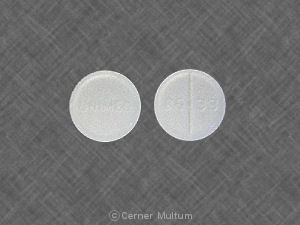
Oxymetholone Side Effects
Medically reviewed by Drugs.com. Last updated on Feb 2, 2023.
Applies to oxymetholone: oral tablet.
Warning
You should not use this medicine if you have severe liver or kidney disease, prostate cancer, male breast cancer, or female breast cancer with high levels of calcium in the blood.
Do not use oxymetholone if you are pregnant.
Long-term use of oxymetholone can cause liver tumors or blood-filled cysts in your liver or spleen. Call your doctor at once if you have upper stomach pain, loss of appetite, dark urine, clay-colored stools, jaundice (yellowing of the skin or eyes), or rapid weight gain (especially in your face and midsection).
Get emergency medical help if you have any of these signs of an allergic reaction while taking oxymetholone: hives; difficult breathing; swelling of your face, lips, tongue, or throat.
Long-term use of oxymetholone can cause liver tumors or blood-filled cysts in your liver or spleen. Call your doctor at once if you have:
-
nausea, upper stomach pain;
-
rapid weight gain, especially in your face and midsection;
-
loss of appetite, dark urine, clay-colored stools; or
-
jaundice (yellowing of the skin or eyes).
Also call your doctor at once if you have:
-
painful or difficult urination;
-
increased interest in sex, painful or ongoing erection of the penis;
-
loss of interest in sex, impotence, trouble having an orgasm, decreased amount of semen when you ejaculate;
-
easy bruising or bleeding (nosebleeds, bleeding gums), any bleeding that will not stop;
-
painful swelling in your breasts;
-
changes in skin color; or
-
shortness of breath (even with mild exertion), swelling in your hands or feet.
Women receiving oxymetholone may develop male features, which could be irreversible if treatment is continued. If you are a woman taking oxymetholone, tell your doctor right away if you have:
-
hoarse or deepened voice;
-
increased facial hair, hair growth on the chest;
-
male pattern baldness;
-
enlarged clitoris;
-
changes in your menstrual periods; or
-
increased or decreased interest in sex.
Common side effects in both men and women may include:
-
acne;
-
male pattern baldness;
-
breast swelling or tenderness (in men or women);
-
feeling restless or excited;
-
sleep problems (insomnia); or
This is not a complete list of side effects and others may occur. Call your doctor for medical advice about side effects.
For Healthcare Professionals
Applies to oxymetholone: oral tablet.
General
The more commonly reported adverse effects of androgen therapy in males is gynecomastia and excessive frequency and duration of penile erections; in women virilization including voice deepening.[Ref]
Cardiovascular
Frequency not reported: Edema with or without congestive heart failure[Ref]
Genitourinary
Frequency not reported: Phallic enlargement and increased frequency of erections (prepubertal); inhibition of testicular function, testicular atrophy and oligospermia, impotence, chronic priapism, epididymitis, bladder irritability and decrease in seminal volume. excessive frequency and duration of penile erections, oligospermia, increased or decreased libido (postpubertal); clitoral enlargement, menstrual irregularities (women); increased or decreased libido (both sexes)[Ref]
Hepatic
Rare (less than 0.1%): Peliosis hepatic, hepatic necrosis and death
Frequency not reported: Cholestatic jaundice, altered liver function[Ref]
Dermatologic
Frequency not reported: Male pattern baldness, acne[Ref]
Musculoskeletal
Frequency not reported: Premature closure of epiphyses in children, muscle spasms[Ref]
Oncologic
Frequency not reported: Hepatocellular neoplasms[Ref]
Hematologic
Frequency not reported: Suppression of clotting factors II, V, VII, and X; bleeding (in patients on concomitant anticoagulant therapy and polycythemia), anemia, leukemia (in patients with aplastic anemia)[Ref]
Endocrine
Frequency not reported: Gynecomastia, virilization (women), hirsutism[Ref]
Metabolic
Frequency not reported: Retention of sodium, chloride, potassium, calcium, phosphates, increased serum cholesterol, hypercalcemia, decreased glucose tolerance[Ref]
Renal
Frequency not reported: Increased creatine and creatine excretion[Ref]
Gastrointestinal
Frequency not reported: Nausea, vomiting, diarrhea[Ref]
Psychiatric
Frequency not reported: Excitation, insomnia[Ref]
Other
Frequency not reported: Chills[Ref]
More about oxymetholone
- Check interactions
- Compare alternatives
- Reviews (1)
- Dosage information
- During pregnancy
- Drug class: androgens and anabolic steroids
Patient resources
Other brands
Professional resources
Other brands
Related treatment guides
References
1. Product Information. Anadrol-50 (oxymetholone). Unimed Pharmaceuticals. PROD.
Further information
Always consult your healthcare provider to ensure the information displayed on this page applies to your personal circumstances.
Some side effects may not be reported. You may report them to the FDA.