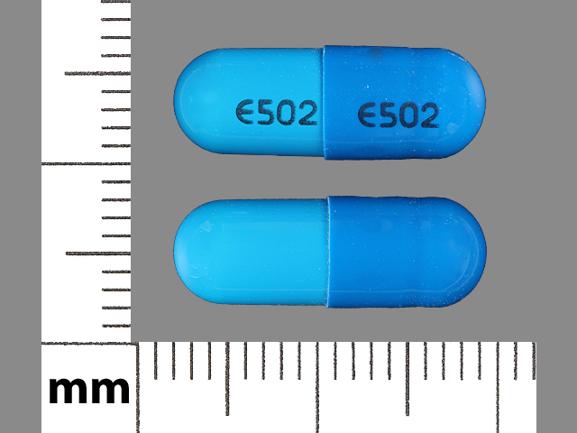
Drug Information
Side Effects > Nicardipine

Nicardipine Side Effects

Brand Names: Cardene, Cardene SR

Please note - some side effects for Nicardipine may not be reported. Always consult your doctor or healthcare specialist for medical advice. You may also report side effects to the FDA at http://www.fda.gov/medwatch/ or 1-800-FDA-1088 (1-800-332-1088).


Side Effects of Nicardipine - for the Consumer

Nicardipine

All medicines may cause side effects, but many people have no, or minor, side effects. Check with your doctor if any of these most COMMON side effects persist or become bothersome when using Nicardipine:

Diarrhea; dizziness; feeling of warmth (flushing); feet swelling; headache; nausea; weakness.

Seek medical attention right away if any of these SEVERE side effects occur when using Nicardipine:

Severe allergic reactions (rash; hives; itching; difficulty breathing; tightness in the chest; swelling of the mouth, face, lips, or tongue); fainting; fast or irregular heartbeat; increased chest pain; pain, redness, or swelling at the injection site; pounding in the chest; shortness of breath; swelling of the ankles or hands.

Nicardipine Capsules

All medicines may cause side effects, but many people have no, or minor, side effects. Check with your doctor if any of these most COMMON side effects persist or become bothersome when using Nicardipine Capsules:

Diarrhea; dizziness; feeling of warmth (flushing); feet swelling; headache; nausea; weakness.

Seek medical attention right away if any of these SEVERE side effects occur when using Nicardipine Capsules:

Severe allergic reactions (rash; hives; itching; difficulty breathing; tightness in the chest; swelling of the mouth, face, lips, or tongue); fainting; fast or irregular heartbeat; increased chest pain; pounding in the chest; shortness of breath; swelling of the ankles or hands.

Nicardipine Sustained-Release Capsules

All medicines may cause side effects, but many people have no, or minor, side effects. Check with your doctor if any of these most COMMON side effects persist or become bothersome when using Nicardipine Sustained-Release Capsules:

Diarrhea; dizziness; feeling of warmth (flushing); feet swelling; headache; nausea; weakness.

Seek medical attention right away if any of these SEVERE side effects occur when using Nicardipine Sustained-Release Capsules:

Severe allergic reactions (rash; hives; itching; difficulty breathing; tightness in the chest; swelling of the mouth, face, lips, or tongue); fainting; fast or irregular heartbeat; increased chest pain; pounding in the chest; shortness of breath; swelling of the ankles or hands.

Top

Nicardipine Side Effects - for the Professional

Nicardipine

In multiple-dose U.S. and foreign controlled short-term (up to three months) studies 1,910 patients received Nicardipine alone or in combination with other drugs. In these studies adverse events were reported spontaneously; adverse experiences were generally not serious but occasionally required dosage adjustment and about 10% of patients left the studies prematurely because of them. Peak responses were not observed to be associated with adverse effects during clinical trials, but physicians should be aware that adverse effects associated with decreases in blood pressure (tachycardia, hypotension, etc.) could occur around the time of the peak effect. Most adverse effects were expected consequences of the vasodilator effects of Nicardipine.

Angina

The incidence rates of adverse effects in anginal patients were derived from multicenter, controlled clinical trials. Following are the rates of adverse effects for Nicardipine (N = 520) and placebo (N = 310), respectively, that occurred in 0.4% of patients or more. These represent events considered probably drug-related by the investigator (except for certain cardiovascular events which were recorded in a different category). Where the frequency of adverse effects for Nicardipine and placebo is similar, causal relationship is uncertain. The only dose-related effects were pedal edema and increased angina.

Percent of Patients with Adverse Effects in Controlled Studies (Incidence of discontinuations shown in parentheses)
Nicardipine PLACEBO
Adverse Experience (N=520) (N=310)
Pedal Edema 7.1 (0)    0.3 (0)
Dizziness 6.9 (1.2) 0.6 (0)
Headache 6.4 (0.6) 2.6 (0)
Asthenia 5.8 (0.4) 2.6 (0)
Flushing 5.6 (0.4) 1.0 (0)
Increased Angina 5.6 (3.5)    4.2 (1.9)
Palpitations 3.3 (0.4) 0.0 (0)
Nausea 1.9 (0)    0.3 (0)
Dyspepsia 1.5 (0.6)    0.6 (0.3)
Dry Mouth 1.4 (0)    0.3 (0)
Somnolence 1.4 (0)    1.0 (0)
Rash 1.2 (0.2) 0.3 (0)
Tachycardia 1.2 (0.2) 0.6 (0)
Myalgia 1.0 (0)    0.0 (0)
Other edema 1.0 (0)    0.0 (0)
Paresthesia 1.0 (0.2) 0.3 (0)
Sustained Tachycardia 0.8 (0.6) 0.0 (0)
Syncope 0.8 (0.2) 0.0 (0)
Constipation 0.6 (0.2) 0.6 (0)
Dyspnea 0.6 (0)    0.0 (0)
Abnormal ECG 0.6 (0.6) 0.0 (0)
Malaise 0.6 (0)    0.0 (0)
Nervousness 0.6 (0)    0.3 (0)
Tremor 0.6 (0)    0.0 (0)

In addition, adverse events were observed which are not readily distinguishable from the natural history of the atherosclerotic vascular disease in these patients. Adverse events in this category each occurred in <0.4% of patients receiving Nicardipine and included myocardial infarction, atrial fibrillation, exertional hypotension, pericarditis, heart block, cerebral ischemia and ventricular tachycardia. It is possible that some of these events were drug-related.

Hypertension

The incidence rates of adverse effects in hypertensive patients were derived from multicenter, controlled clinical trials. Following are the rates of adverse effects for Nicardipine (N=1390) and placebo (N=211), respectively, that occurred in 0.4% of patients or more. These represent events considered probably drug-related by the investigator. Where the frequency of adverse effects for Nicardipine and placebo is similar, causal relationship is uncertain. The only dose-related effect was pedal edema.

Percent of Patients with Adverse Effects in Controlled Studies (Incidence of discontinuations shown in parentheses)
Nicardipine PLACEBO
Adverse Experience (N=1390) (N=211)
Flushing 9.7 (2.1) 2.8 (0)
Headache 8.2 (2.6) 4.7 (0)
Pedal Edema 8.0 (1.8) 0.9 (0)
Asthenia 4.2 (1.7) 0.5 (0)
Palpitations 4.1 (1.0) 0.0 (0)
Dizziness 4.0 (1.8) 0.0 (0)
Tachycardia 3.4 (1.2) 0.5 (0)
Nausea 2.2 (0.9) 0.9 (0)
Somnolence 1.1 (0.1) 0.0 (0)
Dyspepsia 0.8 (0.3) 0.5 (0)
Insomnia 0.6 (0.1) 0.0 (0)
Malaise 0.6 (0.1) 0.0 (0)
Other edema 0.6 (0.3) 1.4 (0)
Abnormal dreams 0.4 (0)    0.0 (0)
Dry mouth 0.4 (0.1) 0.0 (0)
Nocturia 0.4 (0)    0.0 (0)
Rash 0.4 (0.4) 0.0 (0)
Vomiting 0.4 (0.4) 0.0 (0)

Rare Events

The following rare adverse events have been reported in clinical trials or the literature:

Body as a Whole: infection, allergic reaction

Cardiovascular: hypotension, postural hypotension, atypical chest pain, peripheral vascular disorder, ventricular extrasystoles, ventricular tachycardia

Digestive: sore throat, abnormal liver chemistries

Musculoskeletal: arthralgia

Nervous: hot flashes, vertigo, hyperkinesia, impotence, depression, confusion, anxiety

Respiratory: rhinitis, sinusitis

Special Senses: tinnitus, abnormal vision, blurred vision

Urogenital: increased urinary frequency

Top

Nicardipine Injection

In multiple-dose U.S. and foreign controlled short-term (up to three months) studies 1,910 patients received Nicardipine alone or in combination with other drugs. In these studies adverse events were reported spontaneously; adverse experiences were generally not serious but occasionally required dosage adjustment and about 10% of patients left the studies prematurely because of them. Peak responses were not observed to be associated with adverse effects during clinical trials, but physicians should be aware that adverse effects associated with decreases in blood pressure (tachycardia, hypotension, etc.) could occur around the time of the peak effect. Most adverse effects were expected consequences of the vasodilator effects of Nicardipine.

Angina

The incidence rates of adverse effects in anginal patients were derived from multicenter, controlled clinical trials. Following are the rates of adverse effects for Nicardipine (N=520) and placebo (N=310), respectively, that occurred in 0.4% of patients or more. These represent events considered probably drug-related by the investigator (except for certain cardiovascular events which were recorded in a different category). Where the frequency of adverse effects for Nicardipine and placebo is similar, causal relationship is uncertain. The only dose-related effects were pedal edema and increased angina.

Percent of Patients with Adverse Effects in Controlled Studies
(Incidence of discontinuations shown in parentheses)
Adverse Experience Nicardipine PLACEBO
(N= 520) (N= 310)
Pedal Edema 7.1 (0) 0.3 (0)
Dizziness 6.9 (1.2) 0.6 (0)
Headache 6.4 (0.6) 2.6 (0)
Asthenia 5.8 (0.4) 2.6 (0)
Flushing 5.6 (0.4) 1.0 (0)
Increased Angina 5.6 (3.5) 4.2 (1.9)
Palpitations 3.3 (0.4) 0.0 (0)
Nausea 1.9 (0) 0.3 (0)
Dyspepsia 1.5 (0.6) 0.6 (0.3)
Dry Mouth 1.4 (0) 0.3 (0)
Somnolence 1.4 (0) 1.0 (0)
Rash 1.2 (0.2) 0.3 (0)
Tachycardia 1.2 (0.2) 0.6 (0)
Myalgia 1.0 (0) 0.0 (0)
Other edema 1.0 (0) 0.0 (0)
Paresthesia 1.0 (0.2) 0.3 (0)
Sustained Tachycardia 0.8 (0.6) 0.0 (0)
Syncope 0.8 (0.2) 0.0 (0)
Constipation 0.6 (0.2) 0.6 (0)
Dyspnea 0.6 (0) 0.0 (0)
Abnormal ECG 0.6 (0.6) 0.0 (0)
Malaise 0.6 (0) 0.0 (0)
Nervousness 0.6 (0) 0.3 (0)
Tremor 0.6 (0) 0.0 (0)

In addition, adverse events were observed which are not readily distinguishable from the natural history of the atherosclerotic vascular disease in these patients. Adverse events in this category each occurred in <0.4% of patients receiving Nicardipine and included myocardial infarction, atrial fibrillation, exertional hypotension, pericarditis, heart block, cerebral ischemia and ventricular tachycardia. It is possible that some of these events were drug-related.

Hypertension

The incidence rates of adverse effects in hypertensive patients were derived from multicenter, controlled clinical trials. Following are the rates of adverse effects for Nicardipine (N= 1390) and placebo (N= 211), respectively, that occurred in 0.4% of patients or more. These represent events considered probably drug-related by the investigator. Where the frequency of adverse effects for Nicardipine and placebo is similar, causal relationship is uncertain. The only dose-related effect was pedal edema.

Percent of Patients with Adverse Effects in Controlled Studies
(Incidence of discontinuations shown in parentheses)
Adverse Experience Nicardipine PLACEBO
(N = 1390) (N = 211)
Flushing 9.7 (2.1) 2.8 (0)
Headache 8.2 (2.6) 4.7 (0)
Pedal Edema 8.0 (1.8) 0.9 (0)
Asthenia 4.2 (1.7) 0.5 (0)
Palpitations 4.1 (1.0) 0.0 (0)
Dizziness 4.0 (1.8) 0.0 (0)
Tachycardia 3.4 (1.2) 0.5 (0)
Nausea 2.2 (0.9) 0.9 (0)
Somnolence 1.1 (0.1) 0.0 (0)
Dyspepsia 0.8 (0.3) 0.5 (0)
Insomnia 0.6 (0.1) 0.0 (0)
Malaise 0.6 (0.1) 0.0 (0)
Other edema 0.6 (0.3) 1.4 (0)
Abnormal dreams 0.4 (0) 0.0 (0)
Dry mouth 0.4 (0.1) 0.0 (0)
Nocturia 0.4 (0) 0.0 (0)
Rash 0.4 (0.4) 0.0 (0)
Vomiting 0.4 (0.4) 0.0 (0)

Rare Events

The following rare adverse events have been reported in clinical trials or the literature:

Body as a Whole: infection, allergic reaction

Cardiovascular: hypotension, postural hypotension, atypical chest pain, peripheral vascular disorder, ventricular extrasystoles, ventricular tachycardia

Digestive: sore throat, abnormal liver chemistries

Musculoskeletal: arthralgia

Nervous: hot flashes, vertigo, hyperkinesia, impotence, depression, confusion, anxiety

Respiratory: rhinitis, sinusitis

Special Senses: tinnitus, abnormal vision, blurred vision

Urogenital: increased urinary frequency

Top

Side Effects by Body System

General

Side effects of nicardipine are generally mild and transient.

Cardiovascular

Cardiovascular side effects are the most common, and are related to the vasodilatory properties of nicardipine. Peripheral edema occurs in up to 28%, dizziness in 6% to 18%, flushing in 4% to 8%, hypotension in 5%, palpitations in 3%, tachycardia in 3%, and angina in 3% of patients. At least one case of profound sinus bradycardia has been reported following intravenous nicardipine.

Rare cases of angina pectoris associated with nicardipine have been reported. These cases may be due to a coronary artery "steal phenomenon" secondary to coronary vasodilation or increased myocardial oxygen demand secondary to increased heart rate.

Nervous system

The dose of nicardipine SR for a 74-year-old man with angina pectoris was increased over a 2-week period from 30 mg BID to 60 mg BID. One week later the patient suffered two episodes of severe generalized tonic and clonic muscular contractions. There was no loss of bladder control or loss of consciousness. The symptoms were controlled by IV diazepam. Diltiazem was substituted and his symptoms never recurred. The patient refused rechallenge. The authors of this case report speculated whether some calcium channel blockers adversely affect calcium-mediated neurotransmission.

Nervous system side effects are probably related to the vasodilatory properties of nicardipine, and include headache in 10% to 16% of patients. Rare neurologic side effects include paresthesias, anxiety and depression. A single case of severe dyskinesia has been associated with nicardipine SR.

Gastrointestinal

Gastrointestinal side effects include dyspepsia and vomiting in up to 5% of patients. Noncompliance due to nausea and vomiting has been reported.

Dermatologic

Dermatologic side effects are uncommon. Rash has been reported in up to 6% of patients.

Endocrine

A small study (9 patients) has shown that the use of nicardipine to control blood pressure in hypertensive patients with noninsulin-dependent diabetes mellitus is associated with progressively and significantly elevated hemoglobin A1C concentrations.

Rare cases of hyperglycemia associated with nicardipine are reported. This is thought to be due to inhibition of pancreatic beta islet cellular insulin production and secretion. The Japanese have used some calcium channel blockers to reverse the frequency and severity of hypoglycemic symptoms in patients with insulinoma.

A case of parotitis associated with nicardipine has been reported.

Endocrinologic side effects are rare, and include cases of hyperglycemia. One study has shown that nicardipine can cause deterioration in glucose metabolism in hypertensive patients with noninsulin-dependent diabetes mellitus.

Musculoskeletal

Musculoskeletal side effects are uncommon, and include myalgias and arthralgias.

A case of erythromelalgia (paroxysmal burning or throbbing of the skin) associated with nicardipine has been reported.

Respiratory

Respiratory side effects include at least one case of pulmonary edema.

At least one case of pulmonary edema during tocolytic therapy with nicardipine has been reported. The patient developed pulmonary edema 3 days after starting intravenous nicardipine (2 mg/hr). Symptoms included dyspnea, orthopnea, cough, and tachycardia which rapidly responded to diuretic and oxygen therapy.

Top

Disclaimer: Every effort has been made to ensure that the information provided is accurate, up-to-date, and complete, but no guarantee is made to that effect. In addition, the drug information contained herein may be time sensitive and should not be utilized as a reference resource beyond the date hereof. This information does not endorse drugs, diagnose patients, or recommend therapy. This drug information is a reference resource designed as supplement to, and not a substitute for, the expertise, skill , knowledge, and judgement of healthcare practitioners in patient care. The absence of a warning for a given drug or drug combination in no way should be construed to indicate that the drug of drug combination is safe, effective, or appropriate for any given patient. Drugs.com does not assume any responsibility for any aspect of healthcare administered with the aid of information provided. The information contained herein is not intended to cover all possible uses, directions, precautions, warnings, drug interactions, allergic reactions, or adverse effects. If you have questions about the drugs you are taking, check with your doctor, nurse, or pharmacist.


MedNotes
Advertisement

(web2)