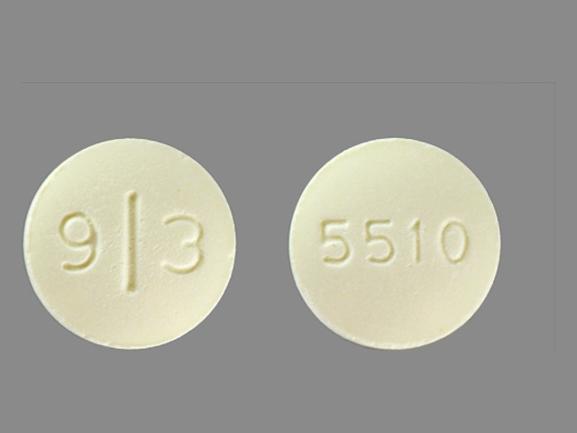
Mercaptopurine Side Effects
Medically reviewed by Drugs.com. Last updated on Jul 23, 2024.
Applies to mercaptopurine: oral suspension, oral tablet.
Serious side effects of mercaptopurine
Along with its needed effects, mercaptopurine may cause some unwanted effects. Although not all of these side effects may occur, if they do occur they may need medical attention.
Check with your doctor immediately if any of the following side effects occur while taking mercaptopurine:
More common
- black, tarry stools
- bleeding gums
- clay colored stools
- cough or hoarseness
- dark urine
- decreased appetite
- fever or chills
- headache
- loss of appetite
- lower back or side pain
- nausea, vomiting
- painful or difficult urination
- pale skin
- pinpoint red spots on the skin
- rash, itchy skin
- stomach pain or tenderness
- swelling of the feet or lower legs
- trouble with breathing upon exertion
- unusual bleeding or bruising
- unusual tiredness or weakness
- yellow eyes or skin
Less common
- chest pain
- joint pain
- sore throat
- sores, ulcers, or white spots on the lips or in the mouth
- swollen glands
Incidence not known
- anxiety
- blurred vision
- cold sweats
- coma
- confusion
- constipation
- depression
- diarrhea
- dizziness
- fast heartbeat
- heartburn
- increased hunger
- increased sensitivity of the skin to sunlight
- indigestion
- joint pain, stiffness, or swelling
- nervousness
- nightmares
- redness or other discoloration of the skin
- seizures
- severe sunburn
- shakiness
- slurred speech
- stomach cramping or burning
- vomiting of blood or material that looks like coffee grounds
Other side effects of mercaptopurine
Some side effects of mercaptopurine may occur that usually do not need medical attention. These side effects may go away during treatment as your body adjusts to the medicine. Also, your health care professional may be able to tell you about ways to prevent or reduce some of these side effects.
Check with your health care professional if any of the following side effects continue or are bothersome or if you have any questions about them:
Less common
- darkening of the skin
Incidence not known
- hair loss or thinning of the hair
- low sperm count
For healthcare professionals
Applies to mercaptopurine: oral suspension, oral tablet.
Hematologic
- Very common (10% or more): Bone marrow suppression (e.g., anemia, leukopenia, thrombocytopenia) (more than 20%)[Ref]
Renal
- Frequency not reported: Hyperuricemia[Ref]
Gastrointestinal
- Common (1% to 10%): Stomatitis, diarrhea, vomiting, nausea
- Uncommon (0.1% to 1%): Pancreatitis, oral ulceration
- Very rare (less than 0.01%): Intestinal ulceration[Ref]
Hepatic
- Common (1% to 10%): Biliary stasis, hepatotoxicity
- Uncommon (0.1% to 1%): Hepatic necrosis
- Frequency not reported: Hepatotoxicity[Ref]
Dermatologic
- Uncommon (0.1% to 1%): Skin rash
- Rare (less than 0.1%): Facial edema, alopecia
- Frequency not reported: Photosensitivity reaction[Ref]
Genitourinary
- Rare (less than 0.1%): Transient oligospermia[Ref]
Other
- Frequency not reported: Fetotoxicity[Ref]
Oncologic
- Rare (0.01% to 0.1%): Neoplasms including lymphoproliferative disorders, skin cancers (melanomas and non-melanomas), sarcomas (Kaposi's and non-Kaposi's), uterine cervical cancer in situ
- Very rare (less than 0.01%): Secondary leukemia, myelodysplasia
- Frequency not reported: Hepatosplenic T-cell lymphoma[Ref]
Immunologic
- Uncommon (0.1% to 1%): Bacterial and viral infections, infections associated with neutropenia, drug fever
- Frequency not reported: Immunosuppression, macrophage activation syndrome[Ref]
Metabolic
- Common (1% to 10%): Anorexia
- Frequency not reported: Hypoglycemia In patients with inflammatory bowel disease (IBD) (IBD is not an approved indication of this drug)[Ref]
Nervous system
- Uncommon (0.1% to 1%): Arthralgia[Ref]
Cardiovascular
- Postmarketing reports: Portal hypertension[Ref]
References
1. (2019) "Product Information. Purixan (mercaptopurine)." AnovoRx Distribution
2. (2019) "Product Information. Mercaptopurine (mercaptopurine)." Mylan Pharmaceuticals Inc
More about mercaptopurine
- Check interactions
- Compare alternatives
- Pricing & coupons
- Reviews (31)
- Drug images
- Latest FDA alerts (3)
- Dosage information
- During pregnancy
- Drug class: antimetabolites
- Breastfeeding
- En español
Patient resources
- Mercaptopurine drug information
- Mercaptopurine (Advanced Reading)
- Mercaptopurine Tablets
- Mercaptopurine Suspension
Other brands
Professional resources
Other brands
Related treatment guides
Further information
Mercaptopurine side effects can vary depending on the individual. Always consult your healthcare provider to ensure the information displayed on this page applies to your personal circumstances.
Some side effects may not be reported. You may report them to the FDA.