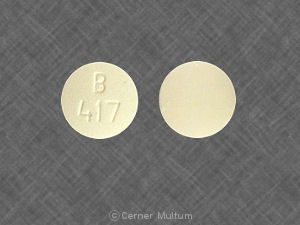
Mephobarbital Side Effects
Applies to mephobarbital: oral tablet.
Important warnings
This medicine can cause some serious health issues
Do not take this medication if you are allergic to mephobarbital or to other barbiturates such as amobarbital (Amytal), butabarbital (Butisol), secobarbital (Seconal), or phenobarbital (Luminal, Solfoton).
Before taking mephobarbital, tell your doctor if you have liver or kidney disease, anemia, heart disease, asthma or other breathing disorder, or a history of depression, mental illness, suicide attempt, or drug/alcohol addiction.
Do not use mephobarbital without telling your doctor if you are pregnant.
It could cause harm to the unborn baby. Use an effective form of birth control, and tell your doctor if you become pregnant during treatment.
Mephobarbital can make birth control pills less effective. Ask your doctor about using a non-hormone method of birth control (such as a condom, diaphragm, spermicide) to prevent pregnancy while taking mephobarbital.
Mephobarbital may be habit-forming and should be used only by the person it was prescribed for. Mephobarbital should never be shared with another person, especially someone who has a history of drug abuse or addiction. Keep the medication in a secure place where others cannot get to it.
Get emergency medical help if you have any of these signs of an allergic reaction while taking mephobarbital: hives; difficulty breathing; swelling of your face, lips, tongue, or throat.
Call your doctor at once if you have any of these serious side effects:
-
confusion, hallucinations;
-
slow heart rate; or
-
feeling like you might pass out.
Less serious side effects of mephobarbital may include:
This is not a complete list of side effects and others may occur. Call your doctor for medical advice about side effects.
For healthcare professionals
Applies to mephobarbital: oral tablet.
General
General side effects including fever have been reported to occur with chronic use in less than 1% of treated patients.[Ref]
Respiratory
Respiratory side effects including hypoventilation and apnea have been reported to occur in less than 1% of treated patients.[Ref]
Cardiovascular
Cardiovascular side effects including bradycardia, hypotension, and syncope have been reported to occur in less than 1% of treated patients.[Ref]
Gastrointestinal
Gastrointestinal side effects including nausea, vomiting, and constipation have been reported to occur in less than 1% of treated patients.[Ref]
Hypersensitivity
Hypersensitivity side effects including angioedema, skin rashes, and exfoliative dermatitis have been reported to occur with chronic use in less than 1% of treated patients.[Ref]
Nervous system
Nervous system side effects including primarily somnolence (1% to 3%) have been reported. Agitation, confusion, hyperkinesia, ataxia, CNS depression, nightmares, nervousness, psychiatric disturbance, hallucination, insomnia, anxiety, dizziness, and abnormal thinking have all been reported to occur in less than 1% of treated patients. Headache has been reported with chronic use.[Ref]
Hepatic
Hepatic side effects including liver damage have been reported to occur with chronic use in less than 1% of treated patients.[Ref]
Hematologic
Hematologic side effects including megaloblastic anemia have been reported to occur with chronic use in less than 1% of treated patients.[Ref]
References
1. (2001) "Product Information. Mebaral (mephobarbital)." Sanofi Winthrop Pharmaceuticals
More about mephobarbital
- Check interactions
- Compare alternatives
- Reviews (4)
- Drug images
- Dosage information
- During pregnancy
- Drug class: barbiturate anticonvulsants
Professional resources
Other brands
Related treatment guides
Further information
Mephobarbital side effects can vary depending on the individual. Always consult your healthcare provider to ensure the information displayed on this page applies to your personal circumstances.
Some side effects may not be reported. You may report them to the FDA.