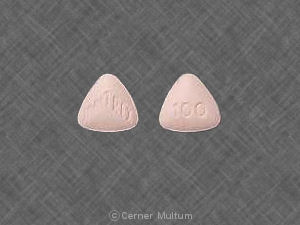
Imitrex Side Effects
Generic name: sumatriptan
Medically reviewed by Drugs.com. Last updated on Aug 10, 2024.
Note: This document provides detailed information about Imitrex Side Effects associated with sumatriptan. Some dosage forms listed on this page may not apply specifically to the brand name Imitrex.
Applies to sumatriptan: oral tablet.
Other dosage forms:
Serious side effects of Imitrex
Along with its needed effects, sumatriptan (the active ingredient contained in Imitrex) may cause some unwanted effects. Although not all of these side effects may occur, if they do occur they may need medical attention.
Check with your doctor immediately if any of the following side effects occur while taking sumatriptan:
Less common
- abdominal or stomach pain
- anxiety
- blurred vision
- changes in patterns and rhythms of speech
- chest pain or tightness
- chills
- confusion
- dizziness
- fast, slow, irregular, pounding, or racing heartbeat or pulse
- headache
- muscle cramps and stiffness
- neck, throat, or jaw pain
- nightmares
- shivering
- sweating
- swelling of the fingers, hands, feet, or lower legs
- tightness in the chest
- trouble breathing
Rare
- blindness
- chest pain or discomfort
- chest tightness or heaviness
- flushing or redness of the skin, especially on the face and neck
- increased blinking or spasms of the eyelid
- itching, pain, redness, or swelling
- lightheadedness, dizziness, or fainting
- nerve pain
- severe numbness, especially on one side of the face or body
- severe or continuing stomach pain
- trouble speaking or swallowing
- twitching
- unusual bleeding or bruising
- vomiting of blood or material that looks like coffee grounds
- weakness of the arms and legs
Incidence not known
- agitation
- back, leg, or stomach pains
- bleeding gums
- changes in vision
- muscle twitching
- pinpoint red spots on the skin
- poor coordination
- puffiness or swelling of the eyelids or around the eyes, face, lips, or tongue
- restlessness
- skin rash, hives, or itching
- unexplained bleeding or bruising
- unusually warm skin
- weakness in the arm or leg on one side of the body, sudden and severe
Other side effects of Imitrex
Some side effects of sumatriptan may occur that usually do not need medical attention. These side effects may go away during treatment as your body adjusts to the medicine. Also, your health care professional may be able to tell you about ways to prevent or reduce some of these side effects.
Check with your health care professional if any of the following side effects continue or are bothersome or if you have any questions about them:
Less common
- burning, crawling, itching, numbness, prickling, "pins and needles", or tingling feelings
- change in color vision
- change in hearing
- difficulty with concentrating
- drowsiness
- heartburn
- increased sensitivity of the eyes to sunlight
- joint pain
- muscle aching or cramping
- muscle stiffness or tightness
- swollen joints
- trouble sleeping
Rare
- aggressiveness
- belching
- change in taste
- feeling halos around lights
- increased sensitivity to pain
- loss of appetite
- numbness, pain, tingling, or weakness
- stomach discomfort or upset
- tingling in the hands and feet
- tunnel vision
- weakness
For healthcare professionals
Applies to sumatriptan: nasal capsule, nasal spray, oral tablet, subcutaneous kit, subcutaneous solution, transdermal film extended release.
General
The more commonly observed adverse reactions have included those of pressure sensation, flushing, tingling, dizziness/vertigo, warm/hot sensation, burning sensation, flushing, and numbness; formulation specific events including injection site reactions, application site pain, and nasal discomfort have been reported.[Ref]
Cardiovascular
- Common (1% to 10%): Chest pain/tightness/pressure and/or heaviness, flushing, neck/throat/jaw pain/tightness/pressure, transient increases in blood pressure (arising soon after treatment)
- Uncommon (0.1% to 1%): Bradycardia, hypertension, hypotension, palpitations, pulsating sensations, tachycardia, various transient ECG changes (nonspecific ST or T-wave changes, prolongation of PR or QTc intervals, sinus arrhythmia, nonsustained ventricular premature beats, isolated junctional ectopic beats, atrial ectopic beats, delayed activation of the right ventricle)
- Rare (less than 0.1%): Abnormal pulse, arrhythmia, pallor, Raynaud's phenomenon, vasodilation
- Frequency not reported: Abdominal aortic aneurysm, angina, atherosclerosis, cerebrovascular lesion, coronary artery vasospasm, edema, heart block, peripheral cyanosis, phlebitis, thrombosis, transient myocardial ischemia
- Postmarketing reports: Cyanosis, hypotension, myocardial infarction, palpitations[Ref]
Life-threatening disturbances of cardiac rhythm, such as ventricular tachycardia and ventricular fibrillation leading to death, and rare reports of acute myocardial infarction, have been reported within a few hours after administration of 5-HT1 agonists.
Chest discomfort is usually noncardiac in origin. A survey of 453 migraine patients found chest symptoms occurred in up to 58% of patients in at least some attacks and in up to 42% of patients in all attacks.
One study of 735 consecutive migraine patients reported that chest symptoms are frequent, but rarely important adverse effects of (primarily subcutaneous) sumatriptan (the active ingredient contained in Imitrex) The risk of chest symptoms was reported to be patient dependent and not related, even opposite, to cardiovascular disease. This report contradicts the hypothesis that chest symptoms after sumatriptan are caused by cardiac ischemia.
Another study of 125 patients concluded that panic-like symptoms may explain the chest pain and related side effects after sumatriptan administration in patients with high levels of anxiety.[Ref]
Nervous system
- Very common (10% or more): Dizziness (10%), abnormal taste (20%; nasal powder)
- Common (1% to 10%): Bad/unusual taste, drowsiness/sedation, dystonia, headache, hypoesthesia, paraesthesia (all types), tremor
- Uncommon (0.1% to 1%): Syncope
- Rare (less than 0.1%): Difficulties in concentration, disturbances of smell, dysarthria, dysesthesia, hyperesthesia, monoplegia/diplegia, myoclonia, transient hemiplegia
- Frequency not reported: Bradylogia, cerebral ischemia, cerebrovascular lesion, cluster headache, convulsions, facial paralysis, incoordination, increased alertness, memory disturbance, migraine, motor dysfunction, neuralgia, nystagmus, paralysis, radiculopathy, raised intracranial pressure, seizures, speech disturbance
- Postmarketing reports: Central nervous system vasculitis, cerebellar infarction, cerebrovascular accident, subarachnoid hemorrhage, serotonin syndrome, temporal arteritis[Ref]
Cerebral hemorrhage, subarachnoid hemorrhage, and stroke have occurred with 5-HT1 treatment; some have resulted in fatalities. One case of sumatriptan-induced cortical stroke has been reported in a patient with sagittal sinus thrombosis. In some cases, it appears possible that the cerebrovascular events were primary, and the 5-HT1 agonist administered in the belief that presenting symptoms were due to migraine when they were not. Patients with migraine may also be at an increased risk of certain cerebrovascular events such as stroke, hemorrhage, and transient ischemic attacks.
Medication overuse headache may present as migraine-like headaches or as a marked increase in frequency of migraine attacks.
Serotonin syndrome is characterized by mental status changes (e.g., agitation, hallucinations, coma), autonomic instability (e.g., tachycardia, labile blood pressure, hyperthermia), neuromuscular aberrations (e.g., hyperreflexia, incoordination), and/or gastrointestinal symptoms (e.g., nausea, vomiting, diarrhea). The onset of symptoms generally occurs within minutes to hours of receiving a new or a greater dose of a serotoninergic medications.
Seizures have been reported in patients with either a history of seizures or concurrent conditions predisposing to seizures and also in patients where no such predisposing factors are apparent.[Ref]
Gastrointestinal
- Common (1% to 10%): Abdominal discomfort, dysphagia, nausea and/or vomiting
- Uncommon (0.1% to 1%): Diarrhea, gastroesophageal reflux
- Rare (less than 0.1%): Flatulence/eructation, gallstones, peptic ulcer, retching
- Frequency not reported: Abdominal distention, colitis, constipation, dental pain, disorder of mouth and tongue (e.g., burning of tongue, numbness of tongue, dry mouth), dyspeptic symptoms, feelings of gastrointestinal pressure, gastritis, gastroenteritis, gastrointestinal bleeding, gastrointestinal pain, hematemesis, hypersalivation, hyposalivation, intestinal obstruction, ischemic colitis, melena, oral itching and irritation, pancreatitis, salivary gland swelling, swallowing disorders[Ref]
It is unclear whether the nausea and vomiting is related to sumatriptan (the active ingredient contained in Imitrex) therapy or to the underlying condition.
One report has suggested that "throat tightness" and chest pain associated with sumatriptan may sometimes be attributable to changes in esophageal motility.[Ref]
Other
- Very common (10% or more): Atypical sensations such as tingling, warm or hot sensations, vertigo
- Common (1% to 10%): Atypical sensations such as burning sensation, chills, facial pain, fatigue, feeling of pressure, feeling strange, jaw discomfort, malaise, neck pain/stiffness, numbness, pain and other pressure sensations, pain where the location is specified, prickling sensations, stinging sensations, sensation of lightness, tight feeling in head, tightness or heaviness, weakness
- Rare (less than 0.1%): Fever, intoxication, simultaneous hot and cold sensations, swelling of the extremities, tickling sensations
- Frequency not reported: Abortion, contusions, ear infection, ear, nose, and throat hemorrhage, external otitis, feeling of fullness in the ear(s), hearing disturbances, hearing loss, Meniere's disease, otalgia, overdose, photophobia, sensitivity to noise, swelling of face, tinnitus
- Postmarketing reports: Deafness[Ref]
Dermatologic
- Very common (10% or more): Application site pain (26%; transdermal patch)
- Common (1% to 10%): Sweating, allergic contact dermatitis and application site paresthesia/pruritus/warmth/discomfort/irritation/site discoloration (transdermal patch)
- Uncommon (0.1% to 1%): Eruptions, erythema, pruritus, skin rashes
- Rare (less than 0.1%): Skin tenderness
- Frequency not reported: Dry/scaly skin, eczema, hematoma, hyperhidrosis, seborrheic dermatitis, skin nodules, tightness of skin, wrinkling of skin
- Postmarketing reports: Allergic vasculitis, angioedema, exacerbation of sunburn, photosensitivity, urticaria, burns scars, severe redness, pain, skin discoloration, blistering and cracked skin with the iontophoretic transdermal system[Ref]
Burns and scars have been reported on the skin where the transdermal iontophoretic transdermal system has been worn. These reports describe severe redness, pain, skin discoloration, blistering, and cracked skin. On June 13, 2016, the manufacturer of the patch suspended sales and distribution of the patch to investigate the cause of these reports.[Ref]
Endocrine
- Frequency not reported: Elevated thyrotropin stimulating hormone (TSH) levels, endocrine cysts, lumps, and masses, hypothyroidism[Ref]
Genitourinary
- Rare (less than 0.1%): Dysmenorrhea, dysuria
- Frequency not reported: Abnormal menstrual cycle, bladder inflammation, breast swelling, breast tenderness, cysts, disorder of breasts, endometriosis, galactorrhea, hematuria, increased urination, inflammation of fallopian tubes, intermenstrual bleeding, lumps, masses of breasts, menstruation symptoms, micturition disorders, nipple discharge, urethritis, urinary infections[Ref]
Hematologic
- Frequency not reported: Anemia, lymphadenopathy
- Postmarketing reports: Hemolytic anemia, pancytopenia, thrombocytopenia[Ref]
Hepatic
- Uncommon (0.1% to 1%): Minor disturbances in liver function tests[Ref]
Hypersensitivity
- Frequency not reported: Hypersensitivity reactions ranging from cutaneous hypersensitivity to anaphylaxis[Ref]
Immunologic
- Rare (less than 0.1%): Influenza
- Frequency not reported: Herpes[Ref]
Local
- Very common (10% or more): Injection site reaction
- Common (1% to 10%): Burning sensation (nasal administration)
- Frequency not reported: Injection site stinging/burning, swelling, erythema, bruising, and bleeding
Postmarketing reports:
Following subcutaneous administration: Contusion, induration, lipoatrophy, lipohypertrophy, pain, redness, stinging, subcutaneous bleeding, swelling[Ref]
Local irritative symptoms were reported in clinical trials with sumatriptan nasal spray in approximately 5% of patients, and were severe in about 1% of cases. Symptoms were noted as being transient and generally resolved in less than 2 hours.[Ref]
Metabolic
- Uncommon (0.1% to 1%): Thirst
- Rare (less than 0.1%): Dehydration, hunger, polydipsia, reduced appetite
- Frequency not reported: Fluid disturbances, fluid retention, hyperglycemia, hypoglycemia, weight gain, weight loss[Ref]
Musculoskeletal
- Common (1% to 10%): Muscle cramps, myalgia
- Uncommon (0.1% to 1%): Joint disturbances (pain, stiffness, swelling, ache)
- Rare (less than 0.1%): Backache, muscle stiffness, muscle tiredness, need to flex calf muscles
- Frequency not reported: Acquired musculoskeletal deformity, arthralgia, arthritis, articular rheumatitis, difficulty in walking, intervertebral disc disorder, muscle atrophy, muscle tightness and rigidity, musculoskeletal inflammation, rigidity, tetany, twitching[Ref]
Ocular
- Common (1% to 10%): Vision alterations
- Uncommon (0.1% to 1%): Irritation of the eye, lacrimation, photophobia
- Frequency not reported: Accommodation disorders, blindness, conjunctivitis, diplopia. disorders of sclera, low vision, eye edema and swelling, eye hemorrhage, eye itching, eye pain, external ocular muscle disorders, flickering, keratitis, mydriasis, scotoma, visual disturbances
- Postmarketing reports: Ischaemic optic neuropathy, retinal artery occlusion, retinal vein thrombosis[Ref]
Loss of vision included reports of permanent defects. Causality has not been established as visual disorders may occur during a migraine attack itself.[Ref]
Oncologic
- Frequency not reported: Neoplasm of pituitary, primary malignant breast neoplasm[Ref]
Psychiatric
- Common (1% to 10%): Anxiety
- Uncommon (0.1% to 1%): Agitation, euphoria, mental confusion, relaxation
- Rare (less than 0.1%): Depression, globus hystericus, hysteria, sleep disturbance
- Frequency not reported: Aggressiveness, apathy, depressive disorders, detachment, disturbance of emotions, drug abuse, hallucinations, neurotic disorders, personality change, phobia, psychomotor disorders, stress, suicide[Ref]
Renal
- Rare (less than 0.1%): Renal calculus
- Postmarketing reports: Acute renal failure[Ref]
Respiratory
- Very common (10% or more): Nasal discomfort (up to 11%; nasal powder)
- Common (1% to 10%): Bronchospasm, disorder/discomfort of nasal cavity/sinuses (nasal administration, subcutaneous administration), dyspnea, throat discomfort (nasal administration); rhinitis (nasal administration), rhinorrhea (nasal administration)
- Rare (less than 0.1%): Diseases of the lower respiratory tract, hiccoughs, yawning
- Frequency not reported: Allergic rhinitis, asthma, breathing disorder, bronchitis, cough, nasal inflammation, sinusitis, upper respiratory tract inflammation, voice disturbances
- Postmarketing reports: Shortness of breath (as part of hypersensitivity reaction)[Ref]
The consequences of repeated and prolonged use of the nasal spray on nasal and/or respiratory mucosa have not been established.[Ref]
References
1. Welch KM (1993) "Drug therapy of migraine." N Engl J Med, 329, p. 1476-83
2. (1991) "Treatment of migraine attacks with sumatriptan. the subcutaneous sumatriptan international study group." N Engl J Med, 325, p. 316-21
3. (2001) "Product Information. Imitrex (sumatriptan)." Glaxo Wellcome
4. Schoenen J, Bulcke J, Caekebeke J, Dehaene I, Dekeyser J, Hildebrand G, Joffroy A, Laloux P, Louis P, Monseu G, Pierre P, Vander (1994) "Self-treatment of acute migraine with subcutaneous sumatriptan using an auto-injector device - comparison with customary treatment in an open, longitudinal study." Cephalalgia, 14, p. 55-63
5. Boyd IW, Rohan AP (1994) "Sumatriptan-induced chest pain." Lancet, 344, p. 1704-5
6. (1995) "Drugs for migraine." Med Lett Drugs Ther, 37, p. 17-20
7. (2022) "Product Information. Imitrex Nasal (SUMAtriptan)." Glaxo Wellcome
8. Cerner Multum, Inc. "Australian Product Information."
9. (2014) "Product Information. Alsuma (sumatriptan)." Pfizer U.S. Pharmaceuticals Group
10. (2014) "Product Information. SUMAtriptan Succinate (sumatriptan)." Bedford Laboratories
11. (2016) "Product Information. Zecuity (sumatriptan)." Teva Pharmaceuticals USA
12. (2016) "Product Information. Onzetra Xsail (sumatriptan)." Avanir Pharmaceuticals, Inc
13. Willett F, Curzen N, Adams J, Armitage M (1992) "Coronary vasospasm induced by subcutaneous sumatriptan." BMJ, 304, p. 1415
14. Ottervanger JP, van Witsen TB, Valkenburg HA, Stricker BH (1993) "Postmarketing study of cardiovascular adverse reactions associated with sumatriptan." BMJ, 307, p. 1185
15. Curtin T, Brooks AP, Roberts JA (1992) "Cardiorespiratory distress after sumatriptan given by injection." BMJ, 305, d713-4
16. Ottervanger JP, Paalman HJ, Boxma GL, Stricker BH (1993) "Transmural myocardial infarction with sumatriptan." Lancet, 341, p. 861-2
17. MacLean MR, Smith GC, Templeton AG (1993) "Adverse reactions associated with sumatriptan." Lancet, 341, p. 1092
18. Ottervanger JP, Vanwitsen TB, Valkenburg HA, Grobbee DE, Stricker BHC (1994) "Adverse reactions attributed to sumatriptan - a postmarketing study in general practice." Eur J Clin Pharmacol, 47, p. 305-9
19. Dachs R, Vitillo J (1995) "Angioedema associated with sumatriptan administration." Am J Med, 99, p. 684-5
20. Mueller L, Gallagher RM, Ciervo CA (1996) "Vasospasm-induced myocardial infarction with sumatriptan." Headache, 36, p. 329-31
21. Visser WH, Devriend RHM, Jaspers NMWH, Ferrari MD (1996) "Sumatriptan in clinical practice: a 2-year review of 453 migraine patients." Neurology, 47, p. 46-51
22. Visser WH, Jaspers NMWH, Devriend RHM, Ferrari MD (1996) "Chest symptoms after sumatriptan: a two-year clinical practice review in 735 consecutive migraine patients." Cephalalgia, 16, p. 554-9
23. Morgan DR, Trimble M, McVeigh GE (2000) "Atrial fibrillation associated with sumatriptan." Br Med J, 321, p. 275
24. Luman W, Gray RS (1993) "Adverse reactions associated with sumatriptan." Lancet, 341, p. 1091-2
25. Cavazos JE, Caress JB, Chilukuri VR, Devlin T, Gray L, Hurwitz BJ (1994) "Sumatriptan-induced stroke in sagittal sinus thrombosis." Lancet, 343, p. 1105-6
26. Loi V, Lai M, Pisano MR, Delzompo M (1996) "Sumatriptan and panic-like symptoms." Am J Psychiatry, 153, p. 1505
27. Lopezalemany M, Ferrertuset C, Bernaceralpera B (1997) "Akathisia and acute dystonia induced by sumatriptan." J Neurol, 244, p. 131-2
28. Spierings EL (2001) "Intracranial hemorrhages associated with sumatriptan." Neurology, 57, p. 2322
29. Doctor's Guide to Medical & Other News (2001) AAN meeting: sumatriptan linked to life-threatening intestinal condition. http://www.pslgroup.com/dg/f9902.htm
30. (2022) "Product Information. Imitrex (SUMAtriptan)." GlaxoSmithKline
31. US Food and Drug Administration (2016) FDA Drug Safety Communication: FDA evaluating the risk of burns and scars with Zecuity (sumatriptan) migraine patch. http://www.fda.gov/Drugs/DrugSafety/ucm504588.htm
32. US Food and Drug Administration (2016) Zecuity (sumatriptan) Migraine Patch: Drug Safety Communication - FDA Evaluating Risk of Burns and Scars. http://www.fda.gov/Safety/MedWatch/SafetyInformation/SafetyAlertsforHumanMedicalProducts/ucm504736.htm
33. Franceschini R, Cataldi A, Garibaldi A, Cianciosi P, Scordamaglia A, Barreca T, Rolandi E (1994) "The effects of sumatriptan on pituitary secretion in man." Neuropharmacology, 33, p. 235-9
34. (1991) "Treatment of acute cluster headache with sumatriptan. the sumatriptan cluster headache study group." N Engl J Med, 325, p. 322-6
35. Chiari M, Manzoni GC, Vandegeijn EJ (1994) "Ischemic optic neuropathy after sumatriptan in a migraine with aura patient." Headache, 34, p. 237-8
Frequently asked questions
- Ubrelvy vs Imitrex (sumatriptan): How do they compare?
- How long does Imitrex (sumatriptan) take to work?
- How often can you take Imitrex (sumatriptan)?
- Why does Imitrex (sumatriptan) make me feel weird?
- Can Imitrex (sumatriptan) cause rebound headaches?
- What are the brands of sumatriptan?
- What are the new drugs for the treatment of migraines?
More about Imitrex (sumatriptan)
- Check interactions
- Compare alternatives
- Pricing & coupons
- Reviews (205)
- Drug images
- Dosage information
- During pregnancy
- Generic availability
- Support group
- Drug class: antimigraine agents
- Breastfeeding
Patient resources
- Imitrex drug information
- Imitrex (Sumatriptan Injection)
- Imitrex (Sumatriptan Nasal Spray)
- Imitrex (Sumatriptan Tablets)
Other brands
Sumavel DosePro, Tosymra, Onzetra Xsail, Alsuma, ... +2 more
Professional resources
Other brands
Sumavel DosePro, Tosymra, Onzetra Xsail, Zecuity, Zembrace SymTouch
Other formulations
Related treatment guides
Further information
Imitrex side effects can vary depending on the individual. Always consult your healthcare provider to ensure the information displayed on this page applies to your personal circumstances.
Some side effects may not be reported. You may report them to the FDA.