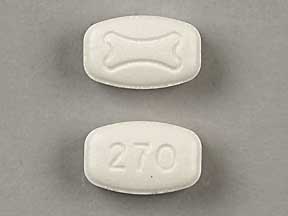
Fosamax Plus D Side Effects

Please note - some side effects for Fosamax Plus D may not be reported. Always consult your doctor or healthcare specialist for medical advice. You may also report side effects to the FDA.

Side Effects of Fosamax Plus D - for the Consumer

Fosamax Plus D

All medicines may cause side effects, but many people have no, or minor, side effects. Check with your doctor if any of these most COMMON side effects persist or become bothersome when using Fosamax Plus D:

Constipation; diarrhea; dizziness; feeling bloated or full; flu-like symptoms at the start of treatment; gas; headache; mild back, muscle, or joint pain; mild stomach pain or upset; nausea; taste changes; vomiting.

Seek medical attention right away if any of these SEVERE side effects occur when using Fosamax Plus D:

Severe allergic reactions (rash; hives; itching; difficulty breathing; tightness in the chest; swelling of the mouth, face, lips, throat, or tongue); black, tarry, or bloody stools; chest pain; coughing or vomiting blood; difficult or painful swallowing; mouth sores; new, worsening, or persistent heartburn; red, swollen, blistered, or peeling skin; severe bone, muscle, or joint pain (especially in the hip, groin, or thigh); severe or persistent sore throat or stomach pain; swelling of the hands, legs, or joints; swelling or pain in the jaw; symptoms of low blood calcium (eg, spasms, twitches, or cramps in your muscles; numbness or tingling in your fingers, toes, or around your mouth).

This is not a complete list of all side effects that may occur. If you have questions about side effects, contact your health care provider. Call your doctor for medical advice about side effects. To report side effects to the appropriate agency, please read the Guide to Reporting Problems to FDA.

Top

Fosamax Plus D Side Effects - for the Professional

Fosamax Plus D

Clinical Trials Experience

Because clinical trials are conducted under widely varying conditions, adverse reaction rates observed in the clinical trials of a drug cannot be directly compared to rates in the clinical trials of another drug and may not reflect the rates observed in practice.

FOSAMAX

FOSAMAX has been evaluated for safety in approximately 8000 postmenopausal women in clinical studies.

Postmenopausal Women

FOSAMAX daily

In two identically designed, three-year, placebo-controlled, double-blind, multicenter studies (United States and Multinational; n=994), discontinuation of therapy due to any clinical adverse experience occurred in 4.1% of 196 patients treated with FOSAMAX 10 mg/day and 6.0% of 397 patients treated with placebo. In the Fracture Intervention Trial (n=6459), discontinuation of therapy due to any clinical adverse experience occurred in 9.1% of 3236 patients treated with FOSAMAX 5 mg/day for 2 years and 10 mg/day for either one or two additional years and 10.1% of 3223 patients treated with placebo. Discontinuations due to upper gastrointestinal adverse experiences were: FOSAMAX, 3.2%; placebo, 2.7%. In these study populations, 49-54% had a history of gastrointestinal disorders at baseline and 54-89% used nonsteroidal anti-inflammatory drugs or aspirin at some time during the studies. Adverse experiences from these studies considered by the investigators as possibly, probably, or definitely drug related in ≥1% of patients treated with either FOSAMAX or placebo are presented in Table 1.

Table 1: Osteoporosis Treatment Studies in Postmenopausal Women: Adverse Experiences Considered Possibly, Probably, or Definitely Drug Related by the Investigators and Reported in ≥1% of Patients
United States/Multinational Studies Fracture Intervention Trial
FOSAMAX*
%
(n=196)
Placebo
%
(n=397)
FOSAMAX
%
(n=3236)
Placebo
%
(n=3223)
*
10 mg/day for three years
5 mg/day for 2 years and 10 mg/day for either 1 or 2 additional years
Gastrointestinal
    abdominal pain
    nausea
    dyspepsia
    constipation
    diarrhea
    flatulence
    acid regurgitation
    esophageal ulcer
    vomiting
    dysphagia
    abdominal distention
    gastritis

6.6
3.6
3.6
3.1
3.1
2.6
2.0
1.5
1.0
1.0
1.0
0.5

4.8
4.0
3.5
1.8
1.8
0.5
4.3
0.0
1.5
0.0
0.8
1.3

1.5
1.1
1.1
0.0
0.6
0.2
1.1
0.1
0.2
0.1
0.0
0.6

1.5
1.5
1.2
0.2
0.3
0.3
0.9
0.1
0.3
0.1
0.0
0.7
Musculoskeletal
    musculoskeletal (bone,        muscle or joint) pain
    muscle cramp


4.1
0.0


2.5
1.0


0.4
0.2


0.3
0.1
Nervous System/Psychiatric
    headache
    dizziness

2.6
0.0

1.5
1.0

0.2
0.0

0.2
0.1
Special Senses
    taste perversion

0.5

1.0

0.1

0.0

Rarely, rash and erythema have occurred.

The adverse experience profile was similar for the 401 patients treated with either 5- or 20-mg doses of FOSAMAX in the United States and Multinational studies. The adverse experience profile for the 296 patients who received continued treatment with either 5- or 10-mg doses of FOSAMAX in the two-year extension of these studies (treatment years 4 and 5) was similar to that observed during the three-year placebo-controlled period. During the extension period, of the 151 patients treated with FOSAMAX 10 mg/day, the proportion of patients who discontinued therapy due to any clinical adverse experience was similar to that during the first three years of the study.

FOSAMAX Once-Weekly

In a one-year, double-blind, multicenter study, the overall safety and tolerability profiles of once weekly FOSAMAX 70 mg and FOSAMAX 10 mg daily were similar. The adverse experiences considered by the investigators as possibly, probably, or definitely drug related in ≥1% of patients in either treatment group are presented in Table 2.

Table 2: Osteoporosis Treatment Studies in Postmenopausal Women: Adverse Experiences Considered Possibly, Probably, or Definitely Drug Related by the Investigators and Reported in ≥1% of Patients
Once Weekly FOSAMAX
70 mg
%
(n=519)
FOSAMAX
10 mg/day
%
(n=370)
Gastrointestinal 
    abdominal pain 
    dyspepsia 
    acid regurgitation
    nausea
    abdominal distention
    constipation
    flatulence
    gastritis
    gastric ulcer

3.7
2.7
1.9
1.9
1.0
0.8
0.4
0.2
0.0

3.0
2.2
2.4
2.4
1.4
1.6
1.6
1.1
1.1
Musculoskeletal
    musculoskeletal (bone, muscle, joint) pain
    muscle cramp

2.9
0.2

3.2
1.1

Concomitant Use With Estrogen or Estrogen/Progestin Products

In two studies (of one and two years’ duration) of postmenopausal osteoporotic women (total: n=853), the safety and tolerability profile of combined treatment with FOSAMAX 10 mg once daily and estrogen ± progestin (n=354) was consistent with those of the individual treatments.

Men

In two placebo-controlled, double-blind, multicenter studies in men (a two-year study of FOSAMAX 10 mg/day and a one-year study of once weekly FOSAMAX 70 mg) the rates of discontinuation of therapy due to any clinical adverse experience were 2.7% for FOSAMAX 10 mg/day vs. 10.5% for placebo, and 6.4% for once weekly FOSAMAX 70 mg vs. 8.6% for placebo. The adverse experiences considered by the investigators as possibly, probably, or definitely drug related in ≥2% of patients treated with either FOSAMAX or placebo are presented in Table 3.

Table 3: Osteoporosis Studies in Men: Adverse Experiences Considered Possibly, Probably, or Definitely Drug Related by the Investigators and Reported in ≥2% of Patients
Two-year Study One-year Study

FOSAMAX 10 mg/day
%
(n=146)

Placebo
%
(n=95)
Once Weekly FOSAMAX 70 mg
%
(n=109)

Placebo
%
(n=58)
Gastrointestinal
    acid regurgitation
    flatulence
    gastroesophageal reflux disease
    dyspepsia
    diarrhea
    abdominal pain
    nausea

4.1
4.1
0.7
3.4
1.4
2.1
2.1

3.2
1.1
3.2
0.0
1.1
1.1
0.0

0.0
0.0
2.8
2.8
2.8
0.9
0.0

0.0
0.0
0.0
1.7
0.0
3.4
0.0

Laboratory Test Findings

In double-blind, multicenter, controlled studies, asymptomatic, mild, and transient decreases in serum calcium and phosphate were observed in approximately 18% and 10%, respectively, of patients taking FOSAMAX versus approximately 12% and 3% of those taking placebo. However, the incidences of decreases in serum calcium to <8.0 mg/dL (2.0 mM) and serum phosphate to ≤2.0 mg/dL (0.65 mM) were similar in both treatment groups.

Fosamax Plus D

In a fifteen-week double-blind, multinational study in osteoporotic postmenopausal women (n=682) and men (n=35), the safety profile of Fosamax Plus D (70 mg/2800 IU) was similar to that of FOSAMAX once weekly 70 mg. In the 24-week double-blind extension study in women (n=619) and men (n=33), the safety profile of Fosamax Plus D (70 mg/2800 IU) administered with an additional 2800 IU vitamin D3 was similar to that of Fosamax Plus D (70 mg/2800 IU).

Post-Marketing Experience

The following adverse reactions have been identified during post-approval use of FOSAMAX and Fosamax Plus D. Because these reactions are reported voluntarily from a population of uncertain size, it is not always possible to reliably estimate their frequency or establish a causal relationship to drug exposure.

Body as a Whole: hypersensitivity reactions including urticaria and rarely angioedema. Transient symptoms of myalgia, malaise, asthenia and rarely, fever have been reported with alendronate, typically in association with initiation of treatment. Rarely, symptomatic hypocalcemia has occurred, generally in association with predisposing conditions. Rarely, peripheral edema.

Gastrointestinal: esophagitis, esophageal erosions, esophageal ulcers, rarely esophageal stricture or perforation, and oropharyngeal ulceration. Gastric or duodenal ulcers, some severe and with complications have also been reported [see Dosage and Administration (2.3); Warnings and Precautions (5.1); Medication Guide].

Localized osteonecrosis of the jaw, generally associated with tooth extraction and/or local infection with delayed healing, has been reported rarely [see Warnings and Precautions (5.4)].

Musculoskeletal: bone, joint, and/or muscle pain, occasionally severe, and rarely incapacitating [see Warnings and Precautions (5.3)]; joint swelling; low-energy femoral shaft and subtrochanteric fractures [see Warnings and Precautions (5.5)].

Nervous System: dizziness and vertigo.

Skin: rash (occasionally with photosensitivity), pruritus, alopecia, rarely severe skin reactions, including Stevens-Johnson syndrome and toxic epidermal necrolysis.

Special Senses: rarely uveitis, scleritis or episcleritis.

Top

Side Effects by Body System - for Healthcare Professionals

Gastrointestinal

Gastrointestinal side effects have included abdominal pain, nausea, dyspepsia, constipation, melena, diarrhea, flatulence, acid regurgitation, esophagitis, esophageal erosion, esophageal ulcer, vomiting, dysphagia, abdominal distension, gastritis, gastroesophageal ulcer, duodenal ulcer, and gastric ulcer. Rarely, esophageal stricture or perforation has been reported.

Musculoskeletal

Musculoskeletal side effects have included muscle cramp and bone, muscle and/or joint pain which was occasionally severe and rarely incapacitating. Localized osteonecrosis of the jaw, generally associated with tooth extraction and/or local infection, often with delayed healing, has been reported rarely. Joint swelling has been reported in postmarketing experience. Also, low-energy femoral shaft and subtrochanteric fractures have been reported in postmarketing experience.

Nervous system

Nervous system side effects have included headache, dizziness, and taste perversion. Dizziness and vertigo have been reported in postmarketing experience.

Dermatologic

Dermatologic side effects have included rash (occasionally with photosensitivity), pruritus, rare severe skin reactions including Stevens-Johnson syndrome and toxic epidermal necrolysis.

Other

Other side effects have included uveitis, scleritis and episcleritis.

Hypersensitivity

Hypersensitivity side effects have included urticaria, and rarely angioedema.

General

General side effects have included transient symptoms of myalgia, malaise, and rarely fever. Asthenia and rare instances of peripheral edema have been reported in postmarketing experience.

Top

Disclaimer: Every effort has been made to ensure that the information provided is accurate, up-to-date, and complete, but no guarantee is made to that effect. In addition, the drug information contained herein may be time sensitive and should not be utilized as a reference resource beyond the date hereof. This information does not endorse drugs, diagnose patients, or recommend therapy. This drug information is a reference resource designed as supplement to, and not a substitute for, the expertise, skill , knowledge, and judgement of healthcare practitioners in patient care. The absence of a warning for a given drug or drug combination in no way should be construed to indicate that the drug of drug combination is safe, effective, or appropriate for any given patient. Drugs.com does not assume any responsibility for any aspect of healthcare administered with the aid of information provided. The information contained herein is not intended to cover all possible uses, directions, precautions, warnings, drug interactions, allergic reactions, or adverse effects. If you have questions about the drugs you are taking, check with your doctor, nurse, or pharmacist.

Did you find this page helpful? Yes No

(web1)