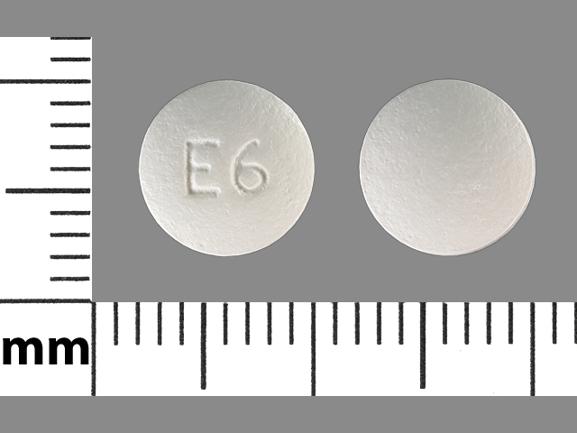
Ethambutol Side Effects
Please note - some side effects for Ethambutol may not be reported. Always consult your doctor or healthcare specialist for medical advice. You may also report side effects to the FDA at http://www.fda.gov/medwatch/ or 1-800-FDA-1088 (1-800-332-1088).
Side Effects of Ethambutol - for the Consumer
Ethambutol
All medicines may cause side effects, but many people have no, or minor, side effects. Check with your doctor if any of these most COMMON side effects persist or become bothersome when using Ethambutol:
Seek medical attention right away if any of these SEVERE side effects occur when using Ethambutol:Appetite loss; disorientation; dizziness; general body discomfort; headache; nausea; stomach upset or pain; vomiting.
TopSevere allergic reactions (rash; hives; itching; difficulty breathing; tightness in the chest; swelling of the mouth, face, lips, or tongue); chest pain or tightness; confusion; dark urine; easy bruising or bleeding; fever, chills, or sore throat; hallucinations; joint pain, swelling, or severe tenderness; lower back pain; numbness or tingling of the hands, legs, or feet; severe stomach pain; swollen glands in the neck or armpit; vision loss or other vision changes; yellowing of the skin or eyes.
Ethambutol Side Effects - for the Professional
Ethambutol
Ethambutol hydrochloride may produce decreases in visual acuity, including irreversible blindness, which appear to be due to optic neuritis. Optic neuropathy including optic neuritis or retrobulbar neuritis occurring in association with Ethambutol therapy may be characterized by one or more of the following events: decreased visual acuity, scotoma, color blindness, and/or visual defect. These events have also been reported in the absence ot a diagnosis of optic or retrobulbar neuritis.
Patients should be advised to report promptly to their physician any change of visual acuity.
The change in visual acuity may be unilateral or bilateral and hence each eye must be tested separately and both eyes tested together. Testing of visual acuity should be performed before beginning Ethambutol hydrochloride therapy and periodically during drug administration, except that it should be done monthly when a patient is on a dosage of more than 15 mg per kilogram per day. Snellen eye charts are recommended for testing of visual acuity. Studies have shown that there are definite fluctuations of one or two lines of the Snellen chart in the visual acuity of many tuberculous patients not receiving Ethambutol.
The following table may be useful in interpreting possible changes in visual acuity attributable to Ethambutol.
| Initial Snellen Reading |
Reading Indicating Significant Decrease |
Significant Number of Lines |
Decrease Number of Points |
| 20/13 | 20/25 | 3 | 12 |
| 20/15 | 20/25 | 2 | 10 |
| 20/20 | 20/30 | 2 | 10 |
| 20/25 | 20/40 | 2 | 15 |
| 20/30 | 20/50 | 2 | 20 |
| 20/40 | 20/70 | 2 | 30 |
| 20/50 | 20/70 | 1 | 20 |
In general, changes in visual acuity less than those indicated under "Significant Number of Lines" and "Decrease-Number of Points", may be due to chance variation, limitations of the testing method or physiologic variability. Conversely, changes in visual acuity egualing or exceeding those under "Significant Number of Lines" and "Decrease-Number of Points" indicate the need for retesting and careful evaluation of the patient's visual status. If careful evaluation confims the magnitude of visual change and fails to reveal another cause, Ethambutol should be discontinued and the patient reevaluated at frequent intervals. Progressive decreases in visual acuity during therapy must be considered to be due to Ethambutol.
If corrective glasses are used prior to treatment, these must be worn during visual acuity testing. During 1 to 2 years of therapy, a refractive error may develop which must be corrected in order to obtain accurate test results. Testing the visual acuity through a pinhole eliminates retractive error. Patients developing visual abnormality during Ethambutol treatment may show subjective visual symptoms before, or simultaneously with, the demonstration of decreases in visual acuity, and all patients receiving Ethambutol should be questioned periodically about blurred vision and other subjective eye symptoms.
Recovery of visual acuity generally occurs over a period of weeks to months after the drug has been discontinued. Some patients have received Ethambutol hydrochloride again after such recovery without recurrence of loss of visual acuity.
Other adverse reactions reported include: hypersensitivity, anaphylactic/anaphylactoid reactions, dermatitis, pruritus, and joint pain; anorexia, nausea, vomiting, gastrointestinal upset, and abdominal pain; fever, malaise, headache, and dizziness; mental confusion, disorientation, and possible hallucinations; thrombocytopenia, leukopenia, and neutropenia. Numbness and tingling of the extremities due to peripheral neuritis have been reported.
Elevated serum uric acid levels occur and precipitation of acute gout has been reported. Pulmonary infiltrates, with or without eosinophilia, also have been reported during Ethambutol hydrochloride therapy. Liver toxicities, including fatalities have been reported. Since Ethambutol hydrochloride is recommended for therapy in conjunction with one or more other antituberculous drugs, these changes may be related to the concurrent therapy.
Hypersensitivity syndrome consisting ot cutaneous reaction (such as rash or exfoliative dermatitis), eosinophilia, and one or more of the following: hepatitis, pneumonitis, nephritis, myocarditis, pericarditis. Fever and lymphadenopathy may be present.
TopSide Effects by Body System
Ocular
Ocular side effects have included decreased visual acuity (including irreversible blindness), thought to be caused by optic neuritis. Optic neuropathy (including optic neuritis or retrobulbar neuritis), scotoma, color blindness, and visual defect have been reported.
Retrobulbar neuritis resulting in blurred vision and loss of red-green vision occurs commonly with ethambutol therapy and requires careful monitoring of visual acuity and color discrimination. Optic neuritis occurs more frequently at dosages greater than 15 mg/kg/day. Drug therapy should be discontinued at the first sign of vision defects. Damage may include central or peripheral fibers of the optic nerve. Scotomas are a common occurrence. Damage generally occurs after 2 months of therapy but may occur more rapidly. Predisposing factors may include decreased renal function, diabetes, and preexisting optic neuritis due to alcohol or tobacco consumption. Although vision defects are generally reversible over several months after discontinuation of ethambutol, cases of irreversible blindness and other ocular damage have been reported.
Ocular toxicity may be more severe in patients with renal impairment, possibly due to drug accumulation.
Metabolic
Metabolic side effects have included hyperuricemia and precipitation of acute gout.
Hyperuricemia has been reported in up to 66% of patients receiving ethambutol and is not dependent on the dose. Occasionally, it has led to joint arthralgias and gouty arthritis after 1 to 2 months of therapy. Symptoms generally resolved within 15 days of discontinuing the drug.
Hepatic
Hepatic side effects have included liver toxicities (including fatalities). Transient and asymptomatic elevations in liver function tests have occurred in 10% of patients. Jaundice has been reported rarely.
Elevations in liver function tests, usually without changes in serum bilirubin, have occurred in up to 10% of patients treated with ethambutol. These changes resolved spontaneously despite continuation of drug therapy. Asymptomatic jaundice has also occurred rarely with ethambutol therapy.
Hypersensitivity
Hypersensitivity side effects have included hypersensitivity syndrome and anaphylactic/anaphylactoid reaction. Hypersensitivity reactions have included fever, cutaneous reactions (such as rash or exfoliative dermatitis), eosinophilia with or without drug-induced pulmonary infiltrates, hepatitis, pneumonitis, nephritis, pericarditis, lymphadenopathy, anaphylaxis, lichen-planus reactions, and toxic epidermal necrolysis.
Hypersensitivity reactions have presented as spiking fever, rash, nausea, hypotension, and eosinophilia. Lichen-planus-like reactions including hyperpigmentation and desquamation have occurred rarely, as well as toxic epidermal necrolysis.
Hematologic
Hematologic side effects have included thrombocytopenia, leukopenia, and neutropenia.
Gastrointestinal
Gastrointestinal complaints are infrequent with ethambutol therapy and may be associated with a hypersensitivity reaction. Pseudomembranous colitis has been reported when ethambutol was given with rifampin and isoniazid.
Gastrointestinal side effects have included nausea, vomiting, abdominal pain, anorexia, and gastrointestinal upset. Pseudomembranous colitis has been reported.
Nervous system
Nervous system side effects have included headache, dizziness, and numbness and tingling of the extremities due to peripheral neuritis.
Dermatologic
Dermatologic side effects have included dermatitis, erythema multiforme, and pruritus.
Musculoskeletal
Musculoskeletal side effects have included joint pain.
Renal
Renal side effects have rarely included reversible renal insufficiency.
Renal abnormalities include increases in serum creatinine and idiosyncratic interstitial nephritis.
TopMore resources:
Ethambutol - Includes detailed dosage instructions.
Disclaimer: Every effort has been made to ensure that the information provided is accurate, up-to-date, and complete, but no guarantee is made to that effect. In addition, the drug information contained herein may be time sensitive and should not be utilized as a reference resource beyond the date hereof. This information does not endorse drugs, diagnose patients, or recommend therapy. This drug information is a reference resource designed as supplement to, and not a substitute for, the expertise, skill , knowledge, and judgement of healthcare practitioners in patient care. The absence of a warning for a given drug or drug combination in no way should be construed to indicate that the drug of drug combination is safe, effective, or appropriate for any given patient. Drugs.com does not assume any responsibility for any aspect of healthcare administered with the aid of information provided. The information contained herein is not intended to cover all possible uses, directions, precautions, warnings, drug interactions, allergic reactions, or adverse effects. If you have questions about the drugs you are taking, check with your doctor, nurse, or pharmacist.