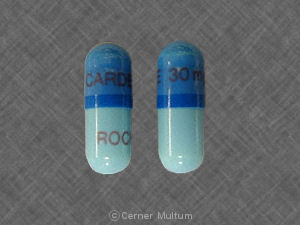
Cardene Side Effects
Generic name: nicardipine
Medically reviewed by Drugs.com. Last updated on Jul 17, 2024.
Note: This document provides detailed information about Cardene Side Effects associated with nicardipine. Some dosage forms listed on this page may not apply specifically to the brand name Cardene.
Applies to nicardipine: oral capsule.
Other dosage forms:
Serious side effects of Cardene
Along with its needed effects, nicardipine (the active ingredient contained in Cardene) may cause some unwanted effects. Although not all of these side effects may occur, if they do occur they may need medical attention.
Check with your doctor immediately if any of the following side effects occur while taking nicardipine:
More common
- arm, back, or jaw pain
- chest pain or discomfort
- chest tightness or heaviness
- fast or irregular heartbeat
- nausea
- palpitations
- shortness of breath
- sweating
- swelling of the legs
Less common
- shakiness
- swelling
Rare
- blurred vision
- cold hands and feet
- cold sweats
- confusion
- cough or hoarseness
- difficulty swallowing
- dizziness, faintness, or lightheadedness when getting up from a lying or sitting position suddenly
- extra heartbeat
- fever or chills
- hives
- increase in frequency of urination
- itching
- lower back or side pain
- painful or difficult urination
- puffiness or swelling of the eyelids or around the eyes, face, lips, or tongue
- skin rash
- unusual tiredness or weakness
- wheezing
Get emergency help immediately if any of the following symptoms of overdose occur while taking nicardipine:
Symptoms of overdose
- sleepiness
- slurred speech
Other side effects of Cardene
Some side effects of nicardipine may occur that usually do not need medical attention. These side effects may go away during treatment as your body adjusts to the medicine. Also, your health care professional may be able to tell you about ways to prevent or reduce some of these side effects.
Check with your health care professional if any of the following side effects continue or are bothersome or if you have any questions about them:
More common
- feeling of warmth
- headache
- lack or loss of strength
- redness of the face, neck, arms and occasionally, upper chest
Less common
- acid or sour stomach
- belching
- burning, crawling, itching, numbness, prickling, "pins and needles", or tingling feelings
- difficulty in moving
- dry mouth
- heartburn
- indigestion
- joint pain
- muscle aching or cramping
- muscle pains or stiffness
- rash
- stomach discomfort, upset, or pain
- swollen joints
Rare
- changes in vision
- constipation
- continuing ringing or buzzing or other unexplained noise in ears
- decreased interest in sexual intercourse
- difficult or labored breathing
- discouragement
- fear or nervousness
- feeling of constant movement of self or surroundings
- feeling sad or empty
- hearing loss
- inability to have or keep an erection
- increase in body movements
- irritability
- lack of appetite
- loss of interest or pleasure
- loss in sexual ability, desire, drive, or performance
- nervousness
- pain or tenderness around eyes and cheekbones
- runny nose
- sensation of spinning
- sneezing
- sore throat
- stuffy nose
- trouble concentrating
- trouble sleeping
For healthcare professionals
Applies to nicardipine: compounding powder, intravenous solution, oral capsule, oral capsule extended release.
General
The most common adverse reactions were consequences of vasodilation.[Ref]
Cardiovascular
- Common (1% to 10%): Hypotension, tachycardia, flushing, angina increased, palpitations, vasodilatation
- Uncommon (0.1% to 1%): Sustained tachycardia, abnormal ECG, postural hypotension, myocardial infarct
- Frequency not reported: Angina pectoris, atrioventricular block, ST segment depression, inverted T wave, deep vein thrombophlebitis, sinus node dysfunction, atrial fibrillation, exertional hypotension, pericarditis, heart block, ventricular tachycardia, peripheral vascular disorder, ventricular extrasystoles[Ref]
Nervous system
- Very common (10% or more): Headache (up to 21%)
- Common (1% to 10%): Dizziness, somnolence, paresthesia
- Uncommon (0.1% to 1%): Syncope, tremor
- Frequency not reported: Confusion, hypertonia, tinnitus, cerebral ischemia, vertigo, hyperkinesia[Ref]
Gastrointestinal
- Common (1% to 10%): Nausea/vomiting, nausea, dyspepsia, dry mouth
- Uncommon (0.1% to 1%): Constipation, vomiting, diarrhea
- Frequency not reported: Sore throat[Ref]
Other
- Common (1% to 10%): Asthenia, other edema
- Uncommon (0.1% to 1%): Malaise, pain, chest pain, face edema
- Frequency not reported: Fever, ear disorder, atypical chest pain, hot flashes[Ref]
Dermatologic
- Common (1% to 10%): Rash
- Uncommon (0.1% to 1%): Sweating increased[Ref]
Metabolic
- Common (1% to 10%): Pedal edema
- Frequency not reported: Hypophosphatemia, peripheral edema[Ref]
Musculoskeletal
- Common (1% to 10%): Myalgia
- Frequency not reported: Neck pain, arthralgia[Ref]
Psychiatric
- Uncommon (0.1% to 1%): Nervousness, insomnia, abnormal dreams
- Frequency not reported: Depression, anxiety[Ref]
Genitourinary
- Uncommon (0.1% to 1%): Nocturia, urinary frequency increased
- Frequency not reported: Urinary frequency, impotence[Ref]
Respiratory
- Uncommon (0.1% to 1%): Dyspnea
- Frequency not reported: Respiratory disorder, decreased oxygen saturation, rhinitis, sinusitis[Ref]
Ocular
- Uncommon (0.1% to 1%): Vision blurred
- Frequency not reported: Conjunctivitis, vision abnormal[Ref]
Immunologic
- Frequency not reported: Infection, allergic reaction[Ref]
Hematologic
- Frequency not reported: Thrombocytopenia[Ref]
Hepatic
- Frequency not reported: Abnormal liver chemistries[Ref]
References
1. (2002) "Product Information. Cardene (nicardipine)." Syntex Laboratories Inc
More about Cardene (nicardipine)
- Check interactions
- Compare alternatives
- Drug images
- Dosage information
- During pregnancy
- Drug class: calcium channel blockers
- Breastfeeding
Patient resources
Other brands
Professional resources
Other formulations
Related treatment guides
Further information
Cardene side effects can vary depending on the individual. Always consult your healthcare provider to ensure the information displayed on this page applies to your personal circumstances.
Some side effects may not be reported. You may report them to the FDA.