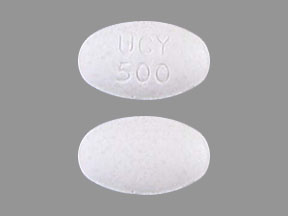
Buphenyl Side Effects
Generic name: sodium phenylbutyrate
Medically reviewed by Drugs.com. Last updated on May 20, 2024.
Note: This document provides detailed information about Buphenyl Side Effects associated with sodium phenylbutyrate. Some dosage forms listed on this page may not apply specifically to the brand name Buphenyl.
Applies to sodium phenylbutyrate: oral packet, oral pellet, oral powder, oral tablet.
Precautions
It is very important that your doctor check your progress at regular visits to make sure that this medicine is working properly. Blood and urine tests may be needed to check for unwanted effects.
This medicine may cause nervous system problems. Check with your doctor right away if you have confusion, headache, lightheadedness, nausea, sleepiness, tiredness, or vomiting.
In case of emergency—There may be a time when you need emergency help for a problem caused by your urea cycle disorders. You need to be prepared for these emergencies. It is a good idea to wear a Medic Alert tag at all times. Also, carry an ID card in your wallet or purse that says you have this disease and a list of all of your medicines.
Do not take other medicines unless they have been discussed with your doctor. This includes prescription or nonprescription (over-the-counter [OTC]) medicines and herbal or vitamin supplements.
Serious side effects of Buphenyl
Along with its needed effects, sodium phenylbutyrate (the active ingredient contained in Buphenyl) may cause some unwanted effects. Although not all of these side effects may occur, if they do occur they may need medical attention.
Check with your doctor immediately if any of the following side effects occur while taking sodium phenylbutyrate:
More common side effects
- change in the frequency of breathing
- lack of or irregular menstruation
- lower back, side, or stomach pain
- mood or mental changes
- muscle pain or twitching
- nausea or vomiting
- nervousness or restlessness
- swelling of the feet or lower legs
- unpleasant taste
- unusual tiredness or weakness
Less common side effects
- absent, missed, or irregular menstrual periods
- black, tarry stools
- bleeding gums
- bloating
- blood in the urine or stools
- bone pain
- burning, tingling, numbness or pain in the hands, arms, feet, or legs
- chest pain or tightness
- chills
- constipation
- cough
- darkened urine
- discouragement
- dizziness
- fainting
- fast heartbeat
- feeling sad or empty
- fever
- headache
- indigestion
- irritability
- joint pain, stiffness, or swelling
- large, flat, blue or purplish patches in the skin
- loss of appetite
- loss of interest or pleasure
- mood changes
- muscle pain, cramps, or twitching
- numbness or tingling in hands, feet, or lips
- pains in stomach, side, or abdomen, possibly radiating to the back
- painful or difficult urination
- pinpoint red spots on the skin
- rectal bleeding
- seizures
- sensation of pins and needles
- severe or continuing stomach pain
- sore throat
- sores, ulcers, or white spots on the lips or in the mouth
- stabbing pain
- stopping of menstrual bleeding
- swelling of the feet or lower legs
- swollen or painful glands
- trouble breathing
- trouble concentrating
- trouble sleeping
- uneven heartbeat
- unusual bleeding or bruising
- yellow eyes or skin
Rare side effects
- dryness of the mouth
- fast, slow, or irregular heartbeat
- increased thirst
- swelling of the face
- unusual weight gain
- weak pulse
Other side effects of Buphenyl
Some side effects of sodium phenylbutyrate may occur that usually do not need medical attention. These side effects may go away during treatment as your body adjusts to the medicine. Also, your health care professional may be able to tell you about ways to prevent or reduce some of these side effects.
Check with your health care professional if any of the following side effects continue or are bothersome or if you have any questions about them:
Less common side effects
- body odor
- burning feeling in the chest or stomach
- decreased appetite
- increased weight
- skin rash
- stomach pain or upset
Incidence not known
- change in taste
- loss of taste
See also:
For healthcare professionals
Applies to sodium phenylbutyrate: oral pellet, oral powder for reconstitution, oral tablet.
General adverse events
Causality of adverse effects is sometimes difficult to determine because they may result from either the underlying disease, the patient's restricted diet, intercurrent illness, or the drug itself.[Ref]
Endocrine
- Very common (10% or more): Amenorrhea/menstrual dysfunction (23%)[Ref]
Metabolic
- Very common (10% or more): Acidosis (14%), hypoalbuminemia (11%)
- Common (1% to 10%): Alkalosis, decreased appetite, hyperchloremia, hypophosphatemia, decreased total protein, hyperuricemia, hyperphosphatemia, hypernatremia, hypokalemia, increased weight[Ref]
Cardiovascular
- Common (1% to 10%): Edema
- Uncommon (0.1% to 1%): Arrhythmia[Ref]
Dermatologic
- Common (1% to 10%): Rash, body odor[Ref]
Gastrointestinal
- Common (1% to 10%): Abdominal pain, nausea, vomiting, constipation, dysgeusia
- Uncommon (0.1% to 1%): Pancreatitis, rectal bleeding/hemorrhage, peptic ulcer, gastritis[Ref]
Hematologic
- Common (1% to 10%): Anemia, leukopenia, leukocytosis, thrombocytopenia, thrombocytosis
- Uncommon (0.1% to 1%): Aplastic anemia, ecchymosis[Ref]
Hepatic
- Common (1% to 10%): Increased alkaline phosphatase, increased liver transaminases, hyperbilirubinemia[Ref]
Nervous system
- Common (1% to 10%): Syncope, headache, bad taste/taste aversion
- Frequency not reported: Somnolence, fatigue, lightheadedness, hypoacusis, disorientation, impaired memory, exacerbation of preexisting neuropathy[Ref]
Psychiatric
- Common (1% to 10%): Depression, irritability[Ref]
Renal
- Common (1% to 10%): Renal tubular acidosis[Ref]
References
1. (2001) "Product Information. Buphenyl (sodium phenylbutyrate)." Horizon Therapeutics USA Inc
2. Cerner Multum, Inc. "UK Summary of Product Characteristics."
More about Buphenyl (sodium phenylbutyrate)
- Check interactions
- Compare alternatives
- Pricing & coupons
- Drug images
- Dosage information
- During pregnancy
- Generic availability
- Drug class: urea cycle disorder agents
- Breastfeeding
- En español
Patient resources
Other brands
Professional resources
Other brands
Related treatment guides
Further information
Buphenyl side effects can vary depending on the individual. Always consult your healthcare provider to ensure the information displayed on this page applies to your personal circumstances.
Note: Medication side effects may be underreported. If you are experiencing side effects that are not listed, submit a report to the FDA by following this guide.