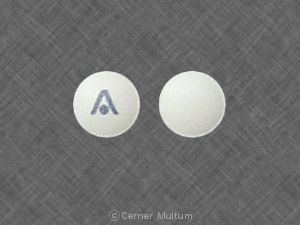
Axert Side Effects
Generic name: almotriptan
Medically reviewed by Drugs.com. Last updated on Jun 17, 2023.
Note: This document contains side effect information about almotriptan. Some dosage forms listed on this page may not apply to the brand name Axert.
Applies to almotriptan: oral tablet.
Serious side effects of Axert
Along with its needed effects, almotriptan (the active ingredient contained in Axert) may cause some unwanted effects. Although not all of these side effects may occur, if they do occur they may need medical attention.
Check with your doctor immediately if any of the following side effects occur while taking almotriptan:
Less common
- Burning, crawling, itching, numbness, prickling, "pins and needles", or tingling feelings
- chest pain
- discharge from the eye
- eye irritation
- fast, irregular, pounding, or racing heartbeat or pulse
- itching, redness, or swelling of the skin
- neck pain or rigid neck
- redness of the inner lining of the eyelid
- skin rash
- shortness of breath
- tightness in the throat
Rare
- Abdominal or stomach cramping or pain
- black, tarry stools
- blood in the stools
- bringing back up of food
- chest pain, severe
- cool, pale skin
- diarrhea
- difficulty with swallowing
- earache
- fainting
- fever
- heartburn, repeated
- increased sweating
- loss of appetite
- loss of vision
- rapid breathing
- tightness in the chest
- weight loss
Other side effects of Axert
Some side effects of almotriptan may occur that usually do not need medical attention. These side effects may go away during treatment as your body adjusts to the medicine. Also, your health care professional may be able to tell you about ways to prevent or reduce some of these side effects.
Check with your health care professional if any of the following side effects continue or are bothersome or if you have any questions about them:
More common
- Burning, numbness, prickly, or tingling feeling
- dizziness
- dry mouth
- headache
- nausea
- sleepiness
Less common
- Aching, fullness, or tension in the sinuses
- anxious feeling
- back pain
- belching
- change in sense of taste
- chills
- cough producing mucus
- decreased sensitivity to touch
- feeling of constant movement of self or surroundings
- feeling of spinning
- feeling of warmth or heat
- flushing or redness of the skin
- increased sense of hearing
- indigestion
- lack or loss of strength
- muscle aches or weakness
- nosebleed
- painful menstrual period
- quivering or trembling
- restlessness
- runny or stuffy nose
- sore throat
- trouble sleeping
- vomiting
Rare
- Abnormal increase in reflexes
- abnormally increased feeling of mental and physical well-being
- buzzing or ringing in the ears
- change in dreams or nightmares
- change in sense of smell
- change in sense of touch
- clumsiness or unsteadiness
- continuous, uncontrolled, back-and-forth or rolling eye movements
- cough
- difficulty in concentrating
- double vision
- drooling
- dry eyes
- dry throat
- feeling of pins and needles
- hoarseness
- increased sensitivity to sunlight
- increased thirst
- loss of voice
- mental depression
- muscle stiffness
- nervousness
- pain, redness, swelling, or warmth in the joints
- sneezing
- stabbing pain
For Healthcare Professionals
Applies to almotriptan: oral tablet.
General
The most common adverse reactions in adults included nausea, dry mouth, and paresthesia. The most common adverse reactions in adolescents included dizziness, somnolence, headache, paresthesia, nausea, and vomiting.[Ref]
Cardiovascular
At least 1 case of coronary vasospasm has been reported in a patient with no cardiac history and with documented absence of coronary artery disease (CAD) following administration of this drug. During clinical trials (n=3865), a 48-year old female patient who had previously taken 3-doses for earlier migraine attacks was hospitalized after an ECG found negative T-waves on the left leads 48 hours after receiving almotriptan (the active ingredient contained in Axert) 6.25 mg. Myocardial enzymes were normal. The patient had a family history of CAD. A coronary angiography and an ECG done 2 days later were normal.
Mean increases in systolic and diastolic blood pressure were observed in normotensive healthy subjects (0.21 and 1.35 mmHg) and patients with hypertension controlled by medication (4.87 and 0.26 mmHg), respectively, over the first 4 hours after receiving almotriptan 12.5 mg.[Ref]
Uncommon (0.1% to 1%): Chest pain, vasodilation, palpitations, tachycardia
Rare (less than 0.1%): Hypertension, syncope
Frequency not reported: Coronary artery vasospasm, transient myocardial ischemia, myocardial infarction, ventricular tachycardia, ventricular fibrillation, sensation of pain, tightness, pressure in the chest and/or throat, neck and jaw, peripheral vascular ischemia
Postmarketing reports: Acute myocardial infarction, coronary artery vasospasm, angina pectoris, tachycardia[Ref]
Nervous system
Common (1% to 10%): Somnolence, headache, paresthesia, dizziness
Uncommon (0.1% to 1%): Tremor, hypoesthesia, CNS stimulation, shakiness
Rare (less than 0.1%): Impaired concentration, abnormal coordination, hyperreflexia, hypertonia, neuropathy, nystagmus, insomnia, parosmia, taste alteration
Postmarketing reports: Hemiplegia, hypoesthesia, seizures[Ref]
Gastrointestinal
Common (1% to 10%): Nausea, dry mouth, vomiting
Uncommon (0.1% to 1%): Abdominal cramp or pain, diarrhea, dyspepsia, gastroenteritis, increased thirst
Rare (less than 0.1%): Colitis, gastritis, esophageal reflux, increased salivation
Frequency not reported: Colonic ischemia
Postmarketing reports: Abdominal discomfort, abdominal pain, upper abdominal pain, colitis, hypoesthesia oral, swollen tongue[Ref]
Hypersensitivity
Postmarketing reports: Hypersensitivity reactions including angioedema, anaphylactic reactions and anaphylactic shock[Ref]
Musculoskeletal
Uncommon (0.1% to 1%): Neck pain, rigid neck, back pain, myalgia, bone pain
Rare (less than 0.1%): Arthralgia, arthritis, myopathy, muscle weakness
Postmarketing reports: Arthralgia, myalgia, extremity pain[Ref]
Respiratory
Uncommon (0.1% to 1%): Pharyngitis, rhinitis, dyspnea, laryngismus, sinusitis, bronchitis, throat tightness
Rare (less than 0.1%): Hyperventilation, laryngitis, sneezing, epistaxis[Ref]
Other
Uncommon (0.1% to 1%): Asthenia, chills, fatigue, ear pain, tinnitus
Rare (less than 0.1%): Fever, otitis media, hyperacusis
Postmarketing reports: Malaise, peripheral coldness, vertigo[Ref]
Genitourinary
Uncommon (0.1% to 1%): Dysmenorrhea[Ref]
Psychiatric
Uncommon (0.1% to 1%): Anxiety, restlessness
Rare (less than 0.1%): Changes in dreams, depressive symptoms, euphoria, nervousness, nightmares, insomnia
Postmarketing reports: Confusional state, restlessness[Ref]
Metabolic
Uncommon (0.1% to 1%): Hyperglycemia, increased serum creatine phosphokinase
Rare (less than 0.1%): Hypercholesterolemia[Ref]
Hepatic
Rare (less than 0.1%): Increased gamma glutamyl transpeptidase[Ref]
Ocular
Rare (less than 0.1%): Diplopia, dry eyes, eye pain, scotoma, conjunctivitis, eye irritation
Postmarketing reports: Blepharospasm, visual impairment, blurred vision[Ref]
Dermatologic
Uncommon (0.1% to 1%): Diaphoresis, pruritus, rash
Rare (less than 0.1%): Photosensitivity reaction, dermatitis, erythema
Postmarketing reports: Cold sweat, erythema, hyperhidrosis[Ref]
Endocrine
Postmarketing reports: Breast pain[Ref]
More about Axert (almotriptan)
- Check interactions
- Compare alternatives
- Reviews (29)
- Drug images
- Dosage information
- During pregnancy
- Drug class: antimigraine agents
- Breastfeeding
Patient resources
Professional resources
Related treatment guides
References
1. Product Information. Axert (almotriptan). Pharmacia and Upjohn. 2001;PROD.
2. Cerner Multum, Inc. UK Summary of Product Characteristics.
Further information
Always consult your healthcare provider to ensure the information displayed on this page applies to your personal circumstances.
Some side effects may not be reported. You may report them to the FDA.