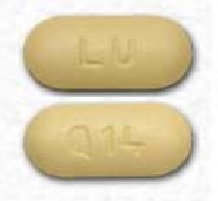
Amlodipine / valsartan Side Effects
Medically reviewed by Drugs.com. Last updated on Dec 9, 2023.
Applies to amlodipine / valsartan: oral tablet.
Warning
Oral route (Tablet)
If pregnancy is confirmed, discontinue amlodipine valsartan immediately. Injury and death to the developing fetus may result from drugs that act directly on the renin-angiotensin system
Serious side effects
Along with its needed effects, amlodipine / valsartan may cause some unwanted effects. Although not all of these side effects may occur, if they do occur they may need medical attention.
Check with your doctor immediately if any of the following side effects occur while taking amlodipine / valsartan:
More common
- Bloating or swelling of the face, arms, hands, lower legs, or feet
- rapid weight gain
- tingling of the hands or feet
- unusual weight gain or loss
Less common
- Body aches or pain
- chills
- cough
- difficulty with breathing
- dizziness
- ear congestion
- fever
- headache
- loss of voice
- muscle aches
- sneezing
- sore throat
- stuffy or runny nose
- unusual tiredness or weakness
Rare
- Ankle, knee, or great toe joint pain
- bloody or cloudy urine
- blurred or loss of vision
- burning feeling in the chest or stomach
- burning, crawling, itching, numbness, prickling, "pins and needles", or tingling feelings
- chest pain
- cold sweats
- confusion
- congestion
- cough producing mucus
- diarrhea
- difficult, burning, or painful urination
- disturbed color perception
- dizziness, faintness, or lightheadedness when getting up from a lying or sitting position
- dry mouth
- fast, irregular, pounding, or racing heartbeat or pulse
- flushed, dry skin
- heart murmur
- hives
- hoarseness
- indigestion
- itching
- joint pain, stiffness, or swelling
- loss of appetite
- nausea
- pain in the lower back, bottom, or hips
- pain in the upper leg
- pain or tenderness around the eyes and cheekbones
- rash
- redness of the skin
- stomach cramps, tenderness, or pain
- sweating
- swelling of the eyelids, face, lips, hands, or feet
- tightness of the chest
- trouble with swallowing
- troubled breathing
- vomiting
- watery or bloody diarrhea
- weakness
Get emergency help immediately if any of the following symptoms of overdose occur while taking amlodipine / valsartan:
Symptoms of overdose
- Chest discomfort
- cold, clammy skin
- fast, weak pulse
- flushing
- lightheadedness or fainting
- slow heartbeat
Other side effects
Some side effects of amlodipine / valsartan may occur that usually do not need medical attention. These side effects may go away during treatment as your body adjusts to the medicine. Also, your health care professional may be able to tell you about ways to prevent or reduce some of these side effects.
Check with your health care professional if any of the following side effects continue or are bothersome or if you have any questions about them:
Rare
- Acid or sour stomach
- back pain
- belching
- bone pain
- continuing ringing or buzzing or other unexplained noise in the ears
- difficulty having a bowel movement (stool)
- difficulty with moving
- fear or nervousness
- feeling sad or empty
- full or bloated feeling
- hearing loss
- heartburn
- inability to have or keep an erection
- increased sensitivity to sunlight
- irritability
- itching, pain, redness, or swelling of the eye or eyelid
- lack or loss of strength
- loss in sexual ability, desire, drive, or performance
- loss of interest or pleasure
- muscle aching or cramping
- pain in the arms or legs
- passing gas
- pressure in the stomach
- redness in the joints
- redness of the skin
- sensation of spinning
- skin rash, encrusted, scaly, and oozing
- sleepiness or unusual drowsiness
- swelling of the abdominal or stomach area
- tiredness
- toothache
- trouble concentrating
- unable to sleep
- unusually warm skin
- watering of the eyes
For Healthcare Professionals
Applies to amlodipine / valsartan: oral tablet.
General
The most common adverse reactions were BUN increased greater than 50%, peripheral edema, nasopharyngitis, upper respiratory tract infection, and dizziness.[Ref]
Metabolic
Very common (10% or more): BUN increased greater than 50% (up to 10.9%)
Common (1% to 10%): Hypokalemia, serum potassium increased greater than 20%
Uncommon (0.1% to 1%): Anorexia, hypercalcemia, hyperlipidemia, hyperuricemia, hyponatremia, gout, non-insulin-dependent diabetes mellitus, hypercholesterolemia
Amlodipine:
Uncommon (0.1% to 1%): Weight increased, weight decreased
Very rare (less than 0.01%): Hyperglycemia
Common (1% to 10%): BUN increased
Frequency not reported: Serum potassium increased[Ref]
Other
Common (1% to 10%): Asthenia, fatigue, facial edema, edema, peripheral edema, pitting edema
Uncommon (0.1% to 1%): Ear pain, chest pain, pyrexia
Amlodipine:
Very common (10% or more): Peripheral edema (up to 10.3%)
Common (1% to 10%): Fatigue, edema, ankle swelling
Uncommon (0.1% to 1%): Gynecomastia, asthenia, discomfort, malaise, non-cardiac chest pain, pain
Valsartan:
Common (1% to 10%): Peripheral edema
Uncommon (0.1% to 1%): Fatigue[Ref]
Cardiovascular
Common (1% to 10%): Flushing, hot flush, orthostatic blood pressure decrease
Uncommon (0.1% to 1%): Palpitation, tachycardia, orthostatic hypotension
Rare (less than 0.1%): Hypotension
Amlodipine:
Common (1% to 10%): Palpitation, flushing
Uncommon (0.1% to 1%): Hypotension
Very rare (less than 0.01%): Arrhythmia, myocardial infarction, vasculitis
Valsartan:
Frequency not reported: Vasculitis[Ref]
Respiratory
Common (1% to 10%): Nasopharyngitis, upper respiratory tract infection
Uncommon (0.1% to 1%): Cough, pharyngolaryngeal pain, sinusitis, bronchitis, pharyngitis, pharyngotonsillitis, bronchitis acute, tonsillitis, sinus congestion, dyspnea, epistaxis, productive cough, dysphonia, nasal congestion
Amlodipine:
Uncommon (0.1% to 1%): Dyspnea, rhinitis
Very rare (less than 0.01%): Cough
Valsartan:
Uncommon (0.1% to 1%): Cough[Ref]
Nervous system
Common (1% to 10%): Headache, dizziness
Uncommon (0.1% to 1%): Coordination abnormal, dizziness postural, paresthesia, somnolence, vertigo, sciatica, cervicobrachial syndrome, carpal tunnel syndrome, hypoesthesia, sinus headache
Rare (less than 0.1%): Tinnitus, syncope
Amlodipine:
Common (1% to 10%): Dizziness, headache, somnolence
Uncommon (0.1% to 1%): Dysgeusia, paresthesia, syncope, tremor, hypoesthesia, tinnitus
Very rare (less than 0.01%): Hypertonia, peripheral neuropathy, neuropathy
Frequency not reported: Extrapyramidal syndrome
Valsartan:
Uncommon (0.1% to 1%): Vertigo[Ref]
Musculoskeletal
Common (1% to 10%): Creatine kinase increased greater than 300%
Uncommon (0.1% to 1%): Arthralgia, back pain, joint swelling, epicondylitis, joint sprain, limb injury, muscle spasm, pain in extremity, myalgia, osteoarthritis, musculoskeletal chest pain
Rare (less than 0.1%): Sensation of heaviness
Amlodipine:
Uncommon (0.1% to 1%): Arthralgia, back pain, muscle spasm, myalgia
Valsartan:
Frequency not reported: Myalgia
Postmarketing reports: Rhabdomyolysis[Ref]
Immunologic
Common (1% to 10%): Influenza
Uncommon (0.1% to 1%): Seasonal allergy
Rare (less than 0.1%): Hypersensitivity
Amlodipine:
Very rare (less than 0.01%): Hypersensitivity
Valsartan:
Frequency not reported: Hypersensitivity[Ref]
Renal
Common (1% to 10%): Creatinine increased greater than 50%
Uncommon (0.1% to 1%): Nephrolithiasis
Valsartan:
Frequency not reported: Serum creatinine increased, renal failure and impairment[Ref]
Hepatic
Common (1% to 10%): ALT increased greater than 150%
Amlodipine:
Very rare (less than 0.01%): Liver function test abnormal, serum bilirubin increased, hepatitis, intrahepatic cholestasis, jaundice
Valsartan:
Frequency not reported: Liver function test abnormal, serum bilirubin increased[Ref]
Gastrointestinal
Uncommon (0.1% to 1%): Abdominal discomfort, abdominal distention, abdominal pain, upper abdominal pain, constipation, diarrhea, dry mouth, nausea, dyspepsia, gastritis, vomiting, colitis, gastroenteritis
Amlodipine:
Common (1% to 10%): Abdominal discomfort, upper abdominal pain, nausea
Uncommon (0.1% to 1%): Change of bowel habit, diarrhea, dry mouth, dyspepsia, vomiting
Very rare (less than 0.01%): Gastritis, gingival hyperplasia, pancreatitis
Valsartan:
Uncommon (0.1% to 1%): Abdominal discomfort, upper abdominal pain[Ref]
Dermatologic
Uncommon (0.1% to 1%): Erythema, rash, pruritus, hyperhidrosis, eczema
Rare (less than 0.1%): Exanthema
Amlodipine:
Uncommon (0.1% to 1%): Alopecia, exanthema, hyperhidrosis, photosensitivity reaction, pruritus, purpura, rash, skin discoloration
Very rare (less than 0.01%): Angioedema, erythema multiforme, urticaria, exfoliative dermatitis, Stevens-Johnson syndrome, Quincke edema
Valsartan:
Frequency not reported: Angioedema, dermatitis bullous, pruritus, rash[Ref]
Genitourinary
Uncommon (0.1% to 1%): Hematuria, pollakiuria, erectile dysfunction
Rare (less than 0.1%): Polyuria
Amlodipine:
Uncommon (0.1% to 1%): Micturition disorder, nocturia, pollakiuria, impotence[Ref]
Psychiatric
Uncommon (0.1% to 1%): Insomnia, anxiety, depression
Amlodipine:
Uncommon (0.1% to 1%): Depression, insomnia/sleep disorders, mood swings
Rare (less than 0.1%): Confusion[Ref]
Ocular
Uncommon (0.1% to 1%): Visual impairment
Rare (less than 0.1%): Visual disturbance
Amlodipine:
Uncommon (0.1% to 1%): Visual disturbance, visual impairment[Ref]
Hematologic
Uncommon (0.1% to 1%): Lymphadenopathy
Amlodipine:
Very rare (less than 0.01%): Leukopenia, thrombocytopenia
Valsartan:
Frequency not reported: Hemoglobin decreased, hematocrit decreased, neutropenia, thrombocytopenia[Ref]
More about amlodipine / valsartan
- Check interactions
- Compare alternatives
- Pricing & coupons
- Reviews (59)
- Drug images
- Latest FDA alerts (7)
- Dosage information
- During pregnancy
- Drug class: angiotensin II inhibitors with calcium channel blockers
- En español
Patient resources
Other brands
Professional resources
Other brands
Related treatment guides
References
1. Cerner Multum, Inc. UK Summary of Product Characteristics.
2. Product Information. Exforge (amlodipine-valsartan). Novartis Pharmaceuticals. 2007.
3. Cerner Multum, Inc. Australian Product Information.
Further information
Always consult your healthcare provider to ensure the information displayed on this page applies to your personal circumstances.
Some side effects may not be reported. You may report them to the FDA.