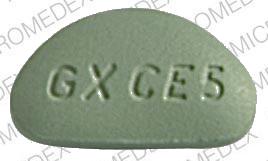
Drug Information
Side Effects > Amerge

Amerge Side Effects

Generic Name: naratriptan

Please note - some side effects for Amerge may not be reported. Always consult your doctor or healthcare specialist for medical advice. You may also report side effects to the FDA at http://www.fda.gov/medwatch/ or 1-800-FDA-1088 (1-800-332-1088).


Side Effects of Amerge - for the Consumer

Amerge

All medicines may cause side effects, but many people have no, or minor, side effects. Check with your doctor if any of these most COMMON side effects persist or become bothersome when using Amerge:

Dizziness; drowsiness; nausea; numbness or tingling of the skin; tiredness.

Seek medical attention right away if any of these SEVERE side effects occur when using Amerge:

Severe allergic reactions (rash; hives; itching; difficulty breathing; tightness in the chest; swelling of the eyelids, mouth, face, lips, or tongue); blood in stool; bluish discoloration of fingers and toes; chest pain; confusion; fast or irregular heartbeat; feeling hot or cold; fever, chills, or sore throat; increased sensitivity to light; mental or mood changes; neck or throat pain; one-sided weakness; paleness of your skin; persistent numbness or tingling of the skin; sudden, severe, or persistent stomach pain; shortness of breath; slurred speech; tightness of the jaw, neck, or chest; vision changes; vomiting.

Top

Amerge Side Effects - for the Professional

Amerge

Serious cardiac events, including some that have been fatal, have occurred following the use of 5-HT1 agonists. These events are extremely rare and most have been reported in patients with risk factors predictive of CAD. Events reported have included coronary artery vasospasm, transient myocardial ischemia, myocardial infarction, ventricular tachycardia, and ventricular fibrillation.

Incidence in Controlled Clinical Trials

The most common adverse events were paresthesias, dizziness, drowsiness, malaise/fatigue, and throat/neck symptoms, which occurred at a rate of 2% and at least 2 times placebo rate. Since patients treated only 1 to 3 headaches in the controlled clinical trials, the opportunity for discontinuation of therapy in response to an adverse event was limited. In a long-term, open-label study where patients were allowed to treat multiple migraine attacks for up to 1 year, 15 patients (3.6%) discontinued treatment due to adverse events.

Table 2 lists adverse events that occurred in 5 placebo-controlled clinical trials of approximately 1,752 exposures to placebo and Amerge Tablets in adult migraine patients. The events cited reflect experience gained under closely monitored conditions of clinical trials in a highly selected patient population. In actual clinical practice or in other clinical trials, these frequency estimates may not apply, as the conditions of use, reporting behavior, and the kinds of patients treated may differ. Only events that occurred at a frequency of 2% or more in the group treated with Amerge Tablets 2.5 mg and were more frequent in that group than in the placebo group are included in Table 2. From this table, it appears that many of these adverse events are dose related.

Table 2. Treatment-Emergent Adverse Events Reported by at Least 2% of Patients in Placebo-Controlled Migraine Trials

Placebo

Amerge 1 mg

Amerge 2.5 mg

Adverse Event Type

(n = 498)

(n = 627)

(n = 627)

Atypical sensation

1%

2%

4%

Paresthesias (all types)

<1%

1%

2%

Gastrointestinal

5%

6%

7%

Nausea

4%

4%

5%

Neurological

3%

4%

7%

Dizziness

1%

1%

2%

Drowsiness

<1%

1%

2%

Malaise/fatigue

1%

2%

2%

Pain and pressure sensation

2%

2%

4%

Throat/neck symptoms

1%

1%

2%

One event (vomiting) present in more than 1% of patients receiving Amerge Tablets occurred more frequently on placebo than on naratriptan 2.5 mg.

Amerge Tablets are generally well tolerated. Most adverse reactions were mild and transient.

The incidence of adverse events in placebo-controlled clinical trials was not affected by age or weight of the patients, duration of headache prior to treatment, presence of aura, use of prophylactic medications, or tobacco use. There was insufficient data to assess the impact of race on the incidence of adverse events.

Other Events Observed in Association With the Administration of Amerge Tablets

In the paragraphs that follow, the frequencies of less commonly reported adverse clinical events are presented. Because the reports include events observed in open and uncontrolled studies, the role of Amerge Tablets in their causation cannot be reliably determined. Furthermore, variability associated with adverse event reporting, the terminology used to describe adverse events, etc., limit the value of the quantitative frequency estimates provided. Event frequencies are calculated as the number of patients reporting an event divided by the total number of patients (n = 3,557) exposed to oral naratriptan doses up to 10 mg. All reported events are included except those already listed in the previous table, those too general to be informative, and those not reasonably associated with the use of the drug. Events are further classified within body system categories and enumerated in order of decreasing frequency using the following definitions: frequent adverse events are those occurring in at least 1/100 patients, infrequent adverse events are those occurring in 1/100 to 1/1,000 patients, and rare adverse events are those occurring in fewer than 1/1,000 patients.

Atypical Sensations

Frequent were warm/cold temperature sensations. Infrequent were feeling strange and burning/stinging sensation.

Cardiovascular

Infrequent were palpitations, increased blood pressure, tachyarrhythmias, and abnormal ECG (PR prolongation, QTc prolongation, ST/T wave abnormalities, premature ventricular contractions, atrial flutter, or atrial fibrillation), and syncope. Rare were bradycardia, varicosities, hypotension, and heart murmurs.

Ear, Nose, and Throat

Frequent were ear, nose, and throat infections. Infrequent were phonophobia, sinusitis, upper respiratory inflammation, and tinnitus. Rare were allergic rhinitis; labyrinthitis; ear, nose, and throat hemorrhage; and hearing difficulty.

Endocrine and Metabolic

Infrequent were thirst and polydipsia, dehydration, and fluid retention. Rare were hyperlipidemia, hypercholesterolemia, hypothyroidism, hyperglycemia, glycosuria and ketonuria, and parathyroid neoplasm.

Eye

Frequent was photophobia. Infrequent was blurred vision. Rare were eye pain and discomfort, sensation of eye pressure, eye hemorrhage, dry eyes, difficulty focusing, and scotoma.

Gastrointestinal

Frequent were hyposalivation and vomiting. Infrequent were dyspeptic symptoms, diarrhea, gastrointestinal discomfort and pain, gastroenteritis, and constipation. Rare were abnormal liver function tests, abnormal bilirubin levels, hemorrhoids, gastritis, esophagitis, salivary gland inflammation, oral itching and irritation, regurgitation and reflux, and gastric ulcers.

Hematological Disorders

Infrequent was increased white cells. Rare were thrombocytopenia, quantitative red cell or hemoglobin defects, anemia, and purpura.

Lower Respiratory Tract

Infrequent were bronchitis, cough, and pneumonia. Rare were tracheitis, asthma, pleuritis, and airway constriction and obstruction.

Musculoskeletal

Infrequent were muscle pain, arthralgia and articular rheumatism, muscle cramps and spasms, joint and muscle stiffness, tightness, and rigidity. Rare were bone and skeletal pain.

Neurological

Frequent was vertigo. Infrequent were tremors, cognitive function disorders, sleep disorders, and disorders of equilibrium. Rare were compressed nerve syndromes, confusion, sedation, hyperesthesia, coordination disorders, paralysis of cranial nerves, decreased consciousness, dreams, altered sense of taste, neuralgia, neuritis, aphasia, hypoesthesia, motor retardation, muscle twitching and fasciculation, psychomotor restlessness, and convulsions.

Non-Site Specific

Infrequent were chills and/or fever, descriptions of odor or taste, edema and swelling, allergies, and allergic reactions. Rare were spasms and mobility disorders.

Pain and Pressure Sensations

Frequent were pressure/tightness/heaviness sensations.

Psychiatry

Infrequent were anxiety, depressive disorders, and detachment. Rare were aggression and hostility, agitation, hallucinations, panic, and hyperactivity.

Reproduction

Rare were lumps of female reproductive tract, breast inflammation, inflammation of vagina, inflammation of fallopian tube, breast discharge, endometrium disorders, decreased libido, and lumps of breast.

Skin

Infrequent were sweating, skin rashes, pruritus, and urticaria. Rare were skin erythema, dermatitis and dermatosis, hair loss and alopecia, pruritic skin rashes, acne and folliculitis, allergic skin reactions, macular skin/rashes, skin photosensitivity, photodermatitis, skin flakiness, and dry skin.

Urology

Infrequent were bladder inflammation and polyuria and diuresis. Rare were urinary tract hemorrhage, urinary urgency, pyelitis, and urinary incontinence.

Observed During Clinical Practice

The following section enumerates potentially important adverse events that have occurred in clinical practice and that have been reported spontaneously to various surveillance systems. The events enumerated represent reports arising from both domestic and nondomestic use of naratriptan. These events do not include those already listed in the ADVERSE REACTIONS section above. Because the reports cite events reported spontaneously from worldwide postmarketing experience, frequency of events and the role of naratriptan in their causation cannot be reliably determined.

Cardiovascular

Angina, myocardial infarction.

Gastrointestinal

Colonic ischemia.

Lower Respiratory

Dyspnea.

Miscellaneous

Hypersensitivity, including anaphylaxis/anaphylactoid reactions, in some cases severe (e.g., circulatory collapse).

Neurologic

Cerebral vascular accident, including transient ischemic attack, subarachnoid hemorrhage, and cerebral infarction; serotonin syndrome.

Top

Side Effects by Body System

Nervous system

Nervous system side effects have been reported in 7% of patients receiving 2.5 mg, 4% of patients receiving 1 mg, and 3% of patients receiving placebo. These effects included dizziness in 2% of patients receiving 2.5 mg and 1% of patients receiving 1 mg or placebo. These neurological adverse effects also include drowsiness in 2% of patients receiving 2.5 mg, 1% of patients receiving 1 mg, and <1% of patients receiving placebo. Malaise/fatigue have been reported in 2% of patients receiving either 2.5 or 1 mg, and 1% of patients receiving placebo.

Cerebral vascular accidents, including transient ischemic attack, subarachnoid hemorrhage, and cerebral infarction have been reported. Vertigo has been reported frequently. Tremors, disorders of cognitive function, sleep, and/or equilibrium have been reported infrequently. Compressed nerve syndromes, confusion, sedation, hyperesthesia, coordination disorders, paralysis of cranial nerves, decreased consciousness, dreams, altered sense of taste, neuralgia, neuritis, aphasia, hypoesthesia, motor retardation, muscle twitching and fasciculation, psychomotor restlessness, and convulsions have been reported rarely.

Atypical sensation has been reported in 4% of patients receiving 2.5 mg, 2% of patients receiving 1 mg, and 1% of patients receiving placebo. These sensations included paresthesias in 2% of patients receiving 2.5 mg, 1% of patients receiving 1 mg, and <1% of patients receiving placebo. Warm/cold temperature sensations have been reported frequently. A strange feeling and a burning/stinging sensation have been reported infrequently.

Gastrointestinal

Gastrointestinal side effects have been reported in 7% of patients receiving 2.5 mg, 6% of patients receiving 1 mg, and 5% of patients receiving placebo. These effects included nausea in 5% of patients receiving 2.5 mg, and 4% in patients receiving 1 mg or placebo. Colonic ischemia with abdominal pain and bloody diarrhea has also been reported in patients using naratriptan. Hyposalivation has been reported frequently. Dyspeptic symptoms, diarrhea, gastrointestinal discomfort and pain, gastroenteritis, and constipation have been reported infrequently. Abnormal liver function tests, abnormal bilirubin levels, hemorrhoids, gastritis, esophagitis, salivary gland inflammation, oral itching and irritation, reflux, regurgitation, and gastric ulcers have been reported rarely.

While vomiting has been reported frequently, it occurred even more frequently in subjects receiving placebo than in patients receiving 2.5 mg.

Other

Other side effects have included pain and pressure sensation which have been reported in 4% of patients receiving 2.5 mg, and 2 % of patients receiving 1 mg or placebo. Throat/neck symptoms have been reported in 2% of patients receiving 2.5 mg and 1% of patients receiving 1 mg or placebo. Pressure/tightness/heaviness sensations have been reported frequently. Drug-induced headache has also been reported.

Ear, nose, and throat infections have been reported frequently. Phonophobia, sinusitis, upper respiratory inflammation, and tinnitus have been reported infrequently. Allergic rhinitis, labyrinthitis, hearing difficulty, and hemorrhage of the ear, nose, and throat, have been reported rarely.

Chills and/or fever, edema and swelling have been reported infrequently. Spasms and mobility disorders have been reported rarely.

Cardiovascular

Cardiovascular side effects including palpitations, increased blood pressure, tachyarrhythmias, and abnormal ECG (PR prolongation, QTc prolongation, ST/T wave abnormalities, premature ventricular contractions, atrial flutter, or atrial fibrillation), peripheral vascular ischemia, and syncope have been reported infrequently. Bradycardia, varicosities, hypotension, and heart murmurs have been reported rarely. Angina and myocardial infarction have also been reported.

Endocrine

Endocrine side effects including thirst and polydipsia, dehydration, and fluid retention have been reported infrequently. Hyperlipidemia, hypercholesterolemia, hypothyroidism, hyperglycemia, glycosuria, ketonuria, and parathyroid neoplasm have been reported rarely.

Ocular

Ocular side effects including photophobia have been reported frequently. Blurred vision has been reported infrequently. Eye pain and discomfort, sensation of eye pressure, eye hemorrhage, dry eyes, difficulty focusing, and scotoma have been reported rarely.

Hematologic

Hematologic side effects including increased white blood cells have been reported infrequently. Thrombocytopenia, quantitative red blood cell or hemoglobin defects, anemia, and purpura have been reported rarely.

Respiratory

Respiratory side effects including bronchitis, cough, and pneumonia have been reported infrequently. Tracheitis, asthma, pleuritis, and airway constriction and obstruction have been reported rarely. Dyspnea has also been reported.

Musculoskeletal

Musculoskeletal side effects including muscle pain, arthralgia and articular rheumatism, muscle cramps and spasms, joint and muscle stiffness, tightness, and rigidity have been reported infrequently. Bone and skeletal pain have been reported rarely.

Hypersensitivity

Hypersensitivity side effects have been reported including anaphylaxis/anaphylactoid reactions, in some cases severe (e.g., circulatory collapse). Allergies and allergic reactions have been reported infrequently.

Psychiatric

Psychiatric side effects including anxiety, depressive disorders, and detachment have been reported infrequently. Aggression and hostility, agitation, hallucinations, panic, and hyperactivity have been reported rarely.

Genitourinary

Genitourinary side effects including bladder inflammation, polyuria, and diuresis have been reported infrequently. Urinary tract hemorrhage, urinary urgency, pyelitis, urinary incontinence, lumps of the female reproductive tract, inflammation of the breast, vagina, and/or fallopian tube, breast discharge, endometrium disorders, decreased libido, and breast lumps have been reported rarely.

Dermatologic

Dermatologic side effects including sweating, skin rashes, pruritus, and urticaria have been reported infrequently. Skin erythema, dermatitis and dermatosis, hair loss and alopecia, pruritic skin rashes, acne and folliculitis, allergic skin reactions, macular skin/rashes, skin photosensitivity, photodermatitis, skin flakiness, and dry skin have been reported rarely.

Top

More resources:

Cerner Multum Amerge

PDR Amerge

MedFacts Amerge

Micromedex Amerge - Includes detailed dosage instructions.

FDA Amerge

Facts & Comparisons Naratriptan

Disclaimer: Every effort has been made to ensure that the information provided is accurate, up-to-date, and complete, but no guarantee is made to that effect. In addition, the drug information contained herein may be time sensitive and should not be utilized as a reference resource beyond the date hereof. This information does not endorse drugs, diagnose patients, or recommend therapy. This drug information is a reference resource designed as supplement to, and not a substitute for, the expertise, skill , knowledge, and judgement of healthcare practitioners in patient care. The absence of a warning for a given drug or drug combination in no way should be construed to indicate that the drug of drug combination is safe, effective, or appropriate for any given patient. Drugs.com does not assume any responsibility for any aspect of healthcare administered with the aid of information provided. The information contained herein is not intended to cover all possible uses, directions, precautions, warnings, drug interactions, allergic reactions, or adverse effects. If you have questions about the drugs you are taking, check with your doctor, nurse, or pharmacist.


MedNotes
Advertisement

(web1)