Ursodiol (Monograph)
Brand names: Actigall, Urso 250, Urso Forte
Drug class: Cholelitholytic Agents
Introduction
Ursodiol, a naturally occurring bile acid, is used for its cholelitholytic or anticholestatic action.
Uses for Ursodiol
Gallstone Dissolution (Ursodiol Capsules)
Dissolution of gallstones in patients with radiolucent, noncalcified gallbladder stones <20 mm in greatest diameter who are not candidates for cholecystectomy because of systemic disease, advanced age, idiosyncratic reaction to general anesthesia, or refusal of surgery; considered pharmacologic treatment of choice in these patients.
Dissolution of gallstones usually requires several months of ursodiol therapy. Complete dissolution of gallstones does not occur in all patients, and recurrence, which may occur within 5 years, is reported in up to 50% of patients who have achieved dissolution of the stones with the drug. Monitor for recurrence of stones. (See Adequate Patient Monitoring under Cautions.)
Successful dissolution of gallstones with ursodiol occurs rarely in patients with calcified gallstones prior to treatment, those who develop stone calcification or gallbladder nonvisualization during treatment, and those with gallstones >20 mm in greatest diameter.
Successful dissolution is more likely in patients with floating or floatable stones (i.e., those with high cholesterol content) and dissolution is inversely related to stone size for stones <20 mm in greatest diameter.
Gallbladder nonvisualization prior to treatment is not a contraindication to ursodiol therapy; however, discontinue treatment in patients who develop gallbladder nonvisualization during therapy since this is predictive of failure for complete dissolution.
Prevention of Gallstones (Ursodiol Capsules)
Prevention of gallstone formation in obese patients undergoing rapid weight loss.
Reduces incidence of gallstone formation in obese patients experiencing rapid weight loss secondary to a very low calorie diet or following gastric bypass surgery.
Primary Biliary Cholangitis (Ursodiol Tablets)
Treatment of primary biliary cholangitis (previously known as primary biliary cirrhosis; PBC).
Although optimal treatment for PBC remains to be established, many clinicians consider ursodiol the preferred initial treatment.
Substantial improvement in total bilirubin, AST, ALT, alkaline phosphatase, IgM concentrations, and histologic signs of disease has been reported.
In controlled studies, improved biochemical markers (e.g., reduction in serum bilirubin) often not accompanied by symptomatic improvement or prevention of complications of liver disease (e.g., ascites, GI bleeding). In addition, the impact of favorable changes in bilirubin concentrations on survival and need for liver transplantation has not been elucidated.
Reduces the incidence of and delays time to treatment failure (defined as death; need for liver transplantation; histologic progression by 2 stages or to cirrhosis; development of varices, ascites, or encephalopathy; marked worsening of fatigue or pruritus; inability to tolerate the drug; a doubling of or an increase to 1.5 mg/dL or higher of serum bilirubin concentrations; voluntary withdrawal from study or discontinuance of study for any reason).
May delay progression of hepatic fibrosis in patients with early-stage disease; however, in majority of studies no improvement in fibrosis reported.
May delay development of esophageal varices and may improve pruritus.
Related/similar drugs
Ocaliva, Actigall, Iqirvo, elafibranor, seladelpar, Urso, Reltone
Ursodiol Dosage and Administration
General
-
Carefully select patients for ursodiol therapy for gallstone dissolution; consider alternative therapies (e.g., watchful waiting, cholecystectomy).
Administration
Oral Administration
Capsules: Administer orally.
Tablets: Administer orally with food.
May be administered as extemporaneously compounded oral suspension when patient cannot swallow solid dosage forms or must receive medication via an NG or gastrostomy tube.
Reconstitution
Preparation of extemporaneous suspension containing ursodiol 60 mg/mL: Empty contents of twelve 300-mg ursodiol capsules into a glass mortar and then add glycerin to wet the powder and triturate to a fine paste. Gradually add 45 mL of simple syrup in 3 steps. In the first step, add approximately 15 mL of simple syrup to the paste, triturate well, and transfer the contents to a 2-oz, child-resistant, amber glass bottle. In the second step, rinse the mortar with about 10 mL of simple syrup and transfer the contents to the bottle. In the third step, repeat step 2 as necessary with enough simple syrup to bring the final volume to 60 mL. Label the bottle “shake well before using” and “refrigerate”. Label the bottle with an expiration date of 35 days.
Standardize 4 Safety
Standardize 4 Safety (S4S) is a national patient safety initiative to standardize drug concentrations to reduce medication errors, especially during transitions of care. For additional information on S4S (including updates that may be available), see [Web].
Prepared using ursodiol capsules.
|
Concentration Standard |
|---|
|
60 mg/mL |
Dosage
Adults
Gallstone Dissolution (Ursodiol Capsules)
Oral
8–10 mg/kg per day in 2–3 divided doses.
Safety of use beyond 24 months of therapy has not been established.
Prevention of Gallstones (Ursodiol Capsules)
Oral
300 mg twice daily.
Primary Biliary Cholangitis (Ursodiol Tablets)
Adjust dosage regimen according to patient’s response and tolerance.
Oral
Tablets: 13–15 mg/kg daily in 2–4 divided doses.
Special Populations
Hepatic Impairment
No specific dosage recommendations at this time.
Renal Impairment
No specific dosage recommendations at this time.
Geriatric Patients
Select dosage with caution.
Cautions for Ursodiol
Contraindications
-
Hypersensitivity or intolerance to ursodiol, bile acids, or any component of the formulation.
-
Complete biliary obstruction.
-
Do not use for dissolution of calcified cholesterol stones, radiopaque stones, or radiolucent bile pigment stones.
-
Do not use in patients with compelling reasons for cholecystectomy, including unremitting cholecystitis, cholangitis, biliary obstruction, gallstone pancreatitis, or biliary-gastrointestinal fistula.
Warnings/Precautions
General Precautions
Hepatic Effects
Institute appropriate specific treatment in patients with PBC who have variceal bleeding, hepatic encephalopathy, ascites, or require an urgent liver transplant.
Lithocholic acid, a known hepatotoxin, is formed in the GI tract from ursodiol (to a lesser extent than with chenodiol). Humans are able to sulfate (and thus detoxify) lithocholic acid efficiently; however, it is possible that a rare congenital or acquired deficiency in sulfation could lead to a risk for lithocholate-induced hepatic damage.
Ursodiol has not been associated with liver damage; however, measure AST and ALT at initiation of and during therapy as indicated by particular clinical circumstances.
Adequate Patient Monitoring
Perform ultrasound images of gallbladder at 6-month intervals for first year of therapy to monitor gallstone response. Most patients who eventually achieve complete stone dissolution will show partial or complete dissolution at first on-treatment evaluation. If partial stone dissolution is not seen by 12 months of therapy, likelihood of success is greatly reduced. Continue ursodiol therapy in patients experiencing stone dissolution; reconfirm dissolution by repeat ultrasound within 1–3 months. Obtain serial ultrasonographic examinations to monitor for recurrence of stones since stone recurrence has been observed in up to 50% of patients within 5 years of complete stone dissolution on ursodiol therapy. Establish radiolucency of stones before starting another course of ursodiol.
In patients receiving ursodiol tablets for the treatment of PBC, monitor liver function tests (γ-glutamyltransferase [GGT, γ-glutamyltranspeptidase, GGTP], alkaline phosphatase, AST, ALT) and bilirubin concentrations every month for the first 3 months of therapy and then every 6 months. Rapid decreases in these parameters demonstrate efficacy of treatment. Consider treatment discontinuance if clinically important increases in hepatic function test results occur in patients with historically stable values. Caution required during therapy to maintain biliary flow.
Specific Populations
Pregnancy
Available data on use of ursodiol in pregnant women have not identified a drug-associated risk of major birth defects, spontaneous abortion, or other adverse maternal or fetal outcomes; most reported exposures occurred in the second and third trimesters of pregnancy. No adverse embryofetal developmental effects observed in animal reproduction studies.
The manufacturer of ursodiol capsules states that although fetal harm seems unlikely, the possibility cannot be ruled out and therefore the drug is not recommended for use during pregnancy.
Lactation
Naturally present in human milk. No reports of adverse effects of the drug on breast-fed infants, but reports are extremely limited. Not known whether ursodiol affects milk production.
Consider the developmental and health benefits of breast-feeding along with the mother's clinical need for ursodiol and any potential adverse effects on the breast-fed infant from the drug or the underlying maternal condition.
Pediatric Use
Safety and efficacy not established in pediatric patients.
Geriatric Use
No substantial differences in safety and efficacy for gallstone dissolution in geriatric patients relative to younger adults, but increased sensitivity and small differences in efficacy cannot be ruled out.
Common Adverse Effects
Capsules (gallstone dissolution): Abdominal pain, diarrhea, viral infection, headache, dyspepsia, upper respiratory tract infection, nausea, sinusitis, constipation, vomiting, pharyngitis, arthralgia, flatulence, back pain, cough, bronchitis, urinary tract infection, arthritis, myalgia, allergy, cholecystitis, rhinitis, fatigue.
Capsules (prevention of gallstone formation): Constipation, diarrhea, headache, nausea, dizziness, vomiting, upper respiratory tract infection, back pain, viral infection, fatigue, influenza-like symptoms, abdominal pain, musculoskeletal pain, dysmenorrhea, alopecia, sinusitis, flatulence.
Tablets (PBC): Abdominal discomfort, abdominal pain, alopecia, diarrhea, nausea, pruritus, rash.
Drug Interactions
Specific Drugs
|
Drug |
Interaction |
Comments |
|---|---|---|
|
Antacids (aluminum-containing) |
Decreased absorption of ursodiol |
|
|
Bile acid sequestrants (cholestyramine, colestipol) |
Decreased absorption of ursodiol |
Administer bile acid sequestrants at least 2 hours before or after ursodiol |
|
Clofibrate |
Possible reduced efficacy of ursodiol because of increased hepatic cholesterol secretion caused by clofibrate (and possibly other antilipemic drugs) |
|
|
Estrogens |
Possible reduced efficacy of ursodiol because of increased hepatic cholesterol secretion caused by estrogens |
|
|
Hormonal contraceptives, oral |
Possible reduced efficacy of ursodiol because of increased hepatic cholesterol secretion caused by oral contraceptives |
Ursodiol Pharmacokinetics
Absorption
Bioavailability
Tablets: Absorption from GI tract is incomplete, occurring mainly by passive diffusion.
Capsules: About 90% of an oral dose absorbed in small intestine.
Only small amounts of ursodiol appear in the systemic circulation.
Distribution
Extent
Following absorption from the GI tract, ursodiol distributes to the portal vein and undergoes hepatic extraction (about 50% in the absence of liver disease; extent of extraction decreases as severity of liver disease increases) from portal blood by the liver (i.e., there is a large first-pass effect).
After drug is conjugated in liver, it is distributed into bile. (See Metabolism under Pharmacokinetics.)
Ursodiol in bile is concentrated in the gallbladder and distributed into the duodenum in gallbladder bile via the cystic and common ducts by gallbladder contractions stimulated by physiologic responses to eating.
During chronic administration (13–15 mg/kg daily), ursodiol becomes a major biliary and plasma bile acid, comprising 30–50% of biliary and plasma bile acids. Following discontinuance of the drug, the concentration of ursodiol in bile falls exponentially.
It is not known whether ursodiol is distributed into milk.
Plasma Protein Binding
Healthy individuals: ≥70% (as unconjugated ursodiol).
Healthy individuals or patients with PBC: Extent of protein binding of conjugated ursodiol is not known.
Special Populations
The extent of hepatic extraction of ursodiol from portal blood decreases with increasing severity of liver disease.
Elimination
Metabolism
Ursodiol is conjugated with glycine or taurine in the liver and distributed into bile.
Ursodiol conjugates are absorbed into small intestine by passive and active mechanisms. These conjugates may be deconjugated in the ileum by intestinal enzymes (or by bacteria in the small intestine), creating free ursodiol that can be reabsorbed and reconjugated in the liver.
Unabsorbed ursodiol reaches the colon unchanged, where it is primarily 7-dehydroxylated to form lithocholic acid. Some ursodiol may be epimerized to form chenodiol, which also undergoes 7-dehydroxylation to form lithocholic acid. A small portion of lithocholic acid is reabsorbed and conjugated in the liver with glycine or taurine, and sulfated at the 3 position.
Ursodiol also can be oxidized at the 7-carbon, producing 7-keto-lithocholic acid. Absorbed 7-keto-lithocholic acid is stereospecifically reduced in the liver to chenodiol.
A small portion of orally administered ursodiol undergoes bacterial degradation with each cycle of enterohepatic circulation.
Elimination Route
Ursodiol is excreted principally in the feces. Urinary excretion increases with treatment but remains below 1% except in patients with severe cholestatic liver disease.
Lithocholic acid formed in the small intestine is primarily (80%) excreted in the feces; the 20% that is absorbed is sulfated at the 3-hydroxyl group in the liver to relatively insoluble lithocholyl conjugates, which are then excreted into bile and eliminated in the feces.
Half-life
About 4–6 days.
Special Populations
In patients with severe cholestatic liver disease, urinary excretion may increase to over 1% with chronic treatment.
Stability
Storage
Oral
Capsules
Tight containers at 25°C (may be exposed to 15–30°C).
Tablets
Tight containers at 20–25°C.
Halved 500-mg tablets: 20–25°C for up to 28 days in manufacturer's bottle; because of bitter taste, store halved segments separately from whole tablets.
Suspension
Extemporaneously prepared 60-mg/mL suspension containing ursodiol in simple syrup stable for at least 35 days in amber glass bottles at 4°C.
Actions
-
Ursodiol, the 7β-hydroxyepimer of chenodeoxycholic acid (chenodiol), is a naturally occurring, hydrophilic bile acid found in small quantities in normal human bile (normally about 5% of total bile acids) and in the bile of certain animals.
-
The exact mechanism of action(s) of ursodiol in the dissolution of gallstones has not been fully elucidated, but it has been suggested that the drug suppresses hepatic synthesis and secretion of cholesterol and inhibits intestinal absorption of cholesterol.
-
Despite aqueous insolubility of cholesterol, in the presence of dihydroxy bile acids cholesterol can be solubilized in aqueous media through the dispersion of cholesterol as liquid crystals or in micelles.
-
Increases the concentration at which saturation of cholesterol occurs.
-
Ursodiol may affect the nucleation of cholesterol from bile by altering nucleation factors.
-
Appears to have small inhibitory effect on synthesis and secretion of endogenous bile acids into bile; does not appear to affect secretion of phospholipids into bile.
-
Sites of therapeutic action include the liver, bile, and gut lumen.
-
In patients with gallstones, combined actions of ursodiol change the bile from cholesterol-precipitating to cholesterol-solubilizing, which results in dissolution of cholesterol stones.
-
Has hepatoprotective effects, which are thought to be principally related to displacement of more hydrophobic and toxic bile acids (e.g., lithocholic acid) that accumulate in the setting of cholestasis. May also protect injured bile duct epithelial cells (cholangiocytes) against toxic effects of bile acids, inhibit apoptosis of hepatocytes, and stimulate bile secretion by hepatocytes and cholangiocytes.
-
Reduction in serum bilirubin in patients with PBC may be related to improved biliary transport.
-
Immunomodulatory effects, including reduction in expression of class I antigens on hepatocytes, also may play a role in beneficial effects in patients with PBC.
Advice to Patients
-
Importance of instructing patients to take ursodiol tablets with food.
-
Importance of instructing patients not to chew ursodiol tablets or segments of ursodiol 500-mg tablets. Importance of instructing patients not to take tablet segments if they are broken incorrectly (i.e., not evenly in half). Importance of advising patients to store tablet segments separately from whole tablets due to bitter taste.
-
Importance of instructing patients with PBC who have variceal bleeding, hepatic encephalopathy, ascites, or deterioration of hepatic function or who require an urgent liver transplant that they should receive appropriate specific management for these conditions. Importance of exercising caution during ursodiol therapy to maintain biliary flow.
-
Importance of informing clinicians of existing or contemplated therapy, including prescription and OTC drugs, as well as any concomitant illnesses.
-
Importance of women informing clinicians if they are or plan to become pregnant or plan to breast-feed.
-
Importance of informing patients of other important precautionary information. (See Cautions.)
Preparations
Excipients in commercially available drug preparations may have clinically important effects in some individuals; consult specific product labeling for details.
Please refer to the ASHP Drug Shortages Resource Center for information on shortages of one or more of these preparations.
* available from one or more manufacturer, distributor, and/or repackager by generic (nonproprietary) name
|
Routes |
Dosage Forms |
Strengths |
Brand Names |
Manufacturer |
|---|---|---|---|---|
|
Oral |
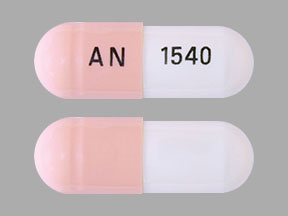
Capsules |
300 mg* |
Actigall Capsules |
Allergan |
|
Ursodiol Capsules |
||||
|
Tablets, film-coated |
250 mg* |
Urso 250 |
Allergan |
|
|
Ursodiol Tablets |
||||
|
500 mg* |
Urso Forte (scored) |
Allergan |
||
|
Ursodiol Tablets |
AHFS DI Essentials™. © Copyright 2024, Selected Revisions June 10, 2024. American Society of Health-System Pharmacists, Inc., 4500 East-West Highway, Suite 900, Bethesda, Maryland 20814.
Reload page with references included
More about ursodiol
- Check interactions
- Compare alternatives
- Pricing & coupons
- Reviews (31)
- Drug images
- Side effects
- Dosage information
- During pregnancy
- Drug class: gallstone solubilizing agents
- Breastfeeding
- En español