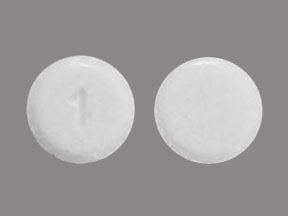
Tetrabenazine (Monograph)
Brand name: Xenazine
Drug class: Vesicular Monoamine Transporter 2 (VMAT2) Inhibitors
Chemical name: cisrac-1,3,4,6,7,11b-hexahydro-9,10-dimethoxy-3-(2-methylpropyl)-2H-benzo[a]quinolizin-2-one
Molecular formula: C19H27NO3
CAS number: 58-46-8
Warning
-
Tetrabenazine increases risk of depression and suicidal thoughts and behavior (suicidality) in patients with Huntington’s disease; balance this risk with clinical need for treatment of chorea.
-
Closely observe all patients for emergence or clinical worsening of depression, suicidality, or unusual changes in behavior; involve family members and/or caregivers in this process.
-
Exercise particular caution when treating patients with a history of depression or prior suicide attempts or ideation, which are increased in frequency in Huntington's disease.
-
Tetrabenazine is contraindicated in patients who are suicidal and in patients with untreated or inadequately treated depression.
Introduction
Tetrabenazine, a vesicular monoamine transporter 2 (VMAT2) inhibitor, is a monoamine-depleting agent.
Uses for Tetrabenazine
Huntington's Chorea
Symptomatic management of chorea associated with Huntington's disease in adults; designated an orphan drug by FDA for this use.
Patients receiving tetrabenazine may experience slight worsening of cognition, functional capacity, mood, or rigidity; not known whether these effects persist, worsen, or resolve over time. Periodically reevaluate long-term risks and benefits of the drug for the individual patient.
Other Hyperkinetic Movement Disorders
Has been used with some success for the symptomatic management of other hyperkinetic movement disorders (also called hyperkinesias), including Tourette syndrome (Gilles de la Tourette's syndrome)† [off-label] , tic disorder† [off-label], and tardive dyskinesia† [off-label] (including severe and/or refractory cases).
The American Psychiatric Association (APA) recommends tetrabenazine as a treatment option for tardive dyskinesia associated with antipsychotic therapy† [off-label], although newer VMAT2 inhibitors (i.e., deutetrabenazine, valbenazine) are preferred.
Tetrabenazine Dosage and Administration
General
Pretreatment Screening
-
Evaluate baseline liver function; tetrabenazine is contraindicated in patients with hepatic impairment.
Patient Monitoring
-
Monitor closely for clinical worsening or emergence of depression, suicidal thoughts or behavior (suicidality), or unusual changes in behavior.
-
Monitor for worsening cognition, functional capacity, mood, or rigidity and periodically re-evaluate continued need for tetrabenazine.
-
Evaluate CYP2D6 genotype in patients requiring doses >50 mg daily.
-
Monitor for signs of neuroleptic malignant syndrome (NMS).
-
Monitor for the presence of akathisia or symptoms of parkinsonism.
-
Monitor for signs or symptoms of QTc prolongation.
-
Monitor for signs of orthostatic hypotension.
Other General Considerations
-
At least 14 days must elapse between discontinuance of a monoamine oxidase (MAO) inhibitor and initiation of tetrabenazine; in addition, at least 20 days must elapse between discontinuance of reserpine and initiation of tetrabenazine.
-
A Medication Guide must be dispensed with tetrabenazine ([Web]).
Administration
Oral Administration
Administer orally without regard to food.
Do not double the next dose if a dose is missed and it is time for the next dose.
Dosage
If used with a strong CYP2D6 inhibitor, maximum recommended daily dosage is 50 mg and maximum recommended single dose is 25 mg.
Carefully titrate dosage over several weeks to determine an individualized dosage for chronic use that reduces chorea and is well tolerated.
May discontinue treatment without tapering the dosage. Retitrate dosage if therapy is resumed following an interruption of >5 days. May resume treatment at the previous maintenance dosage (without titration) following treatment interruption of <5 days.
Adults
Huntington's Chorea
Oral
Initially, 12.5 mg given once daily in the morning. Increase dosage after one week to 12.5 mg twice daily. Adjust subsequent dosages in 12.5-mg increments at weekly intervals.
Dosages ≥37.5 mg daily: Administer in 3 divided doses.
If daily dosage is ≤50 mg, the maximum recommended single dose is 25 mg.
Manufacturer recommends CYP2D6 genotype testing prior to administering dosages >50 mg daily to determine whether patient is a poor, intermediate, or extensive metabolizer of CYP2D6 substrates. (See Table 1.) However, some clinicians prefer to adjust tetrabenazine dosage based on clinical response and tolerability.
Administer dosages >50 mg daily in 3 divided doses and make dosage adjustments in 12.5-mg increments at weekly intervals.
|
CYP2D6 Phenotype |
Maximum Single Dose |
Maximum Daily Dosage |
|---|---|---|
|
Poor metabolizer |
25 mg |
50 mg |
|
Intermediate or extensive metabolizer |
37.5 mg |
100 mg |
Stop dosage titration and reduce daily dosage if adverse effects (e.g., excessive sedation, akathisia, restlessness, parkinsonism, depression, insomnia, anxiety) occur; consider drug discontinuance or initiation of specific treatment (e.g., antidepressant therapy) if adverse effects do not resolve.
Daily dosages >100 mg are not recommended; however, higher dosages have been used in some patients.
Other Hyperkinetic Movement Disorders† [off-label]
Oral
Initial dosage of 25 mg once or twice daily has been used in clinical studies in patients with various hyperkinesias, and then increased in 25-mg daily increments every 1–3 days until optimal therapeutic response, intolerable adverse effects, or maximum dosage of 100–200 mg daily was achieved.
Tardive Dyskinesia†
OralCurrent APA guidelines for the treatment of tardive dyskinesia associated with antipsychotic therapy† recommend an initial tetrabenazine dosage of 25–50 mg daily given in divided doses and increased in 12.5-mg daily increments every week to a maximum of 150–200 mg daily.
Tourette Syndrome†
OralClinical experience is limited; some clinicians recommend initial dosage of 12.5–25 mg given once daily at bedtime or twice daily, with titration to a target dosage of 25 mg given 3 times daily and a maximum dosage of 50 mg given 3 times daily.
Prescribing Limits
Adults
Huntington's Chorea
Oral
Maximum 100 mg daily.
Poor CYP2D6 metabolizer phenotype: Maximum 50 mg daily.
Other Hyperkinetic Movement Disorders†
Oral
Maximum 100–200 mg daily.
Special Populations
Hepatic Impairment
Contraindicated in hepatic impairment.
Renal Impairment
Manufacturer provides no specific dosage recommendations.
Geriatric Patients
Manufacturer provides no specific dosage recommendations.
Poor CYP2D6 Metabolizers
Do not exceed 50 mg daily (maximum single dose 25 mg).
Extensive and Intermediate CYP2D6 Metabolizers
Do not exceed 100 mg daily (maximum single dose 37.5 mg).
Cautions for Tetrabenazine
Contraindications
-
Actively suicidal or untreated or inadequately treated depression.
-
Hepatic impairment.
-
Concomitant therapy with an MAO inhibitor.
-
Concomitant therapy with reserpine.
-
Concomitant therapy with deutetrabenazine or valbenazine.
Warnings/Precautions
Warnings
Risk of Depression and Suicidality
Increased risk for depression and for suicidal ideation and behavior (suicidality) in patients with Huntington's disease. Tetrabenazine increases this risk, which may increase with higher dosages. Depression or worsening of depression reported in 19–35% of tetrabenazine-treated patients; completed suicide, attempted suicide, and suicidal ideation reported. Depression more likely to occur or worsen in patients with history of depression.
Balance potential risks of depression and suicidality with clinical need for control of chorea. Closely observe patients for emergence or worsening of depression, suicidality, or unusual changes in behavior. Inform patients, caregivers, and families of these risks and instruct them to promptly report any behaviors of concern to the treating clinician. Immediately evaluate any patient with Huntington's disease who expresses suicidal ideation. Consider drug discontinuance if depression or suicidality does not resolve.
Exercise caution when treating patients with a history of depression or prior suicide attempts or ideation; such patients may be at an increased risk for suicidal behavior.
Contraindicated in patients who are actively suicidal or those with untreated or inadequately treated depression.
Other Warnings and Precautions
Clinical Worsening and Adverse Events
Slight worsening in mood, cognition, rigidity, and functional capacity may occur; unknown whether these effects persist, resolve, or worsen with continued treatment.
Periodically reevaluate need for continued therapy by assessing benefits on chorea and possible adverse effects (e.g., depression, cognitive decline, parkinsonism, dysphagia, sedation, somnolence, akathisia, restlessness, disability). Dosage reduction or drug discontinuance may help distinguish between drug-induced adverse effects and disease progression. Underlying chorea may improve over time, thereby possibly decreasing the need for tetrabenazine.
Determining CYP2D6 Metabolizer Status
Testing for CYP2D6 status recommended prior to administering tetrabenazine dosages >50 mg daily. Limit dosage to ≤50 mg daily and single dose to ≤25 mg for poor metabolizer phenotype.
Neuroleptic Malignant Syndrome
Neuroleptic malignant syndrome (NMS), a potentially fatal syndrome characterized by hyperpyrexia, muscle rigidity, altered mental status, and autonomic instability, has been reported with tetrabenazine and other drugs that reduce dopaminergic transmission.
Immediately discontinue therapy and initiate supportive and symptomatic therapy if NMS occurs. Monitor for signs of recurrence if therapy is reinstituted following recovery from NMS.
Akathisia, Restlessness, and Agitation
Akathisia reported in up to 20% of tetrabenazine-treated patients.
Monitor for akathisia and symptoms of restlessness and agitation. Reduce tetrabenazine dosage if akathisia develops; drug discontinuance may be necessary in some patients.
Parkinsonism
Symptoms suggestive of parkinsonism (e.g., bradykinesia, hypertonia, rigidity) reported in 3–15% of tetrabenazine-treated patients. May be difficult to distinguish between drug-induced effect and rigidity associated with progression of Huntington's disease. For some patients, drug-induced parkinsonism may result in more functional disability than untreated chorea.
If parkinsonism develops, consider dosage reduction; some patients may require drug discontinuance.
Sedation and Somnolence
Sedation is the most common dose-limiting adverse effect. Sedation or somnolence reported in 17–57% of patients receiving tetrabenazine in clinical studies. Sedation was the reason for stopping upward titration of tetrabenazine dosage and/or decreasing dosage in 28% of patients in one placebo-controlled study. May occur at lower than recommended dosages in some patients. Advise patients to avoid operating a motor vehicle or performing activities requiring mental alertness until they are on a maintenance dose and know how the drug affects them.
Prolongation of QT Interval
Small increase in corrected QT (QTc) interval reported. Avoid use in patients concurrently receiving other drugs known to prolong the QTc interval and in patients with congenital long QT syndrome or history of cardiac arrhythmias.
Factors that may increase the risk of torsades de pointes and/or sudden death in association with drugs that prolong the QTc interval include bradycardia, hypokalemia or hypomagnesemia, concomitant use of other drugs that prolong the QTc interval, and presence of congenital QTc interval prolongation.
Hypotension and Orthostatic Hypotension
Postural dizziness, including syncope and orthostasis, and dizziness reported. Consider monitoring orthostatic vital signs in patients who are vulnerable to hypotension.
Hyperprolactinemia
May cause elevated serum prolactin concentrations.
If contemplating tetrabenazine therapy in a patient with previously detected breast cancer, consider that approximately one-third of human breast cancers are prolactin dependent in vitro. In addition, chronic hyperprolactinemia has been associated with low estrogen concentrations and an increased risk of osteoporosis.
Perform appropriate laboratory testing and consider drug discontinuance if symptomatic hyperprolactinemia suspected.
Binding to Melanin-containing Tissues
Binds to melanin-containing tissues, possibly resulting in accumulation and toxicity with long-term use; clinical importance unknown. Ophthalmologic monitoring in clinical studies was inadequate to exclude possibility of injury after long-term drug exposure.
Although there are no specific recommendations for periodic ophthalmologic monitoring, clinicians should be aware of possible long-term ophthalmologic effects in patients receiving tetrabenazine.
Specific Populations
Pregnancy
No adequate and well-controlled studies in pregnant women. Animal studies suggest fetal harm.
Lactation
Not known whether tetrabenazine or its metabolites distribute into milk; however, at least one study suggests that the drug is distributed into human milk. Effects on breastfed infants or milk production are unknown. Consider the developmental and health benefits of breastfeeding along with the mother’s clinical need for tetrabenazine and any potential adverse effects on the breastfed infant from tetrabenazine or from the underlying maternal condition.
Pediatric Use
Safety and efficacy not established in pediatric patients.
Has been effective in a limited number of pediatric patients with hyperkinetic movement disorders, including Tourette's syndrome† and severe chorea†, to date. May have a similar adverse effect profile in pediatric patients as in adults, possibly with fewer parkinsonian adverse effects.
Geriatric Use
Pharmacokinetics not evaluated in geriatric individuals.
Hepatic Impairment
Decreased tetrabenazine metabolism in patients with mild to moderate hepatic impairment (Child-Pugh score: 5–9). Safety and efficacy of increased exposure to the drug and its metabolites unknown; dosage adjustments to ensure safe use are not possible in hepatic impairment. Use contraindicated.
Renal Impairment
Pharmacokinetics not evaluated in renal impairment.
Poor CYP2D6 Metabolizers
Increased exposure of active metabolites α-dihydrotetrabenazine (α-HTBZ) and β-dihydrotetrabenazine (β-HTBZ) expected; limit daily dosage to ≤50 mg and single doses to ≤25 mg.
Common Adverse Effects
Adverse effects reported in ≥5% of patients with Huntington’s chorea receiving tetrabenazine and at an incidence greater than that reported with placebo include sedation or somnolence, insomnia, fatigue, depression, anxiety, irritability, balance difficulties, extrapyramidal adverse effects (e.g., akathisia, bradykinesia, parkinsonism, hypertonia), nausea, vomiting, ecchymosis, falls, laceration of the head, and upper respiratory tract infection.
Drug Interactions
Metabolized by carbonyl reductase to the active metabolites α-HTBZ and β-HTBZ, which are metabolized principally by CYP2D6.
Tetrabenazine and its α-HTBZ, β-HTBZ, and 9-desmethyl-β-dihydrotetrabenazine (DHTBZ) metabolites do not substantially inhibit CYP isoenzymes 1A2, 2B6, 2C8, 2C9, 2C19, 2D6, 2E1, or 3A, nor do they substantially induce CYP isoenzymes 1A2, 2B6, 2C8, 2C9, 2C19, or 3A4 in vitro. Neither tetrabenazine nor its α-HTBZ, β-HTBZ, or 9-desmethyl-β-DHTBZ metabolites are substrates or inhibitors of the P-glycoprotein transport system.
Drugs Affecting Hepatic Microsomal Enzymes
Strong CYP2D6 inhibitors: Potential pharmacokinetic interaction (increased exposure to α-HTBZ and β-HTBZ). If used concomitantly with a strong CYP2D6 inhibitor, limit tetrabenazine daily dosage to ≤50 mg and single doses to ≤25 mg.
Moderate or weak CYP2D6 inhibitors: Effects on pharmacokinetics of tetrabenazine not established.
Inducers or inhibitors of other CYP isoenzymes (1A2, 2A6, 2C9, 2C19, or 2E1): Clinically important pharmacokinetic interaction unlikely.
Drugs Affecting or Affected by P-Glycoprotein Transport
Clinically important interactions unlikely.
Drugs that Prolong QT Interval
Potential pharmacologic interaction (additive effect on QT-interval prolongation); avoid concomitant use of other drugs known to prolong the QTc interval.
Specific Drugs
|
Drug |
Interaction |
Comments |
|---|---|---|
|
Alcohol |
Potential worsening of sedation and somnolence |
|
|
Antiarrhythmics (class Ia and III; e.g., amiodarone, procainamide, quinidine, sotalol) |
Increased risk of QT-interval prolongation |
Avoid concomitant use |
|
Antipsychotics (e.g., chlorpromazine, haloperidol, thioridazine, ziprasidone) and other dopamine antagonists |
Potential increased risk of parkinsonism, NMS, and akathisia Chlorpromazine, haloperidol, thioridazine, ziprasidone: Increased risk of QT-interval prolongation |
Chlorpromazine, haloperidol, thioridazine, ziprasidone: Avoid concomitant use |
|
CNS depressants |
Potential worsening of sedation and somnolence |
|
|
Digoxin |
Pharmacokinetic interaction unlikely |
|
|
Fluoxetine |
Possible increased exposure to tetrabenazine's active metabolites |
Limit tetrabenazine daily dosage to ≤50 mg and single doses to ≤25 mg |
|
Levodopa |
Possible reduced therapeutic effects of levodopa and exacerbation of Parkinson's disease symptoms; amelioration of tetrabenazine-induced parkinsonism |
|
|
MAO inhibitors |
Potential for antagonistic effects and increased toxicity; possible CNS excitation and hypertension |
Concomitant use contraindicated Allow at least 14 days to elapse between discontinuance of MAO inhibitor therapy and initiation of tetrabenazine |
|
Moxifloxacin |
Increased risk of QT-interval prolongation |
Avoid concomitant use |
|
Paroxetine |
Increased peak plasma concentrations, AUC, and half-lives of tetrabenazine's active metabolites |
Limit tetrabenazine daily dosage to ≤50 mg and single doses to ≤25 mg |
|
Quinidine |
Possible increased exposure to tetrabenazine's active metabolites |
Limit tetrabenazine daily dosage to ≤50 mg and single doses to ≤25 mg |
|
Reserpine |
Possible serotonin and norepinephrine depletion in the CNS |
Concomitant use contraindicated Wait for signs of chorea to re-emerge after discontinuing reserpine before initiating tetrabenazine therapy Allow at least 20 days to elapse after reserpine discontinuance prior to initiating tetrabenazine therapy |
|
VMAT2 inhibitors (i.e., deutetrabenazine, valbenazine) |
Concomitant use contraindicated |
Tetrabenazine Pharmacokinetics
Absorption
Bioavailability
Following oral administration, ≥75% absorbed. Because tetrabenazine is rapidly and extensively metabolized to α-HTBZ and β-HTBZ, plasma concentrations of the parent drug generally are undetectable.
Peak plasma concentrations of α-HTBZ and β-HTBZ reached within 1–1.5 hours; peak plasma concentration of 9-desmethyl-β-HTBZ (another major metabolite) is reached approximately 2 hours following a dose.
Duration
16–24 hours.
Food
No effect on mean or peak plasma concentrations or AUC of α-HTBZ and β-HTBZ.
Special Populations
Patients with mild to moderate chronic hepatic impairment: Mean peak plasma tetrabenazine concentrations were 7- to 190-fold higher and AUCs of α-HTBZ and β-HTBZ were approximately 30–39% greater compared with values in healthy individuals.
Poor CYP2D6 metabolizers: Exposures to α-HTBZ and β-HTBZ were about threefold and ninefold higher, respectively, compared with values in extensive metabolizers.
Gender does not appear to affect pharmacokinetics of α-HTBZ and β-HTBZ.
Distribution
Extent
Not known whether the drug or its metabolites are distributed into milk in humans; one study suggests that the drug is distributed into human milk and crosses the placenta.
Distributes rapidly into the CNS, with highest and lowest concentrations occurring in the striatum and cortex, respectively.
Plasma Protein Binding
Tetrabenazine: 82–85%.
α-HTBZ: 60–68%.
β-HTBZ: 59–63%.
Elimination
Metabolism
Rapidly and extensively metabolized mainly in the liver by carbonyl reductase to active metabolites α-HTBZ and β-HTBZ, which are further O-dealkylated, principally by CYP2D6, to 9-desmethyl-α-HTBZ and 9-desmethyl-β-HTBZ.
Elimination Route
Eliminated in urine (about 75%) and feces (7–16%). In urine, <10% eliminated as α-HTBZ or β-HTBZ.
Half-life
α-HTBZ: 7 hours.
β-HTBZ: 5 hours.
9-Desmethyl-β-HTBZ: 12 hours.
Special Populations
Patients with hepatic impairment: Elimination half-lives prolonged to approximately 17.5 hours for tetrabenazine, 10 hours for α-HTBZ, and 8 hours for β-HTBZ.
Stability
Storage
Oral
Tablets
25°C (excursions permitted between 15–30°C).
Actions
-
Reversibly inhibits uptake of monoamines (e.g., dopamine, norepinephrine, serotonin, histamine) into synaptic vesicles and depletes monoamine stores from nerve terminals.
-
Precise mechanism of antichorea effects not established, but appears to be related to drug's ability to reversibly and selectively inhibit vesicular monoamine transporter type 2 (VMAT2) in CNS, thereby decreasing uptake of monoamines into synaptic vesicles and depleting monoamine stores from nerve terminals.
-
Preferentially depletes dopamine; dose required to deplete norepinephrine or serotonin is approximately fivefold higher than that required to deplete dopamine. Preferential depletion of dopamine in striatum may contribute to antichorea effects.
-
Exhibits weak in vitro binding affinity for dopamine type 2 (D2) receptors. Does not possess binding affinity for GABA, glutamate, glycine, histamine, or norepinephrine receptors or ion channels.
Advice to Patients
-
Advise patients and their caregivers to read the medication guide prior to initiation of tetrabenazine therapy and each time the prescription is refilled.
-
Risk of depression, worsening of depression, and suicidality; Advise patient to immediately notify clinicians of emergence of suicidality, emergence or worsening of depression, or other manifestations associated with increased risk of worsening depression or suicidality.
-
Inform patients that tetrabenazine is used to treat the involuntary movements (chorea) of Huntington’s disease and that the drug does not cure the cause of the involuntary movements and does not treat other symptoms of Huntington’s disease, such as problems with thinking and emotions.
-
Inform patients and their families that the dosage of tetrabenazine will be gradually titrated upward to reach the optimal dosage. Monitor for development of adverse effects (e.g., sedation, akathisia, parkinsonism, depression, difficulty swallowing, fatigue, insomnia) that may require a dosage reduction or tetrabenazine discontinuance.
-
Inform patients that if a dose of tetrabenazine is missed and it is time for the next dose, a double dose of the drug should not be taken to make up for the missed dose.
-
If tetrabenazine therapy is discontinued or a dose is missed, inform patients that involuntary movements (e.g., chorea) may return or worsen within 12–18 hours after the last dose. Advise patients to inform clinicians if tetrabenazine has been discontinued for more than 5 days and not to take additional doses of the drug until they notify their clinician.
-
Risk of sedation and somnolence; advise patients to exercise caution or avoid engaging in activities requiring mental alertness and coordination such as operating a motor vehicle or other dangerous machinery until the effects of the drug on the individual are known.
-
Advise patients that concomitant use of alcohol or other CNS depressants may worsen the sedative effects of tetrabenazine.
-
Advise patients to inform clinicians of existing or contemplated concomitant therapy, including prescription and OTC drugs and dietary and herbal supplements, as well as any concomitant illnesses (e.g., depression or other psychiatric disorders, liver disease).
-
Advise women to inform clinicians if they are or plan to become pregnant or plan to breast-feed.
-
Advise patients of other important precautionary information. (See Cautions.)
Preparations
Excipients in commercially available drug preparations may have clinically important effects in some individuals; consult specific product labeling for details.
Please refer to the ASHP Drug Shortages Resource Center for information on shortages of one or more of these preparations.
Tetrabenazine is available only through a specialty pharmacy network. Patients and clinicians may consult the Xenazine Information Center at 888-882-6013 or consult the Xenazine website at [Web] for specific availability information.
* available from one or more manufacturer, distributor, and/or repackager by generic (nonproprietary) name
|
Routes |
Dosage Forms |
Strengths |
Brand Names |
Manufacturer |
|---|---|---|---|---|
|
Oral |
Tablets |
12.5 mg* |
Tetrabenazine Tablets |
|
|
Xenazine |
Lundbeck |
|||
|
25 mg* |
Tetrabenazine Tablets (scored) |
|||
|
Xenazine (scored) |
Lundbeck |
AHFS DI Essentials™. © Copyright 2025, Selected Revisions May 25, 2023. American Society of Health-System Pharmacists, Inc., 4500 East-West Highway, Suite 900, Bethesda, Maryland 20814.
† Off-label: Use is not currently included in the labeling approved by the US Food and Drug Administration.
Reload page with references included
Related/similar drugs
Frequently asked questions
- Austedo vs Xenazine: How do they compare?
- What's the MOA for Xenazine (tetrabenazine)?
- How long does it take for Xenazine (tetrabenazine) to work?
More about tetrabenazine
- Check interactions
- Compare alternatives
- Pricing & coupons
- Reviews (6)
- Drug images
- Side effects
- Dosage information
- During pregnancy
- Drug class: VMAT2 inhibitors
- En español