Temozolomide (Monograph)
Brand name: Temodar
Drug class: Antineoplastic Agents
Introduction
Alkylating antineoplastic agent; prodrug.
Uses for Temozolomide
Brain Tumors
Treatment of newly diagnosed glioblastoma, concomitantly with radiotherapy and then as maintenance treatment in adults.
The current standard of treatment for newly diagnosed patients with glioblastoma includes maximum safe surgical resection followed by radiotherapy with concurrent and adjuvant chemotherapy with or without Tumor Treating Fields. Temozolomide is the recommended systemic therapy in newly diagnosed glioblastoma due to a demonstrated survival benefit, with greatest benefit seen in patients who harbor MGMT promoter methylation.
Adjuvant treatment of newly diagnosed anaplastic astrocytoma and for treatment of refractory disease in adults.
Temozolomide Dosage and Administration
General
Pretreatment Screening
-
Obtain a complete blood count (CBC) and monitor absolute neutrophil count (ANC) and platelet count before initiation of treatment. Withhold dosing until patients have an ANC ≥1500/mm3 and a platelet count ≥100,000/mm3.
-
Monitor liver function tests at baseline and prior to each cycle.
-
Screen for hepatitis.
-
Verify pregnancy status in females of reproductive potential.
Patient Monitoring
-
When used in combination with radiotherapy, obtain a CBC weekly during treatment and as clinically indicated.
-
Monitor ANC and platelet counts as clinically indicated during treatment.
-
For 28-day treatment cycles, obtain a CBC prior to treatment on Day 1 and Day 22 of each cycle. Perform CBCs weekly until recovery if the ANC is <1500/mm3 and the platelet count is <100,000/mm3.
-
Closely monitor all patients, particularly those receiving steroids, for the development of lymphopenia or Pneumocystis jiroveci (formerly P. carinii) pneumonia (PCP).
-
Obtain liver function tests half-way through the first treatment cycle and 2–4 weeks following the last dose of temozolomide.
Premedication and Prophylaxis
-
Administer prophylaxis for Pneumocystis jiroveci (e.g., inhaled pentamidine, oral co-trimoxazole) during concomitant temozolomide and radiation therapy. In patients with lymphopenia, continue Pneumocystis jiroveci prophylaxis until lymphocytopenia resolves to grade 1 or less.
-
Clinicians should consider antiemetic therapy prior to and following temozolomide administration.
Dispensing and Administration Precautions
- Handling and Disposal
-
Temozolomide is a hazardous medication. Clinicians and patients should follow applicable special handling and disposal procedures.
-
Patients may need to take combinations of temozolomide capsules of different strengths to receive the correct daily dose. To minimize the risk of inappropriate dosing, the clinician or pharmacist should provide written instructions for the dosage schedule.
Other General Considerations
-
Adjust dosage based on nadir platelet and ANC during the previous cycle and ANC and platelet counts on day 1 of the next cycle.
-
Consider hepatitis prophylaxis with antiviral agents as clinically indicated.
Administration
Administer orally or by IV infusion.
Oral Administration
Administer orally once daily (at the same time each day) with a full glass of water and in a consistent manner relative to food intake. Swallow capsule intact; do not open, chew, or dissolve contents.
Administration on an empty stomach or at bedtime may reduce incidence of nausea and vomiting.
If accidentally opened or damaged, avoid inhalation or contact with skin or mucous membranes. If contact with skin occurs, wash the affected area immediately.
Based on the dose prescribed, determine the number of each strength capsules needed (e.g., for a dose of 275 mg daily for 5 days, dispense five 250 mg-capsules, five 20-mg capsules, and five 5-mg capsules). Dispense each strength of capsules in a separate container. Label each container with the strength per capsule and with the appropriate number of capsules to be taken each day. Instruct the patient to take the appropriate number of capsules from each container to equal the total daily dose.
IV Administration
Administer by IV infusion. Use an infusion pump to administer the drug. Flush the IV line before and after each temozolomide infusion.
Reconstitution
Must be reconstituted prior to administration.
Allow vials to reach room temperature prior to reconstitution. Reconstitute powder for injection by adding 41 mL of sterile water for injection to a vial containing 100 mg of temozolomide, resulting in a solution containing 2.5 mg/mL of temozolomide; gently swirl (do not shake).
Do not further dilute the reconstituted solution prior to administration. Using aseptic technique, withdraw up to 40 mL from each vial to reach the total dose and discard any unused portion. Transfer the reconstituted solution from each vial into an empty 250 mL infusion bag. Do not infuse drugs or solutions other than 0.9% sodium chloride through the same IV line.
Rate of Administration
Administer by IV infusion over 90 minutes using an infusion pump. Infusion over a shorter or longer duration may result in suboptimal dosing.
Dosage
Adults
Brain Tumors
Glioblastoma Multiforme
Oral or IVConcomitant Use Phase: 75 mg/m2 once daily for 42 to 49 consecutive days concomitantly with focal radiotherapy. Other administration schedules have been used.
Interrupt temozolomide therapy for any of the following criteria: ANC of ≥500 and <1500/mm3, platelet count of ≥10,000 and <100,000/mm3, or any grade 2 nonhematologic toxicity (except alopecia, nausea, and vomiting). Temozolomide therapy may be resumed at the same dose when ANC ≥1500/mm3, platelet count ≥100,000/mm3, and non-hematological adverse reactions resolve to grade 1 or less. Discontinue temozolomide for any of the following criteria: ANC <500/mm3, platelet count <10,000/mm3, or any grade 3 or 4 nonhematologic toxicity (except alopecia, nausea, and vomiting).
Four weeks after completing the concomitant use phase of therapy, initiate single agent maintenance therapy. The maintenance phase consists of six 28-day cycles of treatment; temozolomide is administered on days 1 to 5 of each cycle.
Single Agent Maintenance Use Phase: Recommended dose in cycle 1 is 150 mg/m2 once daily on days 1 to 5. Dosage may be increased to 200 mg/m2 once daily on days 1 to 5 before cycle 2 if no dosage interruptions or discontinuations required. If temozolomide dosage is not increased at cycle 2 onset, do not increase dosage for cycles 3 to 6.
Obtain a CBC prior to treatment on day 1 and day 22 of each treatment cycle, and then weekly until recovery if ANC <1500/mm3 and platelet count <100,000/mm3. Do not initiate the next cycle until ANC and platelet counts exceed these levels.
Interrupt temozolomide dosing for any of the following criteria: ANC <1000/mm3, platelet count <50,000/mm3, or any grade 3 nonhematologic toxicity (except alopecia, nausea, and vomiting). Temozolomide therapy may be resumed at a reduced dose (i.e., decreased by 50 mg/m2 per day) for the next cycle when ANC is ≥1500/mm3, platelet count is ≥100,000/mm3, and nonhematologic adverse reactions resolve to grade 1 or less.
Discontinue temozolomide dosing for any of the following criteria: inability to tolerate a dose of 100 mg/m2 per day, recurrence of the same grade 3 nonhematologic toxicity following dose reduction, or any grade 4 nonhematologic toxicity (except alopecia, nausea, and vomiting).
Adjuvant Treatment of Newly Diagnosed Anaplastic Astrocytoma
OralAdminister in a single dose on days 1 to 5 of a 28-day cycle for 12 cycles beginning 4 weeks after end of radiotherapy.
Recommended dosage for cycle 1 is 150 mg/m2 once daily on days 1 to 5. Dosage may be increased to 200 mg/m2 once daily on days 1 to 5 for cycles 2 to 12 if patient experienced no or minimal toxicity in cycle 1. If temozolomide dosage is not increased at cycle 2 onset, do not increase the dosage during subsequent cycles.
Obtain a CBC prior to treatment on day 1 and on day 22 of each cycle, and then weekly until recovery if ANC <1500/mm3 and platelet count <100,000/mm3. Do not initiate the next cycle until ANC and platelet counts exceed these levels.
Interrupt temozolomide dosing for any of the following criteria: ANC <1000/mm3, platelet count <50,000/mm3, or any grade 3 nonhematologic toxicity (except alopecia, nausea, and vomiting). Temozolomide therapy may be resumed at a reduced dose (i.e., decreased by 50 mg/m2 per day) for the next cycle when ANC is ≥1500/mm3, platelet count is ≥100,000/mm3, and nonhematologic adverse reactions resolve to grade 1 or less.
Discontinue temozolomide for any of the following criteria: inability to tolerate a dose of 100 mg/m2 per day, recurrence of the same grade 3 nonhematologic toxicity (except alopecia, nausea, and vomiting) following dose reduction, or any grade 4 nonhematologic toxicity (except alopecia, nausea, and vomiting).
Refractory Anaplastic Astrocytoma
Oral or IVInitially, 150 mg/m2 once daily on days 1 to 5 of each 28-day treatment cycle.
Subsequent dosage is adjusted based on nadir platelet and ANC during the previous cycle and on ANC and platelet counts on day 29 (i.e., day 1 of the next cycle). Obtain a CBC prior to treatment on day 1 and day 22 of each treatment cycle, and then weekly until recovery if the ANC and platelet counts are <1500 and <100,000/mm3, respectively. Withhold the next cycle until these counts are exceeded. If both nadir and day-of-dosing ANC and platelet counts exceed 1500 and 100,000/mm3, respectively, then temozolomide dosage may be increased to 200 mg/m2 daily for days 1 to 5 of the next 28-day cycle. If either ANC or platelet count declines to <1000 or 50,000/mm3, respectively, during any cycle, reduce dosage for the next cycle by 50 mg/m2 daily. Permanently discontinue therapy if patients are unable to tolerate a dosage of 100 mg/m2 daily.
Continue temozolomide therapy until disease progression or unacceptable toxicity occurs.
Special Populations
Hepatic Impairment
Mild to moderate hepatic impairment (Child-Pugh class A and B): No dosage adjustment necessary.
Use in patients with severe hepatic impairment (Child-Pugh class C) not established.
Renal Impairment
Clcr of 36–130 mL/minute per m2: No dosage adjustment necessary.
Use in patients with severe renal impairment (Clcr <36 mL/minute per m2) or end-stage renal disease requiring dialysis not established.
Geriatric Patients
Increased risk of developing myelosuppression, but no specific dosage recommendations other than usual adjustment for hematologic toxicity.
Cautions for Temozolomide
Contraindications
-
History of serious hypersensitivity reactions to temozolomide, any other ingredients in temozolomide, and dacarbazine, which is metabolized to the same active metabolite as temozolomide.
Warnings/Precautions
Myelosuppression
Myelosuppression (e.g., pancytopenia, leukopenia, anemia) reported, with fatal outcomes observed in some patients. Assessment of patients for such effects may be complicated by concomitant administration of drugs associated with aplastic anemia (i.e., carbamazepine, phenytoin, co-trimoxazole).
Myelosuppression usually occurs during initial cycles of therapy and not observed to be cumulative in nature. Myelosuppression resulted in hospitalization, blood transfusion, or discontinuation of temozolomide therapy in approximately 10% of patients. Women and geriatric patients have an increased risk of developing myelosuppression.
Obtain a CBC and monitor ANC and platelet count before therapy initiation and as clinically indicated during treatment. When temozolomide is used with radiotherapy concurrently, obtain a CBC prior to initiation, weekly during treatment, and as clinically indicated.
Withhold temozolomide if severe myelosuppression occurs. May resume at the same or reduced dose, or permanently discontinue therapy, based on myelosuppression occurrence.
Hepatotoxicity
Severe, sometimes fatal, hepatotoxicity (i.e., increased serum aminotransferase concentrations, hyperbilirubinemia, cholestasis, hepatitis) and fatal, reactivation of hepatitis B reported. Evaluate liver function at baseline, halfway through the first treatment cycle, prior to each subsequent cycle, and approximately 2–4 weeks following the last dose of the drug. Consider hepatitis screening and prophylactic antiviral therapy when clinically appropriate.
Pneumocystis Pneumonia
Pneumocystis pneumonia observed in patients administered temozolomide, with an increased risk seen in patients administered steroids or receiving longer treatment regimens.
Provide prophylaxis against Pneumocystis pneumonia to all patients with newly diagnosed glioblastoma during the concomitant phase. Continue prophylaxis in patients with lymphopenia until resolution to grade 1 or less. Monitor all patients for lymphopenia and Pneumocystis pneumonia development.
Secondary Malignancies
Myelodysplastic syndrome and secondary malignancies, including myeloid leukemia, reported.
Fetal/Neonatal Morbidity and Mortality
May cause fetal harm. Teratogenicity and embryolethality demonstrated in animals. Spontaneous abortion and congenital malformations reported during pregnancy in postmarketing surveillance.
Avoid pregnancy during therapy. Perform a pregnancy test prior to initiation of therapy. Advise females of reproductive potential to use effective contraceptive methods during and for ≥6 months after the last dose. Men with such female partners require contraceptive methods during therapy and for ≥3 months after the last dose. Male patients should not donate semen during treatment or for ≥3 months after the last dose.
If used during pregnancy or patient becomes pregnant, apprise of potential fetal hazard.
Exposure to Opened Capsules
Recommended precautions should be observed to avoid exposure to opened capsules of temozolomide. (See Dosage and Administration.)
Specific Populations
Pregnancy
May cause fetal harm.
Lactation
Not known whether temozolomide or its metabolites are distributed into human milk. Discontinue breast-feeding during treatment and for ≥1 week after the last dose because of potential risk to breast-fed infants. Effects of the drug on breast-fed infants or on the production of milk are also unknown.
Females and Males of Reproductive Potential
Advise females of reproductive potential to use effective contraceptive methods during and for ≥6 months after the last dose. Men with such female partners require contraceptive methods during therapy and for ≥3 months after the last dose.
May impair fertility in males. Male patients should not donate semen during treatment or for ≥3 months after the last dose.
Pediatric Use
Safety and efficacy not established in pediatric patients.
Geriatric Use
Experience in patients ≥65 years of age with newly diagnosed glioblastoma insufficient to determine whether geriatric patients respond differently than younger adults.
In patients with refractory anaplastic astrocytoma, higher incidence of grade 4 thrombocytopenia and/or neutropenia reported in those ≥70 years of age compared with younger adults.
In patients with newly diagnosed glioblastoma multiforme, adverse effect profile in those ≥65 years of age similar to that in younger adults.
Hepatic Impairment
Pharmacokinetics not substantially altered in patients with mild to moderate hepatic impairment (Child-Pugh class A and B).
Renal Impairment
Pharmacokinetics not substantially altered in patients with Clcr of 36–130 mL/minute per m2.
Common Adverse Effects
Most common adverse reactions (≥20%): alopecia, fatigue, nausea, vomiting, headache, constipation, anorexia, convulsions.
Drug Interactions
Temozolomide and MTIC only minimally metabolized by CYP isoenzymes.
Specific Drugs
|
Drug |
Interaction |
Comments |
|---|---|---|
|
Carbamazepine |
Unlikely to affect temozolomide clearance Possible additive hematologic toxicity (i.e., aplastic anemia) |
Concomitant administration may complicate assessment of hematologic toxicity |
|
Co-trimoxazole |
Possible additive hematologic toxicity (i.e., aplastic anemia) |
Concomitant administration may complicate assessment of hematologic toxicity |
|
Dexamethasone |
Unlikely to affect temozolomide clearance |
|
|
Histamine H2-receptor antagonists |
Unlikely to affect temozolomide clearance |
|
|
Ondansetron |
Unlikely to affect temozolomide clearance |
|
|
Phenobarbital |
Unlikely to affect temozolomide clearance |
|
|
Phenytoin |
Unlikely to affect temozolomide clearance Possible additive hematologic toxicity (i.e., aplastic anemia) |
Concomitant administration may complicate assessment of hematologic toxicity |
|
Prochlorperazine |
Unlikely to affect temozolomide clearance |
|
|
Valproic acid |
5% decrease in temozolomide clearance |
Clinical importance unknown |
Temozolomide Pharmacokinetics
Absorption
Bioavailability
Rapidly and completely absorbed after oral administration, with nearly 100% bioavailability. Peak plasma concentrations usually are attained within 1 hour.
Bioequivalence of temozolomide (with respect to both peak plasma concentration and AUC) administered orally or as an IV infusion over 90 minutes at a dosage of 150 mg/m2 has been demonstrated.
Food
Food decreases rate and extent of absorption after oral administration. Modified high fat breakfast decreased mean peak plasma temozolomide concentrations (32%) and AUC (9%).
Distribution
Extent
Efficiently crosses the blood brain barrier.
Not known whether temozolomide is distributed into human milk.
Plasma Protein Binding
Approximately 15%.
Elimination
Metabolism
Temozolomide is a prodrug; undergoes rapid, nonenzymatic hydrolysis at physiologic pH to MTIC. MTIC is further hydrolyzed to 5-amino-imidazole-4-carboxamide (AIC) and to methylhydrazine.
CYP isoenzymes play only a minor role in metabolism of temozolomide and MTIC.
Elimination Route
About 38% of administered dose is recovered over 7 days, principally in urine with <1% in feces.
Half-life
Approximately 1.8 hours. Apparent half-lives for metabolites MTIC and AIC are 2.1 and 2.6 hours, respectively.
Special Populations
In patients with mild to moderate hepatic impairment, pharmacokinetic profile resembles that in patients with normal hepatic function. Not studied in patients with severe hepatic impairment.
Clearance is not affected by renal function in patients with Clcr 36–130 mL/minute per m2. Not studied in patients with severe renal impairment (Clcr<36 mL/minute per m2) or patients with end-stage renal disease receiving dialysis.
Stability
Storage
Oral
Capsules
25°C (excursions permitted between 15–30°C).
Parenteral
Powder for Injection
2–8°C. Store reconstituted solution at 25°C and use within 14 hours (including infusion time).
Actions
-
Temozolomide is a prodrug and has little, if any, pharmacologic activity until hydrolyzed in vivo to MTIC.
-
MTIC is further hydrolyzed to active metabolites that may alkylate DNA at the O 6 and N 7 positions of guanine.
Advice to Patients
-
Stress importance of adherence to dosage and laboratory appointment schedules.
-
Advise patients that there is a risk of developing myelodysplastic syndrome and secondary malignancies.
-
Stress importance of Pneumocystis jiroveci pneumonia prophylaxis for certain patients with newly diagnosed glioblastoma. Advise patients to inform clinicians of signs and symptoms of PCP infection (e.g., shortness of breath, fever, chills, dry cough).
-
Risk of hepatotoxicity. Advise patients to inform clinicians of signs and symptoms of hepatotoxicity.
-
Risk of fetal harm. Stress importance of women informing clinicians immediately if they are or plan to become pregnant or plan to breastfeed. Advise females of reproductive potential and men with such female partners to use effective contraceptive methods during and for ≥6 and 3 months after the last dose, respectively.
-
Advise females not to breastfeed while receiving temozolomide and for ≥1 week after the last dose.
-
Advise patients of the risk of impaired fertility in males.
-
Advise male patients not to donate semen while receiving temozolomide and for ≥3 months after the last dose.
-
Stress importance of taking temozolomide in a consistent manner relative to food intake to ensure consistent bioavailability and clinical effect. Advise patients to swallow capsules whole, without chewing.
-
Inform patients to avoid exposure to capsule contents (carcinogen potential) and to safely store and dispose.
-
Advise patients of risk of nausea and vomiting. Premedication with antiemetics and bedtime administration recommended.
-
Advise patients of risk of low platelet counts and possible risk of bleeding. Stress importance of patients informing clinicians of any unusual bruising or bleeding.
-
Stress importance of informing clinicians of existing or contemplated concomitant therapy, including prescription and OTC drugs, as well as concomitant illnesses.
-
Inform patients of other important precautionary information.
Additional Information
The American Society of Health-System Pharmacists, Inc. represents that the information provided in the accompanying monograph was formulated with a reasonable standard of care, and in conformity with professional standards in the field. Readers are advised that decisions regarding use of drugs are complex medical decisions requiring the independent, informed decision of an appropriate health care professional, and that the information contained in the monograph is provided for informational purposes only. The manufacturer’s labeling should be consulted for more detailed information. The American Society of Health-System Pharmacists, Inc. does not endorse or recommend the use of any drug. The information contained in the monograph is not a substitute for medical care. For further information on the handling of antineoplastic agents, see the ASHP Guidelines on Handling Hazardous Drugs at [Web].
Preparations
Excipients in commercially available drug preparations may have clinically important effects in some individuals; consult specific product labeling for details.
Please refer to the ASHP Drug Shortages Resource Center for information on shortages of one or more of these preparations.
* available from one or more manufacturer, distributor, and/or repackager by generic (nonproprietary) name
|
Routes |
Dosage Forms |
Strengths |
Brand Names |
Manufacturer |
|---|---|---|---|---|
|
Oral |
Capsules |
5 mg* |
Temozolomide Capsules |
Merck |
|
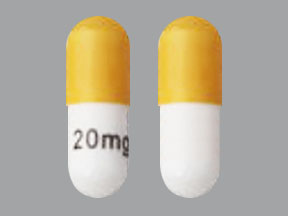
20 mg* |
Temozolomide Capsules |
Merck |
||
|
100 mg* |
Temodar |
Merck |
||
|
Temozolomide Capsules |
||||
|
140 mg* |
Temodar |
Merck |
||
|
Temozolomide Capsules |
||||
|
180 mg* |
Temodar |
Merck |
||
|
Temozolomide Capsules |
||||
|
250 mg* |
Temodar |
Merck |
||
|
Temozolomide Capsules |
||||
|
Parenteral |
For injection, for IV infusion |
100 mg |
Temodar for Injection |
Merck |
AHFS DI Essentials™. © Copyright 2025, Selected Revisions October 10, 2024. American Society of Health-System Pharmacists, Inc., 4500 East-West Highway, Suite 900, Bethesda, Maryland 20814.
Reload page with references included
More about temozolomide
- Check interactions
- Compare alternatives
- Pricing & coupons
- Reviews (10)
- Drug images
- Side effects
- Dosage information
- During pregnancy
- Drug class: alkylating agents
- En español