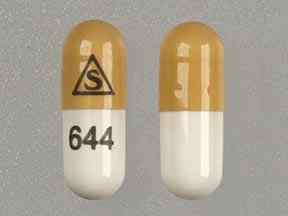
Tacrolimus (Monograph)
Brand names: Astagraf XL, Envarsus XR, Prograf
Drug class: Calcineurin Inhibitors, Miscellaneous
Warning
- Malignancies and Serious Infections in Transplant Patients
-
Increased risk for developing serious infections and malignancies with tacrolimus or other immunosuppressants that may lead to hospitalization or death.
-
Immunosuppression may result in increased susceptibility to infection and possible development of lymphoma or other malignancies, particularly of the skin.
- Increased Mortality in Female Liver Transplant Patients
-
Increased mortality reported in female liver transplant patients with tacrolimus extended-release capsules. Tacrolimus extended-release capsules (Astragraf XL) are not labeled for use in liver transplantation.
Introduction
Calcineurin inhibitor; immunosuppressive agent.
Uses for Tacrolimus
Renal Transplantation
Used in combination with other immunosuppressants for prevention of renal allograft rejection.
Immediate-release oral preparations and the IV formulation are indicated for prophylaxis of organ rejection in adult and pediatric kidney transplant patients. Tacrolimus extended-release capsules (Astagraf XL) are indicated for prophylaxis of organ rejection in adult and pediatric kidney transplant patients who are able to swallow capsules intact. Tacrolimus extended-release tablets (Envarsus XL) are indicated for prophylaxis of organ rejection in de novo adult kidney transplant patients or patients who are converting from tacrolimus immediate-release formulations.
Studies have shown that tacrolimus is superior to cyclosporine for preventing acute rejection and improving allograft survival after kidney transplantation, but increases rates of post-transplant diabetes and of neurological and GI adverse effects.
Efficacy and safety of extended-release formulations comparable to immediate-release capsules for prevention of transplant rejection in de novo kidney transplant patients.
Liver Transplantation
Immediate-release and IV preparations used in combination with other immunosuppressants for prevention of hepatic allograft rejection in adults and pediatric patients.
Use of sirolimus with tacrolimus in de novo liver transplant patients associated with an excess mortality, graft loss, and hepatic artery thrombosis, and is not recommended.
Cardiac Transplantation
Immediate-release and IV preparations used in combination with other immunosuppressants for prevention of cardiac allograft rejection in adults and pediatric patients.
Lung Transplantation
Immediate-release and IV preparations used in combination with other immunosuppressants for prevention of lung allograft rejection in adults and pediatric patients.
Crohn’s Disease
Has been used in the management of fistulizing Crohn’s disease† [off-label].
The American College of Gastroenterology guideline on the management of Crohn’s disease in adults strongly recommends that tacrolimus should not be used for moderate-to-severe/moderate-to-high-risk Crohn’s disease. However, for perianal and cutaneous fistulizing disease, tacrolimus can be administered short-term; significant toxicity precludes the use of tacrolimus on a long-term basis.
Pancreas Transplantation
Prevention of rejection of pancreas allografts† [off-label] (often performed simultaneously with a kidney transplant).
The 2022 ACCP, AST, and ISHLT consensus recommendations for use of maintenance immunosuppression in solid organ transplantation state that tacrolimus is superior to cyclosporine for the prevention of allograft rejection and is also superior for reducing the severity of rejection in pancreas transplantation.
The recommendations also note that tacrolimus is associated with improved allograft survival compared to cyclosporine in pancreas transplant.
Intestinal Transplantation
Prevention of rejection of intestinal allografts† [off-label].
The 2022 ACCP, AST, and ISHLT consensus recommendations for use of maintenance immunosuppression in solid organ transplantation state that tacrolimus is superior to cyclosporine for the prevention of allograft rejection in intestinal transplantation.
Other Uses
Prevention of rejection of vascular composite allografts† [off-label].
Transplantation - Clinical Perspective
KDIGO clinical practice guideline states that immunosuppressive medication recommendations are complex as combinations of multiple drug classes are utilized and choices between varying regimens are determined through an evaluation of benefits and harms.
For initial maintenance immunosuppression, KDIGO recommends a combination of immunosuppressive medications including a calcineurin inhibitor (tacrolimus – first line) and an antiproliferative agent (mycophenolate – first line), with or without corticosteroids.
Consensus recommendations from the ACCP, AST, and the ISHLT state there is no standardized approach to maintenance immunosuppression management in solid organ transplantation and a variety of factors may impact the choice of agents including the transplanted organ, center-specific protocols, provider expertise, insurance and cost issues, and patient characteristics and tolerability of therapy.
The consensus recommendations note that tacrolimus is superior to cyclosporine for the prevention of acute rejection in various solid organ transplants.
Tacrolimus is also superior to cyclosporine with regard to reducing the severity of rejection in kidney and pancreas transplants and is associated with improved allograft survival in kidney, pancreas, and liver transplantation.
Tacrolimus may offer an advantage over cyclosporine in lung transplant regarding prevention of bronchiolitis obliterans syndrome.
Related/similar drugs
azathioprine, mycophenolate mofetil, cyclosporine, CellCept, Imuran, everolimus, Prograf
Tacrolimus Dosage and Administration
General
Pretreatment Screening
-
Evaluate immunizations and give complete complement of needed vaccines before transplantation and treatment.
-
Assess patients for a history of cardiac arrhythmias, symptomatic bradycardia, hypokalemia, or hypomagnesemia that could increase the risk of torsades de pointes and/or sudden death with tacrolimus use.
Patient Monitoring
-
Therapeutic drug monitoring is recommended for all patients. (See Therapeutic Drug Monitoring under Dosage and Administration.)
-
Continuously observe patients receiving IV tacrolimus for at least the first 30 minutes following the start of the infusion and at frequent intervals thereafter. If signs or symptoms of anaphylaxis occur, stop the infusion.
-
Examine patients for skin changes periodically.
-
Monitor patients for signs and symptoms of infection.
-
Perform routine laboratory testing (e.g., for assessment of renal and hepatic function, for monitoring of glucose and potassium concentrations).
-
Monitor patients for neurologic changes.
-
Check blood pressure periodically.
Dispensing and Administration Precautions
-
Tacrolimus should only be used under the supervision of a provider with experience managing immunosuppressive therapy. Changes between tacrolimus immediate-release and extended-release dosage forms must occur under physician supervision.
-
When IV tacrolimus is administered, emergency drugs and equipment such as epinephrine and oxygen should be available at the bedside.
-
Wearing disposable gloves is recommended during dilution of the injection or when preparing the oral suspension in the hospital and when wiping any spills.
-
Avoid inhalation or direct contact with skin or mucous membranes of the powder or granules contained in tacrolimus capsules and tacrolimus granules, respectively. If such contact occurs, wash the skin thoroughly with soap and water; if ocular contact occurs, rinse eyes with water. If a spill occurs, wipe the surface with a wet paper towel.
Other General Considerations
-
Do not use simultaneously with cyclosporine. Tacrolimus or cyclosporine should be discontinued at least 24 hours before initiating the other drug. In the presence of elevated tacrolimus or cyclosporine concentrations, dosing with the other drug usually should be further delayed.
Administration
Administer orally (as immediate-release capsules, granules for suspension, extended-release capsules, or extended-release tablets) or by IV infusion depending on the specific indication and whether patient is able to tolerate oral formulations.
If therapy is initiated with the IV formulation, substitute oral therapy as soon as tolerated. Initiate oral tacrolimus 8–12 hours after IV infusion is discontinued.
Because of differences in pharmacokinetic properties, extended-release capsule and tablet products are not interchangeable with each other or with tacrolimus immediate-release capsules or granules for suspension. When converting between immediate-release capsules and granules for suspension, the total daily dosage should remain the same; therapeutic drug monitoring is recommended when switching between tacrolimus formulations.
Oral Administration
Immediate-release Capsules
Administer immediate-release capsules every 12 hours at consistent times of day to minimize variability in systemic exposure. Take with or without food in the same way for each dose. Do not open or crush capsules.
In liver, heart, or lung transplant patients, administer the initial dose of immediate-release capsules no sooner than 6 hours after transplantation. In kidney transplant patients, the initial dose of immediate-release capsules may be administered within 24 hours of transplantation, but should be delayed until renal function has recovered.
Granules for Oral Suspension
Use in patients who have difficulty swallowing capsules. Administer the suspension every 12 hours at consistent times of day. Take with or without food the same way for each dose.
Do not sprinkle tacrolimus granules on food for administration. Empty the entire contents of the packet or packets needed for the prescribed dose into an empty glass drinking container; check that no granules remain in the packet or packets. Add 15-30 mL of room temperature drinking water to the glass, and mix; the granules will not dissolve completely. Administer the suspension immediately, then rinse the glass with an additional 15-30 mL of room temperature water, and administer this additional volume to the patient. Do not prepare tacrolimus suspension in a plastic (PVC containing) cup or use plastic tubing, syringes, or other equipment during administration; use glass or metal materials when preparing tacrolimus suspension. A non-PVC oral syringe may be used for administration to younger patients. Do not prepare tacrolimus suspension in advance or store after mixing with water. Consult the manufacturer’s labeling and instructions for detailed information on preparing and administering tacrolimus granules for oral suspension.
Extended-release Capsules (Astagraf XL)
Administer every morning on an empty stomach, at least 1 hour before a meal, or at least 2 hours after a meal. at a consistent time each day to minimize variability in systemic exposure. Swallow extended-release capsules whole with liquid; do not chew, divide, or crush the capsules.
If a dose of tacrolimus extended-release capsules is missed by <14 hours, administer missed dose as soon as possible. If a dose is missed by ≥14 hours, the regular schedule should be resumed the following morning; the missed dose should not be administered later in the day and an extra dose should not be administered to make up for the missed dose.
Extended-release Tablets (Envarsus XL)
Administer every morning on an empty stomach, at least 1 hour before a meal, or at least 2 hours after a meal. at a consistent time each day to minimize variability in systemic exposure. Swallow extended-release tablets whole with liquid (preferably water); do not chew, divide, or crush the tablets.
If a dose of tacrolimus extended-release tablets is missed by <15 hours, administer missed dose as soon as possible. If a dose is missed by ≥15 hours, the regular schedule should be resumed the following morning; the missed dose should not be administered later in the day and an extra dose should not be administered to make up for the missed dose.
Standardize 4 Safety
Standardized concentrations for an extemporaneously prepared oral liquid formulation of tacrolimus have been established through Standardize 4 Safety (S4S), a national patient safety initiative to reduce medication errors, especially during transitions of care. Because recommendations from the S4S panels may differ from the manufacturer’s prescribing information, caution is advised when using concentrations that differ from labeling, particularly when using rate information from the label. For additional information on S4S (including updates that may be available), see [Web].
|
Concentration Standard |
|---|
|
1 mg/mL |
IV Administration
Prepare infusion solutions in glass or polyethylene containers; avoid use of PVC containers. Use PVC-free tubing for administration of more dilute solutions (e.g., those for pediatric patients).
Do not mix or co-infuse with solutions of pH 9 or greater (e.g., ganciclovir or acyclovir) due to the chemical instability of tacrolimus in alkaline media.
Continuously observe patient for ≥30 minutes following initiation of the IV infusion and then at frequent intervals thereafter for possible allergic manifestations.
Dilution
Must be diluted with 0.9% sodium chloride or 5% dextrose injection to a concentration of 4–20 mcg (0.004–0.02 mg) per mL prior to administration.
Rate of Administration
Administer daily dose over 24 hours by continuous IV infusion.
Standardize 4 Safety
Standardized concentrations forIV tacrolimus have been established through Standardize 4 Safety (S4S), a national patient safety initiative to reduce medication errors, especially during transitions of care. Because recommendations from the S4S panels may differ from the manufacturer’s prescribing information, caution is advised when using concentrations that differ from labeling, particularly when using rate information from the label. For additional information on S4S (including updates that may be available), see [Web].
|
Patient Population |
Concentration Standard |
Dosing Units |
|---|---|---|
|
Pediatric patients (<50 kg) |
0.02 mg/mL |
mg/kg/day |
Dosage
Available as anhydrous tacrolimus; dosage expressed in terms of anhydrous drug.
Individualize dosage based on clinical assessments of organ rejection and patient tolerability.
Dosage requirements generally decline with continued therapy; long-term administration is necessary to prevent rejection.
Pediatric Patients
Children generally require higher dosages than adults on a weight basis to achieve comparable blood concentrations.
To convert from tacrolimus granules to tacrolimus capsules or from tacrolimus capsules to tacrolimus granules, the total daily dose should remain the same. Perform therapeutic drug monitoring after conversion of one tacrolimus formulation to another.
Kidney Transplantation
Oral
Immediate-release capsules or granules: Initially, 300 mcg/kg (0.3 mg/kg) daily, administered in 2 divided daily doses every 12 hours. Typical trough whole blood tacrolimus concentrations should be 5–20 ng/mL at 1–12 months post-transplant.
Extended-release capsules (Astagraf XL) in combination with basiliximab, mycophenolate mofetil, and steroids: Initially, 300 mcg/kg (0.3 mg/kg) once daily within 24 hours of reperfusion. Typical trough whole blood tacrolimus concentrations should be 10–20 ng/mL in the first month and 5–15 ng/mL after the first month.
Liver Transplantation
Oral
Immediate-release capsules or granules: Initially, 150–200 mcg/kg (0.15–0.2 mg/kg) daily, administered in 2 divided daily doses every 12 hours. Typical trough whole blood tacrolimus concentrations should be 5–20 ng/mL when measured at months 1–12 post-transplant.
IV
Initially, 30–50 mcg/kg (0.03–0.05 mg/kg) daily.
Cardiac Transplantation
Oral
Immediate-release capsules or granules: Initially, 300 mcg/kg (0.3 mg/kg) daily, administered in 2 divided daily doses every 12 hours. If antibody induction treatment is administered, give 100 mcg/kg (0.1 mg/kg) daily, administered in 2 divided daily doses every 12 hours. Typical trough whole blood tacrolimus concentrations should be 5–20 ng/mL when measured at months 1–12 post-transplant.
Lung Transplantation
Oral
Immediate-release capsules or granules: Initially, 300 mcg/kg (0.3 mg/kg) daily, administered in 2 divided daily doses every 12 hours. If antibody induction treatment is administered, give 100 mcg/kg (0.1 mg/kg) daily, administered in 2 divided daily doses every 12 hours Typical trough whole blood tacrolimus concentrations should be 10–20 ng/mL at weeks 1-2 and 10-15 ng/mL for week 2 to month 12 post-transplant.
Adults
Kidney Transplantation
Oral
Immediate-release capsules or granules: Initially, in combination with azathioprine: 200 mcg/kg (0.2 mg/kg) daily, administered in 2 divided daily doses every 12 hours. Typical trough whole blood tacrolimus concentrations should be 7–20 ng/mL and 5–15 ng/mL when measured at months 1–3 and 4–12 post-transplant, respectively.
Immediate-release capsules or granules: Initially, in combination with mycophenolate mofetil/interleukin 2 receptor antagonist: 100 mcg/kg (0.1 mg/kg) daily, administered in 2 divided daily doses every 12 hours. Typical trough whole blood tacrolimus concentrations should be 4–11 ng/mL when measured at months 1–12 months post-transplant. Alternatively, in a small clinical trial, initially in combination with mycophenolate mofetil/interleukin 2 receptor antagonist: 150–200 mcg/kg (0.15-0.2 mg/kg) daily. Observed tacrolimus concentrations were 6-16 ng/mL and 5–12 ng/mL during months 1–3 and months 4–12, respectively.
Extended-release capsules (Astagraf XL): Initially, in combination with basliximab, mycophenolate mofetil, and steroids: 150-200 mcg/kg (0.15 to 0.2 mg/kg) once daily prior to reperfusion or within 48 hours of completion of transplant. Typical trough whole blood tacrolimus concentrations should be 7-15 ng/mL in the first month, 5-15 ng/mL in months 2–6, and 5-10 ng/mL ≥6 months.
Extended-release capsules (Astagraf XL): In combination with mycophenolate mofetil, and steroids, without basiliximab induction, a first dose (pre-operative) of 100 mcg/kg (0.1 mg/kg), within 12 hours prior to reperfusion. Subsequent doses postoperatively, 200 mcg/kg (0.2 mg/kg) once daily at least 4 hours after pre-operative dose and within 12 hours after reperfusion. Typical trough whole blood tacrolimus concentrations should be 10–15 ng/mL, 5–15 ng/mL, and 5–10 ng/mL when measured at month 1, at months 2–6, or ≥6 months post-transplant, respectively.
Extended-release tablets (Envarsus XR): Initially, 140 mcg/kg (0.14 mg/kg) once daily. Typical trough whole blood tacrolimus concentrations should be 6–11 ng/mL in the first month and 4–11 ng/mL after the first month. To convert from a tacrolimus immediate-release product, administer extended-release tablets once daily at a dose that is 80% of the total daily dose of the immediate-release product. Monitor tacrolimus trough whole blood concentrations and titrate extended-release tablet dosage to achieve trough whole blood concentrations of 4 to 11 ng/mL.
IV
Initially, 30–50 mcg/kg (0.03–0.05 mg/kg) daily commencing after revascularization of the graft. Adults should receive a dosage at the lower end of this range.
Liver Transplantation
Oral
Immediate-release capsules or granules in combination with corticosteroids only: Initially, 100–150 mcg/kg (0.1–0.15 mg/kg) daily, administered in 2 divided doses every 12 hours. Typical trough whole blood tacrolimus concentrations should be 5–20 ng/mL when measured at months 1–12 post-transplant.
IV
Initially, 30–50 mcg/kg (0.03–0.05 mg/kg) daily commencing after revascularization of the graft. Adults should receive a dosage at the lower end of this range.
Cardiac Transplantation
Oral
Immediate-release capsules or granules: Initially, in combination with azathioprine or mycophenolate mofetil: 75 mcg/kg (0.075 mg/kg) daily, administered in 2 divided daily doses every 12 hours. Typical trough whole blood tacrolimus concentrations should be 10–20 ng/mL and 5–15 ng/mL when measured in months 1–3 and ≥4 months post-transplant, respectively.
IV
Initially, 10 mcg/kg (0.01 mg/kg) daily in heart transplant patients, administered as a continuous infusion.
Lung Transplantation
Oral
Immediate-release capsules or granules in combination with azathioprine or mycophenolate mofetil: Initially, 75 mcg/kg (0.075 mg/kg) daily, administered in 2 divided doses every 12 hours. Typical trough whole blood tacrolimus concentrations should be 10-15 ng/mL and 8-12 ng/mL at months 1-3 and from 4-12 months post-transplant, respectively.
IV
Initially, 10–30 mcg/kg (0.01–0.03 mg/kg) daily commencing after revascularization of the graft. Adults should receive a dosage at the lower end of this range.
Therapeutic Drug Monitoring
Monitoring whole blood tacrolimus concentrations may be useful in assessing organ rejection and toxicity, adjusting dosage, and determining compliance. Factors influencing frequency of monitoring include hepatic or renal dysfunction, addition or discontinuance of potentially interacting drugs, dosage form, and time since transplant.
Therapeutic drug monitoring is not a replacement for renal and hepatic function monitoring and tissue biopsies.
Relative risk of drug toxicity appears to be increased with higher trough concentrations; monitoring of trough whole blood concentrations is recommended.
Methods commonly used for assaying tacrolimus concentrations include high-performance liquid chromatography with tandem mass spectrometric detection (HPLC/MS/MS) and immunoassays.
Consult specialized sources for further discussion of the clinical utility of tacrolimus concentration monitoring.
Pharmacogenomic Considerations in Dosing
Pharmacogenetic variations in tacrolimus metabolism may affect dosage requirements. Blood concentrations of tacrolimus are strongly influenced by CYP3A5 genotype.
CPIC guidelines recommend that individuals who express CYP3A5 (extensive or intermediate metabolizers) should increase the recommended starting dose by 1.5–2 times (not to exceed 0.3 mg/kg daily). Those who do not express CYP3A5 (poor metabolizers) should initiate therapy with the standard recommended dose. Therapeutic drug monitoring should be used to guide dose adjustments.
If genotype information is known, it may be used to individualize initial tacrolimus dosing and more rapidly achieve therapeutic drug concentrations. Initiation of tacrolimus therapy, however, should not be delayed to await genotyping test results.
Special Populations
Hepatic Impairment
Initiate therapy with the lowest dosage in the recommended range.
Further dosage reduction may be required (e.g., in patients with severe hepatic impairment [Child-Pugh score ≥10]).
Use in liver transplant recipients experiencing post-transplant hepatic impairment may be associated with increased risk of developing renal insufficiency. Monitor these patients closely; consider dosage adjustments.
Renal Impairment
Initiate therapy with the lowest dosage in the recommended range. Further dosage reduction may be required.
In kidney transplant patients with post-operative oliguria, administer initial dose no sooner than 6 hours and within 24 hours of transplantation; the initial dose may be delayed until renal fucntion shows evidence of recovery.
Race or Ethnicity
Black patients may need to be titrated to higher dosages to attain comparable trough concentrations compared to white patients.
Cautions for Tacrolimus
Contraindications
-
Known hypersensitivity to tacrolimus or any ingredient in the formulation (e.g., polyoxyl 60 hydrogenated castor oil [HCO-60] in the IV formulation).
Warnings/Precautions
Warnings
Lymphomas and Other Malignancies
Possible increased development of lymphoma or other malignancies, particularly of the skin. Risk may be related to the intensity and duration of immunosupression. (See Boxed Warning.)
Post-transplant lymphoproliferative disorder (PTLD) that appears to be associated with Epstein-Barr virus (EBV) infection reported in immunosuppressed organ transplant patients. Risk of this disorder appears greatest in young children who are at risk for primary EBV infections while immunosuppressed or whose immunosuppressive regimen is changed to tacrolimus following long-term immunosuppressive therapy. Monitor EBV serology during treatment.
Serious Infections
Possible increased susceptibility to infection, viral, fungal and protozoal infection, including opportunistic infections, that may be serious or fatal(See Boxed Warning).
Serious viral infections reported include polyomavirus-associated nephropathy (PVAN), mostly due to BK virus infection or reactivation of latent viral infections. Principally observed in renal transplant patients (usually within the first year post-transplantation); may result in severe allograft dysfunction and/or graft loss. Risk appears to correlate with degree of overall immunosuppression rather than use of specific immunosuppressant. Monitor closely for signs of PVAN (e.g., deterioration of renal function); if PVAN develops, institute early treatment, and consider reducing immunosuppressive therapy.
Progressive multifocal leukoencephalopathy (PML), an opportunistic viral infection of the brain caused by the JC virus has also been reported with tacrolimus use. Use of multiple immunosuppressive agents may contribute to risk of PML. Consider possible diagnosis of PML in any immunocompromised patient who develops progressive neurologic deficits. If PML develops, consider decreasing total immunosuppression.
Cytomegalovirus (CMV)-seronegative transplant patients who receive an organ from a CMV-seropositive donor are at higher risk of developing CMV infection and CMV disease during tacrolimus treatment. Monitor for development of infection and consider changing immunosuppressant dosage to balance the risk of infection with the organ rejection risk.
Increased Mortality in Female Liver Transplant Patients (Extended-release Capsules [Astragraf XL])
Increased mortality reported in female liver transplant patients who received tacrolimus extended-release capsules (Astragraf XL; See Boxed Warning). This preparation is not labeled for use in liver transplantation.
Sensitivity Reactions
Anaphylaxis
Risk of anaphylaxis associated with IV therapy; reserve for patients who cannot accommodate oral administration.
Ensure that appropriate equipment and agents for the treatment of anaphylactic reactions readily available whenever tacrolimus is administered IV. If anaphylaxis occurs, immediately discontinue the IV infusion and institute appropriate therapy (e.g., epinephrine, oxygen).
General Precautions
Interchangeability of Extended-release Products
Medication errors reported, including substitution and dispensing errors, between tacrolimus immediate-release products and tacrolimus extended-release products. Errors led to serious adverse reactions, including graft rejection, or other adverse reactions due to under- or over-exposure to tacrolimus.
Substitute extended-release and immediate-release preparations only under physician supervision.
Instruct patients and caregivers to recognize the appearance of their prescribed dosage form and to contact their healthcare provider if a different product is dispensed or if dosing instructions have changed.
New Onset Diabetes
Increased risk of hyperglycemia or new-onset, insulin-dependent, post-transplant diabetes mellitus reported with tacrolimus use in clinical studies for heart, lung, kidney, and liver transplantation. Black and Hispanic renal transplant patients are most at risk for development of post-transplant diabetes mellitus.
Monitor fasting blood glucose concentrations regularly.
Nephrotoxicity
Potential for nephrotoxicity, especially at high doses.
Monitor Scr regularly and adjust dosage or discontinue tacrolimus, as needed.
Neurotoxicity
Risk of neurotoxicity (e.g., tremor, headache, other changes in motor function, mental status, or sensory function), especially at high doses.
Closely monitor neurologic function and status.
Consider dosage reduction or discontinue treatment if neurotoxicity occurs.
Hyperkalemia
Possible hyperkalemia (sometimes severe).
Monitor serum potassium concentrations regularly; carefully consider concomitant use of potassium-sparing diuretics, ACE inhibitors, or angiotensin receptor blockers.
If hyperkalemia occurs, institute appropriate management (e.g., restriction of potassium intake, administration of potassium-binding resin or mineralocorticoid).
Hypertension
Development of hypertension reported commonly; generally is mild to moderate; may require antihypertensive therapy. Carefully consider use of antihypertensive agents associated with hyperkalemia (e.g., potassium-sparing diuretics, ACE inhibitors, angiotensin receptor blockers).
QT prolongation
Tacrolimus may prolong the QT interval and increase the risk of causing torsades de pointes. Avoid use in patients with known QT interval prolongation. Consider obtaining electrocardiograms and monitoring electrolytes (magnesium, potassium, calcium) periodically during treatment in those who have congestive heart failure, bradyarrhythmias, those who are receiving drugs known to prolong the QT interval (e.g., class IA and III antiarrhythmic agents) and those with electrolyte disturbances such as hypokalemia, hypocalcemia, or hypomagnesemia.
Reduce tacrolimus dose when co-administering with other substrates and/or inhibitors of CYP3A4 that also have the potential to prolong the QT interval. Monitor tacrolimus whole blood concentrations and for QT prolongation.
Myocardial Hypertrophy
Risk of myocardial hypertrophy reported in infants, children, and adults, particularly those with high tacrolimus trough concentrations; generally reversible following dosage reduction or drug discontinuance.
Consider performing echocardiographic evaluation if renal failure or clinical manifestations of ventricular dysfunction occur.
If myocardial hypertrophy is diagnosed, consider decreasing dosage or discontinuing therapy.
Immunizations
Tacrolimus may interfere with the safety and effectiveness of vaccines. Avoid use of live vaccines during treatment with tacrolimus. Inactivated vaccines noted to be safe for administration after transplantation may not be sufficiently immunogenic during treatment with tacrolimus. When possible, administer the complete complement of vaccines before transplantation and treatment with tacrolimus.
Pure Red Cell Aplasia
Pure red cell aplasia (PRCA) reported. All patients who developed PRCA had risk factors such as parvovirus B19 infection, underlying disease, or concomitant medications associated with PRCA.
If PRCA is diagnosed, consider discontinuation of tacrolimus.
Specific Populations
Pregnancy
May cause fetal harm including prematurity, birth defects/congenital anomalies, low birth weight, and fetal distress. Females of reproductive potential should use effective birth control prior to initiation and during tacrolimus treatment. Males who have female partners who are able to become pregnant should also use effective birth control before and during treatment with tacrolimus.
TPRI is a voluntary pregnancy exposure registry that monitors outcomes of pregnancy in female transplant recipients and those fathered by male transplant recipients exposed to immunosuppressants including tacrolimus; clinicians are encouraged to advise their patients to register by contacting the TPRI at 1-877-955-6877 or their website [Web].
May increase hyperglycemia in pregnant females with diabetes; monitor blood glucose levels regularly. May also exacerbate hypertension in pregnant females and increase the risk of pre-eclampsia; monitor and control BP.
Lactation
Distributed into human milk; effects on infant or milk production unknown. Consider benefits of breast-feeding along with the importance of tacrolimus to the mother and any potential adverse effects on the breast-fed infant from the drug or underlying maternal condition.
Females and Males of Reproductive Potential
Females of reproductive potential should use effective birth control prior to initiation and during tacrolimus treatment. Males who have female partners who are able to become pregnant should also use effective birth control before and during treatment with tacrolimus.
Based on findings in animals, male and female fertility may be compromised.
Pediatric Use
Safety and effectiveness have been established in pediatric liver, kidney, heart, and lung transplant patients.
Pediatric patients generally require higher doses of tacrolimus to maintain blood trough concentrations similar to adult patients.
Geriatric Use
Insufficient experience in patients ≥65 years of age to determine whether geriatric patients respond differently than younger adults; select dosage with caution.
If evidence of renal impairment exists or develops, adjust dosage.
Hepatic Impairment
Decreased clearance in patients with severe hepatic impairment; adjust dosage and closely monitor blood concentrations in these patients.
Hepatic transplant patients experiencing post-transplant hepatic impairment may be at increased risk of renal impairment secondary to high blood tacrolimus concentrations; monitor such patients closely and consider dosage adjustment.
Renal Impairment
Potential for nephrotoxicity; monitor patient closely. Dosage adjustments recommended.
Race
Black renal transplant patients may require higher doses than patients of other races to maintain comparable whole blood trough drug concentrations.
African-American and Hispanic patients are at increased risk for new onset diabetes post-transplantion. Monitor blood glucose concentrations and treat appropriately.
Common Adverse Effects
Kidney transplantation (≥30% of patients receiving immediate-release products): infection, tremor, hypertension, abnormal renal function, constipation, diarrhea, headache, abdominal pain, insomnia, nausea, hypomagnesemia, urinary tract infection, hypophosphatemia, peripheral edema, asthenia, pain, hyperlipidemia, hyperkalemia, and anemia. The most common adverse reactions reported in ≥30% of patients receiving tacrolimus extended-release capsules were: diarrhea, constipation, nausea, peripheral edema, tremor, and anemia. The most common adverse reactions reported in ≥30% of patients receiving tacrolimus extended-release tablets were: infection and diarrhea.
Liver transplantation (≥40% of patients receiving immediate-release products): tremor, headache, diarrhea, hypertension, nausea, abnormal renal function, abdominal pain, insomnia, paresthesia, anemia, pain, fever, asthenia, hyperkalemia, hypomagnesemia, and hyperglycemia.
Heart transplantation (≥15% of patients receiving immediate-release products): abnormal renal function, hypertension, diabetes mellitus, CMV infection, tremor, hyperglycemia, leukopenia, infection, anemia, bronchitis, pericardial effusion, urinary tract infection, and hyperlipidemia.
Lung transplantation: adverse reactions reported of patients receiving immediate-release products were similar to those in kidney, heart, or liver transplant patients treated with tacrolimus.
Drug Interactions
Metabolized by CYP isoenzymes, principally CYP3A.
Drugs Affecting Hepatic Microsomal Enzymes
Pharmacokinetic interactions are likely with drugs that are potent inhibitors or inducers of CYP3A, possibly resulting in increased or decreased blood concentrations of tacrolimus. If such drugs are used concomitantly, monitor blood tacrolimus concentrations and adjust dosage as needed.
Specific Drugs and Foods
|
Drug or Food |
Interaction |
Comments |
|---|---|---|
|
ACE inhibitors |
Risk of hyperkalemia |
Carefully consider concomitant use |
|
Alcohol |
Alcohol may modify the rate of release of tacrolimus capsules and tablets and increase the risk of serious adverse reactions (e.g., neurotoxicity, QT prolongation ) |
Instruct patients to avoid alcoholic beverages |
|
Amiodarone |
Possible increased blood tacrolimus concentrations and risk of serious adverse reactions (e.g., neurotoxicity, QT prolongation) |
Monitor blood tacrolimus concentrations and adjust dosage as needed |
|
Angiotensin receptor blockers (ARBs) |
Risk of hyperkalemia. |
Carefully consider concomitant use. |
|
Antacids (aluminum- and magnesium-containing) |
Possible increased blood tacrolimus concentrations and risk of serious adverse reactions (e.g., neurotoxicity, QT prolongation) |
Monitor blood tacrolimus concentrations and adjust dosage as needed |
|
Anticonvulsants (carbamazepine, phenobarbital, phenytoin) |
Possible decreased blood tacrolimus concentrations; possible increased serum phenytoin concentrations |
Monitor blood tacrolimus concentrations and adjust dosage as needed |
|
Antifungals, azoles (e.g., fluconazole, itraconazole, ketoconazole, voriconazole) |
Possible increased blood tacrolimus concentrations and increased risk of serious adverse reactions (e.g., neurotoxicity, QT prolongation) Ketoconazole: Concomitant oral use substantially decreases apparent clearance of oral tacrolimus; clearance of IV tacrolimus not substantially altered |
Early and frequent monitoring of tacrolimus whole blood trough levels should start within 1-3 days; adjust dosage as needed Reduce tacrolimus dose (for voriconazole and posaconazole, give one-third of the original dose) |
|
Antimycobacterials (rifabutin, rifampin) |
Possible decreased blood tacrolimus concentrations |
Monitor blood tacrolimus concentrations and adjust dosage as needed |
|
Calcium-channel blocking agents (diltiazem, nicardipine, nifedipine, verapamil) |
Possible increased blood tacrolimus concentrations and risk of serious adverse reactions (e.g., neurotoxicity, QT prolongation) |
Monitor blood tacrolimus concentrations and adjust dosage as needed |
|
Caspofungin |
Possible decreased blood tacrolimus concentrations |
Monitor blood tacrolimus concentrations and adjust dosage as needed |
|
Chloramphenicol |
Possible increased blood tacrolimus concentrations |
Early and frequent monitoring of tacrolimus whole blood trough levels should start within 1-3 days; adjust dosage as needed. |
|
Cimetidine |
Possible increased blood tacrolimus concentrations and risk of serious adverse reactions (e.g., neurotoxicity, QT prolongation) |
Monitor blood tacrolimus concentrations and adjust dosage as needed |
|
Cyclosporine |
Possible increased blood tacrolimus concentrations; additive/synergistic nephrotoxicity |
Avoid concomitant use Allow ≥24 hours to elapse between discontinuance of cyclosporine and initiation of tacrolimus, and vice versa; further delay the transfer to the alternative agent if blood concentrations of cyclosporine or tacrolimus are elevated |
|
Direct Acting Antiviral Therapy (DAA) |
The pharmacokinetics of tacrolimus may be affected by changes in liver function during DAA therapy, related to clearance of HCV virus |
Monitor tacrolimus whole blood trough concentrations throughout therapy and adjust tacrolimus dose if necessary |
|
Danazol |
Possible increased blood tacrolimus concentrations and risk of serious adverse reactions (e.g., neurotoxicity, QT prolongation) |
Monitor blood tacrolimus concentrations and adjust dosage as needed |
|
Diuretics, potassium-sparing |
Risk of hyperkalemia |
Carefully consider concomitant use |
|
Estrogens (ethinyl estradiol) |
Possible increased blood tacrolimus concentrations and risk of serious adverse reactions (e.g., neurotoxicity, QT prolongation) |
Monitor blood tacrolimus concentrations and adjust dosage as needed |
|
Grapefruit or grapefruit juice |
Possible increased blood tacrolimus concentrations and risk of serious adverse reactions (e.g., neurotoxicity, QT prolongation) |
Avoid concomitant use |
|
HIV protease inhibitors (e.g., nelfinavir, ritonavir) |
Possible increased blood tacrolimus concentrations and increased risk of serious adverse reactions (e.g., neurotoxicity, QT prolongation) |
Early and frequent monitoring of tacrolimus whole blood trough levels should start within 1-3 days; adjust dosage as needed |
|
Immunosuppressive agents |
Risk of oversuppression of the immune system and associated susceptibility to infection and risk of lymphoma |
Use with caution |
|
Letermovir |
Possible increased blood tacrolimus concentrations and increased risk of serious adverse reactions (e.g., neurotoxicity, QT prolongation) |
Early and frequent monitoring of tacrolimus whole blood trough levels should start within 1-3 days; adjust dosage as needed |
|
Macrolide antibiotics (clarithromycin, erythromycin, troleandomycin) |
Possible increased blood tacrolimus concentrations and risk of serious adverse reactions (e.g., neurotoxicity, QT prolongation) |
Early and frequent monitoring of tacrolimus whole blood trough levels should start within 1-3 days; adjust dosage as needed |
|
Methylprednisolone, prednisolone |
Possible decreased blood tacrolimus concentrations |
Monitor blood tacrolimus concentrations and adjust dosage as needed |
|
Metoclopramide |
Possible increased blood tacrolimus concentrations and risk of serious adverse reactions (e.g., neurotoxicity, QT prolongation) |
Monitor blood tacrolimus concentrations and adjust dosage as needed |
|
Mycophenolic Acid (MPA) |
Possible increased MPA exposure |
Monitor for MPA-associated adverse reactions and reduce the dose of MPA product as needed. |
|
Nefazodone |
Possible increased blood tacrolimus concentrations |
Early and frequent monitoring of tacrolimus whole blood trough levels. Adjust dosage as needed |
|
Nephrotoxic drugs (e.g., aminoglycosides, amphotericin B, cisplatin, ganciclovir) |
Possible increased risk of nephrotoxicity |
Use with caution |
|
Proton-pump inhibitors (lansoprazole, omeprazole) |
Possible increased blood tacrolimus concentrations and risk of serious adverse reactions (e.g., neurotoxicity, QT prolongation) |
Monitor blood tacrolimus concentrations and adjust dosage as needed |
|
Schisandra sphenanthera extracts |
Possible increased blood tacrolimus concentrations and increased risk of serious adverse reactions (e.g., neurotoxicity, QT prolongation) |
Early and frequent monitoring of tacrolimus whole blood trough levels should start within 1-3 days; adjust dosage as needed |
|
Sirolimus |
Possible decreased exposure to tacrolimus. Increased risk of hepatic artery thrombosis, graft loss, and death in de novo liver transplant recipients Increased risk of impaired renal function in heart transplant recipients |
Concomitant use not recommended |
|
St. John’s wort |
Possible decreased blood tacrolimus concentrations |
Monitor blood tacrolimus concentrations and adjust dosage as needed |
|
Vaccines |
Possible decreased response to vaccination |
Avoid use of live vaccines Inactivated vaccines may not be sufficiently immunogenic during treatment |
Tacrolimus Pharmacokinetics
Absorption
Bioavailability
Incomplete and variable absorption following oral administration.
Absolute bioavailability of oral tacrolimus is approximately 17% in adult renal transplant patients, 22% in adult hepatic transplant patients, and 31% in pediatric hepatic transplant patients 0.7–13.2 years of age.
Food
Food can reduce both the rate and extent of oral absorption of tacrolimus immediate-release capsules, granules, extended-release capsules, and extended release tablets; effect is most pronounced with high-fat meals (e.g., 400 kcal, 34% fat).
Chronopharmacokinetic Effect
Administration of extended-release tablets and extended-release capsules in the evening resulted in a 15% and 35% lower AUC, respectively, as compared to morning dosing.
Plasma Concentrations
Lack of direct correlation between blood tacrolimus concentrations and efficacy; however, high trough blood concentrations are possibly associated with increasing incidence of adverse effects.
Distribution
Extent
Crosses the placenta and is distributed into milk.
Average whole blood-to-plasma concentration ratio is 35 (range: 12–67).
Plasma Protein Binding
Approximately 99% (principally albumin and α-1-acid glycoprotein).
Elimination
Metabolism
Extensively metabolized by CYP enzymes (principally CYP3A) to several metabolites. Activity of tacrolimus is related principally to the parent drug.
Elimination Route
Eliminated principally in feces (92%).
Half-life
For tacrolimus elimination half-lives reported for various tacrolimus formulations, see Table 2.
|
Formulation |
Elimination Half-life |
|---|---|
|
Immediate-release capsules |
48.4 hours in healthy adults |
|
Extended-release capsules |
38 hours in healthy adults |
|
Extended-release tablets |
31.0 hours in healthy adults |
|
IV administration |
43.5 hours in healthy adults |
|
IV administration |
10.2 hours in pediatric renal transplantation patients |
|
IV administration |
11.5 hours in pediatric liver transplantation patients |
In adult patients with renal impairment, the half-life was approximately 26.3 hours when administered IV. In adult patients with mild hepatic impairment, the half-life was approximately 60.6 hours when given IV and 66.1 hours when administered orally. In adult patients with severe hepatic impairment, the half-life was approximately 198 hours when given IV and 119 hours when administered orally.
Special Populations
In patients with severe hepatic impairment (mean Child-Pugh score >10), mean clearance is substantially decreased; clearance is not substantially altered in those with mild hepatic impairment.
In patients with renal impairment, clearance is similar to that in healthy individuals.
Stability
Storage
Oral
Immediate-release Capsules
20–25°C (excursions permitted between 15–30°C).
Granules for Oral Suspension
20–25°C (excursions permitted between 15–30°C).
Extended-release Capsules
25°C (excursions permitted between 15–30°C).
Extended-release Tablets
25°C (excursions permitted between 15–30°C).
Parenteral
Concentrate
5–25°C.
Store diluted infusion solutions in glass or polyethylene containers; discard 24 hours after dilution.
Do not store diluted infusion solutions in PVC containers (decreased stability and potential for extraction of phthalates).
Therapeutic Blood Monitoring Samples
Analyze samples immediately or store at room temperature or in a refrigerator for up to 7 days; alternatively, -20°C for up to 12 months.
Actions
-
The exact mechanism(s) of immunosuppressive action has not been elucidated but appears to involve inhibition of T cell activation and proliferation and of the T-helper-cell dependent B cell response.
-
Approximately 10- to 200-fold more potent than cyclosporine on a weight basis in various in vitro T-cell test systems of immune function.
-
Appears to bind to an intracellular protein, FKBP-12. Binding of the tacrolimus/FKBP-12 complex with calcium, calmodulin, and calcineurin inhibits the phosphatase activity of calcineurin, which may prevent dephosphorylation and translocation of nuclear factor of activated T cells (NF-AT). NF-AT putatively initiates gene transcription for the formation of lymphokines (e.g., interleukin-2, gamma interferon) involved in activation of T cells.
Advice to Patients
-
Advise patients and/or caregivers about potential benefits and risks of tacrolimus. Advise patients and/or caregivers to read the medication guide.
-
Advise patient to inspect their tacrolimus medicine when they receive a new prescription and before taking it. If the appearance of the product is not the same as usual, or if dosage instructions have changed they should contact their healthcare provider to make sure that they have the right medicine.
-
Risk of lymphomas and other malignancies, particularly of the skin. Advise patients to limit exposure to sunlight and ultraviolet (UV) light by wearing protective clothing and using a broad spectrum sunscreen with a high protection factor.
-
Risk of infections, including opportunistic infections; advise patients to inform their clinician if they develop fever, sweats, chills, or flu-like symptoms, muscle aches, or warm, red, painful areas on the skin.
-
Risk of new onset diabetes mellitus; advise patients to inform their clinician if frequent urination or increased thirst or hunger develops.
-
Risk of nephrotoxicity; advise patients of the importance of monitoring renal function.
-
Risk of neurotoxicity; advise patients to contact their physician if vision changes, delirium, or tremors develop.
-
Risk of hypertension developing or worsening during therapy. Advise patients of the importance of regular monitoring of blood pressure during treatment.
-
Risk of myocardial hypertrophy; advise patients to inform their clinician if they develop symptoms of tiredness, swelling, and/or shortness of breath.
-
Inform patients that any necessary immunizations should be completed prior to transplantation and initiation of tacrolimus. Avoid administration of live vaccines during treatment and consider decreased immunogenic response of inactivated vaccines.
-
Advise patients of the importance of routine laboratory testing (e.g., for assessment of renal and hepatic function, for monitoring of glucose and potassium concentrations).
-
Advise patients to inform their clinicians of existing or contemplated concomitant therapy, including prescription and OTC drugs and dietary or herbal supplements.
-
Advise patients to avoid grapefruit products during treatment with tacrolimus. Also advise patients to avoid alcohol with use of extended-release products.
-
Advise females to inform their clinician if they are or plan to become pregnant or plan to breast-feed. Advise females of childbearing potential and male patients who have female partners of childbearing potential of the need for effective contraception during therapy. Advise patients that if they become pregnant or father a pregnancy to enroll in the in the voluntary Transplantation Pregnancy Registry International. To enroll or register, patients can call the toll free number 1-877-955-6877 or visit [Web].
-
Advise patients of the potential for tacrolimus use to affect male and female fertility.
-
Inform patients of other important precautionary information.
Additional Information
The American Society of Health-System Pharmacists, Inc. represents that the information provided in the accompanying monograph was formulated with a reasonable standard of care, and in conformity with professional standards in the field. Readers are advised that decisions regarding use of drugs are complex medical decisions requiring the independent, informed decision of an appropriate health care professional, and that the information contained in the monograph is provided for informational purposes only. The manufacturer’s labeling should be consulted for more detailed information. The American Society of Health-System Pharmacists, Inc. does not endorse or recommend the use of any drug. The information contained in the monograph is not a substitute for medical care.
Preparations
Excipients in commercially available drug preparations may have clinically important effects in some individuals; consult specific product labeling for details.
Please refer to the ASHP Drug Shortages Resource Center for information on shortages of one or more of these preparations.
* available from one or more manufacturer, distributor, and/or repackager by generic (nonproprietary) name
|
Routes |
Dosage Forms |
Strengths |
Brand Names |
Manufacturer |
|---|---|---|---|---|
|
Oral |
Capsules |
0.5 mg (of anhydrous tacrolimus)* |
Prograf |
Astellas |
|
Tacrolimus Capsules |
||||
|
1 mg (of anhydrous tacrolimus)* |
Prograf |
Astellas |
||
|
Tacrolimus Capsules |
||||
|
5 mg (of anhydrous tacrolimus)* |
Prograf |
Astellas |
||
|
Tacrolimus Capsules |
||||
|
Capsules, extended-release |
0.5 mg (of anhydrous tacrolimus) |
Astagraf XL |
Astellas |
|
|
1 mg (of anhydrous tacrolimus) |
Astagraf XL |
Astellas |
||
|
5 mg (of anhydrous tacrolimus) |
Astagraf XL |
Astellas |
||
|
Granules, for suspension |
0.2 mg (of anhydrous tacrolimus) |
Prograf |
Astellas |
|
|
1 mg (of anhydrous tacrolimus) |
Prograf |
Astellas |
||
|
Tablets, extended-release |
0.75 mg (of anhydrous tacrolimus) |
Envarsus XR |
Veloxis |
|
|
1 mg (of anhydrous tacrolimus) |
Envarsus XR |
Veloxis |
||
|
4 mg (of anhydrous tacrolimus) |
Envarsus XR |
Veloxis |
||
|
Parenteral |
For injection, concentrate, for IV infusion only |
5 mg (of anhydrous tacrolimus) per mL |
Prograf |
Astellas |
AHFS DI Essentials™. © Copyright 2024, Selected Revisions June 10, 2024. American Society of Health-System Pharmacists, Inc., 4500 East-West Highway, Suite 900, Bethesda, Maryland 20814.
† Off-label: Use is not currently included in the labeling approved by the US Food and Drug Administration.
Reload page with references included
More about tacrolimus
- Check interactions
- Compare alternatives
- Pricing & coupons
- Reviews (48)
- Drug images
- Latest FDA alerts (2)
- Side effects
- Dosage information
- During pregnancy
- Drug class: calcineurin inhibitors
- Breastfeeding
- En español
Patient resources
Professional resources
Other brands
Prograf, Envarsus XR, Astagraf XL