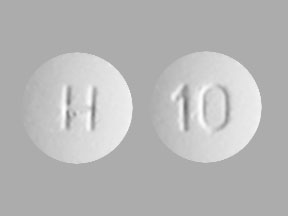
Repaglinide (Monograph)
Drug class: Meglitinides
- Glinides
ATC class: A10BX02
VA class: HS502
Chemical name: (S)-2-Ethoxy-4-[2-[[methyl-1-[2-(1-piperidinyl)-phenyl]butyl]amino]-2-oxoethyl]-benzoic acid
CAS number: 135062-02-1
Introduction
Antidiabetic agent; meglitinide (glinide) derivative.
Uses for Repaglinide
Type 2 Diabetes Mellitus
Used as an adjunct to diet and exercise to improve glycemic control in patients with type 2 diabetes mellitus.
Also has been used in combination with metformin and/or other antidiabetic agents for the management of type 2 diabetes mellitus.
Glinides (e.g., nateglinide, repaglinide) generally not preferred as second-line therapy by some experts after failure of metformin monotherapy because of their lower effectiveness and comparatively limited clinical data; however, may be appropriate choices in selected patients.
Current guidelines for the treatment of type 2 diabetes mellitus generally recommend metformin as first-line therapy in addition to lifestyle modifications in patients with recent-onset type 2 diabetes mellitus or mild hyperglycemia because of its well-established safety and efficacy (e.g., beneficial effects on glycosylated hemoglobin [hemoglobin A1c; HbA1c], weight, and cardiovascular mortality).
In patients with metformin contraindications or intolerance (e.g., risk of lactic acidosis, GI intolerance), some experts suggest that initial therapy with a drug from another class of antidiabetic agents (e.g., a glucagon-like peptide-1 [GLP-1] receptor agonist, sodium-glucose cotransporter 2 [SGLT2] inhibitor, dipeptidyl peptidase-4 [DPP-4] inhibitor, sulfonylurea, thiazolidinedione, basal insulin) based on patient factors.
May need to initiate therapy with 2 agents (e.g., metformin plus another drug) in patients with high initial HbA1c (>7.5% or ≥1.5% above target). In such patients with metformin intolerance, some experts suggest initiation of therapy with 2 drugs with complementary mechanisms of action from other antidiabetic drug classes.
Consider early initiation of combination therapy for the treatment of type 2 diabetes mellitus to extend the time to treatment failure and more rapidly attain glycemic goals.
For patients with inadequate glycemic control on metformin monotherapy, consider patient comorbidities (e.g., atherosclerotic cardiovascular disease [ASCVD], established kidney disease, heart failure), hypoglycemia risk, impact on weight, cost, risk of adverse effects, and patient preferences when selecting additional antidiabetic agents for combination therapy.
Consider early introduction of insulin for severe hyperglycemia (e.g., blood glucose ≥300 mg/dL or HbA1c >9–10%), especially if accompanied by catabolic manifestations (e.g., weight loss, hypertriglyceridemia, ketosis) or symptoms of hyperglycemia.
Should not be used in patients with type 1 diabetes mellitus or for the treatment of diabetic ketoacidosis.
Repaglinide Dosage and Administration
General
-
Carefully individualize dosage based on patient response and tolerance.
-
Goal of therapy is to reduce both fasting blood (or plasma) glucose and glycosylated hemoglobin (hemoglobin A1c [HbA1c]) values to normal or near normal using lowest effective dosage of repaglinide, either when used as monotherapy or in combination with metformin or a thiazolidinedione.
-
Monitor patients with regular laboratory evaluations, including fasting blood (or plasma) glucose determinations, to assess therapeutic response and minimum effective dosage. American Diabetes Association (ADA) and some clinicians currently suggest that routine blood glucose monitoring should include fasting and 2-hour postprandial blood glucose concentrations.
-
Monitoring of glucose concentrations may be useful to detect primary failure (inadequate lowering of glucose concentration at maximum recommended dosage) or secondary failure (loss of glycemic control following an initial period of effectiveness) of drug therapy.
-
During initiation of therapy and titration of dosage, perform fasting and postprandial blood glucose determinations weekly to determine therapeutic response and minimum effective dosage of repaglinide; thereafter, glycosylated hemoglobin values should be monitored approximately every 3 months to evaluate long-term glycemic control. In patients usually well controlled by dietary management alone, short-term therapy with repaglinide may be sufficient during periods of transient loss of diabetic control.
Administration
Oral Administration
Generally, instruct patients to take within 30 minutes before meals. Administration with food may affect extent of absorption. (See Food under Pharmacokinetics.)
Pre-meal doses may enhance glycemic control compared with twice-daily dosing at breakfast and dinner using the same total daily dosage.
If a meal is skipped or added, skip or add a dose, respectively, for that meal.
Dosage
Adults
Type 2 Diabetes Mellitus
Oral
Initially, 0.5 mg (the minimum effective dosage) preprandially 2–4 times daily (depending on meal patterns) in patients not previously treated with oral antidiabetic agents or in those who have relatively good glycemic control (i.e., glycosylated hemoglobin <8%).
Patients with glycosylated hemoglobin ≥8% despite treatment with other oral antidiabetic agents: Initially, 1 or 2 mg with or preceding each meal.
Approximately 90% of maximal glucose-lowering effect is achieved with dosage of 1 mg 3 times daily.
May double dosage at no less than weekly intervals until desired fasting blood glucose concentration (e.g., 80–140 mg/dL with infrequent hypoglycemic episodes) is achieved or maximum daily dosage of 16 mg (e.g., 4 mg four times daily depending on meal patterns) is attained.
Safety and efficacy of higher dosages (8–20 mg 3–4 times daily before meals) not established.
Prescribing Limits
Adults
Type 2 Diabetes Mellitus
Oral
Maximum daily dosage of 16 mg (e.g., 4 mg four times daily depending on meal patterns) recommended by manufacturer; higher dosages have been used. (See Type 2 Diabetes Mellitus under Dosage and Administration.)
Special Populations
Renal Impairment
Mild to moderate renal dysfunction: No adjustment in initial dosage necessary. May administer usual initial dosage but use caution with subsequent dosage increases.
Severe renal impairment (e.g., Clcr 20–40 mL/minute): Initiate dosage of 0.5 mg daily and titrate carefully.
Use not established in patients with Clcr <20 mL/minute or those with renal failure requiring hemodialysis.
Hepatic Impairment
Use with caution. Manufacturer recommends same initial dosage used in patients with normal hepatic function, but should make subsequent dosage adjustments at longer than usual intervals (e.g., 3 months) to allow full assessment of response. Some clinicians suggest lower initial dosage in patients with hepatic impairment.
Patients Receiving Interacting Drugs
Concomitant administration of repaglinide and strong CYP2C8 or CYP3A4 inhibitors or inducers may require dosage adjustments (see Drugs or Foods Affecting Hepatic Microsomal Enzymes under Interactions); concomitant repaglinide and gemfibrozil contraindicated. (See Specific Drugs and Foods under Interactions.)
Avoid concomitant repaglinide and clopidogrel; if unable to avoid concomitant use, limit initial repaglinide dosage to 0.5 mg preprandially and do not exceed total daily dosage of 4 mg. (See Specific Drugs and Foods under Interactions.)
With concomitant cyclosporine, do not exceed total daily repaglinide dosage of 6 mg. (See Specific Drugs and Foods under Interactions.)
Cautions for Repaglinide
Contraindications
-
Patients receiving gemfibrozil. (See Interactions.)
-
Known hypersensitivity to repaglinide or any ingredient in the formulation.
Warnings/Precautions
Hypoglycemia
Potential for hypoglycemia. Debilitated, malnourished, or geriatric patients and those with hepatic or severe renal impairment or adrenal or pituitary insufficiency may be particularly susceptible. Strenuous exercise, alcohol ingestion, insufficient caloric intake, or use in combination with other antidiabetic agents may increase risk.
Hypoglycemia may be difficult to recognize in geriatric patients or in those receiving β-adrenergic blocking agents. Increased risk of serious hypoglycemia in patients with hepatic failure, who may have reduced clearance of repaglinide and diminished gluconeogenic capacity.
Appropriate patient selection, patient education, and careful attention to dosage are important to avoid hypoglycemic episodes.
Combination Therapy with Isophane (NPH) Insulin
Myocardial ischemia was observed in a few patients receiving repaglinide in combination with NPH insulin in clinical trials, and the manufacturer states that repaglinide is not indicated for use in combination with NPH insulin.
Macrovascular Outcomes
The manufacturer states that there have been no clinical studies establishing conclusive evidence of macrovascular risk reduction with repaglinide.
Specific Populations
Pregnancy
Limited data suggest no apparent drug-associated risk of major birth defects, miscarriage, or adverse maternal or fetal outcomes with repaglinide use during pregnancy. Abnormal maternal blood glucose concentrations during pregnancy may be associated with a higher incidence of congenital abnormalities.
Most experts recommend use of insulin during pregnancy.
Lactation
Distributed into milk in rats; not known whether distributed into human milk.
Discontinue nursing or the drug.
Pediatric Use
Safety and efficacy of repaglinide in children <18 years of age not established. However, the American Diabetes Association (ADA) states that most pediatric diabetologists use oral antidiabetic agents in children with type 2 diabetes mellitus because of greater patient compliance and convenience for the patient’s family.
Geriatric Use
Safety and efficacy appear to be similar in geriatric and younger patients except for the expected age-related increase in cardiovascular morbidity observed with repaglinide and other comparative oral antidiabetic agents. (See Absorption: Special Populations under Pharmacokinetics.) No increase in frequency and severity of hypoglycemia in geriatric versus younger patients receiving repaglinide.
Individualize antidiabetic therapy when implementing strict glycemic control considering advanced age, comorbid conditions, preexisting clinically relevant microvascular and macrovascular complications or other vascular risk factors, degree of hyperglycemia, and life expectancy.
Hepatic Impairment
Use with caution.
Renal Impairment
Use with caution.
Common Adverse Effects
Hypoglycemia, upper respiratory tract infection, headache, arthralgia, sinusitis, nausea, diarrhea, back pain.
Drug Interactions
Metabolized by CYP3A4 and CYP2C8 to inactive metabolites.
Appears to be a substrate for organic anion-transporting protein (OATP) 1B1.
Drugs or Foods Affecting Hepatic Microsomal Enzymes
Inhibitors of CYP3A4 or CYP2C8: Potential pharmacokinetic interaction (increased repaglinide AUC and peak plasma concentrations). Close monitoring of blood glucose concentrations suggested. (See Specific Drugs and Foods under Interactions.)
Inducers of CYP3A4 or CYP2C8: Potential pharmacokinetic interaction (decreased repaglinide AUC and peak plasma concentrations). Close monitoring of blood glucose concentrations suggested. (See Specific Drugs and Foods under Interactions.)
Drugs Affecting Transport Systems
OATP 1B1 inhibitors: Potential pharmacokinetic interaction (increased repaglinide concentrations).
Protein-bound Drugs
Potential pharmacokinetic interaction with other protein-bound drugs (increased free repaglinide concentrations due to displacement from plasma protein binding sites by other drugs). Conversely, repaglinide could displace other protein-bound drugs from binding sites.
Observe patient for evidence of hypoglycemia or loss of glycemic control when other protein-bound drugs are initiated or withdrawn, respectively, in patients receiving repaglinide.
Specific Drugs and Foods
|
Drug or Food |
Interaction |
Comments |
|---|---|---|
|
ACE inhibitors |
May increase the risk of hypoglycemia |
May require decreased repaglinide dosage and increased frequency of blood glucose monitoring |
|
β-Adrenergic blocking agents |
Potential for displacement of repaglinide and/or β-adrenergic blocking agents from plasma proteins May blunt signs and symptoms of hypoglycemia |
Observe for evidence of hypoglycemia or loss of glycemic control when β-adrenergic blocker is added to therapy or withdrawn May require increased frequency of blood glucose monitoring |
|
Angiotensin II receptor antagonists |
May increase the risk of hypoglycemia |
May require decreased repaglinide dosage and increased frequency of blood glucose monitoring |
|
Antidiabetic agents |
May increase the risk of hypoglycemia |
May require decreased repaglinide dosage and increased frequency of blood glucose monitoring |
|
Antifungal agents, azole (e.g., itraconazole, ketoconazole) |
May increase the risk of hypoglycemia Itraconazole: Increases of 1.4- and 1.5-fold in repaglinide AUC and peak plasma concentration, respectively, due to CYP3A4 inhibition by itraconazole Ketoconazole: Increases of 15 and 16% in repaglinide AUC and peak plasma concentration, respectively, due to CYP3A4 inhibition by ketoconazole Itraconazole and gemfibrozil: Increases of 19- and 2.8-fold in repaglinide AUC and peak plasma concentration, respectively (see Fibrates [e.g., gemfibrozil] entry in this table) |
May require decreased repaglinide dosage and increased frequency of blood glucose monitoring |
|
Antipsychotics, atypical (e.g., clozapine, olanzapine) |
May decrease the blood glucose-lowering effect of repaglinide |
May require increased repaglinide dosage and increased frequency of blood glucose monitoring |
|
Antiretroviral agents (HIV protease inhibitors) |
Potential inhibition of repaglinide metabolism May decrease the blood glucose-lowering effect of repaglinide |
May require repaglinide dosage adjustment and increased frequency of blood glucose monitoring |
|
Barbiturates |
Potential for increased repaglinide metabolism due to CYP3A4 and/or CYP2C8 induction |
May require increased repaglinide dosage and increased frequency of blood glucose monitoring |
|
Calcium-channel blocking agents |
May decrease the blood glucose-lowering effect of repaglinide May cause hyperglycemia and exacerbate glycemic control in patients with diabetes mellitus |
Observe for evidence of altered glycemic control when a calcium-channel blocker is added to therapy or discontinued May require increased repaglinide dosage and increased frequency of blood glucose monitoring |
|
Carbamazepine |
Potential for increased repaglinide metabolism due to CYP3A4 and/or CYP2C8 induction |
May require increased repaglinide dosage and increased frequency of blood glucose monitoring |
|
Chloramphenicol |
Potential for displacement of repaglinide and/or chloramphenicol from plasma proteins |
Observe for evidence of hypoglycemia or loss of glycemic control when chloramphenicol is added to therapy or discontinued |
|
Cimetidine |
No appreciable effect on repaglinide pharmacokinetics |
|
|
Clarithromycin |
Increased AUC and peak plasma concentration of repaglinide due to CYP3A4 inhibition |
May require decreased repaglinide dosage and increased frequency of blood glucose monitoring |
|
Clonidine |
May blunt signs and symptoms of hypoglycemia |
May require increased frequency of blood glucose monitoring |
|
Clopidogrel |
Increases repaglinide exposures by 3.9- to 5.1-fold |
Avoid concomitant use; if concomitant use unavoidable, do not exceed initial repaglinide dosage of 0.5 mg before each meal and total daily dosage of 4 mg May require increased frequency of blood glucose monitoring |
|
Corticosteroids |
May decrease the blood glucose-lowering effect of repaglinide and exacerbate glycemic control in patients with diabetes mellitus |
Observe closely for evidence of altered glycemic control when corticosteroid is added to therapy or discontinued May require increased repaglinide dosage and increased frequency of blood glucose monitoring |
|
Cyclosporine |
Increased repaglinide AUC and peak plasma concentration by 2.5- and 1.8-fold, respectively |
Do not exceed maximum daily repaglinide dosage of 6 mg; increased frequency of blood glucose monitoring may be required |
|
Danazol |
May decrease the blood glucose-lowering effect of repaglinide |
May require increased repaglinide dosage and increased frequency of blood glucose monitoring |
|
Deferasirox |
Increased repaglinide AUC and peak plasma concentration by 2.3-fold and 62%, respectively |
May require decreased repaglinide dosage and increased frequency of blood glucose monitoring |
|
Digoxin |
No clinically relevant effect on digoxin pharmacokinetics |
|
|
Disopyramide |
May increase the risk of hypoglycemia |
May require decreased repaglinide dosage and increased frequency of blood glucose monitoring |
|
Diuretics (e.g., thiazides) |
May cause hyperglycemia and exacerbate glycemic control in patients with diabetes mellitus May decrease the blood glucose-lowering effect of repaglinide |
Observe closely for evidence of altered glycemic control when thiazides or other diuretics are added to therapy or discontinued May require increased repaglinide dosage and increased frequency of blood glucose monitoring |
|
Erythromycin |
Potential inhibition of repaglinide metabolism due to CYP3A4 inhibition |
May require decreased repaglinide dosage and increased frequency of blood glucose monitoring |
|
Estrogens |
May decrease the blood glucose-lowering effect of repaglinide |
May require increased repaglinide dosage and increased frequency of blood glucose monitoring |
|
Fibrates (e.g., gemfibrozil) |
May increase the risk of hypoglycemia Gemfibrozil: Increased repaglinide AUC and peak plasma concentration by 8.1-fold and 2.4-fold, respectively Fenofibrate: Concomitant use did not substantially affect repaglinide AUC or peak plasma concentration |
May require decreased repaglinide dosage and increased frequency of blood glucose monitoring when fibrates coadministered Gemfibrozil: Concomitant therapy contraindicated |
|
Fluoxetine |
May increase the risk of hypoglycemia |
May require decreased repaglinide dosage and increased frequency of blood glucose monitoring |
|
Furosemide |
In vitro evidence that furosemide decreases the protein binding of repaglinide and increases free circulating repaglinide concentrations |
Interaction not thought to be clinically important |
|
Glucagon |
May decrease the blood glucose-lowering effect of repaglinide |
May require increased repaglinide dosage and increased frequency of blood glucose monitoring |
|
Grapefruit juice |
Potential inhibition of repaglinide metabolism; may increase the risk of hypoglycemia |
Limited data suggest interaction unlikely to be clinically important |
|
HMG-CoA reductase inhibitors (e.g., simvastatin) |
Potential for displacement of repaglinide and/or certain statins from plasma proteins Also, increased peak plasma repaglinide concentrations with concomitant simvastatin |
Observe closely for evidence of hypoglycemia or loss of glycemic control when certain statins added to therapy or discontinued |
|
Isoniazid |
May decrease the blood glucose-lowering effect of repaglinide |
May require increased repaglinide dosage and increased frequency of blood glucose monitoring |
|
MAO inhibitors |
May increase the risk of hypoglycemia |
May require decreased repaglinide dosage and increased frequency of blood glucose monitoring |
|
Montelukast |
Montelukast known to inhibit CYP2C8 in vitro; however, no substantial effect on repaglinide pharmacokinetics noted in healthy individuals |
Manufacturer states that decreased repaglinide dosage and increased frequency of blood glucose monitoring may be required |
|
Niacin |
May decrease the blood glucose-lowering effect of repaglinide |
May require increased repaglinide dosage and increased frequency of blood glucose monitoring |
|
Nifedipine |
No clinically relevant effect on nifedipine pharmacokinetics |
Close observation for hypoglycemia or loss or glycemic control suggested when nifedipine is added to therapy or discontinued |
|
NSAIAs (e.g., salicylates) |
May increase the risk of hypoglycemia |
May require decreased repaglinide dosage and increased frequency of blood glucose monitoring |
|
Oral contraceptives (e.g., ethinyl estradiol/levonorgestrel/ |
May decrease the blood glucose-lowering effect of repaglinide |
May require increased repaglinide dosage and increased frequency of blood glucose monitoring |
|
Pentoxifylline |
May increase the risk of hypoglycemia |
May require decreased repaglinide dosage and increased frequency of blood glucose monitoring |
|
Phenothiazines |
May decrease the blood glucose-lowering effect of repaglinide |
May require increased repaglinide dosage and increased frequency of blood glucose monitoring |
|
Phenytoin |
May cause hyperglycemia and exacerbate glycemic control in patients with diabetes mellitus |
Observe closely for evidence of altered glycemic control when phenytoin added to therapy or discontinued |
|
Pramlintide |
May increase the risk of hypoglycemia |
May require decreased repaglinide dosage and increased frequency of blood glucose monitoring |
|
Probenecid |
Potential for displacement of repaglinide and/or probenecid from plasma proteins |
Observe closely for evidence of hypoglycemia or loss of glycemic control when probenecid added to therapy or discontinued |
|
Progestogens (e.g., in oral contraceptives) |
May decrease the blood glucose-lowering effect of repaglinide |
May require increased repaglinide dosage and increased frequency of blood glucose monitoring |
|
Rifampin |
Decrease in rifampin AUC and peak blood concentration due to CYP3A4 and/or CYP2C8 induction |
May require increased repaglinide dosage and increased frequency of blood glucose monitoring |
|
Somatostatin analogs (e.g., octreotide) |
May increase the risk of hypoglycemia |
May require decreased repaglinide dosage and increased frequency of blood glucose monitoring |
|
Somatropin |
May decrease the blood glucose-lowering effect of repaglinide |
May require increased repaglinide dosage and increased frequency of blood glucose monitoring |
|
Sulfonamide antibiotics |
May increase the risk of hypoglycemia |
May require decreased repaglinide dosage and increased frequency of blood glucose monitoring |
|
Sympathomimetics (e.g., albuterol, epinephrine, terbutaline) |
May decrease the blood glucose-lowering effect of repaglinide |
May require increased repaglinide dosage and increased frequency of blood glucose monitoring |
|
Theophylline |
No clinically relevant effect on theophylline pharmacokinetics |
|
|
Thyroid preparations |
May decrease the blood glucose-lowering effect of repaglinide |
May require increased repaglinide dosage and increased frequency of blood glucose monitoring |
|
Tolbutamide |
In vitro evidence that tolbutamide decreases the protein binding of repaglinide |
Interaction not thought to be clinically important |
|
Trimethoprim |
Increased repaglinide AUC and peak plasma concentration due to CYP2C8 inhibition |
May require decreased repaglinide dosage and increased frequency of blood glucose monitoring |
|
Warfarin |
Pharmacokinetic interaction not observed, but in vitro evidence suggests that warfarin decreases the protein binding of repaglinide |
In vitro interaction not thought to be clinically relevant |
Repaglinide Pharmacokinetics
Absorption
Bioavailability
Approximately 56% (absolute).
Peak plasma drug concentrations attained within approximately 1 hour.
Onset
Peak serum insulin concentrations achieved in approximately 1.5 hours. Maximum glycemic effect within 3–3.5 hours. Most of the hypoglycemic effect occurs within 1–3 weeks.
Duration
Plasma insulin concentrations remain elevated for 4 hours after each meal in patients with type 2 diabetes mellitus; return toward premeal concentrations between meals and at bedtime.
Food
Food may delay and reduce the extent of GI absorption. Administration with a high-fat meal slightly reduces peak plasma concentration and AUC but not time to peak concentration; reduction not clinically important.
Special Populations
Greater systemic exposure (as determined by peak plasma concentrations and AUCs) to repaglinide in patients with hepatic impairment.
Increases in plasma concentrations and AUC of repaglinide in patients with severe renal impairment (Clcr 20–40 mL/minute). Such alterations not found in patients with mild to moderate renal impairment.
No pharmacokinetic differences (peak plasma concentration, AUC) observed in geriatric individuals (≥65 years of age) compared with healthy younger individuals.
Distribution
Extent
Distributes into erythrocytes.
Distributes into milk in rats; not known whether distributed into human milk.
Plasma Protein Binding
>98%.
Elimination
Metabolism
Rapidly metabolized by CYP3A4 and CYP2C8 to inactive metabolites.
Elimination Route
Extensively metabolized in liver and excreted into bile and feces (90%) as metabolites.
Small amount excreted in urine (8%) principally as metabolites.
Does not appear to be removed by hemodialysis.
Half-life
About 1 hour.
Special Populations
In patients with hepatic impairment, elimination of unbound repaglinide reduced compared with that in healthy individuals.
Stability
Storage
Oral
Tablets
Well-closed containers at ≤25°C; protect from moisture. Stable for at least 12 months in the original container at 25°C and 60% relative humidity.
Actions
-
At least as potent as glyburide in inhibiting ATP-sensitive potassium channels, increasing intracellular concentrations of calcium, and stimulating insulin release. Effect on potassium and calcium channels is somewhat selective for pancreatic β-cells and does not appear to affect skeletal or cardiac muscle or thyroid tissue.
-
Does not stimulate insulin release in the absence of glucose; insulin release diminished at low glucose concentrations. Little effect on serum insulin concentrations between meals and overnight.
-
As blood glucose concentrations increase, augments the glucose-induced closure of ATP-sensitive potassium channels and, thereby, the release of insulin.
-
Exerts most of its insulinotropic activity at intermediate glucose concentrations (54–180 mg/dL). At high glucose concentrations (>270 mg/dL), does not augment the insulin release already stimulated by high extracellular glucose concentrations.
-
As with sulfonylurea antidiabetic agents, requires functioning pancreatic β-cells for hypoglycemic activity, since the drug lowers blood glucose concentrations principally by augmenting endogenous insulin secretion from the pancreas in response to a meal.
-
Reduces fasting and postprandial blood glucose concentrations, serum fructosamine concentrations, and glycosylated hemoglobin in patients with type 2 diabetes mellitus.
-
Does not appear to appreciably affect blood lipids (total, HDL-, or LDL-cholesterol) or fibrinogen concentrations.
-
Weight gain observed in therapy-naive patients. Suggested mechanisms for increased weight include an increase in insulin secretion (which may increase appetite), stimulation of lipogenesis in fat tissue, or resistance to the actions of leptin (which decreases appetite and increases energy expenditure).
Advice to Patients
-
Advise fully and completely about the nature of diabetes mellitus, how to prevent and detect complications, and control their condition.
-
Importance of dietary regulation as principal consideration in management of diabetes mellitus. Advise that repaglinide therapy is used only as an adjunct to, and not a substitute for, proper dietary regulation. Advise that patients should not neglect dietary restrictions, develop a careless attitude about their condition, or disregard instructions about weight control, exercise, hygiene, and avoidance of infection.
-
Inform patients of the potential risks and advantages of repaglinide therapy and of alternative forms of treatment.
-
Importance of adherence to meal planning and dosing; if skipping a meal or adding an extra meal, skip or add a dose, respectively, for that meal.
-
Advise that failure to follow an appropriate dosage regimen may result in hypoglycemia or hyperglycemia.
-
Instruct patients on proper use of other antidiabetic agents, if concomitant therapy required, in order to avoid hypoglycemia.
-
Inform patients of risks of hypoglycemia, symptoms and treatment of hypoglycemic reactions, and conditions that predispose to the development of such reactions.
-
Instruct patients about the possibility of primary and secondary failure of oral antidiabetic agents.
-
Importance of informing clinicians of existing or contemplated concomitant therapy, including prescription and OTC drugs and dietary or herbal supplements, as well as any concomitant illnesses.
-
Importance of women informing clinicians if they are or plan to become pregnant or plan to breast-feed.
-
Importance of informing patients of other important precautionary information. (See Cautions.)
Preparations
Excipients in commercially available drug preparations may have clinically important effects in some individuals; consult specific product labeling for details.
Please refer to the ASHP Drug Shortages Resource Center for information on shortages of one or more of these preparations.
* available from one or more manufacturer, distributor, and/or repackager by generic (nonproprietary) name
|
Routes |
Dosage Forms |
Strengths |
Brand Names |
Manufacturer |
|---|---|---|---|---|
|
Oral |
Tablets |
0.5 mg* |
Repaglinide Tablets |
|
|
1 mg* |
Repaglinide Tablets |
|||
|
2 mg* |
Repaglinide Tablets |
AHFS DI Essentials™. © Copyright 2024, Selected Revisions June 21, 2021. American Society of Health-System Pharmacists, Inc., 4500 East-West Highway, Suite 900, Bethesda, Maryland 20814.
Reload page with references included
More about repaglinide
- Check interactions
- Compare alternatives
- Pricing & coupons
- Reviews (12)
- Drug images
- Side effects
- Dosage information
- During pregnancy
- Drug class: meglitinides
- Breastfeeding
- En español