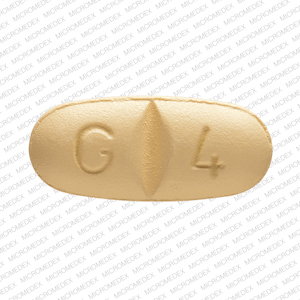
Oxcarbazepine (Monograph)
Brand names: Oxtellar XR, Trileptal
Drug class: Anticonvulsants, Miscellaneous
VA class: CN400
Chemical name: 10,11-Dihydro-10-oxo-5H-dibenz[b,f]azepine-5-carboxamide
Molecular formula: C15H12N2O2
CAS number: 28721-07-5
Introduction
Anticonvulsant agent; structurally related to carbamazepine.
Uses for Oxcarbazepine
Seizure Disorders
Conventional (immediate-release) tablets and oral suspension: Monotherapy of partial seizures in adults and pediatric patients ≥4 years of age. Adjunctive therapy (i.e., in combination with other anticonvulsants) of partial seizures in adults and pediatric patients ≥2 years of age.
Extended-release tablets: Adjunctive therapy (i.e., in combination with other anticonvulsants) of partial seizures in adults and pediatric patients ≥6 years of age.
Bipolar Disorder
Has been used alone or in combination with other drugs (e.g., antipsychotic agents) for treatment and prevention of acute manic or mixed episodes in patients with bipolar disorder† [off-label].
American Psychiatric Association (APA) considers oxcarbazepine an alternative treatment option for patients who have had an inadequate response to first-line agents (e.g., lithium, valproate, antipsychotic agents [e.g., olanzapine]).
Related/similar drugs
gabapentin, clonazepam, lamotrigine, lorazepam, pregabalin, topiramate, diazepam
Oxcarbazepine Dosage and Administration
General
-
Withdraw gradually to minimize the potential for increased seizure frequency and status epilepticus. (See Discontinuance of Therapy under Cautions.)
-
Closely monitor for notable changes in behavior that could indicate emergence or worsening of suicidal thoughts or behavior or depression. (See Suicidality Risk under Cautions.)
Pharmacogenetic Testing
-
Consider pharmacogenetic testing for the variant HLA-B*1502 allele in patients who may be at increased risk of oxcarbazepine-induced Stevens-Johnson syndrome (SJS) and toxic epidermal necrolysis (TEN). (See Pharmacogenomics of Oxcarbazepine-induced Cutaneous Reactions under Cautions.)
-
Prior to initiating oxcarbazepine therapy, consider screening patients with ancestry in genetically at-risk populations for HLA-B*1502.
-
The test is considered positive if 1 or 2 copies of HLA-B*1502 are detected and negative if no copies are detected.
-
Do not initiate therapy in HLA-B*1502-positive patients unless benefits clearly outweigh risks.
-
Because of limitations, HLA-B*1502 genotyping should never substitute for appropriate clinical vigilance and patient management.
-
For additional information and guidance on how to interpret and apply results of HLA-B*1502 testing, consult the Clinical Pharmacogenetics Implementation Consortium (CPIC) guideline for HLA genotype and use of carbamazepine and oxcarbazepine.
Administration
Oral Administration
Administer orally as conventional (immediate-release) tablets, oral suspension, or extended-release tablets.
Conventional tablets and oral suspension can be used interchangeably on a mg-for-mg basis. However, when converting from conventional preparations to extended-release tablets, a higher dosage may be required. (See Bioavailability under Pharmacokinetics.)
Conventional Tablets
Administer orally twice daily without regard to meals. (See Food under Pharmacokinetics.)
Extended-release Tablets
Administer orally once daily on an empty stomach (i.e., at least 1 hour before or 2 hours after a meal). (See Food under Pharmacokinetics.)
Swallow tablets whole with water or other liquid; do not cut, crush or chew. Because of these limitations, extended-release tablets not recommended for use in children <6 years of age.
Oral Suspension
Administer orally twice daily without regard to meals. (See Food under Pharmacokinetics.)
Shake suspension well immediately prior to administration.
Measure and administer appropriate dose using oral dosing syringe supplied by manufacturer; dose may be added to a small glass of water or swallowed directly from the syringe. After each use, rinse oral syringe with warm water and allow to dry thoroughly.
Dosage
Pediatric Patients
Seizure Disorders
Monotherapy of Partial Seizures
Oral (conventional tablets or oral suspension)Children 4–16 years of age not currently receiving any anticonvulsant drug therapy: Initially, 8–10 mg/kg daily (administered as 4–5 mg/kg twice daily). Increase dosage by increments of 5 mg/kg daily every third day to recommended maintenance dosage based on weight (see Table 1).
Children 4–16 years of age being transferred from other anticonvulsant drug therapy to oxcarbazepine monotherapy: Initially, 8–10 mg/kg daily (administered as 4–5 mg/kg twice daily). Increase dosage by increments of up to 10 mg/kg daily at approximately weekly intervals to recommended maintenance dosage based on weight (see Table 1). As oxcarbazepine is being initiated, simultaneously reduce dosage of other anticonvulsant(s) and discontinue over 3–6 weeks. Observe patient closely during transition phase.
|
Weight (kg) |
Dosage Range |
|---|---|
|
20 |
600–900 mg daily |
|
25 |
900 mg to 1.2 g daily |
|
30 |
900 mg to 1.2 g daily |
|
35 |
900 mg to 1.5 g daily |
|
40 |
900 mg to 1.5 g daily |
|
45 |
1.2–1.5 g daily |
|
50 |
1.2–1.8 g daily |
|
55 |
1.2–1.8 g daily |
|
60 |
1.2–2.1 g daily |
|
65 |
1.2–2.1 g daily |
|
70 |
1.5–2.1 g daily |
Adjunctive Therapy of Partial Seizures
Dosage adjustment is recommended in patients receiving concomitant therapy with enzyme-inducing drugs. (See Specific Drugs under Interactions.)
Oral (conventional tablets or oral suspension)Children 2 to <4 years of age: Initially, 8–10 mg/kg (generally not to exceed 600 mg) daily (administered as 4–5 mg/kg twice daily). For children weighing <20 kg, may consider initial dosage of 16–20 mg/kg daily (administered as 8–10 mg/kg twice daily). Increase dosage over 2–4 weeks to maximum maintenance dosage. In clinical trials in pediatric patients 2–4 years of age, target dosage was 60 mg/kg daily; however, only 50% of patients reached a final dosage of ≥55 mg/kg daily. Do not exceed maintenance dosage of 60 mg/kg daily (in a divided twice-daily regimen).
Children 4–16 years of age: Initially, 8–10 mg/kg (not to exceed 600 mg) daily (administered as 4–5 mg/kg twice daily). Increase dosage over 2 weeks to the target maintenance dosage based on weight (see Table 2).
|
Weight (kg) |
Target Dosage |
|---|---|
|
20–29 |
900 mg daily |
|
29.1–39 |
1.2 g daily |
|
>39 |
1.8 g daily |
Children ≥6 years of age: Initially, 8–10 mg/kg once daily (not to exceed 600 mg once daily for the first week). Increase dosage over 2–3 weeks in increments of 8–10 mg/kg (not to exceed 600 mg) daily at weekly intervals up to the target maintenance dosage based on weight (see Table 2).
Adults
Seizure Disorders
Monotherapy of Partial Seizures
Oral (conventional tablets or oral suspension)Patients not currently receiving any anticonvulsant drug therapy: Initially, 600 mg daily (administered as 300 mg twice daily). Increase dosage by increments of 300 mg daily every third day up to a dosage of 1.2 g daily (administered as 600 mg twice daily).
Patients being transferred from other anticonvulsant drug therapy to oxcarbazepine monotherapy: Initially, 600 mg daily (administered as 300 mg twice daily). Increase dosage by increments of up to 600 mg daily at approximately weekly intervals to recommended maximum dosage of 2.4 g daily (administered as 1.2 g twice daily), usually within 2–4 weeks. As oxcarbazepine is being initiated, simultaneously reduce dosage of other anticonvulsant(s) and discontinue over 3–6 weeks. Observe patient closely during transition.
Adjunctive Therapy of Partial Seizures
Dosage adjustment is recommended in patients receiving adjunctive therapy with enzyme-inducing drugs. (See Specific Drugs under Interactions.)
Oral (conventional tablets or oral suspension)Initially, 600 mg daily (administered as 300 mg twice daily). Increase dosage by increments of up to 600 mg daily at approximately weekly intervals to recommended dosage of 1.2 g daily (administered as 600 mg twice daily) as clinically indicated. Efficacy may be somewhat greater in patients receiving dosages >1.2 g daily; however, in clinical studies, most patients could not tolerate a dosage of 2.4 g daily, mainly because of adverse CNS effects.
Oral (extended-release tablets)Initially, 600 mg once daily for the first week; increase subsequent dosage by increments of 600 mg daily at weekly intervals to recommended dosage of 1.2–2.4 g once daily. Dosage of 2.4 g daily may provide somewhat greater efficacy, but associated with increased incidence of adverse effects.
Prescribing Limits
Pediatric Patients
Seizure Disorders
Oral
Adjunctive therapy in children 2 to <4 years of age: Manufacturer of conventional preparations recommends maximum maintenance dosage of 60 mg/kg daily (administered as 30 mg/kg twice daily).
Adults
Seizure Disorders
Oral
Manufacturer of conventional preparations recommends maximum dosage of 2.4 g daily (administered as 1.2 g twice daily) when used as monotherapy in previously treated patients.
Manufacturer of conventional preparations recommends maximum dosage of 1.2 g daily (administered as 600 mg twice daily) when used as adjunctive therapy.
Special Populations
Hepatic Impairment
Manufacturer makes no specific dosage recommendations.
Renal Impairment
Severe renal impairment (Clcr <30 mL/minute): Initially, 300 mg daily (given in divided doses twice daily as conventional preparations or once daily as extended-release tablets); increase dosage slowly based on patient response. Manufacturer of extended-release tablets recommends dosage increases in increments of 300–450 mg daily at weekly intervals to achieve desired response.
Use immediate-release preparations (instead of extended-release preparations) in patients with end-stage renal disease on dialysis.
Geriatric Patients
Manufacturer of conventional oxcarbazepine preparations makes no specific dosage recommendations.
Manufacturer of extended-release tablets recommends consideration of initial reduced dosage of 300 or 450 mg daily; increase dosage in increments of 300–450 mg daily at weekly intervals to achieve desired response.
Cautions for Oxcarbazepine
Contraindications
-
Known hypersensitivity to oxcarbazepine or any ingredient in the formulation, or to eslicarbazepine.
Warnings/Precautions
Hyponatremia
Possible hyponatremia (serum sodium concentrations <125 mEq/L); generally occurs during first 3 months of therapy, but has been reported >1 year after initiation of therapy. In clinical studies, patients were asymptomatic and serum sodium concentrations returned to baseline within a few days after drug was discontinued.
Consider monitoring serum sodium concentrations, particularly in patients receiving other drugs known to decrease sodium concentrations (e.g., drugs associated with SIADH) or in those with symptoms of hyponatremia (e.g., nausea, malaise, headache, lethargy, confusion, obtundation, increase in seizure frequency or severity).
Serious Dermatologic Reactions
Serious and sometimes fatal dermatologic reactions, including SJS and TEN, reported. (See Pharmacogenomics of Oxcarbazepine-induced Cutaneous Reactions under Cautions.) Consider discontinuance of therapy and initiation of an alternative anticonvulsant if a skin reaction develops.
Pharmacogenomics of Oxcarbazepine-induced Cutaneous Reactions
Strong association demonstrated between presence of HLA-B*1502 (an inherited allelic variant of the HLA-B gene) and risk of developing SJS and TEN with carbamazepine, a closely related drug. Although data more limited, available evidence suggests that HLA-B*1502 also may be associated with similar risk in patients receiving oxcarbazepine.
HLA-B*1502 is found almost exclusively in patients with ancestry across broad areas of Asia (including Han Chinese, Filipinos, Malaysians, South Asian Indians, and Thais), and largely absent in individuals not of Asian origin (e.g., Caucasians, African-Americans, Hispanics, Native Americans).
Prior to initiating oxcarbazepine therapy, consider screening genetically at-risk populations for HLA-B*1502. Patients who test positive for the allele should not receive oxcarbazepine therapy unless benefits clearly outweigh risks. (See Pharmacogenetic Testing under Dosage and Administration.)
Discontinuance of Therapy
Possibility of increased seizure frequency and status epilepticus following discontinuance of therapy. Discontinue drug gradually to minimize this risk. Manufacturer of conventional oxcarbazepine preparations states that if withdrawal is necessary (e.g., due to serious adverse event), rapid discontinuance can be considered.
Cognitive and Neuropsychiatric Effects
Possible neuropsychiatric effects including impaired cognitive or psychomotor performance (e.g., difficulties in concentrating, language, and speech); somnolence or fatigue; and coordination difficulties (e.g., ataxia, gait disturbances).
Monitor patient for such effects. (See Advice to Patients.)
Suicidality Risk
Increased risk of suicidality (suicidal behavior or ideation) observed in an analysis of studies using various anticonvulsants in patients with epilepsy, psychiatric disorders (e.g., bipolar disorder, depression, anxiety), and other conditions (e.g., migraine, neuropathic pain); risk in patients receiving anticonvulsants (0.43%) was approximately twice that in patients receiving placebo (0.24%). Increased suicidality risk was observed as early as 1 week after initiation of anticonvulsant therapy and continued through 24 weeks. Relative risk was higher for patients with epilepsy compared with those receiving anticonvulsants for other conditions.
Closely monitor all patients currently receiving or beginning anticonvulsant therapy for changes in behavior that may indicate emergence or worsening of suicidal thoughts or behavior or depression.
Balance risk of suicidality with risk of untreated illness. Epilepsy and other illnesses treated with anticonvulsants are themselves associated with morbidity and mortality and an increased risk of suicidality. If suicidal thoughts or behavior emerges during anticonvulsant therapy, consider whether these symptoms may be related to the illness itself. (See Advice to Patients.)
Hematologic Effects
Pancytopenia, agranulocytosis, and leukopenia reported rarely. Consider discontinuance of therapy if hematologic abnormalities develop.
Seizure Control During Pregnancy
Plasma concentrations of the active metabolite of oxcarbazepine (MHD) may decrease during pregnancy.
Monitor patients during pregnancy and throughout postpartum period. (See Pregnancy under Cautions.)
Risk of Seizure Exacerbation
Risk of seizure exacerbation or new-onset primary generalized seizures, especially in children. Discontinue therapy if seizure aggravation occurs.
Sensitivity Reactions
Hypersensitivity
Anaphylaxis and angioedema involving the larynx, glottis, lips, and eyelids reported rarely; sometimes fatal. If a serious hypersensitivity reaction develops, discontinue oxcarbazepine and initiate alternative therapy; do not rechallenge.
Approximately 25–30% of patients with a history of carbamazepine hypersensitivity will develop hypersensitivity to oxcarbazepine.
Patients with previous hypersensitivity to carbamazepine should be treated with oxcarbazepine only if potential benefits outweigh risks. If a hypersensitivity reaction develops, discontinue oxcarbazepine immediately.
Multi-organ Hypersensitivity
Multi-organ hypersensitivity (also known as drug reaction with eosinophilia and systemic symptoms [DRESS]) reported; can be fatal or life-threatening. Clinical presentation is variable but typically includes eosinophilia, fever, rash, lymphadenopathy, and/or facial swelling associated with other organ system involvement (e.g., hepatitis, nephritis, hematologic abnormalities, myocarditis, myositis).
If manifestations of multi-organ hypersensitivity occur, evaluate patient immediately. If an alternative cause cannot be identified, discontinue oxcarbazepine.
Specific Populations
Pregnancy
Category C.
No adequate and well-controlled studies in pregnant women; however, the drug is closely related to carbamazepine, which has been associated with teratogenic effects in humans. Limited data from pregnancy registries suggest that use of oxcarbazepine during pregnancy may be associated with congenital malformations. Use during pregnancy only if potential benefit justifies potential risk to the fetus.
Due to physiologic changes that occur during pregnancy, plasma concentrations of MHD (active metabolite) may gradually decrease during pregnancy; closely monitor patients for possible decreased seizure control during pregnancy and throughout postpartum period.
North American Antiepileptic Drug (NAAED) Pregnancy Registry at 888-233-2334 (for patients); registry information also available on the website [Web].
Lactation
Oxcarbazepine and its active MHD metabolite are distributed into milk. Discontinue nursing or the drug.
Pediatric Use
Safety and efficacy of conventional preparations as monotherapy of partial seizures not established in children <4 years of age.
Safety and efficacy of conventional preparations as adjunctive therapy of partial seizures not established in children <2 years of age.
Extended-release tablets not recommended in children <6 years of age because of administration difficulties and lack of studies in children <4 years of age. (See Oral Administration under Dosage and Administration.)
Risk of seizure aggravation may be higher in the pediatric population compared with adults.
Clearance of MHD may be increased in younger children compared with adults; therefore, dosing requirements may be increased in pediatric patients. (See Elimination: Special Populations, under Pharmacokinetics.)
Geriatric Use
Systemic exposure to MHD may be increased (see Absorption: Special Populations, under Pharmacokinetics).
Closely monitor serum sodium concentrations in geriatric patients at risk for hyponatremia.
Hepatic Impairment
Pharmacokinetics do not appear to be affected by mild to moderate hepatic impairment. (See Pharmacokinetics.)
Renal Impairment
Principally eliminated renally; pharmacokinetics may be altered in patients with renal impairment. (See Pharmacokinetics.)
Common Adverse Effects
Conventional preparations: Dizziness, somnolence, diplopia, fatigue, nausea, vomiting, ataxia, abnormal vision, abdominal pain, nystagmus, tremor, dyspepsia, abnormal gait.
Extended-release tablets: Dizziness, somnolence, headache, balance disorder, tremor, vomiting, diplopia, asthenia, fatigue.
Drug Interactions
May inhibit CYP2C19 and induce CYP3A4 and CYP3A5. Weak inducer of uridine diphosphate-glucuronosyltransferase (UGT).
Drugs Affecting or Metabolized by Hepatic Microsomal Enzymes
CYP2C19 substrates: Potential increased plasma concentrations of the CYP2C19 substrate.
CYP3A4 and CYP3A5 substrates: Potential decreased plasma concentrations of the CYP3A4 or CYP3A5 substrate.
Potent CYP3A4 inducers: Potential decreased plasma concentrations of MHD.
Drugs Affecting or Metabolized by UGT
UGT substrates: Interaction unlikely.
UGT inducers: Potential decreased plasma concentrations of MHD.
Drugs Associated with SJS or TEN
Consider avoidance of other drugs associated with SJS and TEN in HLA-B*1502-positive patients when alternative therapies are available.
Protein-bound Drugs
Interaction unlikely.
Specific Drugs
|
Drug |
Interaction |
Comments |
|---|---|---|
|
Alcohol |
Risk of additive sedative effects |
Use with caution |
|
Calcium-channel blocking agents |
Possible decreased plasma concentrations of dihydropyridine calcium-channel blocking agents Felodipine: Systemic exposure of felodipine decreased by 28% Verapamil: Plasma concentrations of active metabolite of oxcarbazepine (MHD) decreased by 20% |
|
|
Carbamazepine |
No substantial change in carbamazepine concentrations; plasma concentrations of MHD decreased by 40% |
Monitor plasma MHD concentrations during titration of oxcarbazepine; dosage adjustment of oxcarbazepine may be necessary when initiating, discontinuing, or modifying dosage of carbamazepine In patients receiving oxcarbazepine extended-release tablets, consider increased initial dosage of 900 mg daily |
|
Cimetidine |
No effect on pharmacokinetics of MHD |
|
|
Contraceptives, oral |
Increased metabolism of oral estrogen-progestin contraceptives; systemic exposures of estrogen and progestin components decreased by 48–52 and 32–52%, respectively |
Possible decreased contraceptive efficacy; women of childbearing potential should use additional nonhormonal methods of contraception |
|
Cyclosporine |
Possible decreased plasma concentrations of cyclosporine |
|
|
Erythromycin |
No effect on pharmacokinetics of MHD |
|
|
Lamotrigine |
No substantial change in pharmacokinetics of either lamotrigine or MHD |
|
|
Phenobarbital |
Plasma concentrations of phenobarbital increased by 14%; plasma concentrations of MHD decreased by 25% |
Monitor plasma MHD concentrations during titration of oxcarbazepine; dosage adjustment of oxcarbazepine may be necessary when initiating, discontinuing, or modifying dosage of phenobarbital In patients receiving oxcarbazepine extended-release tablets, consider increased initial dosage of 900 mg daily |
|
Phenytoin |
Plasma phenytoin concentrations increased by up to 40% when administered concomitantly with oxcarbazepine dosages >1.2 g daily; plasma concentrations of MHD decreased by 30% |
Monitor plasma phenytoin concentrations when oxcarbazepine is titrated or dosage is adjusted; reduction of phenytoin dosage may be required Monitor plasma MHD concentrations during titration of oxcarbazepine; dosage adjustment of oxcarbazepine may be necessary when initiating, discontinuing, or modifying dosage of phenytoin In patients receiving oxcarbazepine extended-release tablets, consider increased initial dosage of 900 mg daily |
|
Rifampin |
May decrease plasma concentrations of MHD |
Monitor plasma MHD concentrations during titration of oxcarbazepine; dosage adjustment of oxcarbazepine may be necessary when initiating, discontinuing, or modifying dosage of rifampin |
|
Valproic acid |
No substantial effect on valproic acid concentrations; concentrations of MHD decreased by 18% |
|
|
Warfarin |
Interaction unlikely |
Oxcarbazepine Pharmacokinetics
Absorption
Bioavailability
Completely absorbed following oral administration.
Oral bioavailabilities of conventional tablets and oral suspension appear to be similar. Extended-release tablets (administered once daily) are not bioequivalent to conventional preparations (administered twice daily) at the same total daily dosage; MHD exposure is approximately 19% lower with extended-release tablets.
Conventional preparations: Peak plasma concentrations are attained in approximately 4.5 or 6 hours following twice-daily administration as conventional tablets or oral suspension, respectively. Steady-state concentrations of MHD are reached within 2–3 days.
Extended-release tablets: Peak plasma concentrations of MHD are attained in 7 hours following once-daily administration. Steady-state concentrations are reached within 5 days.
Food
Conventional tablets: Food does not affect rate or extent of absorption.
Oral suspension: Although not specifically evaluated, food is not expected to affect oral bioavailability.
Extended-release tablets: Administration with a high-fat meal did not affect overall exposure to the active MHD metabolite, but increased peak plasma concentrations of MHD by about 60% and decreased time to peak plasma concentrations by about 2 hours.
Special Populations
In geriatric patients >65 years of age, peak plasma concentrations and AUC of MHD may be 30–60% higher than values in younger adults.
MHD exposure in children 2 to <4 years of age is approximately 50% of the exposure in adults when similar weight-adjusted dosages are given. MHD exposure in children 4–12 years of age is approximately 75% of the exposure in adults when similar weight-adjusted dosages are given.
Distribution
Plasma Protein Binding
40% (primarily albumin).
Elimination
Metabolism
Extensively metabolized in the liver by cytosolic enzymes to the MHD metabolite, which is largely responsible for the pharmacologic activity of oxcarbazepine. MHD is further metabolized by conjugation with glucuronic acid; 4% of dose is oxidized to the pharmacologically inactive DHD metabolite.
Elimination Route
Excreted in urine (>95%), mainly as metabolites, and in feces (<4%).
Half-life
Oxcarbazepine: Approximately 2 hours following administration of conventional preparations.
MHD: Approximately 9 hours following administration of conventional preparations.
Special Populations
In patients with mild to moderate hepatic impairment, pharmacokinetics of oxcarbazepine and MHD unaffected based on studies with immediate-release oxcarbazepine.
In patients with renal impairment (Clcr <30 mL/min), half-life is increased to 19 hours and AUC is increased twofold based on studies with immediate-release oxcarbazepine.
In children 2 to <4 years of age, weight-adjusted clearance of MHD is approximately 80% higher than that of adults.
In children 4–12 years of age, weight-adjusted clearance of MHD is approximately 40% higher than that of adults.
In children ≥13 years of age, weight-adjusted MHD clearance expected to be similar to that of adults.
Stability
Storage
Oral
Conventional (immediate-release) Tablets
Tight container at 25°C (may be exposed to 15–30°C).
Extended-release Tablets
Tight, light-resistant container at 25°C (may be exposed to 15–30°C); protect from light and moisture,
Oral Suspension
Original container at 25°C (may be exposed to 15–30°C). Use within 7 weeks of opening container.
Actions
-
Exact mechanism of action is unknown; may prevent spread of epileptic seizures by stabilizing excitatory neuronal membranes, inhibiting repetitive neuronal firing, and decreasing propagation of synaptic impulses (by blocking voltage-sensitive sodium channels).
-
Increased potassium conductance and modulation of high-voltage activated calcium channels also may contribute to anticonvulsant activity.
-
Protects against electrically induced tonic extension seizures and, to a lesser degree, chemically induced clonic seizures; may abolish or reduce frequency of chronically recurring focal seizures.
Advice to Patients
-
Importance of advising patients to read the patient information (medication guide).
-
Risk of hypersensitivity reaction; patients who have had previous hypersensitivity reaction to carbamazepine at increased risk. Importance of immediately reporting any manifestations of hypersensitivity reactions (swelling of the face, eyes, lips, or tongue, or difficulty swallowing or breathing), skin reactions, or fever accompanied by signs and/or symptoms of other organ system involvement (e.g., rash, lymphadenopathy).
-
Risk of dizziness and somnolence; avoid driving or operating machinery until effects on individual are known.
-
Risk of suicidality (anticonvulsants may increase risk of suicidal thoughts or actions in about 1 in 500 people). Importance of patients, family members, and caregivers being alert to day-to-day changes in mood, behavior, and actions and immediately informing clinician of any new or worrisome behaviors (e.g., talking or thinking about wanting to hurt oneself or end ones life, withdrawing from friends and family, becoming depressed or experiencing worsening of existing depression, becoming preoccupied with death and dying, giving away prized possessions).
-
Risk of hyponatremia; manifestations may include nausea, extreme drowsiness and/or fatigue, lack of energy, headache, confusion, or increase in seizure frequency or severity.
-
Risk of hematologic effects; importance of advising patients to immediately report any manifestations suggestive of a blood disorder.
-
Caution if alcohol is used concomitantly because additive sedative effects may occur.
-
Importance of taking oxcarbazepine as prescribed and not abruptly discontinuing therapy.
-
Importance of women informing their clinician if they are or plan to become pregnant or plan to breast-feed. Importance of informing women of childbearing age that concomitant use of oxcarbazepine with oral contraceptives may result in decreased efficacy of the contraceptives.
-
Importance of informing clinicians of existing or contemplated concomitant therapy, including prescription and OTC drugs, as well as any concomitant illnesses.
-
Importance of advising patients of other important precautionary information. (See Cautions.)
Preparations
Excipients in commercially available drug preparations may have clinically important effects in some individuals; consult specific product labeling for details.
Please refer to the ASHP Drug Shortages Resource Center for information on shortages of one or more of these preparations.
* available from one or more manufacturer, distributor, and/or repackager by generic (nonproprietary) name
|
Routes |
Dosage Forms |
Strengths |
Brand Names |
Manufacturer |
|---|---|---|---|---|
|
Oral |
Suspension |
300 mg/5 mL* |
OXcarbazepine Oral Suspension |
|
|
Trileptal |
Novartis |
|||
|
Tablets, extended-release |
150 mg |
Oxtellar XR |
Supernus |
|
|
300 mg |
Oxtellar XR |
Supernus |
||
|
600 mg |
Oxtellar XR |
Supernus |
||
|
Tablets, film-coated |
150 mg* |
OXcarbazepine Tablets |
||
|
Trileptal (scored) |
Novartis |
|||
|
300 mg* |
OXcarbazepine Tablets |
|||
|
Trileptal (scored) |
Novartis |
|||
|
600 mg* |
OXcarbazepine Tablets |
|||
|
Trileptal (scored) |
Novartis |
AHFS DI Essentials™. © Copyright 2024, Selected Revisions November 12, 2018. American Society of Health-System Pharmacists, Inc., 4500 East-West Highway, Suite 900, Bethesda, Maryland 20814.
† Off-label: Use is not currently included in the labeling approved by the US Food and Drug Administration.
Reload page with references included
More about oxcarbazepine
- Check interactions
- Compare alternatives
- Pricing & coupons
- Reviews (370)
- Drug images
- Side effects
- Dosage information
- Patient tips
- During pregnancy
- Support group
- Drug class: dibenzazepine anticonvulsants
- Breastfeeding
- En español