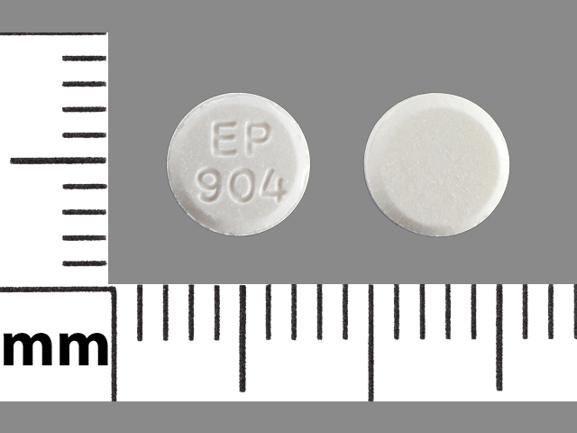
Lorazepam (Monograph)
Brand name: Ativan
Drug class: Benzodiazepines
Warning
- Concomitant Use with Opiates
-
Concomitant use of benzodiazepines and opiates may result in profound sedation, respiratory depression, coma, and death.
-
Reserve concomitant use for patients in whom alternative treatment options are inadequate; use lowest effective dosages and shortest possible duration of concomitant therapy and monitor closely for respiratory depression and sedation. (See Specific Drugs under Interactions.)
- Potential for Abuse, Addiction, and Other Serious Risks
-
A boxed warning has been included in the prescribing information for all benzodiazepines describing risks of abuse, misuse, addiction, physical dependence, and withdrawal reactions.
-
Abuse and misuse can result in overdose or death, especially when benzodiazepines are combined with other medicines, such as opioid pain relievers, alcohol, or illicit drugs.
-
Assess a patient’s risk of abuse, misuse, and addiction. Standardized screening tools are available ([Web]).
-
To reduce risk of acute withdrawal reactions, use a gradual dose taper when reducing dosage or discontinuing benzodiazepines. Take precautions when benzodiazepines are used in combination with opioid medications.
Introduction
Benzodiazepine; anticonvulsant, anxiolytic, and sedative.
Uses for Lorazepam
Anxiety Disorders
Management of anxiety disorders and short-term relief of anxiety or anxiety associated with depressive symptoms.
Preoperative Sedation, Anxiolysis, and Amnesia
Used preoperatively to produce sedation, anxiolysis, and anterograde amnesia.
Particularly useful when relief of anxiety and diminished recall of events associated with the surgical procedure are desired.
Status Epilepticus
Treatment of status epilepticus.
Benzodiazepines are considered initial drugs of choice for management of status epilepticus because of their rapid onset of action, demonstrated efficacy, safety, and tolerability. Evidence supports use of IV lorazepam, IV diazepam, or IM midazolam. Individualize choice of therapy based on local availability, route of administration, pharmacokinetics, cost, and other factors (e.g., treatment setting).
Sedation in Critical Care Settings
Has been used for sedation of intubated and mechanically ventilated patients in critical care settings† [off-label] (e.g., ICU).
Nonbenzodiazepine sedatives (dexmedetomidine or propofol) are generally preferred to benzodiazepines in mechanically ventilated, critically ill adults because of some modest clinical benefits that have been demonstrated (e.g., reduced duration of mechanical ventilation, shorter time to extubation, reduced risk of delirium).
When selecting an appropriate sedative agent, consider patient's individual sedation goals in addition to specific drug-related (e.g., pharmacology, pharmacokinetics, adverse effects, availability, cost) and patient-related (e.g., comorbid conditions such as anxiety, seizures, or alcohol or benzodiazepine withdrawal) factors.
Schizophrenia
Benzodiazepines have been used for augmentation of antipsychotic therapy or adjunctive therapy in patients with schizophrenia† [off-label].
The American Psychiatric Association (APA) suggests that a benzodiazepine may be used for the treatment of akathisia associated with antipsychotic therapy; however, potential benefits of benzodiazepine therapy should be weighed against potential adverse effects.
Benzodiazepines (e.g., lorazepam) also have been used for augmentation treatment of catatonia.
Cancer Chemotherapy-induced Nausea and Vomiting
Has been used in the management of nausea and vomiting† [off-label] associated with emetogenic cancer chemotherapy.
The American Society of Clinical Oncology (ASCO) guidelines on antiemetic therapy state that lorazepam is a useful adjunct to antiemetic drugs, but is not recommended as a single-agent antiemetic.
Delirium
Has been used in the management of delirium† [off-label].
Although there is little evidence to support use of benzodiazepines alone for general cases of delirium, these drugs may be useful for certain types of delirium (e.g., delirium related to alcohol or benzodiazepine withdrawal).
Drug-induced Cardiovascular Emergencies
Adjunct in the management of certain drug-induced cardiovascular emergencies† [off-label]. May be beneficial adjunctively in patients with cocaine-induced acute coronary syndrome†.
Lorazepam Dosage and Administration
General
-
Use smallest effective dosage to avoid oversedation.
-
In patients who have received prolonged (e.g., for several months) therapy, avoid abrupt discontinuance, since manifestations of withdrawal can be precipitated; gradually taper dosage.
Administration
Administer orally, IM, or by IV injection or IV infusion. Avoid intra-arterial injection (arteriospasm may cause gangrene, possibly requiring amputation).
Oral Administration
Mix oral concentrate solution with a liquid (e.g., water, juice, carbonated or soda-like beverage) or semi-solid food (e.g., applesauce, pudding). Use the calibrated dropper provided by manufacturer. Stir liquid or food mixture gently for a few seconds and then consume immediately; do not store mixture for future use.
IM Administration
Administer undiluted and inject deep into the muscle mass. IM administration usually not recommended in the treatment of status epilepticus, but may be used if IV access not available.
IV Administration
Administer by direct IV injection or into tubing of an existing IV infusion.
Equipment necessary to maintain a patent airway and to support respiration and ventilation should be immediately available prior to IV administration. Monitor vital signs during IV infusion of the drug.
IV injection:For administration as a direct IV injection, dilute commercially available injection with an equal volume of compatible diluent (e.g., sterile water for injection, 0.9% sodium chloride injection, or 5% dextrose injection). Following dilution, mix solution thoroughly by gently inverting container repeatedly until a homogenous solution is obtained; do not shake vigorously. Administer IV injection slowly at a rate not exceeding 2 mg/minute. Direct IV injection should be made with repeated aspiration to ensure that none of the drug is injected intra-arterially and that perivascular extravasation does not occur. If pain occurs during injection, immediately stop administration and determine whether intra-arterial injection or extravasation has occurred.
IV infusion: A standard concentration of 1 mg/mL has been recommended (see Standardize 4 Safety section below).
Standardize 4 Safety
Standardized concentrations for IV lorazepam have been established through Standardize 4 Safety (S4S), a national patient safety initiative to reduce medication errors, especially during transitions of care. Because recommendations from the S4S panels may differ from the manufacturer’s prescribing information, caution is advised when using concentrations that differ from labeling, particularly when using rate information from the label. For additional information on S4S (including updates that may be available), see [Web].
|
Patient Population |
Concentration Standard |
Dosing Units |
|---|---|---|
|
Adults |
1 mg/mL |
mg/hour |
Dosage
Pediatric Patients
Status Epilepticus†
IV
Doses of 0.05–0.1 mg/kg have been used.
Sedation in Critical Care Settings†
IV
Children ≥2 months of age: Some clinicians have suggested intermittent IV infusions of 0.025–0.05 mg/kg (up to 2 mg as initial dose) every 2–4 hours. Alternatively, a continuous IV infusion at a rate of 0.025 mg/kg per hour (up to 2 mg/hour) has been given with supplemental injections as needed to provide the desired level of sedation. Reduce initial dose by 50% in children <2 months of age because of wide interpatient variations in dosage requirements and low hepatic metabolic function.
Adults
Anxiety
Oral
Initially, 2–3 mg daily divided in 2 or 3 doses. Maintenance dosage of 1–10 mg daily (usually 2–6 mg) in divided doses, with the largest dose administered at bedtime. Increase dosage gradually if higher dosage is indicated; increase the evening dose before the daytime doses.
For insomnia caused by anxiety or transient situational stress, 2–4 mg as a single daily dose, usually at bedtime.
Preoperative Sedation, Anxiolysis, and Amnesia
IM
0.05 mg/kg (up to 4 mg) at least 2 hours prior to surgery.
IV
Initially, 0.044 mg/kg (or total of 2 mg, whichever is smaller) 15–20 minutes prior to surgery; do not routinely exceed this dosage in patients >50 years of age. For amnestic effects, doses up to 0.05 mg/kg (maximum 4 mg) may be administered.
Status Epilepticus
IV
Initially, 4 mg. If seizures continue or recur after a 10- to 15-minute observation period, administer an additional 4-mg dose. Manufacturer states that experience with administration of additional doses is limited.
Sedation in Critical Care Settings†
IV
Some experts recommend loading dose of 0.02–0.04 mg/kg (up to 2 mg), followed by intermittent injections of 0.02–0.06 mg/kg every 2–6 hours as needed or a continuous IV infusion at a rate of 0.01–0.1 mg/kg per hour (not to exceed 10 mg/hour).
Cancer Chemotherapy-induced Nausea and Vomiting†
Oral
2.5 mg the evening before and just after initiation of chemotherapy.
IV
1.5 mg/m2 (up to 3 mg) over 5 minutes, given 45 minutes before administration of chemotherapy.
Delirium†
IV
0.5–1 mg, immediately following 3 mg of haloperidol.
Prescribing Limits
Adults
Preoperative Sedation, Anxiolysis, and Amnesia
IM
Manufacturer recommends maximum dose of 4 mg.
IV
Manufacturer states initial dose of up to 2 mg usually administered for sedation and relief of anxiety. Doses up to 4 mg may be administered for amnestic effects.
Status Epilepticus
IV
Manufacturer states experience with doses beyond the usual (4 mg initially, followed by an additional 4-mg dose 10–15 minutes later if seizures continue or recur) very limited.
Sedation in Critical Care Settings†
IV
Some experts recommend that IV loading doses not exceed 2 mg.
If a continuous IV infusion is used, some experts recommend that the infusion be administered no faster than 10 mg/hour.
Special Populations
Hepatic Impairment
Dosage adjustments not required for parenteral administration.
Adjust oral dosage carefully in patients with severe hepatic insufficiency because oral therapy may exacerbate hepatic encephalopathy; lower than recommended dosages may be sufficient in these patients.
Renal Impairment
Dosage adjustment not required for single doses of lorazepam injection; however, exercise caution with administration of multiple doses over a short period of time.
Geriatric Patients
Cautious dosage selection recommended because of greater sensitivity and possible age-related decreases in hepatic or renal function; initiate therapy at the lower end of the usual range.
Anxiety Disorders
Oral: Initially, 1–2 mg daily divided in 2 or 3 doses.
Preoperative Sedation, Anxiolysis, and Amnesia
Patients >50 years of age generally should not receive initial IV dose >2 mg. Excessive and prolonged sedation may occur.
Cautions for Lorazepam
Contraindications
-
Known hypersensitivity to benzodiazepines or any ingredient in the formulation (e.g., benzyl alcohol, polyethylene glycol, or propylene glycol in the injection).
-
Acute angle-closure glaucoma (but may be administered to patients with open-angle glaucoma who are receiving appropriate therapy); however, clinical rationale for this contraindication has been questioned.
-
Injection also contraindicated in patients with sleep apnea, patients with severe respiratory insufficiency (except in those requiring relief of anxiety and/or diminished recall of events while receiving mechanical ventilation), and in premature infants (because the formulation contains benzyl alcohol).
-
Do not administer injection intra-arterially.
Warnings/Precautions
Warnings
Concomitant Use with Opiates
Concomitant use of benzodiazepines, including lorazepam, and opiates may result in profound sedation, respiratory depression, coma, and death. (See Boxed Warning.) Substantial proportion of fatal opiate overdoses involve concurrent benzodiazepine use.
Reserve concomitant use of lorazepam and opiates for patients in whom alternative treatment options are inadequate. (See Specific Drugs under Interactions.)
Respiratory and Cardiovascular Effects
Use oral lorazepam with caution in patients with compromised respiratory function (e.g., COPD, sleep apnea).
Possible apnea, hypotension, bradycardia, or cardiac arrest with parenteral administration, particularly in geriatric or severely ill patients, in patients with limited pulmonary reserve or unstable cardiovascular status, or if the drug is administered IV too rapidly.
Concomitant use of other CNS depressants may increase the risk of apnea.
Administer IV only in settings in which continuous monitoring of respiratory and cardiac function (i.e., pulse oximetry) is possible. Monitoring of vital signs should continue during recovery period.
Facilities, age- and size-appropriate equipment for bag/mask/valve ventilation and intubation, drugs, and skilled personnel necessary for ventilation and intubation, administration of oxygen, assisted or controlled respiration, airway management, and cardiovascular support should be immediately available when lorazepam is administered IV.
Status Epilepticus
Should be used for the treatment of status epilepticus only by clinicians experienced in the comprehensive management of the disease.
Careful monitoring of respiratory rate and maintenance of an adequate, patent airway is required; ventilatory support may be necessary.
Because of the prolonged duration of action, sedative effects of lorazepam (especially after multiple doses) may increase impairment of consciousness observed in the postictal state.
CNS Effects
Performance of activities requiring mental alertness and physical coordination (operating machinery, driving a motor vehicle) may be impaired. Impairment may persist for 24–48 hours following parenteral administration. Premature ambulation may result in falls.
Concurrent use of other CNS depressants may cause additive or potentiated CNS depression. (See Concomitant Use with Opiates under Cautions and also see Specific Drugs under Interactions.)
May interfere with assessment of level of anesthesia when administered IV prior to regional or local anesthesia, especially when given at doses >0.05 mg/kg or when opiate agonists or partial agonists are used concomitantly with recommended lorazepam doses.
Psychiatric Indications
Do not use in patients with primary depressive disorder or psychosis.
Abuse Potential
Possible tolerance, psychologic dependence, and physical dependence following prolonged administration.
Patients with a history of drug or alcohol dependence or abuse are at risk of habituation or dependence; use only with careful surveillance in such patients.
Withdrawal
Symptoms of withdrawal (similar to barbiturates or alcohol) may occur if discontinued abruptly. Avoid abrupt discontinuance; gradually taper dosage following extended therapy.
Endoscopic Procedures
Insufficient data to support use for outpatient endoscopic procedures; when used for inpatient endoscopic procedures, adequate recovery room observation time required.
General Precautions
Suicide
Possibility of suicide in depressed patients; do not use in such patients without adequate antidepressant therapy.
Paradoxical Reactions
Paradoxical reactions (e.g., anxiety, excitation, hostility, aggression, rage, sleep disturbances/insomnia, sexual arousal, hallucinations) may occur, particularly in children and geriatric patients. Discontinue drug if such reactions occur.
Propylene Glycol or Polyethylene Glycol Toxicity
Possible adverse effects associated with propylene glycol (e.g., lactic acidosis, hyperosmolality, hypotension) or polyethylene glycol (e.g., acute tubular necrosis) in patients receiving higher than recommended parenteral dosages. More likely to occur in patients with renal impairment.
Specific Populations
Pregnancy
Category D.
Based on animal data, repeated or prolonged use of general anesthetics and sedation drugs, including lorazepam, during the third trimester of pregnancy may result in adverse neurodevelopmental effects in the fetus. (See Pediatric Use under Cautions and also see Advice to Patients.)
Lactation
Distributed into milk.
Administer orally to nursing women only if the potential benefits to the woman outweigh the possible risk to the infant. Monitor nursing infants for adverse effects (e.g., sedation, irritability).
Do not administer lorazepam injection to nursing women because of possible adverse effects to the infant (e.g., sedation).
Pediatric Use
Safety and efficacy of tablets and oral concentrate solution not established in children <12 years of age.
Safety of the injection for treatment of status epilepticus or efficacy for preoperative sedation not established in children <18 years of age.
Paradoxical excitation (e.g., tremors, agitation, euphoria, logorrhea, brief episodes of visual hallucinations) reported in 10–30% of children <8 years of age.
Seizures and myoclonus reported in pediatric patients, especially low birth weight neonates, receiving lorazepam injection. Brief tonic-clonic seizures reported in children receiving lorazepam for the management of atypical petit mal status epilepticus.
Repeated or prolonged use of general anesthetics and sedation drugs, including lorazepam, in children <3 years of age or during the third trimester of pregnancy may adversely affect neurodevelopment. In animals, use for >3 hours of anesthetic and sedation drugs that block N-methyl-d-aspartic acid (NMDA) receptors and/or potentiate GABA activity leads to widespread neuronal apoptosis in the brain and long-term deficits in cognition and behavior; clinical relevance to humans is unknown. Some evidence suggests similar deficits may occur in children following repeated or prolonged exposure to anesthesia early in life. Some evidence also indicates that a single, relatively brief exposure to general anesthesia in generally healthy children is unlikely to cause clinically detectable deficits in global cognitive function or serious behavioral disorders. Most studies to date have substantial limitations; further research needed to fully characterize effects, particularly for prolonged or repeated exposures and in more vulnerable populations (e.g., less healthy children). Consider benefits and potential risks when determining the timing of elective procedures requiring anesthesia. FDA states that medically necessary procedures should not be delayed or avoided. (See Advice to Patients.)
Some pediatric patients (premature and low-birth weight infants or those receiving high doses of lorazepam injection) may be susceptible to adverse effects associated with benzyl alcohol, polyethylene glycol, and propylene glycol. Large amounts of benzyl alcohol (i.e., 100–400 mg/kg daily) have been associated with toxicity in neonates. (See Propylene Glycol or Polyethylene Glycol Toxicity under Cautions.)
Geriatric Use
Insufficient experience in patients ≥65 years of age to determine whether geriatric patients respond differently than younger adults. Possibility of greater sensitivity to the drug (e.g., respiratory or CNS depression. sedation) in some geriatric individuals.
Select initial dosages at the lower end of the usual range because of potential for greater sensitivity and age-related decreases in hepatic or renal function. (See Geriatric Patients under Dosage and Administration.)
May cause excessive sedation for 6–8 hours or longer after surgery in this population.
Possible paradoxical excitation (e.g., anxiety, excitation, hostility, aggression, rage, sleep disturbances/insomnia, sexual arousal, hallucinations).
Hepatic Impairment
Lorazepam injection is not recommended for use in patients with hepatic failure; use with caution in patients with mild to moderate hepatic disease. (See Hepatic Impairment under Dosage and Administration.)
Oral lorazepam may exacerbate hepatic encephalopathy; therefore, use with caution in patients with severe hepatic insufficiency and/or encephalopathy.
Renal Impairment
Lorazepam injection is not recommended for use in patients with renal failure; use with caution in patients with mild to moderate renal disease. (See Renal Impairment under Dosage and Administration.)
Common Adverse Effects
With oral therapy, sedation, dizziness, weakness, unsteadiness.
With parenteral therapy for the management of status epilepticus, hypotension, somnolence, respiratory failure; with parenteral therapy for preoperative use, excessive sleepiness, drowsiness.
With IM injections, local effects (e.g., pain, sensation of burning, redness) observed at the injection site.
Drug Interactions
Specific Drugs
|
Drug |
Interaction |
Comments |
|---|---|---|
|
Cimetidine |
No effect on lorazepam pharmacokinetics |
No dosage adjustment of lorazepam required |
|
Clozapine |
Marked sedation, excessive salivation, ataxia, hypotension, delirium, respiratory arrest, and, rarely, death reported |
Use concomitantly with caution |
|
CNS depressants (e.g., barbiturates, sedatives, anticonvulsants, alcohol) |
Additive CNS effects |
Use concomitantly with caution Avoid alcohol use |
|
Contraceptives, oral |
Increased clearance of parenteral lorazepam observed |
Dosage of parenteral lorazepam may need to be increased |
|
Disulfiram |
No effect on lorazepam pharmacokinetics |
|
|
Haloperidol |
Apnea, coma, bradycardia, arrhythmia, cardiac arrest, and death reported |
Use concomitantly with caution |
|
Loxapine |
Respiratory depression, stupor, and/or hypotension reported rarely |
Use concomitantly with caution |
|
Metoprolol |
No effect on lorazepam pharmacokinetics |
No dosage adjustment of lorazepam required |
|
Metronidazole |
No effect on lorazepam pharmacokinetics |
No dosage adjustment of lorazepam required |
|
Opiate agonists and partial agonists |
Risk of profound sedation, respiratory depression, coma, or death |
Whenever possible, avoid concomitant use Opiate analgesics: Use concomitantly only if alternative treatment options are inadequate; use lowest effective dosages and shortest possible duration of concomitant therapy; monitor closely for respiratory depression and sedation In patients receiving lorazepam, initiate opiate analgesic, if required, at reduced dosage and titrate based on clinical response In patients receiving an opiate analgesic, initiate lorazepam, if required for any indication other than epilepsy, at lower dosage than indicated in the absence of opiate therapy and titrate based on clinical response Opiate antitussives: Avoid concomitant use Consider offering naloxone to patients receiving benzodiazepines and opiates concomitantly |
|
Probenecid |
Decreased clearance and increased half-life of lorazepam, possibly due to inhibition of glucuronidation |
Reduce lorazepam dosage by 50% |
|
Propranolol |
No effect on lorazepam pharmacokinetics |
No dosage adjustment of lorazepam required |
|
Ranitidine |
No effect on lorazepam pharmacokinetics |
No dosage adjustment of lorazepam required |
|
Scopolamine |
Possible increased sedation, hallucinations, and irrational behavior |
Use concomitantly with caution |
|
Theophylline |
Possible decreased sedative effects of lorazepam |
|
|
Valproate |
Decreased clearance and increased plasma concentration of lorazepam, possibly due to inhibition of glucuronidation |
Reduce lorazepam dosage by 50% |
Lorazepam Pharmacokinetics
Absorption
Bioavailability
Readily absorbed following oral administration; absolute bioavailability is 90%.
Completely and rapidly absorbed following IM administration.
Peak plasma concentrations are attained in approximately 2 hours following oral administration and within 3 hours following IM administration.
Onset
After IV administration, the onset of anticonvulsant, anxiolytic, or sedative action occurs in 1–5 minutes.
After IM administration, the onset of action is 15–30 minutes.
Duration
After IV or IM administration, the duration of anticonvulsant, anxiolytic, or sedative action is 12–24 hours.
Distribution
Extent
Widely distributed into body tissues; crosses the blood-brain barrier.
Crosses the placenta and is distributed into milk.
Plasma Protein Binding
Approximately 85–91%.
Elimination
Metabolism
Extensively metabolized in the liver to inactive metabolites.
Elimination Route
Excreted principally in urine as metabolites.
Half-life
10–20 hours.
Special Populations
In neonates, clearance reduced by 80% compared with healthy adults.
In geriatric patients or patients with hepatic cirrhosis, clearance not substantially altered.
In patients with renal impairment, clearance of lorazepam glucuronide is reduced, but total clearance of lorazepam is not altered following single IV dose.
Stability
Storage
Oral
Tablets
Tight containers at 25°C (may be exposed to 15–30°C).
Oral Concentrate Solution
2–8°C; protect from light.
Parenteral
Injection
2–8°C; protect from light.
Actions
-
Effects appear to be mediated through the inhibitory neurotransmitter GABA; the site and mechanism of action within the CNS appear to involve a macromolecular complex (GABAA-receptor-chloride ionophore complex) that includes GABAA receptors, high-affinity benzodiazepine receptors, and chloride channels.
Advice to Patients
-
Provide manufacturer's patient information (e.g., medication guide) to the patient each time oral lorazepam preparations (tablets, solution concentrate) are dispensed.
-
Risk of potentially fatal additive effects (e.g., profound sedation, respiratory depression, coma) if used concomitantly with opiates either therapeutically or illicitly. Avoid concomitant use of opiate antitussives; also avoid concomitant use of opiate analgesics unless use is supervised by clinician.
-
Potential for drug to impair mental alertness or physical coordination; avoid driving or operating machinery until effects on individual are known. Following parenteral dose, wait 24–48 hours or until drowsiness subsides before participating in such activities.
-
Importance of informing patients of the pharmacologic effects of lorazepam (e.g., sedation, relief of anxiety, lack of recall) and the duration of these effects (≥8 hours) so that they may understand the risks and benefits.
-
Importance of avoiding premature ambulation (within 8 hours of dose) in patients receiving parenteral lorazepam.
-
Importance of informing clinicians of existing or contemplated concomitant therapy, including prescription and OTC drugs. Importance of avoiding alcohol-containing beverages or products (for at least 24–48 hours after parenteral administration).
-
When procedures requiring general anesthetics or sedation drugs, including lorazepam, are considered for young children or pregnant women, importance of discussing with the patient, parent, or caregiver the benefits, risks (including potential risk of adverse neurodevelopmental effects), and appropriate timing and duration of the procedure.
-
Importance of informing clinicians about any concomitant illnesses (e.g., depression, respiratory disorders).
-
Importance of taking only as prescribed; do not increase dosage or duration of therapy unless otherwise instructed by a clinician.
-
Importance of not abruptly discontinuing therapy; consult clinician about discontinuing use.
-
Importance of women informing clinicians if they are or plan to become pregnant or plan to breast-feed.
-
Importance of informing patients of other important precautionary information. (See Cautions.)
Additional Information
The American Society of Health-System Pharmacists, Inc. represents that the information provided in the accompanying monograph was formulated with a reasonable standard of care, and in conformity with professional standards in the field. Readers are advised that decisions regarding use of drugs are complex medical decisions requiring the independent, informed decision of an appropriate health care professional, and that the information contained in the monograph is provided for informational purposes only. The manufacturer’s labeling should be consulted for more detailed information. The American Society of Health-System Pharmacists, Inc. does not endorse or recommend the use of any drug. The information contained in the monograph is not a substitute for medical care.
Preparations
Excipients in commercially available drug preparations may have clinically important effects in some individuals; consult specific product labeling for details.
Please refer to the ASHP Drug Shortages Resource Center for information on shortages of one or more of these preparations.
Lorazepam is subject to control under the Federal Controlled Substances Act of 1970 as a schedule IV (C-IV) drug.
* available from one or more manufacturer, distributor, and/or repackager by generic (nonproprietary) name
|
Routes |
Dosage Forms |
Strengths |
Brand Names |
Manufacturer |
|---|---|---|---|---|
|
Oral |
For solution, concentrate |
2 mg/mL* |
LORazepam Solution Concentrate (C-IV) |
|
|
Tablets |
0.5 mg* |
Ativan (C-IV) |
Valeant |
|
|
LORazepam Tablets (C-IV) |
||||
|
1 mg* |
Ativan (C-IV; scored) |
Valeant |
||
|
LORazepam Tablets (C-IV) |
||||
|
2 mg* |
Ativan (C-IV; scored) |
Valeant |
||
|
LORazepam Tablets (C-IV) |
||||
|
Parenteral |
Injection |
2 mg/mL* |
Ativan (C-IV) |
West-Ward |
|
LORazepam Injection (C-IV) |
||||
|
4 mg/mL* |
Ativan (C-IV) |
West-Ward |
||
|
LORazepam Injection (C-IV) |
AHFS DI Essentials™. © Copyright 2025, Selected Revisions June 10, 2024. American Society of Health-System Pharmacists, Inc., 4500 East-West Highway, Suite 900, Bethesda, Maryland 20814.
† Off-label: Use is not currently included in the labeling approved by the US Food and Drug Administration.
Reload page with references included
Frequently asked questions
More about lorazepam
- Check interactions
- Compare alternatives
- Pricing & coupons
- Reviews (1,056)
- Drug images
- Latest FDA alerts (5)
- Side effects
- Dosage information
- Patient tips
- During pregnancy
- Support group
- Drug class: benzodiazepine anticonvulsants
- Breastfeeding
Patient resources
Professional resources
- Lorazepam prescribing information
- Lorazepam Concentrate (FDA)
- Lorazepam Injection (FDA)
- Lorazepam Oral Concentrate (FDA)
Other brands
Ativan, Lorazepam Intensol, Ativan Injection, Loreev XR