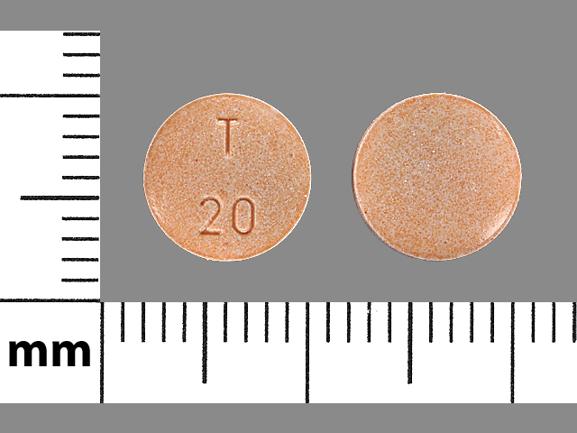
Enalapril (Monograph)
Brand name: Vasotec
Drug class: Angiotensin-Converting Enzyme Inhibitors
- ACE Inhibitors
VA class: CV800
Chemical name: (S)-1-[N-[1-(Ethoxycarbonyl)-3-phenylpropyl]-l-alanyl]-l-proline(Z)-2-butenedioate (1:1)
Molecular formula: C20H28N2O5•C4H4O4C18H24N2O5
CAS number: 75847-73-3
Enalaprilat/Enalapril Maleate is also contained as an ingredient in the following combinations:
Enalapril Maleate and Hydrochlorothiazide
Warning
-
May cause fetal and neonatal morbidity and mortality if used during pregnancy. See Fetal/Neonatal Morbidity and Mortality under Cautions.
-
If pregnancy is detected, discontinue as soon as possible.
Introduction
Nonsulfhydryl ACE inhibitor.
Uses for Enalapril
Hypertension
Management of hypertension (alone or in combination with other classes of antihypertensive agents). May use enalaprilat when oral therapy is not practical.
ACE inhibitors are recommended as one of several preferred agents for the initial management of hypertension according to current evidence-based hypertension guidelines; other preferred options include angiotensin II receptor antagonists, calcium-channel blockers, and thiazide diuretics. While there may be individual differences with respect to recommendations for initial drug selection and use in specific patient populations, current evidence indicates that these antihypertensive drug classes all generally produce comparable effects on overall mortality and cardiovascular, cerebrovascular, and renal outcomes.
Individualize choice of therapy; consider patient characteristics (e.g., age, ethnicity/race, comorbidities, cardiovascular risk) as well as drug-related factors (e.g., ease of administration, availability, adverse effects, cost).
A 2017 ACC/AHA multidisciplinary hypertension guideline classifies BP in adults into 4 categories: normal, elevated, stage 1 hypertension, and stage 2 hypertension. (See Table 1.)
Source: Whelton PK, Carey RM, Aronow WS et al. 2017 ACC/AHA/AAPA/ABC/ACPM/AGS/APhA/ASH/ASPC/NMA/PCNA guideline for the prevention, detection, evaluation, and management of high blood pressure in adults: a report of the American College of Cardiology/American Heart Association Task Force on Clinical Practice Guidelines. Hypertension. 2018;71:e13-115.
Individuals with SBP and DBP in 2 different categories (e.g., elevated SBP and normal DBP) should be designated as being in the higher BP category (i.e., elevated BP).
|
Category |
SBP (mm Hg) |
DBP (mm Hg) |
|
|---|---|---|---|
|
Normal |
<120 |
and |
<80 |
|
Elevated |
120–129 |
and |
<80 |
|
Hypertension, Stage 1 |
130–139 |
or |
80–89 |
|
Hypertension, Stage 2 |
≥140 |
or |
≥90 |
The goal of hypertension management and prevention is to achieve and maintain optimal control of BP. However, the BP thresholds used to define hypertension, the optimum BP threshold at which to initiate antihypertensive drug therapy, and the ideal target BP values remain controversial.
The 2017 ACC/AHA hypertension guideline generally recommends a target BP goal (i.e., BP to achieve with drug therapy and/or nonpharmacologic intervention) of <130/80 mm Hg in all adults regardless of comorbidities or level of atherosclerotic cardiovascular disease (ASCVD) risk. In addition, an SBP goal of <130 mm Hg generally is recommended for noninstitutionalized ambulatory patients ≥65 years of age with an average SBP of ≥130 mm Hg. These BP goals are based upon clinical studies demonstrating continuing reduction of cardiovascular risk at progressively lower levels of SBP.
Other hypertension guidelines generally have based target BP goals on age and comorbidities. Guidelines such as those issued by the JNC 8 expert panel generally have targeted a BP goal of <140/90 mm Hg regardless of cardiovascular risk and have used higher BP thresholds and target BPs in elderly patients compared with those recommended by the 2017 ACC/AHA hypertension guideline.
Some clinicians continue to support previous target BPs recommended by JNC 8 due to concerns about the lack of generalizability of data from some clinical trials (e.g., SPRINT study) used to support the current ACC/AHA hypertension guideline and potential harms (e.g., adverse drug effects, costs of therapy) versus benefits of BP lowering in patients at lower risk of cardiovascular disease.
Consider potential benefits of hypertension management and drug cost, adverse effects, and risks associated with the use of multiple antihypertensive drugs when deciding a patient’s BP treatment goal.
For decisions regarding when to initiate drug therapy (BP threshold), the current ACC/AHA hypertension guideline incorporates underlying cardiovascular risk factors. ASCVD risk assessment recommended by ACC/AHA for all adults with hypertension.
ACC/AHA currently recommend initiation of antihypertensive drug therapy in addition to lifestyle/behavioral modifications at an SBP ≥140 mm Hg or DBP ≥ 90 mm Hg in adults who have no history of cardiovascular disease (i.e., primary prevention) and a low ASCVD risk (10-year risk <10%).
For secondary prevention in adults with known cardiovascular disease or for primary prevention in those at higher risk for ASCVD (10-year risk ≥10%), ACC/AHA recommend initiation of antihypertensive drug therapy at an average SBP ≥130 mm Hg or an average DBP ≥80 mm Hg.
Adults with hypertension and diabetes mellitus, chronic kidney disease (CKD), or age ≥65 years of age are assumed to be at high risk for cardiovascular disease; ACC/AHA state that such patients should have antihypertensive drug therapy initiated at a BP ≥130/80 mm Hg.
Individualize drug therapy in patients with hypertension and underlying cardiovascular or other risk factors.
In stage 1 hypertension, experts state that it is reasonable to initiate drug therapy using the stepped-care approach in which one drug is initiated and titrated and other drugs are added sequentially to achieve the target BP. Initiation of antihypertensive therapy with 2 first-line agents from different pharmacologic classes recommended in patients with stage 2 hypertension and average BP >20/10 mm Hg above BP goal.
Black hypertensive patients generally tend to respond better to monotherapy with calcium-channel blockers or thiazide diuretics than to ACE inhibitors. However, the combination of an ACE inhibitor or an angiotensin II receptor antagonist with a calcium-channel blocker or thiazide diuretic produces similar BP lowering in black patients as in other racial groups.
ACE inhibitors may be preferred in hypertensive patients with heart failure, ischemic heart disease, diabetes mellitus, CKD, or cerebrovascular disease or post-MI.
Enalaprilat has been used effectively to control BP in adults with severe hypertension or hypertensive emergencies† [off-label]. However, for treatment of hypertensive emergencies, some clinicians prefer short-acting antihypertensive agents administered by continuous IV infusion for greater ease in titrating dosage to promptly but gradually reduce BP.
Heart Failure
Management of heart failure, usually in conjunction with other agents such as cardiac glycosides, diuretics, and β-adrenergic blocking agents (β-blockers).
Some evidence indicates that therapy with an ACE inhibitor may be less effective than angiotensin receptor-neprilysin inhibitor (ARNI) therapy (e.g., sacubitril/valsartan) in reducing cardiovascular death and heart failure-related hospitalization.
ACCF, AHA, and the Heart Failure Society of America (HFSA) recommend that patients with chronic symptomatic heart failure and reduced left ventricular ejection fraction (LVEF) (NYHA class II or III) who are able to tolerate an ACE inhibitor or angiotensin II receptor antagonist be switched to therapy containing an ARNI to further reduce morbidity and mortality.
Asymptomatic Left Ventricular Dysfunction
Treatment of clinically stable asymptomatic patients with left ventricular dysfunction (ejection fraction ≤35%) to improve survival and to reduce the incidence of overt heart failure and subsequent hospitalizations for heart failure.
Left Ventricular Dysfunction After Acute MI
ACE inhibitors, including enalapril and enalaprilat, have been used to reduce mortality and prevent the development of left ventricular dilatation and dysfunction following acute MI† [off-label].
Expert guidelines recommend initiation of an oral ACE inhibitor within the first 24 hours of acute MI in patients with an anterior infarct, heart failure, or ejection fraction ≤40% who do not have any contraindications (e.g., hypotension, shock, renal dysfunction). Use with caution (and with gradual upward titration) during initial postinfarction period because of the possibility of hypotension or renal dysfunction.
Continue therapy indefinitely in patients with left ventricular dysfunction or other compelling indications (e.g., hypertension, diabetes mellitus, CKD).
Diabetic Nephropathy
A recommended agent in the management of patients with diabetes mellitus and persistent albuminuria† [off-label] who have modestly elevated (30–300 mg/24 hours) or higher (>300 mg/24 hours) levels of urinary albumin excretion; slows rate of progression of renal disease in such patients.
Enalapril Dosage and Administration
General
BP Monitoring and Treatment Goals
-
Monitor BP regularly (i.e., monthly) during therapy and adjust dosage of the antihypertensive drug until BP controlled.
-
If unacceptable adverse effects occur, discontinue drug and initiate another antihypertensive agent from a different pharmacologic class.
-
If adequate BP response not achieved with a single antihypertensive agent, either increase dosage of single drug or add a second drug with demonstrated benefit and preferably a complementary mechanism of action (e.g., calcium-channel blocker, thiazide diuretic). Many patients will require at least 2 drugs from different pharmacologic classes to achieve BP goal; if goal BP still not achieved, add a third drug.
Administration
Administer enalapril orally once or twice daily; administer enalaprilat every 6 hours by slow IV infusion. Do not administer enalaprilat by other parenteral routes.
Oral Administration
Administer enalapril orally without regard to meals. Administer enalapril as extemporaneously prepared oral suspension in patients unable to swallow tablets.
Reconstitution
Preparation of extemporaneous suspension containing enalapril maleate 1 mg/mL: Add 50 mL of sodium citrate dihydrate (Bicitra) to a polyethylene terephthalate (PET) bottle containing ten 20-mg tablets of enalapril maleate; shake contents for ≥2 minutes. Allow concentrated suspension to stand for 60 minutes following reconstitution, then shake for an additional minute. Dilute concentrated suspension with 150 mL of syrup (Ora-Sweet SF); shake container to disperse ingredients. Shake suspension before dispensing each dose.
IV Administration
Administer enalaprilat by slow IV infusion as undiluted or diluted solution.
Dilution
Can dilute enalaprilat injection with up to 50 mL of compatible IV infusion solution.
For solution and drug compatibility information, see Compatibility under Stability.
Rate of Administration
Infuse dose over ≥5 minutes. In patients at risk of excessive hypotension, infusion of dose over up to 1 hour is preferred.
Dosage
Available as enalapril maleate (oral tablets); dosage expressed in terms of the salt. Also available as enalaprilat (IV injection); dosage expressed in terms of the base.
Dosage of enalapril and enalaprilat are not identical; caution when converting from oral to IV therapy or vice versa.
May minimize risk of hypotension in patients currently receiving diuretic therapy by discontinuing the diuretic, reducing diuretic dosage, or cautiously increasing salt intake prior to initiating enalapril maleate or enalaprilat. (See Hypotension under Cautions.) For information on initiation of oral enalapril maleate or IV enalaprilat when diuretic therapy is not withheld, see the individual dosage sections in Dosage and Administration.
Pediatric Patients
Hypertension
Oral
Children 1 month to 16 years of age: Initially, enalapril maleate 0.08 mg/kg (up to 5 mg) once daily. Some experts state dose may be administered as a single dose or in 2 divided doses daily.
Initiate drug at the low end of the dosage range per some experts; may increase dosage every 2–4 weeks until BP controlled, maximum dosage (0.58 mg/kg, up to 40 mg daily) reached, or adverse effects occur.
Adults
Hypertension
Enalapril Therapy
OralManufacturer recommends initial dosage of 5 mg daily in patients not currently receiving a diuretic. Adjust dosage at 2- to 4-week intervals to achieve BP control.
In patients currently receiving diuretic therapy, discontinue diuretic, if possible, 2–3 days before initiating enalapril. May cautiously resume diuretic therapy if BP not controlled adequately with enalapril alone. If diuretic cannot be discontinued, give initial enalapril maleate dose of 2.5 mg under close medical supervision (observe patient for ≥2 hours and until BP has stabilized for at least an additional hour).
When switching from IV enalaprilat to oral enalapril, initiate enalapril maleate at 5 mg once daily as monotherapy. If used with a diuretic, initiate enalapril maleate at 2.5 mg once daily (in patients who responded to enalaprilat 0.625 mg every 6 hours). Adjust dosage as necessary.
Usual maintenance dosage: Manufacturer states 10–40 mg daily, given in 1 dose or 2 divided doses. Some experts state 5–40 mg daily, given in 1 dose or 2 divided doses.
If effectiveness diminishes toward end of dosing interval in patients treated once daily, consider increasing dosage or administering drug in 2 divided doses.
Enalapril/Hydrochlorothiazide Fixed-combination Therapy
OralManufacturer states fixed-combination preparation should not be used for initial antihypertensive therapy.
If BP is not adequately controlled by monotherapy with either enalapril or hydrochlorothiazide, or if stable dosages of these drugs have been achieved, can switch to the fixed-combination preparation containing enalapril maleate 5 mg and hydrochlorothiazide 12.5 mg or, alternatively, enalapril maleate 10 mg and hydrochlorothiazide 25 mg.
Adjust dosage of either or both drugs according to patient’s response.
Enalaprilat Therapy
IVInitially, enalaprilat 1.25 mg every 6 hours in patients not receiving a diuretic or in those converting from enalapril monotherapy.
In patients receiving a diuretic, enalaprilat 0.625 mg initially. If BP response after 1 hour is inadequate, administer another dose of 0.625 mg. May administer additional doses of 1.25 mg at 6-hour intervals.
In patients at risk of marked hypotension (see Hypotension under Cautions), ≤0.625 mg of enalaprilat initially, given by slow IV infusion (over ≥5 minutes, preferably up to 1 hour) under very close medical supervision.
Hypertensive Emergency† [off-label]
IV
Enalaprilat: 1.25–5 mg, repeated every 6 hours as necessary, has been recommended.
Without compelling condition: Initial goal is to reduce SBP by no more than 25% within 1 hour, followed by further reduction if stable toward 160/100 to 110 mm Hg within the next 2–6 hours, avoiding excessive declines in BP that could precipitate renal, cerebral, or coronary ischemia. If patient is stable, can further reduce BP toward normal in the next 24–48 hours.
Heart Failure
Oral
Usual initial enalapril maleate dosage: 2.5 mg twice daily in patients with normal renal function and serum sodium concentration.
Usual maintenance dosage: 5–40 mg daily, given in 2 divided doses.
Following initial dose, monitor closely for ≥2 hours and until BP has stabilized for at least an additional hour. To minimize risk of hypotension, reduce diuretic dosage, if possible, prior to initiating therapy. Adjust dosage gradually as tolerated to prespecified target (≥20 mg of enalapril maleate daily) or maximum tolerated dosage.
In patients with hyponatremia (serum sodium concentration <130 mEq/L), manufacturer recommends initial enalapril maleate dosage of 2.5 mg daily under close monitoring. Increase dosage at intervals of ≥4 days, to 2.5 mg twice daily, then 5 mg twice daily, and then higher, provided excessive hypotension or deterioration of renal function is not present at the time of intended dosage adjustment; dosage should not exceed 40 mg daily.
Asymptomatic Left Ventricular Dysfunction
Oral
Initially, enalapril maleate 2.5 mg twice daily. Titrate upward as tolerated to target dosage of 20 mg daily, given in divided doses. Following initial dose, monitor closely for ≥2 hours and until BP has stabilized for at least an additional hour. To minimize risk of hypotension, reduce diuretic dosage, if possible, prior to initiating therapy.
Prescribing Limits
Pediatric Patients
Hypertension
Oral
Maximum 0.58 mg/kg or 40 mg of enalapril maleate daily.
Adults
Hypertension
Oral
Dosage of enalapril/hydrochlorothiazide fixed combination generally should not exceed enalapril maleate 20 mg and hydrochlorothiazide 50 mg daily.
IV
Enalaprilat dosages up to 5 mg every 6 hours were well tolerated for up to 36 hours in controlled clinical studies. Insufficient experience with dosages >20 mg daily.
Enalaprilat usually is not administered for >48 hours, but has been administered for as long as 7 days.
Heart Failure
Oral
Maximum 40 mg of enalapril maleate daily, given in 2 divided doses.
Special Populations
Hepatic Impairment
No specific dosage recommendations at this time.
Renal Impairment
Hypertension
Enalapril Therapy
OralPatients with Clcr >30 mL/minute: Manufacturer states that no adjustment of enalapril maleate dosage is required.
Adults with Clcr ≤30 mL/minute or Scr ≥3 mg/dL: Manufacturer recommends initial enalapril maleate dosage of 2.5 mg once daily; titrate until BP is controlled or to maximum of 40 mg daily. When switching from IV enalaprilat, initiate oral therapy at 2.5 mg once daily; adjust dosage according to patient’s BP response.
Manufacturer does not recommend use of enalapril in pediatric patients with Clcr <30 mL/minute per 1.73 m2.
Some clinicians recommend dosage of 75–100% of usual enalapril dosage in patients with Clcr of 10–50 mL/minute and dosage of 50% of usual enalapril dosage in those with Clcr <10 mL/minute.
Hemodialysis patients: Enalapril maleate 2.5 mg on dialysis days; on days between dialysis, adjust dosage according to BP response.
Enalapril/Hydrochlorothiazide Fixed-combination Therapy
OralNot recommended in patients with severe renal impairment. No dosage adjustment required if Clcr >30 mL/minute.
Enalaprilat Therapy
IVAdults with Clcr >30 mL/minute: No adjustment of enalaprilat dosage required.
Adults with Clcr ≤30 mL/minute or Scr ≥3 mg/dL: Enalaprilat 0.625 mg initially. If BP response after 1 hour is inadequate, administer another dose of 0.625 mg. May administer additional doses of 1.25 mg at 6-hour intervals.
Hemodialysis patients: Enalaprilat 0.625 mg every 6 hours.
Heart Failure
Oral
Patients with Scr >1.6 mg/dL: Enalapril maleate 2.5 mg daily initially under close monitoring. Increase dosage at intervals of ≥4 days, to 2.5 mg twice daily, then 5 mg twice daily, and then higher, provided excessive hypotension or deterioration of renal function is not present at the time of intended dosage adjustment; do not exceed 40 mg daily.
Geriatric Patients
Hypertension
Initiate therapy with enalapril/hydrochlorothiazide fixed combination at lower end of usual range.
Cautions for Enalapril
Contraindications
-
Known hypersensitivity (e.g. history of angioedema) to enalapril, enalaprilat, or another ACE inhibitor or any ingredient in the formulation.
-
History of hereditary or idiopathic angioedema.
Warnings/Precautions
Warnings
Hypotension
Risk of marked hypotension, sometimes associated with oliguria, azotemia, and, rarely, death, in volume- and/or salt-depleted patients (e.g., those with heart failure with or without associated renal insufficiency, hyponatremia, high-dose or recent intensive diuretic therapy or recent increase in diuretic dose, dialysis). Severe hypotension reported in such patients following IV enalaprilat doses as low as 0.2 mg. Severe hypotension may result in MI or stroke in patients with ischemic cardiovascular or cerebrovascular disease.
Hypotension may occur in patients undergoing surgery or during anesthesia with agents that produce hypotension; recommended treatment is fluid volume expansion.
To minimize potential for hypotension, consider recent antihypertensive therapy, extent of BP elevation, sodium intake, fluid status, and other clinical conditions. May minimize potential for hypotension in patients at risk for excessive hypotension by withholding diuretic therapy (except in patients with heart failure), reducing diuretic dosage, and/or cautiously increasing sodium intake prior to initiation of enalapril. (See Dosage under Dosage and Administration.)
Initiate therapy in patients at risk for excessive hypotension under close medical supervision; monitor closely for first 2 weeks following initiation of enalapril or any increase in enalapril or diuretic dosage.
If excessive hypotension occurs, immediately place patient in supine position and, if necessary, administer IV infusion of 0.9% sodium chloride. Enalapril therapy usually can be continued following restoration of volume and BP. If symptomatic hypotension develops, dosage reduction or discontinuance of enalapril or diuretic may be necessary.
Hematologic Effects
Neutropenia and agranulocytosis reported with captopril; risk of neutropenia appears to depend principally on presence of renal impairment and presence of collagen vascular disease (e.g., systemic lupus erythematosus, scleroderma). Several cases of neutropenia or agranulocytosis reported with enalapril; causal relationship could not be excluded.
Consider monitoring leukocytes in patients with collagen vascular disease, especially if renal impairment exists.
Fetal/Neonatal Morbidity and Mortality
Possible fetal and neonatal morbidity and mortality when ACE inhibitors used during pregnancy. (See Boxed Warning.) Such potential risks occur throughout pregnancy, especially during the second and third trimesters.
Also may increase the risk of major congenital malformations when administered during the first trimester of pregnancy.
Discontinue as soon as possible when pregnancy is detected, unless continued use is considered lifesaving. Nearly all women can be transferred successfully to alternative therapy for the remainder of their pregnancy.
Hepatic Effects
Clinical syndrome that usually is manifested initially by cholestatic jaundice and may progress to fulminant hepatic necrosis (occasionally fatal) reported rarely with ACE inhibitors.
If jaundice or marked elevation of liver enzymes occurs, discontinue drug and monitor patient.
Sensitivity Reactions
Anaphylactoid reactions and/or angioedema possible; if associated with laryngeal edema, may be fatal. Immediate medical intervention (e.g., epinephrine) for involvement of tongue, glottis, or larynx. Intestinal angioedema possible; consider in differential diagnosis of patients who develop abdominal pain.
Anaphylactoid reactions reported in patients receiving ACE inhibitors while undergoing LDL apheresis with dextran sulfate absorption or following initiation of hemodialysis that utilized high-flux membrane.
Life-threatening anaphylactoid reactions reported in at least 2 patients receiving ACE inhibitors while undergoing desensitization treatment with hymenoptera venom.
Contraindicated in patients with a history of angioedema associated with ACE inhibitors and in patients with hereditary or idiopathic angioedema.
General Precautions
Renal Effects
Transient increases in BUN and Scr possible, especially in patients with preexisting renal impairment or those receiving concomitant diuretic therapy. Possible increases in BUN and Scr in patients with unilateral or bilateral renal-artery stenosis; generally reversible following discontinuance of ACE inhibitor and/or diuretic.
Possible oliguria, progressive azotemia, and, rarely, acute renal failure and/or death in patients with severe heart failure.
Closely monitor renal function following initiation of therapy in patients with heart failure or unilateral or bilateral renal-artery stenosis. Some patients may require dosage reduction or discontinuance of ACE inhibitor or diuretic and/or adequate sodium repletion.
Hyperkalemia
Possible hyperkalemia, especially in patients with renal impairment or diabetes mellitus and those receiving drugs that can increase serum potassium concentrations (e.g., potassium-sparing diuretics, potassium supplements, potassium-containing salt substitutes). (See Specific Drugs under Interactions.)
Monitor serum potassium concentration carefully in these patients.
Cough
Persistent and nonproductive cough; resolves after drug discontinuance.
Valvular Stenosis
Use with caution in patients with obstruction in the outflow tract of the left ventricle (e.g., aortic stenosis, hypertrophic cardiomyopathy).
Use of Fixed Combinations
When used in fixed combination with hydrochlorothiazide, consider the cautions, precautions, and contraindications associated with hydrochlorothiazide.
Specific Populations
Pregnancy
Enalapril/enalaprilat: Category C (1st trimester); Category D (2nd and 3rd trimesters). (See Boxed Warning.)
Lactation
Distributed into milk; discontinue nursing or the drug.
Pediatric Use
Antihypertensive effects of oral enalapril established in hypertensive pediatric patients 1 month to 16 years of age; adverse effect profile of enalapril similar to that in adults. Enalapril is not recommended for neonates or for pediatric patients with Clcr <30 mL/minute per 1.73 m2.
Safety and efficacy of IV enalaprilat or of oral enalapril in fixed combination with felodipine or hydrochlorothiazide not established in children.
Geriatric Use
Insufficient experience in patients ≥65 years of age to determine whether geriatric patients respond differently to enalapril in fixed combination with hydrochlorothiazide than younger adults; select dosage with caution. (See Geriatric Patients under Dosage and Administration.)
Renal Impairment
Systemic exposure to enalaprilat may be increased. (See Absorption: Special Populations, under Pharmacokinetics.) Initial dosage adjustment may be necessary depending on degree of renal impairment. (See Renal Impairment under Dosage and Administration.)
Deterioration of renal function may occur. (See Renal Effects under Cautions.)
Enalapril/hydrochlorothiazide fixed combinations are not recommended in patients with severe renal impairment (Clcr ≤30 mL/minute or Scr >3 mg/dL).
Black Patients
BP reduction achieved with ACE inhibitor may be smaller in black patients compared with nonblack patients. (See Hypertension under Uses.)
Higher incidence of angioedema reported with ACE inhibitors in black patients compared with other races.
Common Adverse Effects
Enalapril in patients with hypertension: Headache, fatigue, dizziness.
Enalapril in patients with heart failure: Orthostatic effects, syncope, chest pain, hypotension, diarrhea, dizziness, cough.
Enalaprilat: Hypotension.
Drug Interactions
Specific Drugs
|
Drug |
Interaction |
Comments |
|---|---|---|
|
Antidiabetic agents |
Possible hypoglycemia in diabetic patients |
Consider risk of hypoglycemia if used concomitantly |
|
Diuretics |
Increased hypotensive effect |
If possible, discontinue diuretic before initiating enalapril or enalaprilat (see Dosage under Dosage and Administration) |
|
Diuretics, potassium-sparing (amiloride, spironolactone, triamterene) |
Enhanced hyperkalemic effect |
Use with caution; monitor serum potassium concentrations frequently |
|
Hypotensive agents (e.g., nitrates, certain anesthetics) |
Increased hypotensive effect |
|
|
Lithium |
Increased serum lithium concentrations; possible toxicity |
Use with caution; monitor serum lithium concentrations frequently |
|
NSAIAs |
Possible reduced BP response to enalapril; potential for acute reduction of renal function; possible attenuation of hemodynamic effects in patients with heart failure |
Monitor BP carefully and be alert for evidence of impaired renal function |
|
Potassium supplements or potassium-containing salt substitutes |
Enhanced hyperkalemic effect |
Use with caution; monitor serum potassium concentrations frequently |
Enalapril Pharmacokinetics
Absorption
Bioavailability
Approximately 55–75% of an oral dose of enalapril is rapidly absorbed; enalaprilat is poorly absorbed from GI tract.
Enalapril undergoes first-pass metabolism to enalaprilat (the active moiety). Peak serum concentrations of enalapril and enalaprilat are achieved within 0.5–1.5 and 3–4.5 hours, respectively, following oral administration.
Concomitant oral administration of enalapril and hydrochlorothiazide has little, if any, effect on the bioavailability of either drug in the combination.
Onset
Following a single oral dose of enalapril, antihypertensive effects are observed in 1 hour, with peak BP reduction at 4–8 hours.
Following IV dose of enalaprilat, hypotensive effect usually is apparent within 5–15 minutes, with maximal effect within 1–4 hours; effects of second and third doses may exceed those of first dose.
Duration
Following oral administration of enalapril, hypotensive effect generally persists for 12–24 hours. Several weeks of therapy may be required before full effect is achieved.
Following IV administration of recommended doses of enalaprilat, hypotensive effect persists for approximately 6 hours.
Food
Food does not affect absorption of enalapril.
Special Populations
In patients with impaired renal function, enalaprilat concentrations and AUCs may be increased; time to peak and steady-state serum concentration may be delayed. Effective half-life for accumulation of enalaprilat is prolonged in patients with Clcr <30 mL/minute but not in those with Clcr of 30–60 mL/minute.
Distribution
Extent
Enalapril appears to cross the blood-brain barrier poorly, if at all; enalaprilat does not appear to distribute into the CNS.
Enalaprilat crosses the placenta.
Enalapril and enalaprilat are distributed into milk in trace amounts.
Plasma Protein Binding
Enalaprilat: Approximately 50–60%.
Elimination
Metabolism
Metabolized in the liver, principally to an active metabolite, enalaprilat.
Elimination Route
Enalapril is eliminated in urine (60–78% within 24–48 hours) as unchanged drug and enalaprilat and also in feces (approximately 33% within 24–48 hours).
Enalaprilat is eliminated in urine as unchanged drug.
Enalaprilat is removed by hemodialysis and peritoneal dialysis.
Half-life
Enalapril: <2 hours.
Enalaprilat: 11 hours.
Special Populations
In patients with hepatic impairment, elimination of enalaprilat may be prolonged. Hydrolysis of enalapril to enalaprilat may be delayed and/or impaired in patients with severe hepatic impairment.
In patients with GFR ≤30 mL/minute, half-life of enalaprilat is prolonged.
In patients with heart failure, enalapril half-life may be increased and enalaprilat elimination prolonged.
Stability
Storage
Oral
Extemporaneous Suspension
1-mg/mL preparation of enalapril maleate tablets in syrup (Ora-Sweet SF) and sodium citrate dihydrate (Bicitra) (see Oral Administration under Dosage and Administration): Up to 30 days at 2–8°C.
Tablets
Enalapril: Tight container at 25°C (may be exposed to 15–30°C); protect from moisture.
Enalapril/hydrochlorothiazide fixed-combination preparations: Tightly closed container at 25°C (may be exposed to 15–30°C). Protect from moisture.
Parenteral
Injection
<30°C.
Compatibility
Parenteral
Solution Compatibilityd HID
|
Compatible |
|---|
|
Dextran 40 10% in dextrose 5% |
|
Dextrose 5% in Ringer’s injection, lactated |
|
Dextrose 5% in sodium chloride 0.9% |
|
Dextrose 5% in water |
|
Hetastarch 6% in sodium chloride 0.9% |
|
Normosol R |
|
Sodium chloride 0.9% |
Drug Compatibility
|
Compatible |
|---|
|
Dobutamine HCl |
|
Dopamine HCl |
|
Heparin sodium |
|
Meropenem |
|
Nitroglycerin |
|
Potassium chloride |
|
Sodium nitroprusside |
|
Compatible |
|---|
|
Allopurinol sodium |
|
Amifostine |
|
Amikacin sulfate |
|
Aminophylline |
|
Ampicillin sodium |
|
Ampicillin sodium–sulbactam sodium |
|
Aztreonam |
|
Bivalirudin |
|
Butorphanol tartrate |
|
Calcium gluconate |
|
Cefazolin sodium |
|
Ceftaroline fosamil |
|
Ceftazidime |
|
Chloramphenicol sodium succinate |
|
Cisatracurium besylate |
|
Cladribine |
|
Clindamycin phosphate |
|
Co-trimoxazole |
|
Dexmedetomidine HCl |
|
Dextran 40 |
|
Dobutamine HCl |
|
Docetaxel |
|
Dopamine HCl |
|
Doripenem |
|
Doxorubicin HCl liposome injection |
|
Erythromycin lactobionate |
|
Esmolol HCl |
|
Etoposide phosphate |
|
Famotidine |
|
Fenoldopam mesylate |
|
Fentanyl citrate |
|
Filgrastim |
|
Ganciclovir sodium |
|
Gemcitabine HCl |
|
Gentamicin sulfate |
|
Granisetron HCl |
|
Heparin sodium |
|
Hetastarch in lactated electrolyte injection (Hextend) |
|
Hetastarch in sodium chloride 0.9% |
|
Hydrocortisone sodium succinate |
|
Labetalol HCl |
|
Lidocaine HCl |
|
Linezolid |
|
Magnesium sulfate |
|
Melphalan HCl |
|
Meropenem |
|
Methylprednisolone sodium succinate |
|
Metronidazole |
|
Morphine sulfate |
|
Nafcillin sodium |
|
Nicardipine HCl |
|
Oxaliplatin |
|
Pemetrexed disodium |
|
Penicillin G potassium |
|
Phenobarbital sodium |
|
Piperacillin sodium–tazobactam sodium |
|
Potassium chloride |
|
Potassium phosphates |
|
Propofol |
|
Ranitidine HCl |
|
Remifentanil HCl |
|
Sodium acetate |
|
Sodium nitroprusside |
|
Teniposide |
|
Thiotepa |
|
Tobramycin sulfate |
|
Vancomycin HCl |
|
Vinorelbine tartrate |
|
Incompatible |
|
Amphotericin B |
|
Amphotericin B cholesteryl sulfate complex |
|
Nesiritide |
|
Phenytoin sodium |
Actions
-
Enalapril is a prodrug; has little pharmacologic activity until hydrolyzed to enalaprilat.
-
Suppresses the renin-angiotensin-aldosterone system.
Advice to Patients
-
Risk of angioedema, anaphylactoid reactions, or other sensitivity reactions. Importance of reporting sensitivity reactions (e.g., edema of the face, eyes, lips, tongue, or extremities; hoarseness; swallowing or breathing with difficulty) immediately to clinician and of discontinuing the drug.
-
Importance of reporting signs of infection (e.g., sore throat, fever).
-
Risk of hypotension. Importance of informing clinicians promptly if lightheadedness or fainting occurs.
-
Importance of adequate fluid intake; risk of volume depletion with excessive perspiration, dehydration, vomiting, or diarrhea.
-
Risks of use during pregnancy. (See Boxed Warning.)
-
Importance of informing clinicians of existing or contemplated concomitant therapy, including prescription and OTC drugs (including salt substitutes containing potassium).
-
Importance of women informing their clinicians if they are or plan to become pregnant or plan to breast-feed.
-
Importance of advising patients of other important precautionary information. (See Cautions.)
Preparations
Excipients in commercially available drug preparations may have clinically important effects in some individuals; consult specific product labeling for details.
Please refer to the ASHP Drug Shortages Resource Center for information on shortages of one or more of these preparations.
* available from one or more manufacturer, distributor, and/or repackager by generic (nonproprietary) name
|
Routes |
Dosage Forms |
Strengths |
Brand Names |
Manufacturer |
|---|---|---|---|---|
|
Parenteral |
Injection, for IV use only |
equivalent to 1.25 mg of anhydrous enalaprilat per mL* |
Enalaprilat Injection |
* available from one or more manufacturer, distributor, and/or repackager by generic (nonproprietary) name
|
Routes |
Dosage Forms |
Strengths |
Brand Names |
Manufacturer |
|---|---|---|---|---|
|
Oral |
Tablets |
2.5 mg* |
Vasotec (scored) |
Valeant |
|
5 mg* |
Vasotec (scored) |
Valeant |
||
|
10 mg* |
Vasotec (scored) |
Valeant |
||
|
20 mg* |
Vasotec (scored) |
Valeant |
* available from one or more manufacturer, distributor, and/or repackager by generic (nonproprietary) name
|
Routes |
Dosage Forms |
Strengths |
Brand Names |
Manufacturer |
|---|---|---|---|---|
|
Oral |
Tablets |
5 mg Enalapril Maleate and Hydrochlorothiazide 12.5 mg* |
Enalapril Maleate and Hydrochlorothiazide Tablets |
|
|
10 mg Enalapril Maleate and Hydrochlorothiazide 25 mg* |
Enalapril Maleate and Hydrochlorothiazide Tablets |
|||
|
Vaseretic |
Valeant |
AHFS DI Essentials™. © Copyright 2024, Selected Revisions November 5, 2018. American Society of Health-System Pharmacists, Inc., 4500 East-West Highway, Suite 900, Bethesda, Maryland 20814.
† Off-label: Use is not currently included in the labeling approved by the US Food and Drug Administration.
Reload page with references included
Frequently asked questions
More about enalapril
- Check interactions
- Compare alternatives
- Reviews (32)
- Drug images
- Side effects
- Dosage information
- Patient tips
- During pregnancy
- Drug class: Angiotensin Converting Enzyme Inhibitors
- Breastfeeding
- En español