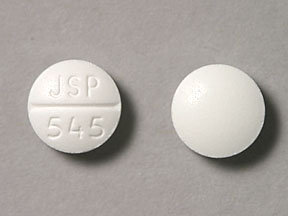
Digoxin (Monograph)
Brand names: Digitek, Lanoxin
Drug class: Cardiotonic Agents
- Inotropic Agents, Positive Cardiac
Introduction
Digoxin is a cardiac glycoside with positive inotropic and antiarrhythmic effects.
Uses for Digoxin
Heart Failure
Used in conjunction with other agents in the management of mild to moderate (NYHA class II-III) heart failure associated with left ventricular systolic dysfunction.
Increases left ventricular ejection fraction and improves symptoms of heart failure (as evidenced by exercise capacity, heart failure-related hospitalizations and emergency care), while having no apparent effect on overall mortality.
Although digoxin has been used extensively in the management of heart failure, current use is generally limited because of lack of demonstrated survival benefit, potential for serious adverse effects, and availability of other drugs that have been shown to substantially reduce morbidity and mortality.
Current guidelines for the management of heart failure in adults generally recommend inhibition of the renin-angiotensin-aldosterone system with a combination of drug therapies (e.g., ACE inhibitors, angiotensin II receptor antagonists, angiotensin receptor-neprilysin inhibitors [ARNIs], β-adrenergic blocking agents [β-blockers], aldosterone receptor antagonists) to reduce morbidity and mortality.
Additional agents (e.g., digoxin, diuretics, sinoatrial modulators [i.e., ivabradine]) added to the treatment regimen in selected patients associated with symptomatic improvement of heart failure and/or reduction in heart failure-related hospitalizations.
Therapy with digoxin may be initiated in severely symptomatic patients with heart failure and reduced left ventricular ejection fraction who have started but not yet responded to an ACE inhibitor or a β-blocker; alternatively, digoxin may be withheld until the patient’s symptomatic response to the ACE inhibitor or β-blocker has been defined and then used only in those patients who remain symptomatic while receiving an ACE inhibitor or β-blocker.
In heart failure patients receiving digoxin without an ACE inhibitor or β-blocker, digoxin should not be withdrawn, but appropriate therapy with an ACE inhibitor and/or a β-blocker should be added.
Digoxin is less effective for high-output heart failure; heart failure resulting from hypermetabolic or hyperdynamic states is best treated by addressing underlying condition.
Patients with heart failure associated with preserved left ventricular ejection fraction (e.g., restrictive cardiomyopathy, constrictive pericarditis, amyloid heart disease, acute cor pulmonale) may experience decreased cardiac output with digoxin.
Atrial Fibrillation
Used for ventricular rate control in patients with chronic atrial fibrillation; however, not considered first-line therapy, in part because of its slow onset of action. β-Blockers and nondihydropyridine calcium-channel blocking agents (e.g., diltiazem, verapamil) are preferred for this use.
Digoxin may be used in combination with a β-blocker or nondihydropyridine calcium-channel blocking agent to improve heart rate control during exercise; also may be useful in patients with concomitant heart failure.
Do not use in patients with preexcited atrial fibrillation because increased ventricular response and ventricular fibrillation may occur.
Paroxysmal Supraventricular Tachycardia
Also has been used for management of paroxysmal supraventricular tachycardia (PSVT) due to AV nodal reentry tachycardia (AVNRT) or AV reentry tachycardia (AVRT)† [off-label].
Some experts state that oral digoxin may be a reasonable choice for ongoing management of PSVT in patients who are not candidates for, or prefer not to undergo, catheter ablation. Because of potential for adverse effects, use of digoxin is generally reserved for patients who fail or cannot take preferred therapies (e.g., β-blockers, nondihydropyridine calcium-channel blocking agents, flecainide, propafenone).
Has been used in the management of regular supraventricular (reciprocating) tachycardia associated with Wolff-Parkinson-White (WPW) syndrome† [off-label], but potentially harmful in patients with WPW syndrome and preexcited atrial fibrillation since acceleration in ventricular rate may occur. Avoid use in such patients.
MI
Use in acute MI is controversial.
Generally not recommended during acute MI because digoxin can increase myocardial oxygen demand and exacerbate ongoing ischemia. However, may be used in selected patients with left ventricular dysfunction after acute MI. (See Heart Failure under Uses.)
Digoxin Dosage and Administration
General
General Dosage Considerations
-
Narrow therapeutic index; therefore, cautious dosage determination is essential.
-
When selecting an appropriate dosage, consider patient's renal function, body weight, age, concomitant disease states, concurrent drugs, and other factors likely to alter serum concentrations of digoxin.
-
Use lean body weight for dosage calculations since the drug is largely distributed into tissues.
Therapeutic Drug Monitoring
-
Serum digoxin concentrations can be used to guide dosing.
-
Determine serum concentrations by obtaining blood samples at least 6–8 hours after the daily dose and preferably just prior to the next scheduled daily dose.
-
Interpret serum concentrations in the overall clinical context; do not use an isolated measurement alone as the basis for adjusting dosage.
Switching Dosage Forms
-
Consider differences in the bioavailability of parenteral and oral preparations when patients are switched from one dosage form to another. (See Bioavailability under Pharmacokinetics.)
-
When switching from oral (tablets or solution) to IV therapy, reduce digoxin dosage by about 20–25%.
Administration
Administer orally or IV (when oral therapy not feasible or rapid therapeutic effect necessary).
Although IM route also has been used, IM injections can cause severe local irritation and pain at the site of injection; IV route is therefore preferred. If IM administration is necessary, inject no more than 2 mL deep into the muscle and massage injection site after administration.
Oral Administration
Administer once daily (as tablets or oral solution) in adults and children >10 years of age; divided daily dosing generally recommended in infants and young children <10 years of age.
The manufacturer recommends that the oral solution be used to obtain appropriate dose in infants, young children, or patients with very low body weights. Use calibrated oral dosing syringe supplied by the manufacturer to measure doses of the oral solution; use a separate measuring device to accurately measure doses <0.1 mL.
IV Administration
May administer IV when oral therapy is not feasible or when rapid therapeutic effect is necessary.
Do not mix with other drugs in the same container or administer simultaneously in the same IV line.
Dilution
May administer digoxin injection either undiluted or diluted with a fourfold or greater volume of sterile water for injection, 5% dextrose injection, or 0.9% sodium chloride injection; use of a smaller volume of diluent may cause precipitation of digoxin.
Use diluted IV solutions immediately.
Rate of Administration
Administer by slow (over at least 5 minutes) IV infusion; avoid rapid (i.e., bolus) IV administration since systemic and coronary vasoconstriction may occur.
Dosage
Dosage guidelines provided are based upon average patient response; substantial patient variation can be expected.
Dosage may be initiated with or without a loading dose depending on whether rapid titration or more gradual titration is desired. Loading doses may be used to reach adequate and effective drug levels in patients with atrial fibrillation. However, loading doses generally not needed in patients with heart failure.
Administer loading dose in divided doses, with about 50% of the total dose given as the first (i.e., initial) dose and additional fractions (usually 25%) usually every 6–8 hours; carefully assess patient's clinical response (including possible toxicity) before each additional dose. If a change from the calculated loading dose is required, then calculate maintenance dosage based upon the amount (i.e., total loading dose) actually administered.
Since daily maintenance dosage is a replacement of daily digoxin loss from the body, an alternative dosing method has been used where maintenance dosage is estimated by multiplying daily percentage loss by peak body stores (i.e., loading dose). The percentage of digoxin eliminated from the body daily can be estimated by the following equation:
daily % loss = 14 + [creatinine clearance (in mL/minute) / 5]
Pediatric Patients
Titrate dosage carefully in neonates, especially premature infants, because renal clearance of digoxin is reduced.
Infants and young children (≤10 years of age) generally require proportionally larger doses than children >10 years of age and adults when calculated on the basis of lean or ideal body weight or body surface area.
Children >10 years of age require adult dosages in proportion to the child’s body weight.
Heart Failure
Loading Doses and Maintenance Dosages
Loading doses and maintenance dosages recommended by the manufacturers in pediatric patients are given in the tables that follow based on the dosage form administered.
OralLoading doses are administered in divided doses, with about 50% of the total dose given as the first (i.e., initial) dose; additional 25% fractions are administered every 6–8 hours
|
Age |
Oral Loading Dose |
Initial Oral Maintenance Dosage |
|---|---|---|
|
5–10 years |
20–45 mcg/kg |
3.2–6.4 mcg/kg twice daily |
|
>10 years |
10–15 mcg/kg |
3.4–5.1 mcg/kg once daily |
Loading doses are administered in divided doses, with about 50% of the total dose given as the first (i.e., initial) dose; additional fractions may be administered every 4–8 hours
|
Age |
Oral Loading Dose |
Initial Oral Maintenance Dosage |
|---|---|---|
|
Premature neonates |
20–30 mcg/kg |
2.3–3.9 mcg/kg twice daily |
|
Full-term neonates |
25–35 mcg/kg |
3.8–5.6 mcg/kg twice daily |
|
1–24 months |
35–60 mcg/kg |
5.6–9.4 mcg/kg twice daily |
|
2–5 years |
30–45 mcg/kg |
4.7–6.6 mcg/kg twice daily |
|
5–10 years |
20–35 mcg/kg |
2.8–5.6 mcg/kg twice daily |
|
>10 years |
10–15 mcg/kg |
3–4.5 mcg/kg once daily |
Loading doses are administered in divided doses, with 50% of the total dose given as the first (i.e., initial) dose; additional 25% fractions are administered every 6–8 hours
|
Age |
IV Loading Dose |
Initial IV Maintenance Dosage |
|---|---|---|
|
Premature neonates |
15–25 mcg/kg |
1.9–3.1 mcg/kg twice daily |
|
Full-term neonates |
20–30 mcg/kg |
3–4.5 mcg/kg twice daily |
|
1–24 months |
30–50 mcg/kg |
4.5–7.5 mcg/kg twice daily |
|
2–5 years |
25–35 mcg/kg |
3.8–5.3 mcg/kg twice daily |
|
5–10 years |
15–30 mcg/kg |
2.3–4.5 mcg/kg twice daily |
|
>10 years |
8–12 mcg/kg |
2.4–3.6 mcg/kg once daily |
Adults
Heart Failure
Loading Dose
OralLoading doses generally not required in patients with heart failure. If a loading dose is given, manufacturers recommend an oral loading dose of 10–15 mcg/kg administered in divided doses.
IVLoading doses generally not required in patients with heart failure. If a loading dose is given, manufacturers recommend an IV loading dose of 8–12 mcg/kg administered in divided doses.
Maintenance Dosage
OralExperts state that digoxin is commonly initiated and maintained at a dosage of 125–250 mcg (0.125–0.25 mg) daily for heart failure in adults.
Manufacturers recommend an initial oral maintenance dosage of 3.4–5.1 mcg/kg once daily as tablets or 3–4.5 mcg/kg once daily as the oral solution in adults with normal renal function; may increase dosage every 2 weeks according to clinical response, serum digoxin concentrations, and toxicity.
IVIf IV administration is necessary, manufacturer recommends an initial IV maintenance dosage of 2.4–3.6 mcg/kg once daily in adults with normal renal function; may increase dosage every 2 weeks according to clinical response, serum digoxin concentrations, and toxicity.
Atrial Fibrillation
Loading Dose
OralIf a loading dose is given for rate control in patients with atrial fibrillation, manufacturers recommend an oral loading dose of 10–15 mcg/kg. Some experts state that usual oral maintenance dosage for ventricular rate control in adults with atrial fibrillation is 125–250 mcg (0.125–0.25 mg) daily.
IVIf a loading dose is given for rate control in patients with atrial fibrillation, manufacturers recommend an IV loading dose of 8–12 mcg/kg. Some experts recommend an initial IV dose of 250 mcg (0.25 mg) with repeat dosing to a maximum of 1500 mcg (1.5 mg) over 24 hours.
Maintenance Dosage
OralExperts state that usual oral maintenance dosage for ventricular rate control in adults with atrial fibrillation is 125–250 mcg (0.125–0.25 mg) daily.
Special Populations
Hepatic Impairment
No dosage adjustment is necessary in patients with hepatic impairment; however, serum digoxin concentrations may be used to guide dosing.
Renal Impairment
Must adjust dosage in patients with renal impairment. (See Renal Impairment under Cautions.) Reduce and titrate dosage carefully based on clinical response and serum digoxin concentrations.
Consult manufacturer's prescribing information for recommended maintenance dosages based on renal function.
Geriatric Patients
Select dosage carefully since geriatric patients may have impaired renal function. (See Renal Impairment under Dosage and Administration.)
Lower dosages (125 mcg [0.125 mg] daily or every other day) are recommended for management of heart failure in geriatric patients >70 years of age.
Cautions for Digoxin
Contraindications
-
Ventricular fibrillation.
-
Known hypersensitivity to digoxin or other digitalis preparations.
Warnings/Precautions
Warnings
Sinus Node Disease and AV Block
Do not administer to patients with substantial sinus or AV block unless a pacemaker is present.
Use cautiously with other drugs that can depress sinus or AV nodal function.
Accessory AV Pathway (WPW Syndrome)
Use with caution in patients with WPW syndrome and atrial fibrillation since the drug may enhance conduction via the accessory pathway and result in extremely rapid ventricular rates and ventricular fibrillation.
Do not administer to patients with WPW syndrome and preexcited atrial fibrillation.
Acute MI
Use in acute MI may result in an undesirable increase in oxygen demand and associated ischemia.
Patients with Preserved Left Ventricular Systolic Function
Patients with heart failure associated with preserved left ventricular ejection fraction (e.g., restrictive cardiomyopathy, constrictive pericarditis, amyloid heart disease, acute cor pulmonale) may experience decreased cardiac output with digoxin.
Idiopathic Hypertrophic Subaortic Stenosis
Worsening of outflow obstruction may occur in patients with idiopathic hypertrophic subaortic stenosis as a result of the inotropic effects of digoxin.
Elective Cardioversion
Reduce dosage or withhold digoxin therapy for 1–2 days before elective cardioversion in patients with atrial fibrillation; consider consequences of increasing the ventricular response.
Postpone elective cardioversion in patients with manifestations of digoxin toxicity.
If it is not possible to delay cardioversion, use lowest possible energy level to avoid provoking ventricular arrhythmias.
Comorbid Conditions
Certain conditions (e.g., hypo- or hyperthyroidism, hypocalcemia) can alter response to digoxin if the underlying condition is not treated appropriately.
Major Toxicities
Pathogenesis
Widespread use and the very narrow margin between effective therapeutic and toxic dosages contribute to the high incidence of toxicity and the relatively high associated mortality rate.
Toxic effects are mainly GI, CNS, biochemical, and cardiac in origin.
Minimum toxic and lethal doses are not well established.
Infants and children appear to be more tolerant to therapeutic and toxic actions; children without underlying cardiac problems usually can tolerate an acute dose of several mg of digoxin without potentially life-threatening cardiac toxicity.
Serum digoxin concentrations are useful in confirming the diagnosis of intoxication; however, clinical diagnosis and management should not be based on serum concentrations alone but should always be interpreted in the overall clinical context with all other relevant information.
At least 6–10 hours usually are necessary for digoxin to equilibrate between plasma and tissue; plasma specimens drawn prior to this time may show glycoside concentrations greater than those present after equilibration.
Use in conjunction with diuretics is a frequent cause of chronic toxicity.
Failure to individualize dosage is another contributing factor.
Manifestations
Overdosage is manifested by a wide variety of signs and symptoms that are difficult to distinguish from effects associated with cardiac disease (e.g., adverse GI effects, arrhythmias).
Before additional doses are administered, attempts should be made to determine whether the manifestations are digoxin induced.
Extracardiac Effects
Extracardiac manifestations of intoxication are similar in both acute and chronic intoxication.
GI effects and, to a lesser extent, CNS and visual disturbances may be more pronounced following acute overdosage.
In pediatric patients, drowsiness and vomiting are most prominent extracardiac effects; life-threatening cardiac arrhythmias have developed suddenly without evidence of any extracardiac signs of intoxication.
GI Effects
Anorexia, nausea, and vomiting are common early signs of toxicity and may precede or follow evidence of cardiotoxicity.
Large doses may produce emesis by direct GI irritation. Episodes of nausea and vomiting may start and stop abruptly.
Nervous System Effects
Headache, fatigue, malaise, drowsiness, and generalized muscle weakness are common.
Neuropsychiatric disturbances are especially likely to develop in geriatric patients with atherosclerotic disease and are easily overlooked in chronic digoxin therapy.
Disorientation, confusion, depression, memory impairment, amnesia, aphasia, bad dreams, delirium, delusions, illusions, and hallucinations.
Ocular Effects
Visual disturbances induced by toxic doses probably result from a direct effect on the retina (cones are affected more than rods).
Color vision is commonly affected and objects may appear yellow or green or, less commonly, brown, red, blue, or white.
Visual disorders generally are reversible after digoxin withdrawal.
Effects on Potassium
Acute toxicity may cause hyperkalemia, whereas chronic toxicity may be associated with hypokalemia or normokalemia.
Cardiovascular Effects
Most well defined and dangerous toxic actions.
Cardiac signs of toxicity may occur with or without other signs of toxicity and often precede other toxic effects.
Arrhythmias associated with intoxication may result in worsening of heart failure.
It often is difficult to distinguish toxic cardiac effects caused by an underlying heart disease or digoxin.
Chronic toxicity commonly presents with ventricular arrhythmias, such as PVCs or ventricular tachycardia.
AV conduction disturbances are frequent in chronic toxicity.
Pediatric patients with healthy hearts often present with sinus bradycardia and conduction disturbances; ventricular arrhythmias also occur but are less common than in adults.
In neonates, premonitory signs of toxicity may include sinus bradycardia, SA arrest, or prolongation of the PR interval.
First-degree AV block is common and generally indicates a therapeutic rather than a toxic effect; AV block may progressively increase in patients with toxicity.
Electrolyte imbalances, especially hypokalemia, and, to a lesser extent, hypomagnesemia or hypercalcemia, may predispose to the cardiotoxic effects.
Periodically assess serum electrolytes.
Conditions causing hypokalemia increase the risk of cardiotoxicity.
Treatment
Discontinue digoxin immediately if signs of toxicity appear; obtain serum digoxin concentrations, place patient on a cardiac monitor, and address possible contributing factors (e.g., electrolyte and thyroid abnormalities, concomitant drugs).
In patients with hypokalemia, administer potassium supplementation to maintain serum concentrations between 4 and 5.5 mEq/L.
Avoid use of calcium infusions in the treatment of hyperkalemia because calcium may worsen cardiac irregularities.
In cases of potentially life-threatening cardiotoxicity or hyperkalemia, administer digoxin immune Fab. (See Digoxin Immune Fab under Cautions.)
Activated charcoal may be administered if acute ingestion (intentionally or accidently) of a potentially toxic amount of digoxin occurs. May be useful in preventing further absorption of the drug.
Other measures that can enhance digoxin elimination include multiple-dose oral activated charcoal and oral anion-exchange resins.
Digoxin Immune Fab
Digoxin immune Fab is a specific antidote that binds to digoxin (preventing and reversing pharmacologic and toxic effects and enhancing elimination) and can be used in the treatment of potentially life-threatening acute or chronic digoxin toxicity.
Massive digoxin overdosage may cause hyperkalemia, which can be refractory to conventional therapy.
Prognosis appears to correlate with serum potassium concentration (i.e., the greater the serum potassium concentration, the worse the prognosis) in patients treated by conventional symptomatic and supportive measures that do not include digoxin immune Fab.
Severe hyperkalemia refractory to standard measures is an indication for digoxin immune Fab.
Specific Populations
Pregnancy
Category C.
Underlying maternal condition (e.g., heart failure, atrial fibrillation) may increase risk of adverse pregnancy outcomes.
Dosage requirements may increase during pregnancy and decrease during postpartum period; monitor serum digoxin concentrations.
Lactation
Distributed into milk; however, quantities present unlikely to be clinically important. Effects of digoxin on the breast-fed infant or on milk production not known.
Pediatric Use
Safety and efficacy not established in pediatric patients with atrial fibrillation.
Manufacturer states safety and efficacy in pediatric patients with heart failure not established in adequate and well-controlled studies; however, improvements in hemodynamics and clinical manifestations reported in published literature.
Neonates exhibit considerable variability in their tolerance to digoxin.
Premature and immature infants are particularly sensitive to digoxin, and dosage must be reduced and individualized according to maturity.
Adverse effect profile differs in infants and children, particularly the initial signs of toxicity. Cardiac arrhythmias, including sinus bradycardia, usually occur earliest and most frequently. In children, any arrhythmia can occur.
Any arrhythmia or alteration in cardiac conduction in a child should be considered a sign of toxicity.
Geriatric Use
Most experience is in geriatric patients, and response and adverse effects do not appear to differ from those in younger patients; however, use with caution because of increased toxicity risk secondary to decreased renal function in the elderly.
Monitor renal function.
Hepatic Impairment
Hepatic impairment does not appear to alter serum digoxin concentrations.
Renal Impairment
Eliminated renally; therefore, patients with renal impairment are at higher risk of toxicity. Must reduce dosage. (See Renal Impairment under Dosage and Administration.)
Common Adverse Effects
In addition to toxic effects (see Major Toxicities under Cautions), other adverse effects, including GI effects (e.g., nausea, vomiting, abdominal pain, intestinal ischemia, intestinal hemorrhagic necrosis) and CNS effects (e.g., headache, weakness, dizziness, apathy, confusion, mental disturbances), have occurred.
Estrogen-like effects may occur with chronic administration of digoxin, especially in geriatric men and women whose endogenous concentrations of sex hormones are low.
Gynecomastia and enlargement of the mammary glands in women reported after chronic therapy.
Drug Interactions
Digoxin has a narrow therapeutic window; increase monitoring of serum digoxin concentrations and for possible digoxin toxicity when initiating, adjusting, or discontinuing therapy with any drugs that may interact with digoxin. Consult the prescribing information for any concurrently administered drugs for potential drug interaction information.
Drugs Affecting P-glycoprotein (P-gp) Transport
Digoxin is a substrate of P-gp at the level of intestinal absorption, renal tubular secretion, and biliary-intestinal secretion. Clinically important interactions may occur when digoxin is used concomitantly with drugs that induce or inhibit P-gp.
Drugs Affecting Renal Function
Drugs that affect renal function may impair elimination of digoxin, and thus predispose patients to digoxin toxicity.
Drugs and Radiation Therapy Affecting GI Absorption
A number of drugs are capable of binding digoxin and/or inhibiting its absorption from the GI tract, which may result in low serum concentrations of digoxin.
GI absorption of oral digoxin tablets may be reduced substantially in patients receiving radiation therapy, certain antineoplastic agents, or various combination chemotherapy regimens, possibly as a result of temporary damage to intestinal mucosa caused by the radiation therapy or cytotoxic agents.
Drugs that alter GI transit time and/or motility of the GI tract (e.g., antimuscarinics, diphenoxylate) may alter the rate of digoxin absorption. Patients receiving an antimuscarinic and digoxin should be closely observed for signs of digitalis toxicity.
Specific Drugs
|
Drug |
Interaction |
Comments |
|---|---|---|
|
Acarbose |
Decreased serum digoxin concentrations |
Measure serum digoxin concentrations prior to initiating acarbose; continue monitoring and increase digoxin dosage by approximately 20–40% as necessary |
|
ACE inhibitors |
May impair elimination of digoxin and predispose patients to digoxin toxicity |
|
|
β-Adrenergic blocking agents |
Combined therapy may be useful in controlling ventricular rate in patient with atrial fibrillation; however, additive negative effects on AV conduction can occur |
Carefully individualize digoxin dosage |
|
Albuterol |
Decreased serum digoxin concentrations |
Measure serum digoxin concentrations prior to initiating albuterol; continue monitoring and increase digoxin dosage by approximately 20–40% as necessary |
|
Alprazolam |
Increased digoxin concentrations, but magnitude unknown |
Measure serum digoxin concentrations and reduce dosage of digoxin as necessary |
|
Amiloride |
Altered responses to digoxin therapy have occurred |
Carefully observe patient |
|
Aminosalicylic acid |
Reduced GI absorption of digoxin (resulting in low serum digoxin concentrations), especially when administered at the same time |
Space administration as far apart as possible |
|
Amiodarone |
Increased serum digoxin concentrations by 70%; digoxin toxicity may occur Magnitude of the increase may be much greater in children |
Reassess need for continued digoxin therapy when initiating amiodarone, and discontinue digoxin if appropriate; if concomitant therapy is necessary, measure serum digoxin concentrations prior to initiating amiodarone and decrease dose of digoxin by approximately 30–50% or modify dosing frequency Closely observe patient for signs of digoxin toxicity Monitor thyroid function carefully, since amiodarone-induced changes in thyroid function may increase or decrease serum digoxin concentrations or alter sensitivity to the therapeutic and toxic effects of the cardiac glycoside |
|
Angiotensin II receptor antagonists |
May impair elimination of digoxin and predispose patients to digoxin toxicity |
|
|
Antacids (i.e., aluminum hydroxide, magnesium hydroxide, magnesium trisilicate) |
Reduced GI absorption of digoxin (resulting in low serum digoxin concentrations), especially when administered at the same time |
Space administration as far apart as possible Measure serum digoxin concentrations prior to initiating antacids; continue monitoring and increase digoxin dosage by approximately 20–40% as necessary |
|
Atorvastatin |
Increased serum concentrations and systemic exposure of digoxin by <50% |
Measure serum digoxin concentrations prior to initiating atorvastatin and decrease dose of digoxin by approximately 15–30% or modify dosing frequency |
|
Calcium salts |
Inotropic and toxic effects of digoxin and calcium are synergistic and arrhythmias may occur if used concomitantly (particularly when calcium is given IV) |
Avoid IV administration of calcium in patients receiving digoxin |
|
Captopril |
Increased serum digoxin concentrations by >50%; digoxin toxicity may occur Captopril has been administered concomitantly with digoxin in patients with heart failure without unusual adverse effects or apparent increased risk of cardiac glycoside toxicity |
Measure serum digoxin concentrations prior to initiating captopril and decrease dose of digoxin by approximately 30–50% or modify dosing frequency |
|
Carvedilol |
Increased serum concentrations and systemic exposure of digoxin by <50% |
Measure serum digoxin concentrations prior to initiating carvedilol and decrease dose of digoxin by approximately 15–30% or modify dosing frequency |
|
Cholestyramine and colestipol |
May bind digoxin in the GI tract and impair its absorption (resulting in low serum digoxin concentrations), particularly if the glycoside and bile acid sequestrant are administered simultaneously or close together |
Administer digoxin at least 1.5–2 hours before cholestyramine or colestipol |
|
Conivaptan |
Increased serum concentrations and systemic exposure of digoxin by <50% |
Measure serum digoxin concentrations prior to initiating conivaptan and decrease dose of digoxin by approximately 15–30% or modify dosing frequency |
|
Cyclosporine |
Increased digoxin concentrations, but magnitude unknown |
Measure serum digoxin concentrations and reduce dosage of digoxin as necessary |
|
Diclofenac |
Increased digoxin concentrations, but magnitude unknown |
Measure serum digoxin concentrations and reduce dosage of digoxin as necessary |
|
Diltiazem |
Conflicting reports on whether diltiazem substantially affects pharmacokinetics of digoxin when the drugs are administered concomitantly; in some studies, diltiazem reportedly increased average steady-state serum digoxin concentrations by about 20–50% Although concomitant use may be useful for control of ventricular rate in patients with atrial fibrillation, negative effects on AV conduction may be additive |
Observe patient closely for signs of digoxin toxicity during concomitant use Measure serum digoxin concentrations prior to initiating diltiazem and decrease dose of digoxin by approximately 15–30% or modify dosing frequency |
|
Diphenoxylate |
Increased digoxin concentrations, but magnitude unknown |
Measure serum digoxin concentrations and reduce dosage of digoxin as necessary |
|
Dofetilide |
Increased risk of torsades de pointes with concomitant use |
Individualize dosage of digoxin |
|
Dronedarone |
Increased systemic exposure to digoxin by 150%; digoxin toxicity may occur Use of digoxin associated with increased risk of arrhythmic or sudden death in patients receiving dronedarone |
Concomitant use not recommended; if concomitant use necessary, determine serum digoxin concentrations prior to initiating dronedarone and reduce dose of digoxin by approximately 30–50% or modify dosing frequency |
|
Electrolyte balance, drugs affecting |
Electrolyte disturbances produced by diuretics predispose to digoxin toxicity, including fatal cardiac arrhythmias Other drugs that deplete body potassium (e.g., amphotericin B, corticosteroids, corticotropin, edetate disodium, laxatives, sodium polystyrene sulfonate) or that reduce extracellular potassium (e.g., glucagon, large doses of dextrose, dextrose-insulin infusions) also may predispose patients to digoxin toxicity |
Periodically monitor electrolytes during concomitant diuretic therapy and take corrective measures if warranted |
|
Epoprostenol |
Increased digoxin concentrations, but magnitude unknown |
Measure serum digoxin concentrations and reduce dosage of digoxin as necessary |
|
Exenatide |
Decreased serum digoxin concentrations |
Measure serum digoxin concentrations prior to initiating exenatide; continue monitoring and increase digoxin dosage by approximately 20–40% as necessary |
|
Flecainide |
Serum digoxin concentrations may be increased; however, unlikely to be clinically important in most cases Patients with AV nodal dysfunction, serum digoxin concentrations in the upper end of the therapeutic range, and/or high plasma flecainide concentrations may be at increased risk of digoxin toxicity |
Monitor for signs of digoxin toxicity |
|
Gentamicin |
Increased serum digoxin concentrations by 129–212%; digoxin toxicity may occur |
Measure serum digoxin concentrations prior to initiating gentamicin and decrease dose of digoxin by approximately 30–50% or modify dosing frequency |
|
HIV protease inhibitors (e.g., darunavir, saquinavir, ritonavir) |
May increase serum digoxin concentrations by various magnitudes |
Measure serum digoxin concentrations prior to initiating the HIV protease inhibitor When initiating ritonavir, decrease dose of digoxin by approximately 30–50% or modify dosing frequency When initiating saquinavir, decrease dose of digoxin by approximately 15–30% or modify dosing frequency |
|
Ibuprofen |
Increased digoxin concentrations, but magnitude unknown |
Measure serum digoxin concentrations and reduce dosage of digoxin as necessary |
|
Indomethacin |
May prolong elimination half-life and increase serum concentrations of digoxin |
Measure serum digoxin concentrations prior to initiating indomethacin and decrease dose of digoxin by approximately 15–30% or modify dosing frequency |
|
Itraconazole |
Increased serum digoxin concentrations by 80%; digoxin toxicity may occur |
Measure serum digoxin concentrations prior to initiating itraconazole and decrease dose of digoxin by approximately 30–50% or modify dosing frequency |
|
Kaolin-pectin |
Decreased serum digoxin concentrations |
Measure serum digoxin concentrations prior to initiating kaolin-pectin; continue monitoring and increase digoxin dosage by approximately 20–40% as necessary |
|
Ketoconazole |
Increased digoxin concentrations, but magnitude unknown |
Measure serum digoxin concentrations and reduce dosage of digoxin as necessary |
|
Lapatinib |
Increased systemic exposure to digoxin by 180%; digoxin toxicity may occur |
Measure serum digoxin concentrations prior to initiating lapatinib and decrease dose of digoxin by approximately 30–50% or modify dosing frequency |
|
Macrolide antibiotics (i.e., azithromycin, clarithromycin, erythromycin) |
Clarithromycin, erythromycin: Increased digoxin concentrations and/or systemic exposure by >50%; digoxin toxicity may occur Azithromycin: Increased digoxin concentrations, but magnitude unknown |
Clarithromycin, erythromycin: Measure serum digoxin concentrations prior to initiating the macrolide and decrease dose of digoxin by approximately 30–50% or modify dosing frequency Azithromycin: Measure serum digoxin concentrations and reduce dosage of digoxin as necessary |
|
Metformin |
Increased digoxin concentrations, but magnitude unknown |
Measure serum digoxin concentrations and reduce dosage of digoxin as necessary |
|
Metoclopramide |
Reduced GI absorption of digoxin (resulting in decreased serum digoxin concentrations), especially when administered at the same time |
Space administration as far apart as possible |
|
Miglitol |
Decreased serum digoxin concentrations |
Measure serum digoxin concentrations prior to initiating miglitol; continue monitoring and increase digoxin dosage by approximately 20–40% as necessary |
|
Mirabegron |
Increased serum concentrations and systemic exposure of digoxin by <50%; digoxin toxicity may occur |
Measure serum digoxin concentrations prior to initiating mirabegron and decrease dose of digoxin by approximately 15–30% or modify dosing frequency |
|
Nefazodone |
Increased serum concentrations or systemic exposure of digoxin by <50%; digoxin toxicity may occur |
Measure serum digoxin concentrations prior to initiating nefazodone and decrease dose of digoxin by approximately 15–30% or modify dosing frequency |
|
Neomycin |
Decreased serum digoxin concentrations |
Measure serum digoxin concentrations prior to initiating neomycin; continue monitoring and increase digoxin dosage by approximately 20–40% as necessary |
|
Nifedipine |
Increased serum digoxin concentrations by <50%; digoxin toxicity may occur |
Measure serum digoxin concentrations prior to initiating nifedipine and decrease dose of digoxin by approximately 15–30% or modify dosing frequency |
|
NSAIAs |
May impair elimination of digoxin and predispose patients to digoxin toxicity |
|
|
Penicillamine |
Decreased serum digoxin concentrations |
Measure serum digoxin concentrations prior to initiating penicillamine; continue monitoring and increase digoxin dosage by approximately 20–40% as necessary |
|
Phenytoin |
Decreased serum digoxin concentrations |
Measure serum digoxin concentrations prior to initiating phenytoin; continue monitoring and increase digoxin dosage by approximately 20–40% as necessary |
|
Propafenone |
Increased systemic exposure of digoxin by 60–270%; digoxin toxicity may occur |
Measure serum digoxin concentrations prior to initiating propafenone and decrease dose of digoxin by approximately 30–50% or modify dosing frequency |
|
Propantheline |
Increased serum concentrations and systemic exposure of digoxin by <50%; digoxin toxicity may occur |
Measure serum digoxin concentrations prior to initiating propantheline and decrease dose of digoxin by approximately 15–30% or modify dosing frequency |
|
Proton-pump inhibitors (e.g., omeprazole, esomeprazole, lansoprazole) |
Increased digoxin concentrations, but magnitude unknown |
Measure serum digoxin concentrations and reduce dosage of digoxin as necessary |
|
Quinidine |
Increased serum digoxin concentrations by 100%; digoxin toxicity may occur |
Measure serum digoxin concentrations prior to initiating quinidine and decrease dose of digoxin by approximately 30–50% or modify dosing frequency If digoxin therapy is initiated in a patient receiving quinidine, lower than usual dosages of digoxin may be sufficient to produce desired serum concentrations If quinidine is discontinued in a patient stabilized on therapy with both drugs, observe patient for signs of decreased response to digoxin and adjust dosage of digoxin as necessary |
|
Quinine |
Increased systemic exposure to digoxin by <50%; digoxin toxicity may occur |
Measure serum digoxin concentrations prior to initiating quinine and decrease dose of digoxin by approximately 15–30% or modify dosing frequency |
|
Rabeprazole |
Increased serum concentrations and systemic exposure to digoxin by <50%; digoxin toxicity may occur |
Measure serum digoxin concentrations prior to initiating rabeprazole and decrease dose of digoxin by approximately 15–30% or modify dosing frequency |
|
Ranolazine |
Increased digoxin concentrations by 50%; digoxin toxicity may occur |
Measure serum digoxin concentrations prior to initiating ranolazine and decrease dose of digoxin by approximately 30–50% or modify dosing frequency |
|
Rifampin |
Decreased serum digoxin concentrations |
Measure serum digoxin concentrations prior to initiating rifampin; continue monitoring and increase digoxin dosage by approximately 20–40% as necessary |
|
Sotalol |
Proarrhythmic events more common with concomitant use |
Individualize dosage of digoxin |
|
Spironolactone |
Increased digoxin concentrations by <50%; digoxin toxicity may occur |
Measure serum digoxin concentrations prior to initiating spironolactone and decrease dose of digoxin by approximately 15–30% or modify dosing frequency |
|
St. John's wort (Hypericum perforatum) |
Decreased serum digoxin concentrations |
Measure serum digoxin concentrations prior to initiating St. John's wort; continue monitoring and increase digoxin dosage by approximately 20–40% as necessary |
|
Succinylcholine |
Potentiates effects of digoxin on conduction and ventricular irritability |
Use concomitantly with caution and individualize digoxin dosage |
|
Sucralfate |
Decreased serum digoxin concentrations |
Measure serum digoxin concentrations prior to initiating sucralfate; continue monitoring and increase digoxin dosage by approximately 20–40% as necessary |
|
Sulfasalazine |
Reduced GI absorption of digoxin (resulting in decreased serum digoxin concentrations), especially when administered at the same time |
Space administration as far apart as possible |
|
Sympathomimetics (dopamine, epinephrine, norepinephrine) |
Risk of arrhythmias may be increased |
Use concomitantly with caution |
|
Telmisartan |
Increased serum digoxin concentrations by <50%; digoxin toxicity may occur |
Measure serum digoxin concentrations prior to initiating telmisartan and decrease dose of digoxin by approximately 15–30% or modify dosing frequency |
|
Teriparatide |
Can transiently increase serum calcium concentrations, which may predispose patients to digoxin toxicity |
|
|
Tetracycline |
Increased serum digoxin concentrations by 100%; digoxin toxicity may occur |
Measure serum digoxin concentrations prior to initiating tetracycline and decrease dose of digoxin by approximately 30–50% or modify dosing frequency |
|
Thyroid supplements |
May increase dosage requirements of digoxin |
|
|
Tolvaptan |
Increased serum concentrations and systemic exposure to digoxin by <50%; digoxin toxicity may occur |
Measure serum digoxin concentrations prior to initiating tolvaptan and decrease dose of digoxin by approximately 15–30% or modify dosing frequency |
|
Trimethoprim |
Increased serum digoxin concentrations by <50%; digoxin toxicity may occur |
Measure serum digoxin concentrations prior to initiating trimethoprim and decrease dose of digoxin by approximately 15–30% or modify dosing frequency |
|
Verapamil |
Increased serum digoxin concentrations by 50–75%; digoxin toxicity may occur Concomitant use can have additive negative effects on AV conduction; however, combined therapy (e.g., for control of ventricular rate in patients with atrial fibrillation) usually well tolerated if digoxin dosage is properly adjusted |
Measure serum digoxin concentrations prior to initiating verapamil and decrease dose of digoxin by approximately 30–50% or modify dosing frequency |
Digoxin Pharmacokinetics
Absorption
Bioavailability
Mainly from the small intestine, presumably by a passive, nonsaturable process.
Absolute bioavailability is 60–80% for the tablets and 70–85% for the oral solution.
Substrate of P-gp, a transport protein involved in absorption.
Onset
Following oral administration, onset of action occurs in approximately 0.5–2 hours and maximal effect occurs in 2–6 hours.
Following IV administration, onset of action occurs in 5–30 minutes depending on the rate of infusion and maximal effect occurs in 1–4 hours.
Food
Presence of food in the GI tract may slow rate but not extent of absorption.
Plasma Concentrations
Determine plasma concentrations by obtaining blood samples at least 6–8 hours after the daily dose and preferably just prior to the next scheduled daily dose.
Therapeutic plasma concentrations in adults are generally 0.5–2 ng/mL.
In adults, toxicity is usually, but not always, associated with steady-state plasma digoxin concentrations >2 ng/mL.
Neonates and infants appear to tolerate slightly higher plasma concentrations than adults, but plasma concentrations >2 ng/mL are associated with little, if any, additional therapeutic benefit.
Interpret plasma concentrations in the overall clinical context; thus, do not use an isolated plasma concentration measurement alone as the basis for adjusting dosage.
Special Populations
Renal impairment: Systemic exposure is increased.
Hepatic Impairment: Plasma digoxin concentrations in patients with acute hepatitis generally similar to those with normal hepatic function.
Distribution
Extent
Widely distributed in body tissues; highest concentrations in the heart, kidneys, intestine, stomach, liver, and skeletal muscle.
In the myocardium, digoxin is found in the sarcolemma-T system bound to a receptor.
Crosses the placenta.
Distributes into breast milk.
Plasma Protein Binding
About 20–30%.
Elimination
Metabolism
Usually, only small amounts are metabolized.
Metabolism includes stepwise cleavage of the sugar molecules, hydroxylation, epimerization, and formation of glucuronide and sulfate conjugates. CYP enzymes not involved in metabolism.
Apparently also metabolized by bacteria within the lumen of the large intestine following oral administration and possibly after biliary elimination following parenteral administration.
Elimination Route
Mainly in urine, principally as unchanged drug.
Half-life
Approximately 36 hours in patients with normal renal function.
Special Populations
Renal impairment: Elimination half-life is prolonged.
Stability
Storage
Oral
Tablets
20–25°C; store in dry place and protect from light.
Oral Solution
20–25°C; protect from light.
Parenteral
Injection
25°C (may be exposed to 15–30°C); protect from light.
Diluted solutions of digoxin should be used immediately.
Compatibility
Parenteral
Solution CompatibilityHID
|
Compatible |
|---|
|
Dextrose 5% in sodium chloride 0.45% with potassium chloride 20 mEq/L |
|
Dextrose 5% in water |
|
Ringer’s injection, lactated |
|
Sodium chloride 0.45 or 0.9% |
Drug Compatibility
|
Compatible |
|---|
|
Floxacillin sodium |
|
Furosemide |
|
Lidocaine HCl |
|
Ranitidine HCl |
|
Verapamil HCl |
|
Incompatible |
|
Dobutamine HCl |
|
Compatible |
|---|
|
Anidulafungin |
|
Bivalirudin |
|
Cangrelor tetrasodium |
|
Ceftaroline fosamil |
|
Ceftolozane sulfate-tazobactam sodium |
|
Ciprofloxacin |
|
Cisatracurium besylate |
|
Cloxacillin sodium |
|
Dexmedetomidine HCl |
|
Diltiazem HCl |
|
Doripenem |
|
Famotidine |
|
Fenoldopam mesylate |
|
Heparin sodium with hydrocortisone sodium succinate |
|
Hetastarch in lactated electrolyte injection (Hextend) |
|
Isavuconazonium sulfate |
|
Linezolid |
|
Meperidine HCl |
|
Meropenem |
|
Meropenem-vaborbactam |
|
Midazolam HCl |
|
Milrinone lactate |
|
Morphine sulfate |
|
Nesiritide |
|
Potassium chloride |
|
Remifentanil HCl |
|
Tacrolimus |
|
Tedizolid phosphate |
|
Incompatible |
|
Amiodarone HCl |
|
Fluconazole |
|
Foscarnet sodium |
|
Quinupristin-dalfopristin |
|
Telavancin HCl |
|
Variable |
|
Insulin, regular (Humulin R) |
Actions
-
Digoxin is a cardiac glycoside.
-
The main pharmacologic property is its ability to increase the force and velocity of myocardial systolic contraction (positive inotropic action) by a direct action on the myocardium.
-
Inhibits the activity of sodium-potassium-activated adenosine triphosphatase (Na+-K+-ATPase), an enzyme required for active transport of sodium across myocardial cell membranes.
-
Toxicity results in part from loss of intracellular potassium associated with inhibition of Na+-K+-ATPase.
-
With therapeutic doses, augmentation of calcium influx to the contractile proteins with resultant enhancement of excitation-contraction coupling is involved in the positive inotropic action of digoxin.
-
Causes reflex reduction in peripheral resistance by increasing myocardial contractility; this compensates for the direct vasoconstrictor action and, therefore, total peripheral resistance usually is reduced.
-
In patients with heart failure, myocardial contractility and cardiac output reflexly reduce sympathetic tone, thus slowing increased heart rate and causing diuresis in edematous patients.
-
In patients without heart failure, increased myocardial contractility produced by digoxin is accompanied by increased myocardial oxygen consumption.
-
Decreases conduction velocity through the atrioventricular (AV) node and prolongs the effective refractory period of the AV node by increasing vagal activity, by a direct effect on the AV node, and by a sympatholytic effect.
-
With therapeutic doses, may cause prolongation of the PR interval and ST segment depression, but these ECG effects are not indicative of toxicity.
-
Toxic doses increase the automaticity (increased spontaneous diastolic depolarization) of all areas of the heart except the SA node.
Advice to Patients
-
Importance of explaining common signs and symptoms of digoxin toxicity and to contact a clinician if they occur. (See Major Toxicities under Cautions.)
-
Importance of warning patient to immediately contact a clinician if color vision is affected or objects appear yellow or green or, less commonly, brown, red, blue, or white; halos or borders on objects (often are white and appear on dark objects) are also signs of toxicity and reason for consulting a clinician.
-
Importance of informing clinicians of existing or contemplated concomitant therapy, including prescription and OTC drugs or herbal supplements, as well as any concomitant illnesses.
-
Importance of women informing clinicians if they are or plan to become pregnant or plan to breast-feed.
-
Importance of informing patients of other important precautionary information. (See Cautions.)
Preparations
Excipients in commercially available drug preparations may have clinically important effects in some individuals; consult specific product labeling for details.
Please refer to the ASHP Drug Shortages Resource Center for information on shortages of one or more of these preparations.
* available from one or more manufacturer, distributor, and/or repackager by generic (nonproprietary) name
|
Routes |
Dosage Forms |
Strengths |
Brand Names |
Manufacturer |
|---|---|---|---|---|
|
Oral |
Solution |
50 mcg/mL* |
Digoxin Oral Solution |
|
|
Tablets |
62.5 mcg |
Lanoxin |
Concordia |
|
|
125 mcg* |
Digitek |
Mylan |
||
|
Digoxin Tablets |
||||
|
Lanoxin (scored) |
Concordia |
|||
|
187.5 mcg |
Lanoxin |
Concordia |
||
|
250 mcg* |
Digitek |
Mylan |
||
|
Digoxin Tablets |
||||
|
Lanoxin (scored) |
Concordia |
|||
|
Parenteral |
Injection |
100 mcg/mL |
Lanoxin Injection Pediatric |
Covis |
|
250 mcg/mL* |
Digoxin Injection |
|||
|
Lanoxin |
Covis |
AHFS DI Essentials™. © Copyright 2025, Selected Revisions April 10, 2024. American Society of Health-System Pharmacists, Inc., 4500 East-West Highway, Suite 900, Bethesda, Maryland 20814.
† Off-label: Use is not currently included in the labeling approved by the US Food and Drug Administration.
Reload page with references included
Related/similar drugs
More about digoxin
- Check interactions
- Compare alternatives
- Pricing & coupons
- Reviews (17)
- Drug images
- Latest FDA alerts (3)
- Side effects
- Dosage information
- Patient tips
- During pregnancy
- Support group
- Drug class: group V antiarrhythmics
- Breastfeeding
- En español