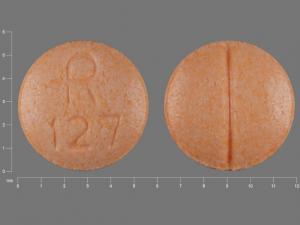
cloNIDine, cloNIDine Hydrochloride (Monograph)
Brand names: Catapres, Catapres-TTS, Duraclon
Drug class: Central alpha-Agonists
VA class: CV490
Warning
- Dilution Warning
-
Concentrate for epidural injection must be diluted prior to administration.
- Obstetric, Postpartum, and Perioperative Pain
-
Epidural injection is not recommended for obstetric, postpartum, or perioperative pain management.
-
Risk of hemodynamic instability, especially hypotension and bradycardia, from epidural use may be unacceptable in these patients.
-
Rarely, potential benefits may outweigh possible risks in obstetric, postpartum, or perioperative patients.
Introduction
Imidazoline-derivative hypotensive agent; selective α2-adrenergic agonist.
Uses for cloNIDine, cloNIDine Hydrochloride
Hypertension
Used alone or in combination with other classes of antihypertensive agents in the management of hypertension.
Not considered a preferred agent for initial management of hypertension, according to current guidelines for the management of hypertension in adults, but may be used as add-on therapy if BP not adequately controlled with the recommended antihypertensive drug classes (i.e., ACE inhibitors, angiotensin II receptor antagonists, calcium-channel blockers, thiazide diuretics).
Generally reserved as a last-line treatment option because of clonidine’s ability to cause substantial adverse CNS effects, especially in geriatric patients.
May be more effective when used with a diuretic, which may aid in overcoming tolerance to clonidine and permit reduction of clonidine dosage.
Has been used in conjunction with thiazide diuretics, chlorthalidone, or furosemide, producing a greater reduction in BP than is obtained with either drug alone.
Also has been used with other hypotensive agents such as hydralazine, reserpine, or methyldopa, permitting a reduction in the dosage of each drug and, in some patients, minimizing adverse effects while maintaining BP control.
May be useful in some patients unable to tolerate other adrenergic-blocking agents because of severe postural hypotension.
Transdermal clonidine has been effective for the management of mild to moderate hypertension when used alone or in combination with an oral thiazide diuretic.
Transdermal clonidine has been substituted for oral clonidine hydrochloride in mild to moderate hypertension.
Individualize choice of antihypertensive therapy; consider patient characteristics (e.g., age, ethnicity/race, comorbidities, cardiovascular risk) as well as drug-related factors (e.g., ease of administration, availability, adverse effects, cost).
A 2017 ACC/AHA multidisciplinary hypertension guideline classifies BP in adults into 4 categories: normal, elevated, stage 1 hypertension, and stage 2 hypertension. (See Table 1.)
Source: Whelton PK, Carey RM, Aronow WS et al. 2017 ACC/AHA/AAPA/ABC/ACPM/AGS/APhA/ASH/ASPC/NMA/PCNA guideline for the prevention, detection, evaluation, and management of high blood pressure in adults: a report of the American College of Cardiology/American Heart Association Task Force on Clinical Practice Guidelines. Hypertension. 2018;71:e13-115.
Individuals with SBP and DBP in 2 different categories (e.g., elevated SBP and normal DBP) should be designated as being in the higher BP category (i.e., elevated BP).
|
Category |
SBP (mm Hg) |
DBP (mm Hg) |
|
|---|---|---|---|
|
Normal |
<120 |
and |
<80 |
|
Elevated |
120–129 |
and |
<80 |
|
Hypertension, Stage 1 |
130–139 |
or |
80–89 |
|
Hypertension, Stage 2 |
≥140 |
or |
≥90 |
The goal of hypertension management and prevention is to achieve and maintain optimal control of BP. However, the BP thresholds used to define hypertension, the optimum BP threshold at which to initiate antihypertensive drug therapy, and the ideal target BP values remain controversial.
The 2017 ACC/AHA hypertension guideline generally recommends a target BP goal (i.e., BP to achieve with drug therapy and/or nonpharmacologic intervention) of <130/80 mm Hg in all adults regardless of comorbidities or level of atherosclerotic cardiovascular disease (ASCVD) risk. In addition, an SBP goal of <130 mm Hg generally is recommended for noninstitutionalized ambulatory patients ≥65 years of age with an average SBP of ≥130 mm Hg. These BP goals are based upon clinical studies demonstrating continuing reduction of cardiovascular risk at progressively lower levels of SBP.
Other hypertension guidelines generally have based target BP goals on age and comorbidities. Guidelines such as those issued by the JNC 8 expert panel generally have targeted a BP goal of <140/90 mm Hg regardless of cardiovascular risk, and have used higher BP thresholds and target BPs in elderly patients compared with those recommended by the 2017 ACC/AHA hypertension guideline.
Some clinicians continue to support previous target BPs recommended by JNC 8 due to concerns about the lack of generalizability of data from some clinical trials (e.g., SPRINT study) used to support the 2017 ACC/AHA hypertension guideline and potential harms (e.g., adverse drug effects, costs of therapy) versus benefits of BP lowering in patients at lower risk of cardiovascular disease.
Consider potential benefits of hypertension management and drug cost, adverse effects, and risks associated with the use of multiple antihypertensive drugs when deciding a patient's BP treatment goal.
For decisions regarding when to initiate drug therapy (BP threshold), the 2017 ACC/AHA hypertension guideline incorporates underlying cardiovascular risk factors. ASCVD risk assessment is recommended by ACC/AHA for all adults with hypertension.
ACC/AHA currently recommend initiation of antihypertensive drug therapy in addition to lifestyle/behavioral modifications at an SBP ≥140 mm Hg or DBP ≥90 mm Hg in adults who have no history of cardiovascular disease (i.e., primary prevention) and a low ASCVD risk (10-year risk <10%).
For secondary prevention in adults with known cardiovascular disease or for primary prevention in those at higher risk for ASCVD (10-year risk ≥10%), ACC/AHA recommend initiation of antihypertensive drug therapy at an average SBP ≥130 mm Hg or an average DBP ≥80 mm Hg.
Adults with hypertension and diabetes mellitus, chronic kidney disease (CKD), or age ≥65 years are assumed to be at high risk for cardiovascular disease; ACC/AHA state that such patients should have antihypertensive drug therapy initiated at a BP ≥130/80 mm Hg. Individualize drug therapy in patients with hypertension and underlying cardiovascular or other risk factors.
In stage 1 hypertension, experts state that it is reasonable to initiate drug therapy using the stepped-care approach in which one drug is initiated and titrated and other drugs are added sequentially to achieve the target BP. Consider initiation of antihypertensive therapy with 2 first-line agents from different pharmacologic classes in patients with stage 2 hypertension and average BP >20/10 mm Hg above BP goal.
Hypertensive Crises
Oral clonidine (conventional tablets), including loading-dose regimens, has been effective in rapidly reducing BP in patients with severe hypertension when reduction of BP was considered urgent (i.e., hypertensive urgency† [off-label]), but not requiring emergency treatment.
Avoid excessive falls in BP since they may precipitate renal, cerebral, or coronary ischemia.
Has been used orally (conventional tablets) for rapid reduction of BP in pediatric patients with severe hypertension† [off-label].
Pain
Used epidurally as adjunctive therapy in combination with opiates in the management of severe cancer pain that is not relieved by opiate analgesics alone.
Epidural analgesia should be considered only when maximum tolerated doses of opiate and adjunct analgesics administered by other routes (e.g., oral, transdermal, sub-Q, IV) fail to relieve pain.
Epidural clonidine is more likely to be effective in patients with neuropathic pain rather than somatic or visceral pain.
Opiate Withdrawal
Has been used safely and effectively for symptomatic relief in the management of opiate withdrawal in opiate-dependent individuals† [off-label], in both inpatient and outpatient settings.
Withdrawal management (i.e., detoxification) alone is not adequate treatment for opiate use disorder (OUD); use in patients with OUD only in conjunction with a comprehensive treatment program.
In patients with OUD, opiate withdrawal management generally involves short-term use of tapering dosages of buprenorphine (opiate partial agonist) or methadone (full opiate agonist) to reduce withdrawal symptoms. However, α2-adrenergic agonists (e.g., clonidine, lofexidine) also used for symptomatic relief of noradrenergic-mediated opiate withdrawal symptoms (e.g., lacrimation, sweating, shivering, rhinorrhea) in inpatient and outpatient settings and may allow for withdrawal over a shorter period of time.
α2-Adrenergic agonists appear to be less effective than buprenorphine or methadone for management of opiate withdrawal; some experts suggest α2-adrenergic agonists may be most useful in withdrawal management as adjuncts to opiate agonists or partial agonists, to facilitate transition to opiate antagonist (naltrexone) treatment for relapse prevention, or when opiate agonist or partial agonist therapy is contraindicated, unacceptable, or unavailable.
Concomitant supportive therapy for other withdrawal symptoms (e.g., abdominal cramping, diarrhea, nausea and vomiting, muscle spasms, anxiety or restlessness, insomnia) often used.
Several small comparative studies suggest clonidine and lofexidine have similar efficacy in managing opiate withdrawal symptoms but lofexidine may cause less hypotension. Must also consider greater cost of lofexidine compared with off-label clonidine use.
Because of potential for hypotension and bradycardia, some experts state that α2-adrenergic agonists are not drugs of choice for opiate withdrawal management in geriatric patients or patients with coronary insufficiency, ischemic heart disease, bradycardia, or cerebrovascular disease.
In patients receiving long-term opiate analgesia, withdrawal symptoms generally managed by slow tapering of the opiate analgesic dosage.
Alcohol Withdrawal
Has been used in conjunction with benzodiazepines for the management of alcohol withdrawal† [off-label].
May be effective in reducing symptoms of the hyperadrenergic state associated with alcohol withdrawal† [off-label], including elevated BP, increased heart rate, tremor, sweating, and anxiety.
Has not been shown to prevent delirium or seizures, and should be used only as an adjunct to benzodiazepines (not as monotherapy) for the management of alcohol withdrawal†.
Smoking Cessation
Used for the management of nicotine (tobacco) dependence†.
Nicotine dependence is a chronic relapsing disorder that requires ongoing assessment and often repeated intervention.
US Public Health Service (USPHS) guideline for the treatment of tobacco use and dependence recommends clonidine as a second-line drug for smoking cessation after first-line drugs (i.e., bupropion [as extended-release tablets], nicotine polacrilex gum or lozenge, transdermal nicotine, nicotine nasal spray, nicotine oral inhaler, varenicline) have been used without success or are contraindicated.
Pheochromocytoma
Not indicated in the treatment of pheochromocytoma†; however, unlike reserpine and guanethidine, it does not cause acute cardiovascular collapse in patients with this condition.
Has been used as an aid in the diagnosis of pheochromocytoma† in hypertensive patients with suggestive symptoms and borderline catecholamine values; plasma norepinephrine concentration generally is unchanged following administration of a single oral dose of clonidine in pheochromocytoma, while decrease in plasma norepinephrine concentration occurs with sympathetic hyperactivity.
Migraine Headaches
Has been used in the prophylaxis of migraine headaches†, but efficacy for this condition is questionable.
Dysmenorrhea
Has been used for the treatment of severe dysmenorrhea†.
Vasomotor Symptoms Associated with Menopause
Has been used orally and transdermally for the management of vasomotor symptoms† (e.g., hot flashes) associated with menopause.
May improve the severity and frequency of vasomotor symptoms†, albeit modestly; however, required dosages (exceeding the equivalent of 0.1 mg daily administered orally) may result in increased and, sometimes, intolerable adverse effects.
Use for management of vasomotor symptoms† mainly in postmenopausal women in whom estrogen replacement therapy is contraindicated or in those with preexisting hypertension.
Diarrhea
Has been used with some success in a limited number of patients for the management of diarrhea† of various etiologies (e.g., narcotic bowel syndrome, idiopathic diarrhea associated with diabetes).
cloNIDine, cloNIDine Hydrochloride Dosage and Administration
General
BP Monitoring and Treatment Goals
-
Monitor BP regularly (i.e., monthly) during therapy and, if necessary, adjust dosage of the antihypertensive drug until BP controlled.
-
If unacceptable adverse effects occur, discontinue drug and initiate another antihypertensive agent from a different pharmacologic class.
-
If adequate BP response not achieved with a single antihypertensive agent, either increase dosage of single drug or add a second drug with demonstrated benefit and preferably a complementary mechanism of action (e.g., ACE inhibitor, angiotensin II receptor antagonist, calcium-channel blocker, thiazide diuretic). Many patients will require at least 2 drugs from different pharmacologic classes to achieve BP goal; if goal BP still not achieved with 2 antihypertensive agents, add a third drug.
Administration
Administer orally, by epidural infusion, or percutaneously by topical application of a transdermal system.
For solution and drug compatibility information, see Compatibility under Stability.
Oral Administration
Administer the last dose of the day immediately before retiring to ensure overnight BP control.
Transdermal Administration
Expose the adhesive surface of the system by peeling and discarding the clear plastic protective strip prior to administration.
Apply the transdermal system topically to a dry, hairless area of intact skin on the upper arm or chest by firmly pressing the system with the adhesive side touching the skin.
Apply an adhesive cover directly over the system to ensure good adhesion if the system becomes loose during the period of use.
Development of isolated mild localized skin irritation before completion of the intended period of use warrants removal and replacement with a new system at a different application site.
Apply each transdermal system at a different site to minimize and/or prevent potential skin irritation (e.g., systems may be applied progressively across the arms and chest in one direction or the other).
Epidural Administration
Specialized techniques are required for continuous epidural administration.
Limit epidural administration to qualified individuals familiar with the techniques and patient management problems associated with this route of administration.
Screen to ensure adequate response to epidural therapy prior to the implantation of a permanent controlled infusion device.
Only use chronically when adequate pain relief cannot be achieved with less invasive therapies.
Discard partially used vials of the drug.
Standardize 4 Safety
Standardized concentrations for epidural clonidine have been established through Standardize 4 Safety (S4S), a national patient safety initiative to reduce medication errors, especially during transitions of care. Because recommendations from the S4S panels may differ from the manufacturer’s prescribing information, caution is advised when using concentrations that differ from labeling, particularly when using rate information from the label. For additional information on S4S (including updates that may be available), see [Web].
|
Patient Population |
Concentration Standards |
|---|---|
|
Adults |
100 mcg/mL |
|
Pediatric patients (<50 kg) |
0.3 mcg/mL |
|
0.5 mcg/mL |
|
Drug Combinations |
Anesthetic Concentration |
Narcotic Concentration |
Alpha Agonist Concentration |
|---|---|---|---|
|
Bupivacaine with clonidine |
Bupivacaine 0.125% |
Clonidine 1 mcg/mL |
|
|
Bupivacaine with fentanyl and clonidine |
1. Bupivacaine 0.0625% |
1. Fentanyl 2 mcg/mL |
1. Clonidine 1 mcg/mL |
|
2. Bupivacaine 0.0625% |
2. Fentanyl 5 mcg/mL |
2. Clonidine 1 mcg/mL |
|
|
3. Bupivacaine 0.125% |
3. Fentanyl 2 mcg/mL |
3. Clonidine 1 mcg/mL |
|
|
4. Bupivacaine 0.125% |
4. Fentanyl 5 mcg/mL |
4. Clonidine 1 mcg/mL |
|
|
Ropivacaine with clonidine |
1. Ropivacaine 0.1% |
1. Clonidine 1 mcg/mL |
|
|
2. Ropivacaine 0.1% |
2. Clonidine 2 mcg/mL |
||
|
3. Ropivacaine 0.2% |
3. Clonidine 1 mcg/mL |
||
|
4. Ropivacaine 0.2% |
4. Clonidine 2 mcg/mL |
||
|
Ropivacaine with fentanyl and clonidine |
1. Ropivacaine 0.1% |
1. Fentanyl 2 mcg/mL |
1. Clonidine 0.3 mcg/mL |
|
2. Ropivacaine 0.1% |
2. Fentanyl 2 mcg/mL |
2. Clonidine 0.5 mcg/mL |
|
|
3. Ropivacaine 0.2% |
3. Fentanyl 2 mcg/mL |
3. Clonidine 0.3 mcg/mL |
|
|
4. Ropivacaine 0.2% |
4. Fentanyl 2 mcg/mL |
4. Clonidine 0.5 mcg/mL |
|
Drug Combinations |
Anesthetic Concentration |
Narcotic Concentration |
Alpha Agonist Concentration |
|---|---|---|---|
|
Bupivacaine with clonidine |
1. Bupivacaine 0.0625% |
1. Clonidine 0.3 mcg/mL |
|
|
2. Bupivacaine 0.125% |
2. Clonidine 0.5 mcg/mL |
||
|
3. Bupivacaine 0.125% |
3. Clonidine 1 mcg/mL |
||
|
Bupivacaine with fentanyl and clonidine |
1. Bupivacaine 0.0625% |
1. Fentanyl 2 mcg/mL |
1. Clonidine 0.3 mcg/mL |
|
2. Bupivacaine 0.0625% |
2. Fentanyl 2 mcg/mL |
2. Clonidine 0.5 mcg/mL |
|
|
3. Bupivacaine 0.125% |
3. Fentanyl 2 mcg/mL |
3. Clonidine 0.3 mcg/mL |
|
|
4. Bupivacaine 0.125% |
4. Fentanyl 2 mcg/mL |
4. Clonidine 0.5 mcg/mL |
|
|
Ropivacaine with clonidine |
1. Ropivacaine 0.1% |
1. Clonidine 0.5 mcg/mL |
|
|
2. Ropivacaine 0.1% |
2. Clonidine 1 mcg/mL |
||
|
3. Ropivacaine 0.2% |
3. Clonidine 1 mcg/mL |
||
|
Ropivacaine with fentanyl and clonidine |
1. Ropivacaine 0.1% |
1. Fentanyl 2 mcg/mL |
1. Clonidine 0.3 mcg/mL |
|
2. Ropivacaine 0.1% |
2. Fentanyl 2 mcg/mL |
2. Clonidine 0.5 mcg/mL |
|
|
3. Ropivacaine 0.2% |
3. Fentanyl 2 mcg/mL |
3. Clonidine 0.3 mcg/mL |
|
|
4. Ropivacaine 0.2% |
4. Fentanyl 2 mcg/mL |
4. Clonidine 0.5 mcg/mL |
Dilution
The concentrate for injection containing 500 mcg/mL must be diluted prior to administration.
Dilute in sodium chloride 0.9% injection to a final concentration of 100 mcg/mL.
Use a controlled-infusion device for continuous epidural infusion.
Substantial decreases in BP may be associated with infusion into the upper thoracic spinal segments.
Administration above the C4 dermatome is contraindicated because of inadequate safety data supporting such use.
Carefully monitor the infusion pump function and inspect the catheter tubing for obstruction or dislodgement to reduce the risk of inadvertent abrupt withdrawal of the epidural infusion.
Extemporaneously Compounded Oral Liquid
An extemporaneously compounded oral liquid formulation of clonidine has been prepared.
Standardize 4 Safety
Standardized concentrations for an extemporaneously prepared oral liquid preparation of clonidine have been established through Standardize 4 Safety (S4S), a national patient safety initiative to reduce medication errors, especially during transitions of care. Because recommendations from the S4S panels may differ from the manufacturer’s prescribing information, caution is advised when using concentrations that differ from labeling, particularly when using rate information from the label. For additional information on S4S (including updates that may be available), see [Web].
ISMP has recommended clonidine concentrations be displayed as mcg/mL and not mg/mL given the most common doses used. This may need to be addressed for ordering the drug and what is placed on pharmacy labels on products dispensed
|
Concentration Standards |
|---|
|
20 mcg/mL |
Dosage
Oral: Available as clonidine hydrochloride. Dosage expressed in terms of clonidine hydrochloride.
Transdermal: Available as clonidine. Dosage expressed in terms of clonidine.
Epidural: Available as clonidine hydrochloride. Dosage expressed in terms of clonidine hydrochloride.
Minimize adverse effects such as drowsiness and dry mouth by increasing dosage gradually and/or taking the larger portion of the daily dose at bedtime.
Tolerance to the antihypertensive effect may develop, necessitating increased dosage or concomitant use of a diuretic to enhance the hypotensive response to the drug.
Discontinuance of oral therapy requires slow dosage reduction over a period of 2–4 days to avoid the possible precipitation of the withdrawal syndrome. (See Withdrawal Effects under Cautions.)
Pediatric Patients
Pain
Epidural
Initially, 0.5 mcg/kg of body weight per hour.
Adjust cautiously based on clinical response.
Severe Hypertension†
Rapid Reduction of BP†
Oral2–5 mcg/kg per dose up to 10 mcg/kg per dose (conventional tablets); may be administered every 6–8 hours.
Adults
Hypertension
Oral
Initially, 0.1 mg twice daily (conventional tablets).
Increase dosage by 0.1 mg daily at weekly intervals until the desired response is achieved. Manufacturers report 2.4 mg daily to be the maximum effective dosage.
Usual dosage: 0.1–0.8 mg daily (conventional tablets), administered in 2 divided doses.
Transdermal
Initiate with one system delivering 0.1 mg/24 hours applied once every 7 days.
Initiate therapy with this dosage in all patients, including those who had been receiving oral therapy, due to interpatient variability; titrate initial dosage subsequently according to individual requirements.
Increase initial dosage by using 2 systems delivering 0.1 mg/24 hours or a larger dosage system if the desired reduction in BP is not achieved after 1–2 weeks; subsequent dosage adjustments may be made at weekly intervals.
Usual dosage: 0.1–0.3 mg/24 hours applied once every 7 days.
Dosages exceeding 0.6 mg/24 hours (2 systems each delivering 0.3 mg/24 hours) usually are not associated with additional efficacy.
Consider continuing the usual oral dosage the first day the initial transdermal system is applied when transdermal therapy is initiated in patients who have been receiving low dosages of oral clonidine (conventional tablets).
Gradually reduce dosage of other hypotensive agents when transdermal therapy is initiated since the hypotensive effect of transdermal clonidine may not begin until 2–3 days after application of the initial system; the other hypotensive agents may have to be continued, particularly in patients with more severe hypertension.
Hypertensive Crises†
Hypertensive Urgencies†
OralInitial dose: 0.1–0.2 mg (conventional tablets), followed by hourly doses of 0.05–0.2 mg until a total dose of 0.5–0.7 mg has been given or BP is controlled.
Avoid excessive falls in BP since they may precipitate renal, cerebral, or coronary ischemia.
Oral loading doses of antihypertensive agents may have cumulative effects; may cause hypotension after a patient has been discharged from hospital or clinic setting.
Maintenance dosage: Adjust according to the patient’s response and tolerance.
Pain
Severe Intractable Cancer Pain Unresponsive to Epidural or Spinal Opiates, or Conventional Analgesia
EpiduralInitial dosage: 30 mcg/hour, administered by continuous epidural infusion.
Adjust dose based on clinical response and tolerance; however, clinical experience with infusion rates exceeding 40 mcg/hour is limited.
Monitor closely, particularly during the first few days of epidural clonidine therapy.
Opiate Withdrawal†
Oral
Various dosage regimens have been used.
Some experts state usual dosage is 0.1–0.3 mg (conventional tablets) every 6–8 hours, with dosage guided by withdrawal symptoms and adverse effects.
Other experts recommend initial 0.1-mg test dose (conventional tablets); consider 0.2 mg in patients with severe withdrawal or in those weighing >200 pounds (91 kg). If BP adequate (generally SBP >90 mm Hg and DBP >60 mm Hg) following the test dose, administer 0.1–0.2 mg every 4–6 hours as needed; may consider scheduled dosing in patients with severe withdrawal. Calculate total dose administered during the initial 24 hours and administer in 3 or 4 divided doses daily.
Reduce, delay, or omit doses in individuals demonstrating greater sensitivity to the drug's adverse effects (e.g., hypotension, orthostasis, bradycardia). Ensure that individuals treated in the outpatient setting are capable of self-monitoring for these adverse effects; some experts suggest use of lower dosages in this setting.
As opiate withdrawal symptoms wane, gradually reduce dosage (e.g., by 0.1 mg per dose every 1–2 days).
Other tapering schedules also used when discontinuing therapy: Dosage has been reduced by decrements of 50% per day for 3 days and then discontinued, or reduced by 0.1–0.2 mg daily.
Alcohol Withdrawal†
Optimal dosages have not been established.
Oral
0.5 mg twice or 3 times daily (conventional tablets) has reduced tremor, heart rate, and BP in alcohol withdrawal.
Smoking Cessation†
Optimal dosages have not been established and various regimens have been employed.
Oral
Initial dosage: Typically, 0.1 mg twice daily (conventional tablets); initiate therapy on the day set as the date of cessation of smoking or shortly before this date (e.g., up to 3 days prior).
May increase dosage each week by 0.1 mg daily, if needed.
Transdermal
Initial dosage: Typically, one system delivering 0.1 mg/24 hours applied once every 7 days; initiate therapy on the day set as the date of cessation of smoking or shortly before this date (e.g., up to 3 days prior).
May increase dose at weekly intervals by 0.1 mg/24 hours, if needed.
Pheochromocytoma, Diagnostic Use†
Oral
Administer a single 0.3-mg dose (conventional tablets).
Interpretation
Patient rests in the supine position for 30 minutes, after which time, 2 blood samples for baseline determination of catecholamine concentrations are drawn at 5-minute intervals. Administer the 0.3-mg dose; blood samples for catecholamine determinations are drawn at hourly intervals for 3 hours.
Patients with pheochromocytoma: Plasma norepinephrine concentrations generally remain unchanged following administration of clonidine.
Patients without pheochromocytoma: Plasma norepinephrine concentrations generally decrease.
Migraine Headache Prophylaxis†
Oral
Usually, 0.025 mg 2–4 times daily or up to 0.15 mg daily in divided doses (conventional tablets).
Dysmenorrhea†
Oral
Usually, 0.025 mg twice daily (conventional tablets) for 14 days before and during menses.
Vasomotor Symptoms Associated with Menopause†
Oral
Usually, 0.025–0.2 mg twice daily (conventional tablets).
Transdermal
Apply one transdermal system delivering 0.1 mg/24 hours once every 7 days.
Special Populations
Renal Impairment
Smaller than usual doses may be adequate in patients with renal impairment. Adjust dosage according to the degree of renal impairment.
Clcr ≥10 mL/minute: Dosage adjustment does not appear necessary.
Clcr <10 mL/minute: Give 50–75% of the usual dosage.
Supplemental doses after hemodialysis are not necessary.
Geriatric Patients
May benefit from lower initial dosages of 0.05 mg twice daily (conventional tablets) for the management of hypertension.
Cautions for cloNIDine, cloNIDine Hydrochloride
Contraindications
-
Epidural administration is contraindicated in patients receiving anticoagulant therapy, in those with a bleeding diathesis, and in the presence of an injection site infection.
-
Epidural administration above the C4 dermatome is contraindicated because of inadequate safety data supporting such use.
-
Known hypersensitivity to the drug or any ingredient or component in the formulation.
-
Epidural administration also is not recommended in most patients with severe cardiovascular disease or in patients who are hemodynamically unstable.
Warnings/Precautions
Warnings
Withdrawal Effects
Risk of rebound hypertension if doses are missed or drug is stopped abruptly.
Abrupt withdrawal may result in a rapid increase of systolic and diastolic BPs, with associated symptoms such as nervousness, agitation, confusion, restlessness, anxiety, insomnia, headache, sweating, palpitation, increased heart rate, tremor, hiccups, stomach pains, nausea, muscle pains, and increased salivation.
Withdrawal syndrome (reported in about 1% of patients receiving oral clonidine) is more pronounced after abrupt cessation of long-term therapy than after short-term (1–2 months) therapy, and has usually been associated with previous administration of high oral dosages (>1.2 mg daily) and/or with continuation of concomitant β-adrenergic blocking agent therapy.
Risk of adverse effects following abrupt discontinuance may be increased in patients with a history of hypertension and/or other underlying cardiovascular conditions.
When discontinued abruptly, symptoms such as restlessness and headache may begin to appear 2–3 hours after a dose is missed and BP may increase substantially within 8–24 hours.
Discontinuing Therapy
Taper withdrawal over 2–4 days when discontinuing oral or epidural clonidine therapy to prevent or minimize a rapid rise in BP.
Tapered withdrawal of transdermal clonidine or initiation of a tapered oral regimen is recommended when the transdermal dosage form is discontinued, particularly in geriatric patients.
Discontinue the β-blocker several days before clonidine therapy is discontinued if patient is receiving clonidine and a β-blocker concomitantly.
Discontinuing Therapy in Surgery
Generally, do not interrupt therapy because of surgery. Transdermal therapy can be continued throughout the perioperative period, and oral therapy should be continued to within 4 hours before surgery.
BP should be carefully monitored during surgery and additional measures to control BP should be available if necessary.
If surgery requires discontinuance of clonidine, administer parenteral antihypertensive therapy as necessary and resume clonidine therapy as soon as possible.
If transdermal therapy is initiated during the perioperative period, consider that therapeutic plasma clonidine concentrations are not achieved until 2–3 days after initial application of the transdermal system.
Defibrillation and Cardioversion
Remove transdermal systems from the site(s) of application prior to attempting defibrillation or cardioversion since altered electrical conductivity and enhanced potential for electrical arcing may occur.
Transdermal Dosage Form Handling
Even after use, the transdermal system contains active medication that may be harmful if accidentally applied or ingested by infants or children.
Handle the used transdermal system carefully (e.g., fold the system in half with the sticky sides together) and dispose of the system out of the reach of children.
Epidural Therapy
Only indicated for severe cancer pain that has failed to respond to an adequate trial with opiate analgesics.
Epidural therapy not recommended for the management of obstetric, postpartum, or perioperative pain.
Limit continuous epidural administration to qualified individuals familiar with the techniques of administration and patient management problems associated with this route of administration.
Careful monitoring of infusion pump function and inspection of epidural catheter tubing for obstruction or dislodgement is recommended to reduce the risk of accidental abrupt withdrawal of clonidine.
Inform patients to notify a clinician immediately in case of inadvertent interruption of epidural clonidine therapy.
Use with caution in patients with severe coronary insufficiency, recent MI, cerebrovascular disease, chronic renal failure, Raynaud’s disease, or thromboangiitis obliterans.
CNS Effects
Performance of activities requiring mental alertness and physical coordination may be impaired. Concurrent use of other CNS depressants may cause additive or potentiated CNS depression.
Carefully supervise patients with a history of mental depression as they may be subject to further depressive episodes.
BP Decrease in Nonhypertensive Patients
Consider BP-lowering effects in patients receiving the drug for conditions other than hypertension (e.g., opiate withdrawal, smoking cessation, pain management), and monitor BP as appropriate.
Rebound hypertension and other withdrawal effects should be considered when the drug is discontinued in such patients; abrupt discontinuance should be avoided.
Ocular Effects
Caution patients who wear contact lenses regarding dryness of the eyes while receiving the drug.
Sensitivity Reactions
Rash
Development of a localized contact sensitization to clonidine with transdermal therapy may be associated with development of a generalized rash with subsequent administration of oral clonidine hydrochloride.
Patients receiving transdermal therapy who develop an allergic reaction to clonidine that extends beyond the local application site (e.g., generalized rash, urticaria, angioedema) are at risk of developing a similar reaction with oral therapy.
General Precautions
Transdermal Rash and Adhesion
Moderate to severe erythema and/or localized vesicle formation can occur at the site of transdermal application. Generalized rash also can occur. (See Advice to Patients.)
Specific Populations
Pregnancy
Category C.
Lactation
Distributed into milk. Use the oral or transdermal preparation with caution in nursing women.
Discontinue nursing or the epidural formulation, taking into account the importance of the drug to the woman.
Pediatric Use
Safety and efficacy of oral clonidine hydrochloride and clonidine transdermal system for the management of hypertension in children have not been established.
Safety and efficacy of epidural clonidine have been established in pediatric patients who are old enough to tolerate placement and management of an epidural catheter, based on evidence from adequate, well-controlled studies in adults and experience with the use of clonidine in pediatric patients for other indications.
Use epidural clonidine only in pediatric patients with severe, intractable cancer pain that is unresponsive to epidural or spinal opiates and to other conventional analgesic therapy.
Clonidine overdosage may be more likely to cause CNS depression in children, and signs of toxicity have occurred with doses as low as 0.1 mg. Rarely, toxicity in children has been associated with accidental or deliberate mouthing or ingestion of transdermal systems.
Children commonly have GI illnesses leading to frequent vomiting and may be more susceptible to hypertensive episodes resulting from inability to ingest oral clonidine.
Common Adverse Effects
Oral therapy: Dry mouth, dizziness, drowsiness and sedation, and constipation. Headache, fatigue, and weakness also reported. Generally, these adverse effects tend to be mild, and diminish with continued therapy or may be relieved by a reduction in dosage.
Transdermal therapy: Adverse effects generally appear to be similar to those occurring with oral therapy; however, adverse systemic effects with transdermal clonidine appear to be less severe and possibly may occur less frequently than with oral therapy. Most frequently occurring adverse effects have been dry mouth, drowsiness, and local adverse dermatologic effects.
Drug Interactions
Specific Drugs
|
Drug |
Interaction |
Comments |
|---|---|---|
|
Anesthetics, local (epidural) |
Epidural clonidine may prolong the duration of the pharmacologic effects, including both sensory and motor blockade of epidural local anesthetics |
Use concomitantly with caution |
|
Antidepressants, MAO inhibitors |
See MAO inhibitors |
|
|
Antidepressants, tricyclic (imipramine, desipramine) |
May inhibit the hypotensive effect of clonidine; the increase in BP usually occurs during the second week of tricyclic antidepressant therapy, but occasionally may occur during the first several days of concomitant therapy Clonidine withdrawal may result in an excess of circulating catecholamines; therefore, caution should be exercised in concomitant use of drugs that affect the tissue uptake of these amines |
Closely monitor BP during the first several weeks of concomitant therapy; if necessary, increase clonidine dosage Consider substitution with other hypotensive agents that do not interact with tricyclic antidepressants; do not abruptly discontinue clonidine If tricyclic antidepressant therapy is discontinued in patients receiving clonidine, the hypotensive effect of clonidine may increase; monitor BP and reduce clonidine dosage if necessary |
|
Antihypertensive agents |
Additive/potentiated hypotensive effect |
Usually used to therapeutic advantage in antihypertensive therapy; however, carefully adjust dosage |
|
β-Adrenergic blocking agents (propranolol) |
Possible additive bradycardia, AV block when clonidine is used with drugs that affect sinus nodal function or AV nodal conduction β-Blocker may exacerbate rebound hypertension that may occur following discontinuance of clonidine therapy |
Use concomitantly with caution Discontinue β-blocker several days before gradual withdrawal of clonidine If clonidine therapy is to be replaced by a β-blocker, delay administration of the β-blocker for several days after clonidine therapy has been discontinued |
|
Calcium-channel blocking agents |
Possible additive bradycardia, AV block when clonidine is used with drugs that affect sinus nodal function or AV nodal conduction |
Use concomitantly with caution |
|
Cardiac glycosides |
Possible additive bradycardia, AV block when clonidine is used with drugs that affect sinus nodal function or AV nodal conduction |
Use concomitantly with caution |
|
CNS depressants (e.g., opiates or other analgesics, barbiturates or other sedatives, anesthetics, alcohol) |
May potentiate CNS depression |
Use concomitantly with caution |
|
MAO inhibitors |
Clonidine withdrawal may result in an excess of circulating catecholamines |
Use concomitantly with caution |
|
Opiates |
May potentiate CNS depression and hypotensive effects |
Use concomitantly with caution |
cloNIDine, cloNIDine Hydrochloride Pharmacokinetics
Absorption
Bioavailability
Oral, conventional tablets: Well absorbed from the GI tract.
Topical, transdermal system: Well absorbed percutaneously following transdermal system application to the arm or chest.
Epidural, single bolus dose in healthy individuals and patients with cancer: Rapidly absorbed into systemic circulation.
Onset
Oral, conventional tablets: BP begins to decrease within 30–60 minutes; maximum decrease occurs in approximately 2–4 hours.
Topical, transdermal system: Therapeutic plasma concentrations are attained within 2–3 days.
Epidural, single dose: Near maximal analgesia occurs within 30–60 minutes; analgesic effects appear to correlate with drug concentrations in the CSF.
IV†:Hypotensive effect within minutes and peak effect within 30–60 minutes.
Duration
Oral, conventional tablets: Hypotensive effect lasts up to 8 hours.
Topical, following discontinuance of transdermal therapy: Therapeutic plasma drug concentrations persist for about 8 hours and then decline slowly over several days; over this time period, BP returns gradually to pretreatment levels.
IV†:Hypotensive effect persists for >4 hours.
Plasma Concentrations
Reduction in BP is maximal at plasma clonidine concentrations <2 ng/mL.
Epidural: Accumulation does not appear to occur following continuous epidural infusion of the drug in adult cancer patients.
Distribution
Extent
After oral administration (conventional tablets): Highest concentrations in the kidneys, liver, spleen, and GI tract. High concentrations also in the lacrimal and parotid glands.
Distributed into CSF when administered systematically.
Crosses the placenta.
Distributes into breast milk.
Plasma Protein Binding
Approximately 20–40% bound to plasma proteins, mainly albumin.
Elimination
Metabolism
Metabolized in the liver.
Elimination Route
Oral, conventional tablets: 40–60% is excreted in urine as unchanged drug. Approximately 20% excreted in feces.
Half-life
Normal renal function: 6–20 hours.
May be dose dependent, increasing with increasing dose.
Special Populations
Renal impairment: 18–41 hours.
Hemodialysis patients: Only 5% of a dose was removed into the dialysate.
Stability
Storage
Oral
Conventional Tablets
Tight, light-resistant containers at 25°C (may be exposed to 15–30°C).
Parenteral
Injection
25°C (may be exposed to15–30°C); any unused should be discarded.
Transdermal
<30°C.
Compatibility
Solution Compatibility
Injections containing a preservative should not be used to dilute the epidural injection.
Do not dilute with bacteriostatic sodium chloride injection.
|
Compatible |
|---|
|
0.9% sodium chloride |
Drug CompatibilityHID
|
Compatible |
|---|
|
Baclofen |
|
Bupivacaine HCl with fentanyl citrate |
|
Hydromorphone HCI |
|
Meperidine HCl |
|
Ropivacaine HCl |
|
Ziconotide acetate |
|
Compatible |
|---|
|
Aminophylline |
|
Defibrotide sodium |
|
Dobutamine HCl |
|
Dopamine HCl |
|
Epinephrine HCl |
|
Fentanyl citrate |
|
Labetalol HCl |
|
Lorazepam |
|
Magnesium sulfate |
|
Nitroglycerin |
|
Norepinephrine bitartrate |
|
Potassium chloride |
|
Theophylline |
|
Verapamil HCl |
|
Variable |
|
Midazolam HCl |
Actions
-
Cardiovascular effects: Appears to stimulate α2-adrenergic receptors in the CNS (mainly in the medulla oblongata), causing inhibition, but not blockade, of sympathetic vasomotor centers.
-
Cardiovascular reflexes remain intact, and normal homeostatic mechanisms and hemodynamic responses to exercise are maintained.
-
Central effects result in reduced peripheral sympathetic nervous system activity, reduced peripheral and renovascular resistance, reduction of SBP and DBP, and bradycardia.
-
Peripheral venous pressure remains unchanged.
-
Reduces BP to essentially the same extent in both supine and standing patients; therefore, orthostatic effects are mild and infrequently encountered.
-
Rapid IV, but not oral or IM, administration produces direct stimulation of peripheral α2-adrenergic receptors, resulting in transient vasoconstriction and a rise in SBP and DBP.
-
CNS effects: Epidurally administered α2-agonists, including clonidine, produce analgesia by mimicking the activation of descending pain-suppressing pathways arising from supraspinal control centers (i.e., cortex, thalamus, and brainstem) and terminating in the dorsal horn of the spinal cord.
-
Clonidine-mediated analgesia is dose-dependent and is limited to regions of the body innervated by spinal segments containing analgesic concentrations of the drug.
-
The sedative effect of clonidine is thought to result from central α2-agonist activity.
-
Appears to reduce the severity of opiate withdrawal symptoms by stimulating central presynaptic α2-adrenergic receptors; the stimulation results in attenuation in noradrenergic activity in the CNS, which may be responsible for the behavioral symptoms of opiate withdrawal.
-
Renal and metabolic effects: Acute or chronic administration produces no substantial change in renal blood flow, renal plasma flow, or GFR.
-
Sodium and chloride excretion are markedly reduced after initial administration; however, potassium excretion is not substantially changed.
-
Renal vein plasma renin activity and aldosterone excretion rate are consistently reduced as a result of centrally mediated sympathetic inhibition.
-
Other effects: Acute administration stimulates release of growth hormone in children and adults, but the drug does not produce sustained elevation of growth hormone during chronic administration.
-
The decrease in salivation induced by clonidine appears to result from both central and peripheral mechanisms, probably involving the drug’s α2-agonist activity.
-
IV or topical ophthalmic administration of clonidine hydrochloride in patients with glaucoma decreases IOP, reportedly by decreasing production of aqueous humor.
Advice to Patients
-
Importance of warning patients of the danger of missing doses or stopping the drug without consulting a clinician due to the risk of rebound hypertension. (See Withdrawal Effects under Cautions.)
-
Instruct patients to keep both unused and used transdermal systems out of the reach of children.
-
Advise that even after use, the transdermal system contains active medication that may be harmful if accidentally applied or ingested by infants or children.
-
Importance of handling the used transdermal system carefully (e.g., fold the system in half with the sticky sides together) and disposing of the system out of the reach of children.
-
Advise patients to notify a clinician immediately in case of inadvertent interruption of epidural clonidine.
-
Importance of not discontinuing therapy abruptly to avoid the possibility of precipitating the withdrawal syndrome. (See Discontinuing Therapy under Cautions.)
-
For transdermal therapy, carefully instruct patients in the use of the transdermal system. (See Transdermal Administration under Dosage and Administration.)
-
For transdermal therapy, give patients a copy of the patient instructions provided by the manufacturer.
-
Patients receiving transdermal therapy who develop moderate or severe localized erythema and/or localized vesicle formation at the application site or who develop a generalized rash should consult clinician promptly about the need to remove the transdermal system.
-
Patients receiving transdermal therapy who develop isolated, mild localized skin irritation before completion of the intended period of use (7 days) should be advised they may remove the transdermal system and replace it with a new system at a different site.
-
Patients receiving transdermal therapy should be advised that if the transdermal system begins to loosen from the skin after application, an adhesive overlay should be applied directly over the system to ensure good adhesion over the period of application.
-
Importance of warning patients who engage in potentially hazardous activities such as operating machinery or driving because of the possible sedative effect of the drug.
-
Importance of warning patients that the sedative effect of clonidine may be increased when it is used while also taking alcohol, barbiturates, or other sedating drugs.
-
Advise hypertensive patients of importance of continuing lifestyle/behavioral modifications that include weight reduction (for those who are overweight or obese), dietary changes to include foods that are rich in potassium and calcium and moderately restricted in sodium (adoption of the Dietary Approaches to Stop Hypertension [DASH] eating plan), increased physical activity, smoking cessation, and moderation of alcohol intake.
Advise that lifestyle/behavioral modifications reduce BP, enhance antihypertensive drug efficacy, and decrease cardiovascular risk and remain an indispensable part of the management of hypertension.
-
Importance of informing clinicians of existing or contemplated concomitant therapy, including prescription and OTC drugs, and alcohol consumption as well as any concomitant illnesses.
-
Importance of women informing clinicians if they are or plan to become pregnant or plan to breast-feed.
-
Importance of informing patients of other important precautionary information. (See Cautions.)
Additional Information
The American Society of Health-System Pharmacists, Inc. represents that the information provided in the accompanying monograph was formulated with a reasonable standard of care, and in conformity with professional standards in the field. Readers are advised that decisions regarding use of drugs are complex medical decisions requiring the independent, informed decision of an appropriate health care professional, and that the information contained in the monograph is provided for informational purposes only. The manufacturer’s labeling should be consulted for more detailed information. The American Society of Health-System Pharmacists, Inc. does not endorse or recommend the use of any drug. The information contained in the monograph is not a substitute for medical care.
Preparations
Excipients in commercially available drug preparations may have clinically important effects in some individuals; consult specific product labeling for details.
Please refer to the ASHP Drug Shortages Resource Center for information on shortages of one or more of these preparations.
* available from one or more manufacturer, distributor, and/or repackager by generic (nonproprietary) name
|
Routes |
Dosage Forms |
Strengths |
Brand Names |
Manufacturer |
|---|---|---|---|---|
|
Topical |
Transdermal System |
0.1 mg/24 hours (2.5 mg/3.5 cm2)* |
Catapres-TTS |
Boehringer Ingelheim |
|
Clonidine Transdermal System |
||||
|
0.2 mg/24 hours (5 mg/7 cm2)* |
Catapres-TTS |
Boehringer Ingelheim |
||
|
Clonidine Transdermal System |
||||
|
0.3 mg/24 hours (7.5 mg/10.5 cm2)* |
Catapres-TTS |
Boehringer Ingelheim |
||
|
Clonidine Transdermal System |
* available from one or more manufacturer, distributor, and/or repackager by generic (nonproprietary) name
|
Routes |
Dosage Forms |
Strengths |
Brand Names |
Manufacturer |
|---|---|---|---|---|
|
Oral |
Tablets |
0.1 mg* |
Catapres (scored) |
Boehringer Ingelheim |
|
cloNIDine Hydrochloride Tablets |
||||
|
0.2 mg* |
Catapres (scored) |
Boehringer Ingelheim |
||
|
cloNIDine Hydrochloride Tablets |
||||
|
0.3 mg* |
Catapres (scored) |
Boehringer Ingelheim |
||
|
cloNIDine Hydrochloride Tablets |
||||
|
Parenteral |
Injection, concentrate, for epidural use |
500 mcg/mL* |
Clonidine Hydrochloride Injection |
|
|
Duraclon |
Mylan |
|||
|
Injection, for epidural use |
100 mcg/mL* |
Clonidine Hydrochloride Injection |
||
|
Duraclon |
Mylan |
AHFS DI Essentials™. © Copyright 2024, Selected Revisions June 10, 2024. American Society of Health-System Pharmacists, Inc., 4500 East-West Highway, Suite 900, Bethesda, Maryland 20814.
† Off-label: Use is not currently included in the labeling approved by the US Food and Drug Administration.
Reload page with references included
More about clonidine
- Check interactions
- Compare alternatives
- Pricing & coupons
- Reviews (761)
- Drug images
- Side effects
- Dosage information
- Patient tips
- During pregnancy
- Support group
- Drug class: antiadrenergic agents, centrally acting
- Breastfeeding
Patient resources
Professional resources
- Clonidine prescribing information
- Clonidine Extended Release Tablets (FDA)
- Clonidine Injection (FDA)
- Clonidine Patch (FDA)
- Clonidine Tablets (FDA)
Other brands
Catapres, Kapvay, Onyda XR, Catapres-TTS, ... +2 more