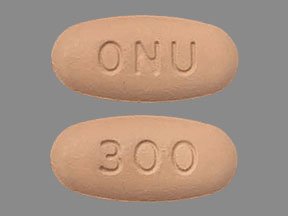
Azacitidine (Monograph)
Brand names: Onureg, Vidaza
Drug class: Antineoplastic Agents
Introduction
Antineoplastic agent; a synthetic pyrimidine nucleoside analog of cytidine.
Uses for Azacitidine
Myelodysplastic Syndrome (MDS)
Treatment of MDS (injectable azacitidine only); designated an orphan drug by FDA for this use.
Used in adults with the following French-American-British (FAB) subtypes of MDS: refractory anemia (RA) or RA with ringed sideroblasts (RARS) if requiring blood transfusions or accompanied by neutropenia or thrombocytopenia, RA with excess blasts (RAEB), RAEB in transformation (RAEB-T), and chronic myelomonocytic leukemia (CMMoL).
Improved response rates (complete responses, partial responses, and hematologic improvements), as well as improved survival, with azacitidine therapy when compared with conventional care (best supportive care, low-dose cytarabine, or an anthracycline/cytarabine induction regimen) in high-risk MDS patients.
Some experts recommend azacitidine for treatment of higher-risk MDS (International Prognostic Staging System score indicating intermediate to very high risk disease) in patients without major comorbidities who are not immediately eligible for hematopoietic stem cell transplantation (HSCT).
Juvenile Myelomonocytic Leukemia (JMML)
Treatment of newly diagnosed JMML in pediatric patients ≥1 month of age (injectable azacitidine only) ; designated an orphan drug by FDA for this use.
Acute Myeloid Leukemia (AML)
Continued treatment of AML in adults who achieved first complete remission or complete remission with incomplete blood count recovery following intensive induction chemotherapy, but who are unable to complete intensive curative therapy (oral azacitidine only) ; designated an orphan drug by FDA for this use.
Guidelines from the American Society of Hematology on management of newly diagnosed AML in older adults recommend postremission therapy in patients who achieve remission following a single dose of intensive chemotherapy and who are not candidates for HSCT. The National Cancer Institute includes oral azacitidine among treatment options for postremission treatment of AML.
May be considered a reasonable choice (accepted, with possible conditions) for initial treatment of AML in geriatric patients (>60 years of age) who are not candidates for standard induction therapy (i.e., because of compromised performance status or the presence of a clinically important comorbidity).
Use can be recommended (accepted) in geriatric patients with AML with normal to favorable karyotypes† [off-label]; use in geriatric patients with AML with poor-risk or complex cytogenetics† [off-label] is not fully established because of equivocal evidence.
Use in geriatric patients with relapsed or refractory AML† [off-label] is not fully established because of equivocal evidence.
Azacitidine Dosage and Administration
General
Pretreatment Screening
-
Prior to initiation of injectable azacitidine, measure CBC, liver function tests (LFTs), serum creatinine, and electrolytes.
-
The manufacturer of injectable azacitidine recommends assessment of baseline risk of tumor lysis syndrome.
-
Verify pregnancy status in females of reproductive potential prior to initiation of therapy.
Patient Monitoring
-
Monitor serum creatinine, electrolytes, and LFTs with each cycle of injectable azacitidine.
-
The manufacturer of injectable azacitidine recommends frequently monitoring CBC for hematologic response and/or toxicity, at a minimum, prior to each treatment cycle. Reduce or delay the dosage as appropriate for evidence of toxicity. The manufacturer of oral azacitidine recommends monitoring CBC every 2 weeks during the first 2 treatment cycles, and prior to the start of each cycle thereafter. Increase CBC monitoring to every 2 weeks for 2 cycles following any dosage reduction of oral azaciditine for myelosuppression.
-
The manufacturer of injectable azacitidine recommends monitoring for tumor lysis syndrome and treating as clinically indicated.
Premedication and Prophylaxis
-
Pretreatment for nausea and vomiting is recommended by the manufacturers. The manufacturer of azacitidine oral tablets states that antiemetic prophylaxis may be omitted after 2 cycles if there has been no nausea and vomiting.
Dispensing and Administration Precautions
- Handling and Disposal
-
Because azacitidine is a hazardous medication, follow applicable special procedures for handling and disposal of the drug.
-
If azacitidine powder from oral tablets comes into contact with the skin, wash skin immediately and thoroughly with soap and water. If the powder comes into contact with mucous membranes, immediately flush the area with water.
Other General Considerations
-
Due to large differences in the pharmacokinetics and recommended dosages of each product, as well as differences in labeled indications, oral and injectable azacitidine must not be substituted.
Administration
Administer orally (Onureg), or parenterally (e.g., Vidaza , generics) by sub-Q injection or short IV infusion; parenteral and oral dosage formulationsnot considered equivalent and may not be substituted.
Oral Administration
Swallow tablets whole; do not cut, chew, or crush. Administer at the same time each day with or without food.
Take missed doses as soon as possible on the same day, and resume normal dosing the following day. If a dose is vomited, do not repeat the dose on the same day; resume normal schedule the following day.
Sub-Q Administration
Administer suspension by sub-Q injection into thigh, abdomen, or upper arm; rotate injection sites.
Reconstitute drug prior to sub-Q injection.
Administer new injections ≥1 inch from an old site; do not give injections into areas where skin is tender, bruised, red, or hard.
If dose exceeds 4 mL (1 vial), divide the dose equally into 2 syringes and inject into 2 separate sites.
Immediately prior to administration, resuspend syringe contents by vigorously rolling the syringe between the palms until a uniform suspension is achieved.
Reconstitution
Reconstitute vial containing 100 mg of azacitidine with 4 mL of sterile water for injection to provide a suspension containing 25 mg/mL. Suspension will be cloudy.
Vigorously shake or roll the vial until complete dissolution has occurred.
Do not administer such concentrated suspensions IV.
Do not filter the resultant azacitidine suspension for sub-Q injection after reconstitution.
Vials are intended for single use only; discard any unused portions of the suspension.
IV Administration
Reconstitute and dilute drug prior to IV administration.
Infuse total dose over 10–40 minutes. IV administration must be completed within 1 hour of reconstitution.
The concentrated suspension intended for sub-Q injection must not be administered IV.
Reconstitution
Reconstitute vial containing 100 mg of azacitidine with 10 mL of sterile water for injection to provide a solution containing 10 mg/mL. Solution should be clear.
Shake vial vigorously or roll until complete dissolution has occurred.
Reconstituted solution should be further diluted prior to IV administration.
Dilution
Adult Patients with Myelodysplastic Syndrome: Withdraw the desired dose of reconstituted azacitidine solution from the vial and inject into a 50- to 100-mL infusion bag containing 0.9% sodium chloride injection or lactated Ringer’s injection.
Pediatric Patients with Juvenile Myelomonocytic Leukemia: Withdraw the desired dose of reconstituted azacitidine solution from the vial and inject into an infusion bag (volume up to 100 mL) of 0.9% sodium chloride injection or lactated Ringer’s injection to yield a final concentration between 0.9 and 4 mg/mL.
Azacitidine is incompatible with the following solutions, which may increase the rate of its degradation: 5% dextrose, hetastarch, or solutions that contain bicarbonate (e.g., sodium bicarbonate).
Vials are intended for single use only; discard any unused portions.
Dosage
Pediatric Patients
Juvenile Myelomonocytic Leukemia (JMML)
IV
Pediatric patients ≥1 month of age: see Table 1 for recommended dosage in pediatric patients based on age and weight; administer recommended dosage as an IV infusion once daily for 7 days during a 28-day cycle. The manufacturer recommends that patients receive a minimum of 3 cycles, although additional cycles may be added up to a maximum of 6 cycles based on clinical benefit.
|
Pediatric Patients with JMML |
Recommended Dose |
|---|---|
|
Age 1 month to <1 year OR weight <10 kg |
2.5 mg/kg |
|
Age ≥1 year AND weight ≥10 kg |
75 mg/m2 |
Adults
Myelodysplastic Syndrome (MDS)
Sub-Q or IV
Initially, 75 mg/m2 once daily for 7 days, repeated every 4 weeks.
Daily dosage may be increased to 100 mg/m2 if no beneficial effect is observed after 2 treatment cycles and if no toxicity other than nausea and vomiting has occurred.
The manufacturer recommends that patients receive at least 4–6 treatment cycles, although additional treatment cycles may be needed to achieve complete or partial response.
Continue azacitidine as long as the patient is deriving benefit from therapy.
Acute Myeloid Leukemia (AML)
Oral
300 mg once daily from days 1—14 of each 28-day cycle. Continue until disease progression or unacceptable toxicity. If ANC <500/ mm3 prior to starting a cycle, delay treatment start until ANC recovery to ≥500/mm3.
Manufacturer recommends administration of antiemetic prophylaxis 30 minutes prior to each dose of azacitidine for the first 2 treatment cycles; antiemetic prophylaxis may be omitted after 2 treatment cycles if no nausea or vomiting.
Dosage Modifications for Toxicity
Hematologic Toxicity in Pediatric Patients with JMML
Dosage reductions for hematologic toxicity not recommended during first 3 cycles. If ANC <500/mm3 at the end of cycle 3, or on day 1 of cycles 5 or 6, discontinue treatment.
Hematologic Toxicity in Adult Patients with MDS
Baseline WBC ≥3000/mm3, ANC ≥1500/mm3, and platelet count ≥75,000/mm3: adjust dosage in thenexttreatment cycle based on nadir ANC and platelet counts observed in the currentcycle (see Table 2).
|
Nadir ANC (per mm3) |
Nadir Platelets (per mm3) |
Dosage in Next Cycle (expressed as % of dose in current cycle) |
|---|---|---|
|
<500 |
<25,000 |
50% |
|
500–1500 |
25,000–50,000 |
67% |
|
>1500 |
>50,000 |
100% |
Baseline WBC <3000/mm3, ANC <1500/mm3, or platelet count <75,000/mm3: adjust dosage based on nadir blood cell counts and bone marrow biopsy cellularity at the time of the nadir count (see Table 3). If clear improvement in differentiation (increased percentage of mature granulocyes and higher ANC) observed at the time of initiation of the subsequent cycle relative to the time of initiation of the previous cycle, continue current dosage.
The next 7-day course of injectable azacitidine should be given 28 days after initiation of the previous course, provided that both the WBC and platelet counts at day 28 exceed the nadir counts by ≥25% and are increasing. If an increase in WBC and platelet counts of ≥25% has not occurred by day 28, reassess these blood cell counts every 7 days; if increases of ≥25% do not occur by day 42, patients should receive 50% of the scheduled dosage.
|
Nadir WBC or Platelet Count (expressed as % decrease from baseline count) |
Bone Marrow Biopsy Cellularity (%) at Time of Nadir Count |
Dosage in Next Cycle (expressed as % of dose in previous cycle) |
|---|---|---|
|
50–75 |
30–60 |
100% |
|
15–30 |
50% |
|
|
<15 |
33% |
|
|
>75 |
30–60 |
75% |
|
15–30 |
50% |
|
|
<15 |
33% |
Hematologic Toxicity in Adults with AML
Manufacturer recommends monitoring CBC every 2 weeks during the first 2 treatment cycles, and prior to the start of each cycle thereafter. If dosage reduction necessary to manage myelosuppressive adverse reactions, recommended to increase monitoring to every 2 weeks for the 2 cycles following the dosage reduction. See Table 4 for dosage modifications for hematologic toxicity in adult patients taking oral azacitidine for AML.
|
Adverse Reaction |
Severity |
Dosage Modification |
|---|---|---|
|
Myelosuppression |
ANC <500/mm3 on day 1 of cycle |
Withhold azacitidine and resume at same dosage once ANC recovers to ≥500/mm3 |
|
ANC <1000/mm3with concomitant fever at any time |
First occurrence
Occurrence during 2 consecutive cycles
|
|
|
Platelets <50,000/mm3with concomitant bleeding |
First occurrence
Occurrence during 2 consecutive cycles
|
|
|
Gastrointestinal Toxicity |
Grade 3 or 4 nausea or vomiting |
Temporarily withhold azacitidine and resume at the same dosage once toxicity has resolved to grade 1 or less. If recurrent grade 3 or 4 nausea or vomiting, temporarily withhold azacitidine until toxicity has resolved to grade 1 or less, and resume at a reduced dosage of 200 mg daily. If grade 3 or 4 nausea or vomiting continues after dosage reduction, reduce the duration of treatment by 7 days. If grade 3 or 4 nausea or vomiting persists after reduction of the dosage and duration, discontinue azacitidine therapy. |
|
Grade 3 or 4 diarrhea |
Temporarily withhold azacitidine and resume at the same dosage once grade 3 or 4 diarrhea has resolved to grade 1 or less. If recurrent grade 3 or 4 diarrhea, temporarily withhold azacitidine until toxicity has resolved to grade 1 or less, and resume at a reduced dosage of 200 mg daily. If grade 3 or 4 diarrhea continues after dosage reduction, reduce the duration of treatment by 7 days. If grade 3 or 4 diarrhea persists after reduction of the dosage and duration, discontinue azacitidine therapy. |
|
|
Other Adverse Reactions |
Grade 3 or 4 severity |
Temporarily withhold azacitidine and provide clinically appropriate care. Resume at the same dosage once toxicity has resolved to grade 1 or less. If recurrent grade 3 or 4 toxicity, temporarily withhold azacitidine until toxicity has resolved to grade 1 or less, and resume at a reduced dosage of 200 mg daily. If grade 3 or 4 toxicity continues after dosage reduction, reduce the duration of treatment by 7 days. If grade 3 or 4 toxicity persists after reduction of the dosage and duration, discontinue azacitidine therapy. |
Renal Toxicity and Electrolyte Disturbances with Injectable Azacitidine
If unexplained decreases in sodium bicarbonate concentrations (to <20 mEq/L) occur during therapy, reduce dosage in the next treatment cycle by 50%.
If unexplained elevations of BUN or Scr concentrations occur during therapy, delay the next cycle until such values return to normal or baseline levels and reduce dosage by 50% in the next treatment cycle.
Special Populations
Hepatic Impairment
Oral: Manufacturer states no dosage adjustment necessary in patients with mild hepatic impairment (total bilirubin ≤ULN, or total bilirubin 1—1.5 times ULN with any AST level). Dosage adjustments not established in patients with moderate hepatic impairment (total bilirubin greater than 1.5—3 times ULN). Not studied in patients with severe hepatic impairment (total bilirubin >3 times ULN).
Sub-Q or IV: Not studied in adults with MDS or pediatric patients with JMML and hepatic impairment.
Renal Impairment
Oral: Manufacturer states no dosage adjustment necessary in patients with mild to severe renal impairment (Clcr 15—89 mL/minute). In patients with severe renal impairment (Clcr 15—29 mL/minute), manufacturer recommends frequently monitoring for adverse events and adjusting dosage as necessary.
Sub-Q or IV: No specific dosage recommendations in patients with renal impairment. Because azacitidine and its metabolites primarily undergo renal excretion, potential for increased risk of toxicity in patients with renal impairment; close monitoring recommended. Manufacturer recommends evaluation of Scr and electrolytes prior to initiation of azacitidine therapy. If unexplained decreases in serum bicarbonate concentrations (to <20 mEq/L) or unexplained increases in BUN or Scr occur, reduce dosage or withhold drug. Not studied in adult patients with MDS or pediatric patients with JMML and renal impairment.
Geriatric Patients
Oral: No specific dosage recommendations in geriatric patients.
Sub-Q or IV: No specific dosage recommendations in geriatric patients; however, because of increased likelihood of renal impairment, monitoring of renal function recommended.
Cautions for Azacitidine
Contraindications
-
Azacitidine injection: Known hypersensitivity to azacitidine or mannitol.
-
Azacitidine injection: Advanced malignant hepatic tumors.
-
Azacitidine oral tablets: Known severe hypersensitivity to azacitidine or its components.
Warnings/Precautions
Risks of Substitution with Other Azaciditine Products
Due to large differences in their pharmacokinetics and recommended dosages, as well as differences in labeled indications, oral and injectable azacitidine must not be substituted. Treatment with injectable azacitidine at dosages recommended for oral azacitidine may result in fatal adverse events. Oral azacitidine given at dosages recommended for injectable azacitidine may result in loss of therapeutic efficacy.
Myelosuppression
Azacitidine injection: Possible neutropenia, thrombocytopenia, or anemia with injectable azacitidine. Perform CBC and platelet counts prior to each treatment cycle at minimum and frequently thereafter. After administration of the recommended dosage for the first cycle in adults patients with MDS, reduce or delay dosage for subsequent cycles based on nadir blood cell counts and hematologic response. Dosage reductions in pediatric patients with JMML not recommended during first 3 treatment cycles.
Azacitidine oral tablets: Grade 3 or 4 neutropenia and thrombocytopenia also observed in patients who received oral azacitidine. Monitor CBC and adjust the dosage as recommended by the manufacturer based on adverse reactions. If myelosuppression develops, provide appropriate supportive care, including administration of hematopoietic growth factor.
Increased Early Mortality with Oral Azacitidine in Patients with MDS
Increased early mortality and/or serious adverse events in adult patients with MDS who received oral azacitidine compared to placebo. Patients received a median of 5 cycles of oral azacitidine 300 mg daily for 21 days of a 28-day cycle. Sepsis most commonly occurring fatal reaction. Safety and efficacy of oral azacitidine for MDS not established. Use of oral azacitidine for MDS not supported outside of enrollment into clinical trials.
Hepatotoxicity in Patients with Severe Pre-Existing Hepatic Impairment
Progressive hepatic coma and death reported rarely in patients with extensive tumor burden secondary to metastatic disease, particularly in those with baseline serum albumin concentrations of <3 g/dL.
Injectable azacitidine contraindicated in patients with advanced malignant hepatic tumors.
Perform liver function tests prior to initiation of therapy with injectable azacitidine and with each treatment cycle.
Safety and efficacy of injectable azacitidine not evaluated in adult patients with MDS or pediatric patients with JMML and hepatic impairment.
Renal Toxicity
Renal abnormalities (e.g., elevated Scr, renal tubular acidosis), renal failure, and death reported rarely in patients treated with IV azacitidine in combination with other antineoplastic agents (e.g., etoposide) for conditions other than MDS (e.g., chronic myelogenous leukemia).
Determine Scr and electrolytes levels prior to initiation of therapy, and with each cycle. If unexplained reductions in serum bicarbonate concentrations to <20 mEq/L or elevations of BUN or Scr occur, reduce the dosage or withhold therapy with the drug.
Because azacitidine and its metabolites primarily undergo renal excretion, potential for an increased risk of toxicity in patients with renal impairment; close monitoring recommended with use of injectable azacitidine.
Injectable azacitidine not studied in adults with MDS or pediatric patients with JMML and renal impairment.
Tumor Lysis Syndrome
Despite use of concomitant allopurinol, serious or fatal tumor lysis syndrome has occurred. Assess patients for baseline risk of tumor lysis syndrome and monitor and treat appropriately.
Fetal/Neonatal Morbidity and Mortality
May cause fetal harm; teratogenicity and embryolethality demonstrated in animals. Verify pregnancy status prior to therapy initiation. Inform pregnant women of potential fetal hazard.
Advise females of reproductive potential to use effective contraceptives during azacitidine therapy, and for 6 months following the final dose.
Advise males with female partners of reproductive potential to use effective contraceptives during treatment, and for 3 months following the final dose.
Specific Populations
Pregnancy
May cause fetal harm. No data available in pregnancy.
Verify pregnancy status prior to initiating therapy and inform pregnant women of the potential fetal risk.
Lactation
Not known whether azacitidine or its metabolites are distributed into human milk. Effects on breast-fed infant and milk production not known. Advise patients to discontinue breast-feeding during therapy with azacitidine and for 1 week following the final dose.
Females and Males of Reproductive Potential
May impair fertility in females and males. Confirm pregnancy status prior to initiation of therapy. Advise females of reproductive potential to use effective contraceptives during azacitidine therapy and for 6 months following the final dose. Advise males with female partners of reproductive potential to use effective contraceptives during treatment and for 3 months following the final dose.
Pediatric Use
Safety and efficacy of injectable azacitidine not established in pediatric patients with MDS.
Safety and efficacy of injectable azacitidine in pediatric patients with JMML established in patients ≥1 month of age. Safety and efficacy of injectable azaciditine in pediatric patients with JMML <1 month of age not established.
Safety and efficacy of oral azaciditine not established in pediatric patients.
Geriatric Use
No substantial differences in safety and efficacy relative to younger adults.
Assess renal function periodically, since azacitidine and its metabolites are substantially eliminated by the kidneys and geriatric patients are more likely to have decreased renal function.
Hepatic Impairment
Manufacturer of injectable azacitidine states that azacitidine is potentially hepatotoxic in patients with severe preexisting hepatic impairment; use with caution in patients with liver disease.
Safety and efficacy of injectable azacitidine not established in adult patients with MDS or pediatric patients with JMML and hepatic impairment.
Mild hepatic impairment (total bilirubin ≤ULN and AST >ULN, or total bilirubin 1—1.5 times ULN and any AST) does not have a clinically important effect on the pharmacokinetics of oral azacitidine. The effects of moderate to severe hepatic impairment (total bilirubin >1.5 times ULN and any AST) on the pharmacokinetics of oral azacitidine not known.
Renal Impairment
Close monitoring for toxicity is recommended. Azacitidine and its metabolites are substantially eliminated by the kidneys following IV or sub-Q injection.
Safety and efficacy of injectable azacitidine not established in patients with MDS and renal impairment.
Following single and multiple dose sub-Q administrations of azacitidine in patients with severe renal impairment (Clcr <30 mL/minute), exposure was increased by approximately 70% and 41%, respectively.
No clinically meaningful differences in the pharmacokinetics of oral azacitidine detected in patients with mild to moderate renal impairment (Clcr 30—89 mL/minute). The effects of severe renal impairment (Clcr 15 to 29 mL/min) on the pharmacokinetics of oral azacitidine are unknown.
Common Adverse Effects
MDS (>30%): With sub-Q injection, nausea, anemia, thrombocytopenia, vomiting, pyrexia, leukopenia, diarrhea, injection site erythema, constipation, neutropenia, ecchymosis. With IV administration, petechiae, rigors, weakness, and hypokalemia also occur commonly.
JMML (>30%): With IV administration, most common adverse effects include pyrexia, rash, upper respiratory infection, and anemia.
AML (≥10%): Following oral administration, nausea, vomiting, diarrhea, fatigue or asthenia, constipation, pneumonia, abdominal pain, arthralgia, decreased appetite, febrile neutropenia, dizziness, and pain in the extremities.
Drug Interactions
No formal drug interaction studies performed with injectable azacitidine to date. Does not inhibit CYP1A2, CYP2B6, CYP2C8, CYP2C9, CYP2C19, CYP2D6, CYP3A4, or CYP2E1, and does not induce CYP1A2, CYP2C19, or CYP3A in vitro. Neither an inhibitor of, nor a substrate for P-gp; does not inhibit breast cancer resistance protein (BCRP), organic anion transporters (OAT) 1 and OAT3, organic anion transporter polypeptides (OATP) 1B1 and OATP1B3, or organic cation transporter (OCT) 2.
Specific Drugs
|
Drug |
Interaction |
|---|---|
|
Omeprazole |
Possible increased exposure of azacitidine when used concomitantly |
Azacitidine Pharmacokinetics
Absorption
Bioavailability
Rapidly absorbed after sub-Q administration, with peak plasma concentration attained in about 0.5 hour. Bioavailability is 89% relative to an IV dose.
Peak plasma concentrations with oral azacitidine attained in a median of 1 hour. Biovailability of oral azacitidine is 11% relative to sub-Q administration.
No accumulation of injectable azaciditine when administered at recommended dosages. No accumulation of oral azacitidine following dosage of 300 mg once daily.
Food
Administration of oral azacitidine with a high-fat, high-calorie meal does not substantially affect pharmacokinetics.
Special Populations
Severe renal impairment (Clcr): Increased azacitidine exposure following single and multiple sub-Q doses by approximately 70% and 41%, respectively.
Age (46—93 years), sex, body weight (39.3—129 kg), mild hepatic impairment (total bilirubin ≤ULN, or total bilirubin 1—1.5 times ULN with any AST level) , and mild to moderate renal impairment (Clcr 30—89 mL/minute) do not affect pharmacokinetics of oral azacitidine.
Race/ethnicity, hepatic impairment, gender: Pharmacokinetics of injectable azacitidine not known.
Race/ethnicity, moderate to severe hepatic impairment (total bilirubin >1.5 times ULN and any AST) or severe renal impairment (Clcr 15—29 mL/minute): Pharmacokinetics of oral azacitidine not known.
In a population pharmacokinetic analysis of adult and pediatric patients, no clinically meaningful differences in the pharmacokinetics of IV azacitidine based on sex or tumor type (MDS, JMML, AML).
Distribution
Extent
Not known if excreted into human milk.
Plasma Protein Binding
In vitro, 6—12% protein bound.
Elimination
Metabolism
Not metabolized by CYP isoenzymes; undergoes spontaneous hydrolysis and deamination by cytidine deaminase.
Elimination Route
Azacitidine and its metabolites are eliminated principally in urine.
Half-life
Elimination half-life of injectable azacitidine in adult patients is about 4 hours, regardless of IV or sub-Q administration.
Elimination half-life of injectable azacitidine in pediatric patients with JMML: 0.3 hours.
Elimination half-life of oral azaciditine: approximately 30 minutes.
Stability
Storage
Oral
20–25°C in original container (excursions permitted between 15–30°C.
Parenteral
Powder for Injection
Powder: 25°C (may be exposed to 15–30°C).
When reconstituted with room temperature (25°C) sterile water, reconstituted suspension for sub-Q injection (in vial or syringe): 25°C for up to 1 hour or 2–8°C for up to 8 hours. When reconstituted with cold (2–8°C) sterile water, reconstituted suspension for sub-Q injection (in vial or syringe): 2–8°C for up to 22 hours. Refrigerated suspensions may be allowed to equilibrate to room temperature for up to 30 minutes prior to administration.
Reconstituted and diluted solution for IV infusion: 25°C; complete IV administration within 1 hour of reconstitution.
Actions
-
Exerts antineoplastic effect by inhibiting DNA methyltransferase, thereby causing hypomethylation of DNA, and by direct cytotoxic effect on abnormal hematopoietic cells in the bone marrow.
-
Antileukemic activity demonstrated by the induction of AML cell line apoptosis and reduced cell viability.
Advice to Patients
-
Advise patients to inform their healthcare providers about underlying liver or kidney disease.
-
Advise patients of the need to monitor blood cell counts before and during treatment due to the risk of myelosuppression.
-
Inform patients that antiemetic or antidiarrheal medications may be needed because of GI toxicity with oral azacitidine.
-
Advise patients to take oral azacitidine with or without food at about the same time each day and how to make up a missed or vomited dose. Advise patients to take oral azacitidine whole and not to cut, chew, or crush the tablets.
-
Advise patients taking the tablets to store tablets in their original container (bottles or blister packs).
-
Stress importance of women informing clinicians immediately if they are or plan to become pregnant. Advise women to avoid pregnancy and inform pregnant women of the potential risk to the fetus.
-
Advise females of reproductive potential to use effective contraceptives during azacitidine therapy, and for 6 months following the final dose. Advise males with female partners of reproductive potential to use effective contraceptives during treatment, and for 3 months following the final dose.
-
Advise females and males of reproductive potential that azacitidine may impair fertility.
-
Advise patients to inform their clinician of existing or contemplated concomitant therapy, including prescription and OTC drugs and dietary or herbal supplements, as well as any concomitant illnesses.
-
Advise women to inform their clinician if they plan to breast-feed. Advise women to avoid breast-feeding during treatment and for 1 week following the final dose of azacitidine.
-
Inform patients of other important precautionary information.
Additional Information
The American Society of Health-System Pharmacists, Inc. represents that the information provided in the accompanying monograph was formulated with a reasonable standard of care, and in conformity with professional standards in the field. Readers are advised that decisions regarding use of drugs are complex medical decisions requiring the independent, informed decision of an appropriate health care professional, and that the information contained in the monograph is provided for informational purposes only. The manufacturer’s labeling should be consulted for more detailed information. The American Society of Health-System Pharmacists, Inc. does not endorse or recommend the use of any drug. The information contained in the monograph is not a substitute for medical care. For further information on the handling of antineoplastic agents, see the ASHP Guidelines on Handling Hazardous Drugs at [Web].
Preparations
Excipients in commercially available drug preparations may have clinically important effects in some individuals; consult specific product labeling for details.
Please refer to the ASHP Drug Shortages Resource Center for information on shortages of one or more of these preparations.
* available from one or more manufacturer, distributor, and/or repackager by generic (nonproprietary) name
|
Routes |
Dosage Forms |
Strengths |
Brand Names |
Manufacturer |
|---|---|---|---|---|
|
Oral |
Tablets, film-coated |
200 mg |
Onureg |
Bristol Myers Squibb |
|
300 mg |
Onureg |
Bristol Myers Squibb |
||
|
Parenteral |
For injection, for IV or subcutaneous use |
100 mg* |
Azacitidine injection |
|
|
Vidaza |
Celgene |
AHFS DI Essentials™. © Copyright 2024, Selected Revisions August 10, 2024. American Society of Health-System Pharmacists, Inc., 4500 East-West Highway, Suite 900, Bethesda, Maryland 20814.
† Off-label: Use is not currently included in the labeling approved by the US Food and Drug Administration.
Reload page with references included
More about azacitidine
- Check interactions
- Compare alternatives
- Pricing & coupons
- Reviews (19)
- Side effects
- Dosage information
- During pregnancy
- Drug class: miscellaneous antineoplastics
- Breastfeeding
- En español
Patient resources
- Azacitidine drug information
- Azacitidine (Injection) (Advanced Reading)
- Azacitidine (Oral) (Advanced Reading)