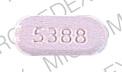
Triamcinolone
Generic name: triamcinolone (oral) [ trye-am-SIN-oh-lone ]
Brand name: Aristocort
Drug class: Glucocorticoids
What is triamcinolone?
Triamcinolone belongs to a class of drugs called corticosteroids. It prevents the release of substances in the body that cause inflammation.
Triamcinolone oral (taken by mouth) is used to treat many different conditions such as allergic disorders, skin conditions, ulcerative colitis, arthritis, lupus, psoriasis, or breathing disorders.
Triamcinolone may also be used for purposes not listed in this medication guide.
Warnings
You should not use this medication if you are allergic to triamcinolone, or if you have a fungal infection anywhere in your body.
Before taking triamcinolone, tell your doctor about all of your medical conditions, and about all other medicines you are using. There are many other disease that can be affected by steroid use, and many other medicines that can interact with steroids.
Your steroid medication needs may change if you have any unusual stress such as a serious illness, fever or infection, or if you have surgery or a medical emergency. Tell your doctor about any such situation that affects you during treatment.
Steroid medications such as triamcinolone can weaken your immune system, making it easier for you to get an infection or worsening an infection you already have or have recently had. Tell your doctor about any illness or infection you have had within the past several weeks.
Avoid being near people who are sick or have infections. Call your doctor for preventive treatment if you are exposed to chicken pox or measles. These conditions can be serious or even fatal in people who are using steroid medication.
Do not receive a "live" vaccine while you are taking triamcinolone. Vaccines may not work as well while you are taking a steroid.
Do not stop using triamcinolone suddenly, or you could have unpleasant withdrawal symptoms. Talk to your doctor about how to avoid withdrawal symptoms when stopping the medication. Wear a medical alert tag or carry an ID card stating that you take triamcinolone. Any medical care provider who treats you should know that you take steroid medication.
Related/similar drugs
Benlysta, Otezla, Stelara, Tremfya, Cimzia, lisinopril, aspirin
Before taking this medicine
You should not use this medication if you are allergic to triamcinolone, or if you have a fungal infection anywhere in your body.
Steroid medication can weaken your immune system, making it easier for you to get an infection. Steroids can also worsen an infection you already have, or reactivate an infection you recently had. Before taking this medication, tell your doctor about any illness or infection you have had within the past several weeks.
To make sure you can safely take triamcinolone, tell your doctor if you have any of these other conditions:
-
liver disease (such as cirrhosis);
-
kidney disease;
-
a thyroid disorder;
-
diabetes;
-
a history of malaria;
-
tuberculosis;
-
osteoporosis;
-
a muscle disorder such as myasthenia gravis;
-
glaucoma or cataracts;
-
herpes infection of the eyes;
-
stomach ulcers, ulcerative colitis, or diverticulitis;
-
depression or mental illness;
-
congestive heart failure; or
-
high blood pressure
FDA pregnancy category C. It is not known whether triamcinolone will harm an unborn baby. Tell your doctor if you are pregnant or plan to become pregnant while using this medication. Triamcinolone can pass into breast milk and may harm a nursing baby. Do not use this medication without telling your doctor if you are breast-feeding a baby. Triamcinolone can affect growth in children. Talk with your doctor if you think your child is not growing at a normal rate while using triamcinolone.
How should I take triamcinolone?
Take triamcinolone exactly as prescribed by your doctor. Do not take in larger or smaller amounts or for longer than recommended. Follow the directions on your prescription label.
Your doctor may occasionally change your dose to make sure you get the best results from this medication.
Take triamcinolone with food to prevent stomach upset.
Your steroid medication needs may change if you have unusual stress such as a serious illness, fever or infection, or if you have surgery or a medical emergency. Tell your doctor about any such situation that affects you.
This medication can cause you to have unusual results with certain medical tests. Tell any doctor who treats you that you are using triamcinolone.
Do not stop using triamcinolone suddenly, or you could have unpleasant withdrawal symptoms. Talk to your doctor about how to avoid withdrawal symptoms when stopping the medication. Carry an ID card or wear a medical alert bracelet stating that you are taking a steroid, in case of emergency. Any doctor, dentist, or emergency medical care provider who treats you should know that you are taking steroid medication.
Store triamcinolone at room temperature away from moisture and heat.
What happens if I miss a dose?
Take the missed dose as soon as you remember. Skip the missed dose if it is almost time for your next scheduled dose. Do not take extra medicine to make up the missed dose.
What happens if I overdose?
Seek emergency medical attention or call the Poison Help line at 1-800-222-1222.
An overdose of triamcinolone is not expected to produce life threatening symptoms. However, long term use of high steroid doses can lead to symptoms such as thinning skin, easy bruising, changes in the shape or location of body fat (especially in your face, neck, back, and waist), increased acne or facial hair, menstrual problems, impotence, or loss of interest in sex.
What should I avoid?
Avoid being near people who are sick or have infections. Call your doctor for preventive treatment if you are exposed to chicken pox or measles. These conditions can be serious or even fatal in people who are using triamcinolone.
Do not receive a "live" vaccine while using triamcinolone. The vaccine may not work as well during this time, and may not fully protect you from disease. Avoid drinking alcohol while you are taking triamcinolone.
Triamcinolone side effects
Get emergency medical help if you have any of these signs of an allergic reaction to triamcinolone: hives; difficulty breathing; swelling of your face, lips, tongue, or throat.
Call your doctor at once if you have a serious side effect such as:
-
problems with your vision;
-
swelling, rapid weight gain, feeling short of breath;
-
severe depression, unusual thoughts or behavior, seizure (convulsions);
-
bloody or tarry stools, coughing up blood;
-
pancreatitis (severe pain in your upper stomach spreading to your back, nausea and vomiting, fast heart rate);
-
low potassium (confusion, uneven heart rate, extreme thirst, increased urination, leg discomfort, muscle weakness or limp feeling); or
-
dangerously high blood pressure (severe headache, blurred vision, buzzing in your ears, anxiety, confusion, chest pain, shortness of breath, uneven heartbeats, seizure).
Less serious triamcinolone side effects may include:
-
sleep problems (insomnia), mood changes;
-
acne, dry skin, thinning skin, bruising or discoloration;
-
slow wound healing;
-
increased sweating;
-
headache, dizziness, spinning sensation;
-
nausea, stomach pain, bloating;
-
muscle weakness; or
-
changes in the shape or location of body fat (especially in your arms, legs, face, neck, breasts, and waist);
This is not a complete list of side effects and others may occur. Call your doctor for medical advice about side effects. You may report side effects to FDA at 1-800-FDA-1088.
What other drugs will affect triamcinolone?
Many drugs can interact with triamcinolone. Below is just a partial list. Tell your doctor if you are using:
-
aspirin (taken on a daily basis or at high doses);
-
a diuretic (water pill);
-
a blood thinner such as warfarin (Coumadin, Jantoven);
-
cyclosporine (Gengraf, Neoral, Sandimmune);
-
insulin or diabetes medications you take by mouth;
-
ketoconazole (Nizoral);
-
rifampin (Rifadin, Rifater, Rifamate, Rimactane); or
-
seizure medications such as phenytoin (Dilantin) or phenobarbital (Luminal, Solfoton).
This list is not complete and other drugs may interact with triamcinolone. Tell your doctor about all medications you use. This includes prescription, over-the-counter, vitamin, and herbal products. Do not start a new medication without telling your doctor.
Popular FAQ
Where should you not use triamcinolone acetonide cream?
You should not use topical corticosteroids like triamcinolone acetonide cream on your face, groin, or axillae (underarm, armpit) unless directed by your doctor. Using triamcinolone in these areas may lead to unwanted side effects like acne, prominent blood vessels, skin thinning (atrophy), changes in skin color or unwanted hair growth. Continue reading
Is triamcinolone acetonide an antifungal cream?
Triamcinolone is not an antifungal cream. It is a topical corticosteroid (“steroid”) cream used to decrease inflammation and itching of skin conditions such as plaque psoriasis, atopic dermatitis (eczema) and allergic reactions. Topical corticosteroids work by reducing inflammation (redness, swelling, itching) on the skin. Continue reading
Is triamcinolone good for poison ivy?
Steroid prescription creams or ointments like high-potency triamcinolone 0.5% may be helpful during the first few days of a poison ivy rash on a small area, but have little effect once the fluid-filled blisters have appeared. Over-the-counter (OTC) products like hydrocortisone cream 1% are not usually strong enough for poison ivy. Your doctor may prescribe oral prednisone pills for a more severe rash. Continue reading
Clobetasol vs. triamcinolone - how do they compare?
Topical clobetasol (Clobex, Impoyz, generics) is considered a very high potency topical corticosteroid (“steroid”) used on the skin, while triamcinolone (Kenalog, Triderm, generics) is a medium-to-low potency medicine. These prescription products may be used to treat conditions such as eczema, dermatitis, psoriasis, skin allergies or rashes or serious insect bites. Continue reading
What are steroid injections (cortisone shots)?
Steroid injections (corticosteroid injections/cortisone shots) are injections given by a healthcare professional directly into joints or other areas of the body to relieve symptoms such as pain, inflammation, or restricted movement. They are commonly used to treat shoulder and other joint pain, tendonitis, bursitis, back pain, or arthritis or to manage conditions such as sciatica, inflammatory bowel disease, and skin conditions such as psoriasis. Examples include hydrocortisone, triamcinolone, and methylprednisolone. Continue reading
Halobetasol vs triamcinolone: which is better?
Which topical corticosteroid (“steroid”) product is best for you depends upon what skin condition you have, your symptoms and where it is located on your body. Other selection factors may include availability, cost and if the medicine is covered by your insurance. After examination, your doctor will be able to determine which topical steroid is best to treat your skin condition. Continue reading
More FAQ
- What causes Plaque Psoriasis?
- Can triamcinolone acetonide B be used to treat severe diaper rash on a little girl?
More about triamcinolone
- Check interactions
- Compare alternatives
- Pricing & coupons
- Reviews (220)
- Drug images
- Side effects
- Dosage information
- During pregnancy
- Support group
- Drug class: glucocorticoids
- Breastfeeding
Patient resources
Other brands
Kenalog-40, Aristocort, Zilretta, Azmacort, ... +5 more
Professional resources
Other brands
Kenalog-40, Zilretta, Kenalog-10
Related treatment guides
Further information
Remember, keep this and all other medicines out of the reach of children, never share your medicines with others, and use this medication only for the indication prescribed.
Always consult your healthcare provider to ensure the information displayed on this page applies to your personal circumstances.
Copyright 1996-2024 Cerner Multum, Inc. Version: 7.04.