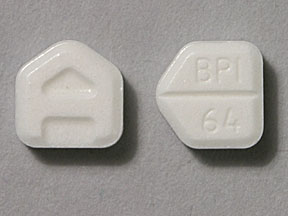
Ativan (injection)
Generic name: lorazepam (injection) [ lor-A-ze-pam ]
Brand name: Ativan
Drug classes: Benzodiazepine anticonvulsants, Benzodiazepines, Miscellaneous antiemetics
What is lorazepam injection?
Lorazepam is a benzodiazepine (ben-zoe-dye-AZE-eh-peen) that is used to treat a seizure emergency called status epilepticus. Lorazepam injection is also used as a sedative to help you relax before having surgery.
Lorazepam injection may also be used for purposes not listed in this medication guide.
Lorazepam injection side effects
Get emergency medical help if you have signs of an allergic reaction: hives; difficulty breathing; swelling of your face, lips, tongue, or throat.
Lorazepam can slow or stop your breathing, especially if you have recently used an opioid medication, alcohol, or other drugs that can slow your breathing. Your medical caregivers will watch you for symptoms such as weak or shallow breathing.
Tell your medical caregivers right away if you have:
-
weak or shallow breathing;
-
severe drowsiness;
-
restlessness or you feel agitated or irritable;
-
unusual thoughts, hallucinations; or
-
a light-headed feeling, like you might pass out.
Drowsiness or dizziness may last longer in older adults. Use caution to avoid falling or accidental injury. You may need help getting out of bed for at least the first 8 hours.
Common side effects of Ativan may include:
-
drowsiness, feeling light-headed;
-
breathing problems; or
-
redness or burning when lorazepam is injected into a muscle.
This is not a complete list of side effects and others may occur. Call your doctor for medical advice about side effects. You may report side effects to FDA at 1-800-FDA-1088.
Related/similar drugs
Quviviq, sertraline, trazodone, duloxetine, escitalopram, hydroxyzine, fluoxetine
Warnings
Lorazepam can slow or stop your breathing, especially if you have recently used an opioid medication, alcohol, or other drugs that can slow your breathing.
Ongoing use of this medicine may be habit-forming.
Before taking this medicine
If possible before you receive lorazepam injection, tell your doctor if you are allergic to any drugs, or if you have:
-
narrow-angle glaucoma;
-
sleep apnea or severe breathing problem;
-
a known allergy to polyethylene glycol, propylene glycol, or benzyl alcohol; or
-
a history of allergic reaction to any benzodiazepine (lorazepam, alprazolam, diazepam, Ativan, Klonopin, Restoril, Tranxene, Valium, Versed, Xanax, and others).
Tell your doctor if you've ever had:
-
asthma or other breathing disorder;
-
liver disease; or
-
kidney disease.
Lorazepam may harm an unborn baby, and generally should not be used during pregnancy. However, status epilepticus is a life-threatening condition and the benefit of receiving lorazepam to treat it may outweigh any risk to the unborn baby.
Sedatives used during surgery may affect brain development in a young child or unborn baby (when used in the mother), which may lead to learning or behavior problems later in life. Long surgeries or repeated procedures pose the highest risks.
It may still be necessary to use a sedative for a life-threatening condition, medical emergency, or surgery to correct a birth defect. Your doctor can inform you about all medicines given during a surgery or procedure.
If possible during an emergency, tell your medical caregivers if you are pregnant or breastfeeding.
How is lorazepam injection given?
Lorazepam is injected into a muscle or vein by a healthcare provider.
You may need to receive only one dose of lorazepam if your condition improves after the injection.
After the injection, you will be watched to make sure the medicine is working and does not cause harmful side effects.
Lorazepam injection is for single or occasional use. Ongoing use may be habit-forming or cause long-lasting withdrawal symptoms when you stop using the medicine.
What happens if I miss a dose?
Lorazepam is used as a single dose and does not have a daily dosing schedule.
What happens if I overdose?
In a medical setting an overdose would be treated quickly.
What should I avoid after receiving lorazepam injection?
Avoid drinking alcohol within the first 1 or 2 days after you receive lorazepam injection. Dangerous side effects or death could occur.
Lorazepam can cause extreme drowsiness that may last for 24 to 48 hours after the injection. Older adults may feel sleepy for even longer.
Avoid driving or hazardous activity until the effects of lorazepam have worn off completely. Dizziness or drowsiness can cause falls, accidents, or severe injuries.
What other drugs will affect lorazepam injection?
Shortly after you are treated with this medicine, using other drugs that make you sleep or slow your breathing can cause dangerous side effects or death. Ask your doctor before using opioid medication, a sleeping pill, a muscle relaxer, or medicine for anxiety or seizures.
Tell your doctor about all your other medicines, especially:
-
any other benzodiazepines (such as alprazolam, diazepam, Valium, Xanax, and others);
-
valproate or other seizure medication;
-
medicine to treat mental illness; or
-
medicine to treat or prevent nausea and vomiting.
This list is not complete. Other drugs may affect lorazepam, including prescription and over-the-counter medicines, vitamins, and herbal products. Not all possible drug interactions are listed here.
Popular FAQ
How long does it take for Ativan to work?
The amount of time it takes for Ativan (lorazepam) to work depends on the formulation you are taking. For the oral tablets and liquid, it starts to work within 30 minutes. The intravenous (IV) formulation takes about 1-3 minutes to work, and the intramuscular version takes 15-30 minutes to start working. Continue reading
More FAQ
More about Ativan (lorazepam)
- Check interactions
- Compare alternatives
- Pricing & coupons
- Reviews (476)
- Drug images
- Latest FDA alerts (5)
- Side effects
- Dosage information
- Patient tips
- During pregnancy
- Generic availability
- Support group
- Drug class: benzodiazepine anticonvulsants
- Breastfeeding
Patient resources
Other brands
Professional resources
Other brands
Lorazepam Intensol, Ativan Injection, Loreev XR
Related treatment guides
Further information
Remember, keep this and all other medicines out of the reach of children, never share your medicines with others, and use this medication only for the indication prescribed.
Always consult your healthcare provider to ensure the information displayed on this page applies to your personal circumstances.
Copyright 1996-2024 Cerner Multum, Inc. Version: 7.01.