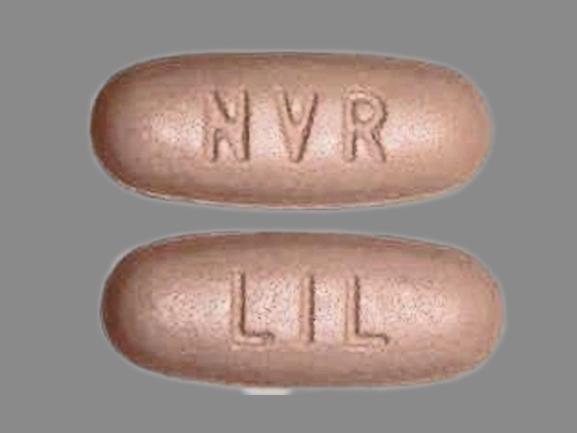
Amturnide and Alcohol/Food Interactions
There are 8 alcohol/food/lifestyle interactions with Amturnide (aliskiren / amlodipine / hydrochlorothiazide).
Hydrochlorothiazide Alcohol (Ethanol)
Moderate Drug Interaction
HydroCHLOROthiazide and ethanol may have additive effects in lowering your blood pressure. You may experience headache, dizziness, lightheadedness, fainting, and/or changes in pulse or heart rate. These side effects are most likely to be seen at the beginning of treatment, following a dose increase, or when treatment is restarted after an interruption. Let your doctor know if you develop these symptoms and they do not go away after a few days or they become troublesome. Avoid driving or operating hazardous machinery until you know how the medications affect you, and use caution when getting up from a sitting or lying position. It is important to tell your doctor about all other medications you use, including vitamins and herbs. Do not stop using any medications without first talking to your doctor.
Amlodipine Alcohol (Ethanol)
Moderate Drug Interaction
AmLODIPine and ethanol may have additive effects in lowering your blood pressure. You may experience headache, dizziness, lightheadedness, fainting, and/or changes in pulse or heart rate. These side effects are most likely to be seen at the beginning of treatment, following a dose increase, or when treatment is restarted after an interruption. Let your doctor know if you develop these symptoms and they do not go away after a few days or they become troublesome. Avoid driving or operating hazardous machinery until you know how the medications affect you, and use caution when getting up from a sitting or lying position. It is important to tell your doctor about all other medications you use, including vitamins and herbs. Do not stop using any medications without first talking to your doctor.
Hydrochlorothiazide Alcohol (Ethanol)
Minor Drug Interaction
Information for this minor interaction is available on the professional version.
Amlodipine Multivitamins With Minerals
Moderate Drug Interaction
Using amLODIPine together with multivitamin with minerals can decrease the effects of amLODIPine. Talk with your doctor before using amLODIPine and multivitamin with minerals together. You may need a dose adjustment or need your blood pressure checked more often if you take both medications. It is important to tell your doctor about all other medications you use, including vitamins and herbs. Do not stop using any medications without first talking to your doctor.
Hydrochlorothiazide Multivitamins With Minerals
Minor Drug Interaction
Information for this minor interaction is available on the professional version.
Aliskiren Food
Moderate Food Interaction
Consumer information for this interaction is not currently available.
GENERALLY AVOID: Coadministration with orange, apple, or grapefruit juice may significantly decrease the oral bioavailability and renin-inhibiting effect of aliskiren. The exact mechanism of interaction is unknown, but may include inhibition of OATP2B1-mediated influx of aliskiren in the small intestine, formation of insoluble complexes between fruit juice constituents and aliskiren, and/or increased ionization of aliskiren due to reduced intestinal pH. In 12 healthy volunteers, 200 mL of either orange juice or apple juice administered three times daily for 5 days in combination with a single 150 mg oral dose of aliskiren on day 3 reduced the mean aliskiren peak plasma concentration (Cmax) and systemic exposure (AUC) by approximately 80% and 60%, respectively, compared to water. Plasma renin activity was 87% and 67% higher at 24 hours postdose when aliskiren was administered with orange juice and apple juice, respectively, compared to water. No significant differences were observed in the blood pressure or heart rate between treatments. However, this may be due to the delayed onset of aliskiren's blood pressure-lowering effect, which would not be apparent following a single dose. A similar pharmacokinetic interaction has been reported with grapefruit juice. In 11 healthy volunteers, 200 mL of normal strength grapefruit juice administered three times daily for 5 days in combination with a single 150 mg oral dose of aliskiren on day 3 reduced the mean aliskiren Cmax and AUC by 81% and 61%, respectively, but there was no change in plasma renin activity compared to water. A high degree of interpatient variability was observed with all three interactions.
MONITOR: High-fat meals can substantially reduce the gastrointestinal absorption of aliskiren. According to the product labeling, administration of aliskiren with a high-fat meal decreased the mean peak plasma concentration (Cmax) and systemic exposure (AUC) by 85% and 71%, respectively. In clinical trials, however, aliskiren was administered without a fixed requirement in relation to meals.
MANAGEMENT: To ensure steady systemic drug levels and therapeutic effects, patients should establish a routine pattern for administration of aliskiren with regard to meals. Coadministration with orange, apple, or grapefruit juice should be avoided, especially if these juices are to be consumed on a regular basis or shortly before or after aliskiren dosing.
References
- (2007) "Product Information. Tekturna (aliskiren)." Novartis Pharmaceuticals
- Vaidyanathan S, Jarugula V, Dieterich HA, Howard D, Dole WP (2008) "Clinical pharmacokinetics and pharmacodynamics of aliskiren." Clin Pharmacokinet, 47, p. 515-31
- Tapaninen T, Neuvonen PJ, Niemi M (2010) "Grapefruit juice greatly reduces the plasma concentrations of the OATP2B1 and CYP3A4 substrate aliskiren." Clin Pharmacol Ther, 88, p. 339-42
- Tapaninen T, Neuvonen PJ, Niemi M (2010) "Orange and apple juices greatly reduce the plasma concentrations of the OATP2B1 substrate aliskiren." Br J Clin Pharmacol, 71, p. 718-26
Amlodipine Food
Minor Food Interaction
Information for this minor interaction is available on the professional version.
Hydrochlorothiazide High Cholesterol (Hyperlipoproteinemia, Hypertriglyceridemia, Sitosterolemia)
Moderate Potential Hazard, Moderate plausibility
thiazides - hyperlipidemia
Thiazide diuretics may increase serum triglyceride and cholesterol levels, primarily LDL and VLDL. Whether these effects are dose-related and sustained during chronic therapy are unknown. Patients with preexisting hyperlipidemia may require closer monitoring during thiazide therapy, and adjustments made accordingly in their lipid-lowering regimen
References
- Pollare T, Lithell H, Berne C (1989) "A comparison of the effects of hydrochlorothiazide and captopril on glucose and lipid metabolism in patients with hypertension." N Engl J Med, 321, p. 868-73
- Ames RP, Hill P (1976) "Increase in serum-lipids during treatment of hypertension with chlorthalidone." Lancet, 1, p. 721-3
- Fager G, Berglund G, Bondjers G, Elmfeldt D, Lager I, Olofsson SO, Smith U, Wiklund O (1983) "Effects of anti-hypertensive therapy on serum lipoproteins. Treatment with metoprolol, propranolol and hydrochlorothiazide." Artery, 11, p. 283-96
- Beling S, Vukovich RA, Neiss ES, Zisblatt M, Webb E, Losi M (1983) "Long-term experience with indapamide." Am Heart J, 106, p. 258-62
- Slotkoff L (1983) "Clinical efficacy and safety of indapamide in the treatment of edema." Am Heart J, 106, p. 233-7
- (2002) "Product Information. HydroDIURIL (hydrochlorothiazide)." Merck & Co., Inc
- (2002) "Product Information. Lozol (indapamide)." Rhone Poulenc Rorer
- Luther RR, Glassman HN, Estep CB, Maurath CJ, Jordan DC (1989) "The effects of terazosin and methyclothiazide on blood pressure and serum lipids." Am Heart J, 117, p. 842-7
- (2001) "Product Information. Zaroxolyn (metolazone)." Rhone Poulenc Rorer
- (2001) "Product Information. Thalitone (chlorthalidone)." Monarch Pharmaceuticals Inc
- (2001) "Product Information. Diuril (chlorothiazide)." Merck & Co., Inc
- Smith WM (1979) "Diuretics and cholesterol elevation." JAMA, 242, p. 1612
- (2001) "Product Information. Enduron (methyclothiazide)." Abbott Pharmaceutical
- (2001) "Product Information. Metahydrin (trichlormethiazide)." Hoechst Marion Roussel
- (2001) "Product Information. Diucardin (hydroflumethiazide)." Wyeth-Ayerst Laboratories
- Elmfeldt D, Berglund G, Wedel H, Wilhelmsen L (1983) "Incidence and importance of metabolic side-effects during antihypertensive therapy." Acta Med Scand Suppl, 672, p. 79-83
- Winchester JF, Kellett RJ, Boddy K, Boyle P, Dargie HJ, Mahaffey ME, Ward DM, Kennedy AC (1980) "Metolazone and bendroflumethiazide in hypertension: physiologic and metabolic observations." Clin Pharmacol Ther, 28, p. 611-8
- Petri M, Cumber P, Grimes L, Treby D, Bryant R, Rawlins D, Ising H (1986) "The metabolic effects of thiazide therapy in the elderly: a population study." Age Ageing, 15, p. 151-5
- "Product Information. Renese-R (reserpine-polythiazide)." Pfizer US Pharmaceuticals, New York, NY.
- Kasiske BL, Ma JZ, Kalil RS, Louis TA (1995) "Effects of antihypertensive therapy on serum lipids." Ann Intern Med, 122, p. 133-41
- Freis ED (1995) "The efficacy and safety of diuretics in treating hypertension." Ann Intern Med, 122, p. 223-6
- Ames RP (1996) "A comparison of blood lipid and blood pressure responses during the treatment of systemic hypertension with indapamide and with thiazides." Am J Cardiol, 77, b12-6
Amturnide drug interactions
There are 785 drug interactions with Amturnide (aliskiren / amlodipine / hydrochlorothiazide).
Amturnide disease interactions
There are 18 disease interactions with Amturnide (aliskiren / amlodipine / hydrochlorothiazide) which include:
- diabetes
- cardiogenic shock/hypotension
- coronary artery disease
- liver disease
- anuria
- electrolyte losses
- liver disease
- lupus erythematosus
- renal function disorders
- hypotension
- renal impairment
- CHF/AMI
- asthma
- diabetes
- hyperlipidemia
- hyperparathyroidism
- hyperuricemia
- thyroid function tests
Report options

More about Amturnide (aliskiren / amlodipine / hydrochlorothiazide)
- Amturnide consumer information
- Check interactions
- Compare alternatives
- Drug images
- Side effects
- Dosage information
- During pregnancy
- FDA approval history
- Drug class: miscellaneous antihypertensive combinations
Related treatment guides
Drug Interaction Classification
| Highly clinically significant. Avoid combinations; the risk of the interaction outweighs the benefit. | |
| Moderately clinically significant. Usually avoid combinations; use it only under special circumstances. | |
| Minimally clinically significant. Minimize risk; assess risk and consider an alternative drug, take steps to circumvent the interaction risk and/or institute a monitoring plan. | |
| No interaction information available. |
Further information
Always consult your healthcare provider to ensure the information displayed on this page applies to your personal circumstances.