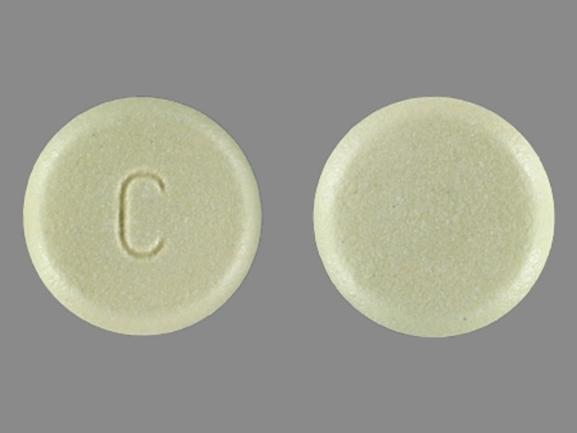
Myfortic Dosage
Generic name: MYCOPHENOLATE SODIUM 360mg
Dosage form: tablet, delayed release
Drug class: Selective immunosuppressants
Medically reviewed by Drugs.com. Last updated on Aug 8, 2023.
2.1 Dosage in Adult Kidney Transplant Patients
The recommended dose of Myfortic is 720 mg administered twice daily (1,440 mg total daily dose).
2.2 Dosage in Pediatric Kidney Transplant Patients
The recommended dose of Myfortic in conversion (at least 6 months post-transplant) pediatric patients age 5 years and older is 400 mg/m2 body surface area (BSA) administered twice daily (up to a maximum dose of 720 mg administered twice daily).
2.3 Administration
Myfortic tablets should be taken on an empty stomach, 1 hour before or 2 hours after food intake [see Clinical Pharmacology (12.3)].
Myfortic tablets should not be crushed, chewed, or cut prior to ingesting. The tablets should be swallowed whole in order to maintain the integrity of the enteric coating.
Pediatric patients with a BSA of 1.19 m2 to 1.58 m2 may be dosed either with three Myfortic 180 mg tablets, or one 180 mg tablet plus one 360 mg tablet twice daily (1,080 mg daily dose). Patients with a BSA of > 1.58 m2 may be dosed either with four Myfortic 180 mg tablets, or two Myfortic 360 mg tablets twice daily (1,440 mg daily dose). Pediatric doses for patients with BSA < 1.19 m2 cannot be accurately administered using currently available formulations of Myfortic tablets.
More about Myfortic (mycophenolic acid)
- Check interactions
- Compare alternatives
- Pricing & coupons
- Reviews (4)
- Drug images
- Side effects
- During pregnancy
- FDA approval history
- Drug class: selective immunosuppressants
- En español
Patient resources
Professional resources
Related treatment guides
Further information
Always consult your healthcare provider to ensure the information displayed on this page applies to your personal circumstances.