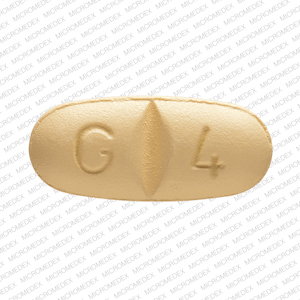
Oxcarbazepine Disease Interactions
There are 8 disease interactions with oxcarbazepine.
- Depression
- Liver disease
- Renal dysfunction
- Hyponatremia
- Suicidal tendency
- Arrhythmias
- Blood dyscrasias
- Thyroid dysfunction
Anticonvulsants (applies to oxcarbazepine) depression
Major Potential Hazard, Moderate plausibility.
Antiepileptic drugs can increase depression and suicidal thoughts or behaviors in patients receiving these drugs for any indication. Patients should be monitored for the emergence or worsening of depression, suicidal thoughts and unusual changes in mood or behavior. Caregivers and family should be alert for the emergence or worsening of symptoms. Behaviors of concern should be reported immediately to the healthcare providers.
Anticonvulsants (applies to oxcarbazepine) liver disease
Major Potential Hazard, Moderate plausibility.
Most anticonvulsants are primarily metabolized by the liver. Metabolic activity may be decreased in patients with liver disease, resulting in elevated drug levels and increased risk of toxicity. Therapy with anticonvulsants should be administered cautiously in patients with mild and moderate liver impairment. Therapy with these drugs is mostly not recommended in patients with severe liver impairment. Caution is also advised when treating patients with a history of liver disease, since the use of some anticonvulsants has been associated with hepatotoxicity. Baseline and periodic evaluation of liver function is recommended. Therapy should be discontinued and not readministered if evidence of liver damage is observed and felt to be drug-related.
Anticonvulsants (applies to oxcarbazepine) renal dysfunction
Major Potential Hazard, Moderate plausibility.
Most anticonvulsants are primarily excreted by the kidney. The plasma clearance may be decreased and the half-life prolonged in patients with impaired renal function. Therapy with anticonvulsants should be administered cautiously in patients with significant renal dysfunction. In most cases it is recommended to adjust the dosage in patients with CrCl <50 mL/min to half the usual starting dose and then increase slowly to achieve the desired clinical response. The renal function should be monitored regularly in patients receiving therapy.
Anticonvulsants (applies to oxcarbazepine) hyponatremia
Moderate Potential Hazard, Moderate plausibility. Applicable conditions: Hypothyroidism, Adrenal Insufficiency, Congestive Heart Failure, Renal Dysfunction, Fluid Retention, Cirrhosis, Polydipsia, SIADH
Some anticonvulsants can cause clinically significant hyponatremia (Na < 125 mmol/L). Therapy with these drugs should be administered cautiously in patients with conditions predisposing to hyponatremia, such as SIADH, use of diuretics or drugs associated with inappropriate antidiuretic hormone secretion, adrenal insufficiency, hypothyroidism, primary polydipsia, and edema (e.g., due to liver cirrhosis, congestive heart failure, or nephrotic syndrome). Serum sodium levels should be monitored during maintenance therapy, and patients should be monitored for signs and symptoms possibly indicating hyponatremia such as nausea, malaise, headache, lethargy, confusion, obtundation, and increase in seizure frequency or severity. If hyponatremia occurs, conservative measures such as fluid restriction, a reduction in dosage, or discontinuation of therapy will usually suffice.
Antiepileptics (applies to oxcarbazepine) suicidal tendency
Moderate Potential Hazard, Moderate plausibility. Applicable conditions: Depression, Psychosis
Antiepileptic drugs (AEDs) have been associated with an increased risk of suicidal thoughts or behavior in patients taking these drugs for any indication. Pooled analyses of 199 placebo-controlled clinical studies involving the use of 11 different AEDs showed that patients receiving AEDs had approximately twice the risk of suicidal thinking or behavior compared to patients receiving placebo. AEDs should be administered cautiously in patients with depression or other psychiatric disorders; phentermine-topiramate should be avoided in patients with history of suicidal attempts or active suicidal ideation. The risk of suicidal thoughts and behavior should be carefully assessed against the risk of untreated illness, bearing in mind that epilepsy and many other conditions for which AEDs are prescribed are themselves associated with morbidity and mortality and an increased risk of suicidal thoughts and behavior. Patients, caregivers, and families should be alert to the emergence or worsening of signs and symptoms of depression, any unusual changes in mood or behavior, or the emergence of suicidal thoughts or behavior. If patients have symptoms of suicidal ideation or behavior, a dosage reduction or treatment discontinuation should be considered.
Aromatic antiepileptic drugs (applies to oxcarbazepine) arrhythmias
Moderate Potential Hazard, Moderate plausibility. Applicable conditions: Cardiovascular Disease
Aromatic antiepileptic drugs such as phenytoin, carbamazepine, and oxcarbazepine, inhibit voltage- gated sodium channels and reduce membrane excitability in neurons and muscle and can be associated with cardiovascular effects. Individual agents have demonstrated AV heart block, including second and third-degree block following treatment. This occurred generally, but not solely in patients with underlying EKG abnormalities or risk factors for conduction abnormalities. Therapy with these agents should be considered and administered cautiously in patients with a history of cardiovascular disease and conduction abnormalities.
Oxcarbazepine (applies to oxcarbazepine) blood dyscrasias
Moderate Potential Hazard, Moderate plausibility. Applicable conditions: Bone Marrow Depression/Low Blood Counts
Rare events of pancytopenia, leukopenia, and agranulocytosis have been reported in patients treated with oxcarbazepine during postmarketing observations. Discontinuation of the drug should be considered if any evidence of these hematologic events develop. Therapy with oxcarbazepine should be administered with caution in patients with preexisting blood dyscrasias and/or bone marrow depression. Complete blood counts, including platelets and possibly reticulocytes and serum iron, should be performed prior to initiating therapy and regularly during therapy.
Oxcarbazepine (applies to oxcarbazepine) thyroid dysfunction
Moderate Potential Hazard, Moderate plausibility. Applicable conditions: Thyroid Disease
Decreased values for thyroid function tests, especially T4 have been observed with the administration of oxcarbazepine. This should be taken into account in patients with thyroid disorders.
Oxcarbazepine drug interactions
There are 568 drug interactions with oxcarbazepine.
Oxcarbazepine alcohol/food interactions
There is 1 alcohol/food interaction with oxcarbazepine.
Report options

More about oxcarbazepine
- oxcarbazepine consumer information
- Check interactions
- Compare alternatives
- Pricing & coupons
- Reviews (374)
- Drug images
- Side effects
- Dosage information
- Patient tips
- During pregnancy
- Support group
- Drug class: dibenzazepine anticonvulsants
- Breastfeeding
- En español
Related treatment guides
Drug Interaction Classification
| Highly clinically significant. Avoid combinations; the risk of the interaction outweighs the benefit. | |
| Moderately clinically significant. Usually avoid combinations; use it only under special circumstances. | |
| Minimally clinically significant. Minimize risk; assess risk and consider an alternative drug, take steps to circumvent the interaction risk and/or institute a monitoring plan. | |
| No interaction information available. |
Further information
Always consult your healthcare provider to ensure the information displayed on this page applies to your personal circumstances.