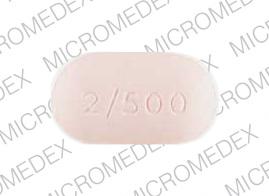
Advanced Consumer Information
Detailed Drug Information for the Consumer > Avandamet

Avandamet

Generic Name: metformin and rosiglitazone (Oral route)

met-FOR-min hye-droe-KLOR-ide, roe-zi-GLI-ta-zone MAL-ee-ate

Oral routeTablet
  • Congestive Heart Failure and Myocardial Ischemia
    • Thiazolidinediones, including rosiglitazone, cause or exacerbate congestive heart failure in some patients. After initiation of rosiglitazone maleate/metformin hydrochloride, and after dose increases, observe patients carefully for signs and symptoms of heart failure (including excessive, rapid weight gain, dyspnea, and/or edema). If these signs and symptoms develop, the heart failure should be managed according to current standards of care. Furthermore, discontinuation or dose reduction of rosiglitazone maleate/metformin hydrochloride must be considered.
    • Rosiglitazone maleate/metformin hydrochloride is not recommended in patients with symptomatic heart failure. Initiation of rosiglitazone maleate/metformin hydrochloride in patients with established NYHA Class III or IV heart failure is contraindicated.
    • A meta-analysis of 42 studies (mean duration 6 months; 14,237 total patients), most of which compared rosiglitazone to placebo, showed rosiglitazone to be associated with an increased risk of myocardial ischemic events. Three other studies (mean duration 41 months; 14,067 total patients), comparing rosiglitazone to some other approved oral antidiabetic agents or placebo, have not confirmed or excluded this risk. Available data on the risk of myocardial ischemia are inconclusive.
  • Lactic Acidosis
    • Lactic acidosis can occur due to metformin accumulation. The risk increases with conditions such as sepsis, dehydration, excess alcohol intake, hepatic insufficiency, renal impairment, and acute congestive heart failure.
    • Symptoms include malaise, myalgias, respiratory distress, increasing somnolence, and nonspecific abdominal distress. Laboratory abnormalities include low pH, increased anion gap and elevated blood lactate.
    • If acidosis is suspected, discontinue rosiglitazone maleate/metformin hydrochloride and hospitalize the patient immediately .

May cause or worsen congestive heart failure, is not recommended in patients with symptomatic heart failure, and is contraindicated in patients with established NYHA Class III or IV heart failure. Monitor patients for signs and symptoms of heart failure after initiation or dose increases and if heart failure occurs, consider dose reducing or discontinuing rosiglitazone maleate and manage according to current standards of care. Overall, the available data on the risk of myocardial ischemia are inconclusive.

Lactic acidosis can occur due to metformin accumulation during treatment with rosiglitazone maleate/metformin hydrochloride. The risk of lactic acidosis increases with conditions such as sepsis, dehydration, excess alcohol intake, hepatic insufficiency, renal impairment, and acute congestive heart failure. Symptoms include malaise, myalgias, respiratory distress, increasing somnolence, and nonspecific abdominal distress. Laboratory abnormalities include low pH, increased anion gap, and elevated blood lactate. Discontinue therapy immediately and institute supportive measures promptly for suspected lactic acidosis .

Commonly used brand name(s):

In the U.S.

  • Avandamet

Available Dosage Forms:

  • Tablet

Therapeutic Class: Hypoglycemic

Chemical Class: Metformin

Advertisement

Uses For Avandamet

Metformin and rosiglitazone combination is used to treat high blood sugar levels that are caused by a type of diabetes mellitus or sugar diabetes called type 2 diabetes. In type 2 diabetes, your body does not work properly to store excess sugar and the sugar remains in your bloodstream. Chronic high blood sugar can lead to serious health problems in the future. Proper diet is the first step in managing type 2 diabetes, but often medicines are needed to help your body. Rosiglitazone helps your body use the insulin better and it reduces the amount of insulin in your body. Metformin reduces the absorption of sugar, reduces the release of stored sugar from the liver, and helps your body's cells use sugar better.

This medicine is available only with your doctor's prescription.

Before Using Avandamet

In deciding to use a medicine, the risks of taking the medicine must be weighed against the good it will do. This is a decision you and your doctor will make. For this medicine, the following should be considered:

Allergies

Tell your doctor if you have ever had any unusual or allergic reaction to this medicine or any other medicines. Also tell your health care professional if you have any other types of allergies, such as to foods, dyes, preservatives, or animals. For non-prescription products, read the label or package ingredients carefully.

Pediatric

Studies on this medicine have been done only in adult patients, and there is no specific information comparing use of metformin and rosiglitazone in children with use in other age groups.

Geriatric

Some older adults may be more sensitive than younger adults to the effects of these medicines. Older adults are more likely to have age-related problems such as kidney problems. Metformin and rosiglitazone should be used carefully as age increases and older adults may need a lower dose of this medicine.

Pregnancy

Pregnancy Category Explanation
All Trimesters C Animal studies have shown an adverse effect and there are no adequate studies in pregnant women OR no animal studies have been conducted and there are no adequate studies in pregnant women.

Breast Feeding

There are no adequate studies in women for determining infant risk when using this medication during breastfeeding. Weigh the potential benefits against the potential risks before taking this medication while breastfeeding.

Interactions with Medicines

Using this medicine with any of the following medicines is not recommended. Your doctor may decide not to treat you with this medication or change some of the other medicines you take.

  • Acetrizoic Acid
  • Diatrizoate
  • Ethiodized Oil
  • Iobenzamic Acid
  • Iobitridol
  • Iocarmic Acid
  • Iocetamic Acid
  • Iodamide
  • Iodipamide
  • Iodixanol
  • Iodohippuric Acid
  • Iodopyracet
  • Iodoxamic Acid
  • Ioglicic Acid
  • Ioglycamic Acid
  • Iohexol
  • Iomeprol
  • Iopamidol
  • Iopanoic Acid
  • Iopentol
  • Iophendylate
  • Iopromide
  • Iopronic Acid
  • Ioseric Acid
  • Iosimide
  • Iotasul
  • Iothalamate
  • Iotrolan
  • Iotroxic Acid
  • Ioversol
  • Ioxaglate
  • Ioxitalamic Acid
  • Ipodate
  • Metrizamide
  • Metrizoic Acid
  • Tyropanoate Sodium

Using this medicine with any of the following medicines is usually not recommended, but may be required in some cases. If both medicines are prescribed together, your doctor may change the dose or how often you use one or both of the medicines.

  • Alatrofloxacin
  • Balofloxacin
  • Cimetidine
  • Ciprofloxacin
  • Clinafloxacin
  • Dofetilide
  • Enoxacin
  • Fleroxacin
  • Flumequine
  • Gatifloxacin
  • Gemifloxacin
  • Grepafloxacin
  • Levofloxacin
  • Lomefloxacin
  • Moxifloxacin
  • Norfloxacin
  • Ofloxacin
  • Pefloxacin
  • Prulifloxacin
  • Rufloxacin
  • Sparfloxacin
  • Temafloxacin
  • Tosufloxacin
  • Trovafloxacin Mesylate

Using this medicine with any of the following medicines may cause an increased risk of certain side effects, but using both drugs may be the best treatment for you. If both medicines are prescribed together, your doctor may change the dose or how often you use one or both of the medicines.

  • Acebutolol
  • Alprenolol
  • Atenolol
  • Betaxolol
  • Bevantolol
  • Bisoprolol
  • Bitter Melon
  • Bucindolol
  • Carteolol
  • Carvedilol
  • Celiprolol
  • Cephalexin
  • Clorgyline
  • Dilevalol
  • Enalaprilat
  • Enalapril Maleate
  • Esmolol
  • Fenugreek
  • Gemfibrozil
  • Glucomannan
  • Guar Gum
  • Iproniazid
  • Isocarboxazid
  • Labetalol
  • Levobunolol
  • Mepindolol
  • Metipranolol
  • Metoprolol
  • Moclobemide
  • Nadolol
  • Nebivolol
  • Nialamide
  • Oxprenolol
  • Pargyline
  • Penbutolol
  • Phenelzine
  • Pindolol
  • Procarbazine
  • Propranolol
  • Psyllium
  • Rifampin
  • Selegiline
  • Sotalol
  • St John's Wort
  • Talinolol
  • Tertatolol
  • Timolol
  • Toloxatone
  • Topiramate
  • Tranylcypromine
  • Trimethoprim

Interactions with Food/Tobacco/Alcohol

Certain medicines should not be used at or around the time of eating food or eating certain types of food since interactions may occur. Using alcohol or tobacco with certain medicines may also cause interactions to occur. Discuss with your healthcare professional the use of your medicine with food, alcohol, or tobacco.

Other Medical Problems

The presence of other medical problems may affect the use of this medicine. Make sure you tell your doctor if you have any other medical problems, especially:

  • Adrenal glands, not properly controlled or
  • Alcohol intoxication or
  • Caloric intake, deficient (not enough calories) or
  • Elderly patients or
  • Underactive pituitary gland, not properly controlled or
  • Undernourished condition or
  • Any other condition that causes low blood sugar—Patients with these conditions may be more likely to develop low blood sugar while taking a medication that contains metformin and rosiglitazone.
  • Dehydration (not enough water in your body) or
  • Sepsis (serious illness due to a bacterial infection) or
  • Shock—These conditions can cause serious problems. If they happen, you should stop taking this medicine as soon as possible.
  • Diabetic ketoacidosis (ketones in the blood) or
  • Lactic acidosis (lactic acid in the blood) or
  • Metabolic acidosis (extra acids in the blood) or
  • Type 1 diabetes—Patients with any of these conditions should not use this medicine.
  • Diabetic macular edema (swelling of the retina)—May make this condition worse .
  • Edema—Patients with this condition should use this medicine with caution. Use of this medicine can increase the risk of serious side effects in these patients.
  • Fever or
  • Infection or
  • Surgery or
  • Trauma—These conditions may cause temporary problems with blood sugar control and your healthcare professional may want to treat you temporarily with insulin.
  • Fragile bones (especially women)—Use with caution. This medicine may increase the risk of fractures .
  • Heart disease or
  • Heart surgery in the past or
  • History of heart attacks or
  • Other heart problems—This medicine may increase the risk of heart attacks and make these conditions worse
  • Heart failure, congestive—Patients with this condition should not use this medicine.
  • Jaundice—Patients with this condition should use this medicine with caution. Use of this medicine can increase the risk of serious side effects in these patients.
  • Kidney disease—Patients with this condition should not use this medicine.
  • Liver function, impaired—Patients with impaired liver conditions generally should not use this medicine.
  • Radiologic procedures (e.g., x-rays, CT scans, and MRIs) that use intravenous contrast media—Use of this medicine should be discontinued before you have one of these procedures. The medicine should not be started again during the 48 hours after the procedure. You may begin taking your medicine again after the doctor checks your kidneys for normal function .
  • Surgery—Use of this medicine should be stopped during surgical procedures (except for minor surgical procedures). You can take your medicine again after your healthcare professional makes sure your kidneys are normal.


Proper Use of Avandamet

Follow carefully the special meal plan your doctor gave you. This is the most important part of controlling your condition, and is necessary if the medicine is to work properly. Also, exercise regularly and test for sugar in your blood or urine as directed.

Metformin and rosiglitazone combination should be taken with meals to help reduce the stomach and intestinal side effects that may occur while you are taking this medicine.

You may notice improvement in your blood glucose control in 1 to 2 weeks, but the full effect of blood glucose control may take up to 2 to 3 months. Ask your healthcare professional if you have any questions about this.

Dosing

The dose of this medicine will be different for different patients. Follow your doctor's orders or the directions on the label. The following information includes only the average doses of this medicine. If your dose is different, do not change it unless your doctor tells you to do so.

The amount of medicine that you take depends on the strength of the medicine. Also, the number of doses you take each day, the time allowed between doses, and the length of time you take the medicine depend on the medical problem for which you are using the medicine.

  • For oral dosage form (tablets):
    • For type 2 diabetes:
      • For patients on metformin therapy:
        • Adults—4 milligrams (mg) rosiglitazone per day plus the dose of metformin already being taken, divided into two doses. Your doctor may gradually increase your dose until your blood sugar is controlled.
        • Children—Use and dose must be determined by your doctor.
      • For patients on rosiglitazone therapy:
        • Adults—1000 milligrams (mg) of metformin per day plus the dose of rosiglitazone already being taken, divided into two doses. Your doctor may gradually increase your dose until your blood sugar is controlled.
        • Children—Use and dose must be determined by your doctor.
      • For patients not on metformin or rosiglitazone therapy:
        • Adults—2 milligrams (mg) rosiglitazone and 500 mg metformin combination one or two times a day as directed by your doctor. Your doctor may gradually increase your dose as needed to control your blood sugar up to a maximum of 8 mg rosiglitazone and 2000 mg metformin per day, divided into two doses .
        • Children—Use and dose must be determined by your doctor .
      • For patients previously treated with rosiglitazone and metformin:
        • Adults—The dose is the same as the dose you are already taking. Your doctor may gradually increase your dose until your blood sugar is controlled.
        • Children—Use and dose must be determined by your doctor.

Missed Dose

If you miss a dose of this medicine, take it as soon as possible. However, if it is almost time for your next dose, skip the missed dose and go back to your regular dosing schedule. Do not double doses.

Storage

Store the medicine in a closed container at room temperature, away from heat, moisture, and direct light. Keep from freezing.

Keep out of the reach of children.

Do not keep outdated medicine or medicine no longer needed.

Ask your healthcare professional how you should dispose of any medicine you do not use.

Precautions While Using Avandamet

It is very important that your doctor see you at regular visits to check your blood sugar control, and to check your kidneys and liver.

Seek medical attention immediately if you experience chest pain or discomfort; nausea; pain or discomfort in arms, jaw, back or neck; shortness of breath; sweating; or vomiting. These may be symptoms of a heart attack.

This medicine may cause women to ovulate, which could increase the chances of pregnancy. If you are a woman of childbearing potential, you should discuss birth control options with your doctor .

Make sure your doctor knows if you are using insulin or nitrate medicines (e.g., Isordil®, Imdur®, or Sorbitrate®) before you start taking this medicine. Using any of them together with this medicine may increase your risk of having serious side effects .

It is very important to follow carefully any instructions from your health care team about:

  • Alcohol—Drinking alcohol may cause severe low blood sugar. Discuss this with your health care team.
  • Other medicines—Do not take other medicines unless they have been discussed with your doctor.
  • Counseling—Other family members need to learn how to prevent side effects or help with side effects if they occur. Also, patients with diabetes may need special counseling about diabetes medicine dosing changes that might occur because of lifestyle changes, such as changes in exercise and diet. Furthermore, counseling on contraception and pregnancy may be needed because of the problems that can occur in patients with diabetes during pregnancy.
  • Travel—Keep your recent prescription and your medical history with you. Be prepared for an emergency as you would normally. Make allowances for changing time zones and keep your meal times as close as possible to your usual meal times.

In case of emergency—There may be a time when you need emergency help for a problem caused by your diabetes. You need to be prepared for these emergencies. It is a good idea to wear a medical identification (ID) bracelet or neck chain at all times. Also, carry an ID card in your wallet or purse that says that you have diabetes and a list of all of your medicines.

Under certain conditions, too much metformin and rosiglitazone can cause lactic acidosis. Symptoms of lactic acidosis are severe and quick to appear and usually occur when other health problems not related to the medicine are present and are very severe, such as a heart attack or kidney failure. Symptoms of lactic acidosis include abdominal or stomach discomfort; decreased appetite; diarrhea; fast, shallow breathing; general feeling of discomfort; muscle pain or cramping; and unusual sleepiness, tiredness, or weakness.

If symptoms of lactic acidosis occur, you should check your blood sugar and get immediate emergency medical help.

Symptoms of hypoglycemia (low blood sugar) include anxiety; behavior change similar to being drunk; blurred vision; cold sweats; confusion; cool, pale skin; difficulty in thinking; drowsiness; excessive hunger; fast heartbeat; headache (continuing); nausea; nervousness; nightmares; restless sleep; shakiness; slurred speech; or unusual tiredness or weakness.

Metformin and rosiglitazone combination can cause low blood sugar. However, it also can occur if you delay or miss a meal or snack, drink alcohol, exercise more than usual, cannot eat because of nausea or vomiting, take certain medicines, or take metformin and rosiglitazone with another type of diabetes medicine. Symptoms of low blood sugar must be treated before they lead to unconsciousness (passing out). Different people feel different symptoms of low blood sugar. It is important that you learn which symptoms of low blood sugar you usually have so that you can treat it quickly.

If symptoms of low blood sugar occur, eat glucose tablets or gel, corn syrup, honey, or sugar cubes; or drink fruit juice, non-diet soft drink, or sugar dissolved in water. Also, check your blood for low blood sugar. Glucagon is used in emergency situations when severe symptoms such as seizures (convulsions) or unconsciousness occur. Have a glucagon kit available, along with a syringe or needle, and know how to use it. Members of your household also should know how to use it.

Symptoms of hyperglycemia (high blood sugar) include blurred vision; drowsiness; dry mouth; flushed, dry skin; fruit-like breath odor; increased urination (frequency and amount); ketones in urine; loss of appetite; sleepiness; stomachache, nausea, or vomiting; tiredness; troubled breathing (rapid and deep); unconsciousness; or unusual thirst.

High blood sugar may occur if you do not exercise as much as usual, have a fever or infection, do not take enough or skip a dose of your diabetes medicine, or overeat or do not follow your meal plan.

If symptoms of high blood sugar occur, check your blood sugar level and then call your health care professional for instructions.

Tell your healthcare provider right away if you have any of these symptoms: chest pain or discomfort, extreme tiredness or weakness, irregular breathing, irregular heartbeat, shortness of breath, swelling of your face, fingers, feet or lower legs, weight gain and wheezing.

It is important to tell your healthcare professional that you are taking this medicine if you are going to have any medical procedures or surgical procedures.

Check with your doctor immediately if blurred vision, difficulty in reading, or any other change in vision occurs during or after treatment. Your doctor will want you to have your eyes checked by an ophthalmologist (eye doctor) .

Avandamet Side Effects

Along with its needed effects, a medicine may cause some unwanted effects. Although not all of these side effects may occur, if they do occur they may need medical attention.

Check with your doctor immediately if any of the following side effects occur:

More common
  • Pale skin
  • troubled breathing with exertion
  • unusual bleeding or bruising
  • unusual tiredness or weakness
Less common
  • Anxiety
  • blurred vision
  • chest pain or discomfort
  • chills
  • cold sweats
  • coma
  • confusion
  • cool pale skin
  • depression
  • dilated neck veins
  • dizziness
  • extreme fatigue
  • fast heartbeat
  • headache
  • increased hunger
  • irregular breathing
  • irregular heartbeat
  • nausea
  • nervousness
  • nightmares
  • seizures
  • shakiness
  • shortness of breath
  • slurred speech
  • swelling of face, fingers, feet, or lower legs
  • weight gain
  • wheezing
Rare
  • Abdominal discomfort
  • decreased appetite
  • diarrhea
  • fast, shallow breathing
  • general feeling of discomfort
  • muscle pain or cramping
  • sleepiness
Incidence not known
  • Change in vision
  • dark urine
  • decreased urine output
  • hives or welts
  • itching
  • large, hive-like swelling on face, eyelids, lips, tongue, throat, hands, legs, feet, or sex organs
  • nausea
  • pain or discomfort in arms, jaw, back, or neck
  • redness of skin
  • skin rash
  • stomach pain
  • sweating
  • vomiting

Some side effects may occur that usually do not need medical attention. These side effects may go away during treatment as your body adjusts to the medicine. Also, your health care professional may be able to tell you about ways to prevent or reduce some of these side effects. Check with your health care professional if any of the following side effects continue or are bothersome or if you have any questions about them:

More common
  • Body aches or pain
  • cough, fever, sneezing, or sore throat
  • difficulty in breathing
  • ear congestion
  • fever
  • loss of voice
  • nasal congestion
  • pain or tenderness around eyes and cheekbones
  • stuffy or runny nose
  • tightness of chest
Less common
  • Back pain
  • cold or flu-like symptoms
  • difficulty in moving
  • pain in joints

Other side effects not listed may also occur in some patients. If you notice any other effects, check with your healthcare professional.

The information contained in the Thomson Healthcare (Micromedex) products as delivered by Drugs.com is intended as an educational aid only. It is not intended as medical advice for individual conditions or treatment. It is not a substitute for a medical exam, nor does it replace the need for services provided by medical professionals. Talk to your doctor, nurse or pharmacist before taking any prescription or over the counter drugs (including any herbal medicines or supplements) or following any treatment or regimen. Only your doctor, nurse, or pharmacist can provide you with advice on what is safe and effective for you.

The use of the Thomson Healthcare products is at your sole risk. These products are provided "AS IS" and "as available" for use, without warranties of any kind, either express or implied. Thomson Healthcare and Drugs.com make no representation or warranty as to the accuracy, reliability, timeliness, usefulness or completeness of any of the information contained in the products. Additionally, THOMSON HEALTHCARE MAKES NO REPRESENTATION OR WARRANTIES AS TO THE OPINIONS OR OTHER SERVICE OR DATA YOU MAY ACCESS, DOWNLOAD OR USE AS A RESULT OF USE OF THE THOMSON HEALTHCARE PRODUCTS. ALL IMPLIED WARRANTIES OF MERCHANTABILITY AND FITNESS FOR A PARTICULAR PURPOSE OR USE ARE HEREBY EXCLUDED. Thomson Healthcare does not assume any responsibility or risk for your use of the Thomson Healthcare products.


More Avandamet resources

Avandamet Side Effects

Avandamet Images

Avandamet Drug Interactions


Drugs.com Avandamet

PDR Avandamet

MedFacts Avandamet

FDA Avandamet

Compare Avandamet with other medications for the treatment of:

Diabetes, Type 2

User reviews

3 review(s) for Avandamet


MedNotes
Advertisement

(web9)