
Hepatitis B
Medically reviewed by Drugs.com. Last updated on May 6, 2024.
What is hepatitis B?
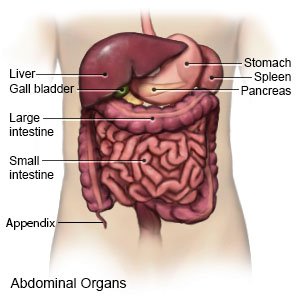
Hepatitis B is inflammation of the liver caused by hepatitis B virus (HBV) infection. The infection is called acute when a person first becomes infected. The infection becomes chronic when a person has symptoms for 6 months or longer. HBV infection can be prevented with 2 or 3 doses of the hepatitis B vaccine. You can get the vaccine as an adult if you did not get it as a child. Your healthcare provider can give you more information. He or she can tell you when to get the vaccine, and how many doses to get.
 |
How is HBV spread?
HBV spreads through contact with infected blood or body fluids, such as saliva. HBV can enter your body through a cut or scratch or through your mucus membranes. HBV can live on objects and surfaces for 7 days or longer. HBV can also spread from a mother to her baby during birth.
What increases my risk for hepatitis B?
- A stick from an infected needle, including for illegal drugs and for procedures such as tattooing
- An object with infected blood or body fluids on it touches your wound
- Unprotected sex with an infected person, sex with more than one partner, or you are a man who has sex with men
- Close contact with an infected person
- Travel to areas in the world where HBV is common
- Living or working in a long-term care facility or correctional facility
- Rarely, a blood, organ, or tissue transplant from an infected donor
What are the signs and symptoms of hepatitis B?
You may have no signs or symptoms and may not know you have been infected. Symptoms of an HBV infection can take 1 to 6 months to develop. You may have any of the following:
- Dark urine or pale bowel movements
- Fatigue and weakness
- Fever
- Loss of appetite, nausea, and vomiting
- Jaundice (yellow skin or eyes), itchy skin, or skin rash
- Joint pain and body aches
- Pain in the right upper side of your abdomen
How is hepatitis B diagnosed?
Your healthcare provider will ask about your signs and symptoms and any health problems you have. Tell him or her if you have other infections, such as HIV or hepatitis C. Tell him or her if you drink alcohol or use any illegal drugs. He or she may also ask about your sex partners. You may need any of the following tests:
- Blood tests are used to show if you are infected with HBV and to check liver function.
- An ultrasound may be done to check for signs of hepatitis B and to look for other liver problems.
- A liver biopsy is used to test a sample of your liver for swelling, scarring, and other damage. A liver biopsy may help healthcare providers learn if you need treatment.
How is hepatitis B treated?
Hepatitis B may last a short time and go away on its own without treatment. It may also become chronic, leading to liver damage and disease. If needed, the goal of treatment is to prevent the disease from getting worse and leading to more serious liver problems. Treatment may also help improve the function of your liver and decrease your symptoms. You may need any of the following:
- Medicines may be given to help fight HBV or keep it from spreading in your body.
- A plasma or platelet transfusion may be needed if your blood is not clotting as it should. Plasma and platelets are parts of your blood that help your blood clot. You will get the transfusion through an IV.
- A liver transplant is surgery to replace your diseased liver with a donor liver. You may need a liver transplant if you have severe liver disease or liver failure.
Treatment options
The following list of medications are related to or used in the treatment of this condition.
What can I do to manage hepatitis B?
- Do not drink alcohol. Alcohol can increase liver damage. Talk to your healthcare provider if you drink alcohol and need help to stop.
- Do not smoke. Nicotine can damage blood vessels and make it more difficult to manage hepatitis B. Smoking can also lead to more liver damage. Ask your healthcare provider for information if you currently smoke and need help to quit. E-cigarettes or smokeless tobacco still contain nicotine. Talk to your healthcare provider before you use these products.
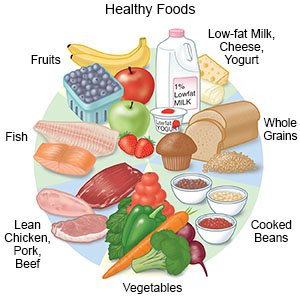
- Eat a variety of healthy foods. Healthy foods include fruits, vegetables, low-fat dairy products, beans, lean meats and fish, and whole-grain breads. Ask if you need to be on a special diet.
- Drink more liquids. Liquids help your liver function properly. Ask your healthcare provider how much liquid to drink each day and which liquids are best for you.
How can I prevent the spread of HBV?
- Cover any open cuts or scratches. If blood from a wound gets on a surface, clean the surface with bleach right away. Put on gloves before you clean. Throw away any items with blood or body fluids on them, as directed by your healthcare provider.
- Do not share personal items. These items include toothbrushes, nail clipper, and razors. Do not share needles.
- Tell your sex partners that you have hepatitis B. Use a condom during sex. Even if you have acute hepatitis B and your infection goes away, you can still spread the virus for up to 6 months.
- Protect your baby if you are pregnant. You will be checked for hepatitis B during each pregnancy. This is done even if you received the hepatitis B vaccine or were tested before. Your healthcare provider may recommend you get the hepatitis B vaccine if you never received it. The vaccine will help protect you from an HBV infection during pregnancy. You may need to have an HBV infection treated before you give birth. Your baby will need the hepatitis B vaccine at birth if you plan to breastfeed. Ask your healthcare provider for more information on how to protect your baby from HBV.
- Do not donate blood, organs, or tissues. Donations are screened for HBV, but it is best not to donate at all.
What can I do to prevent the spread of germs?
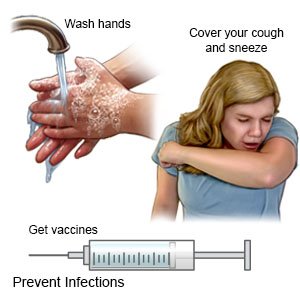 |
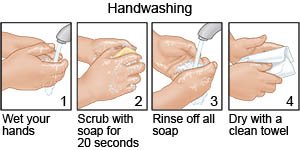
- Wash your hands often. Wash your hands several times each day. Wash after you use the bathroom, change a child's diaper, and before you prepare or eat food. Use soap and water every time. Rub your soapy hands together, lacing your fingers. Wash the front and back of your hands, and in between your fingers. Use the fingers of one hand to scrub under the fingernails of the other hand. Wash for at least 20 seconds. Rinse with warm, running water for several seconds. Then dry your hands with a clean towel or paper towel. Use hand sanitizer that contains alcohol if soap and water are not available. Do not touch your eyes, nose, or mouth without washing your hands first.
- Cover a sneeze or cough. Use a tissue that covers your mouth and nose. Throw the tissue away in a trash can right away. Use the bend of your arm if a tissue is not available. Wash your hands well with soap and water or use a hand sanitizer.
- Stay away from others while you are sick. Avoid crowds as much as possible.
- Ask about vaccines you may need. Talk to your healthcare provider about your vaccine history. He or she will tell you which vaccines you need, and when to get them.
- Get the influenza (flu) vaccine as soon as recommended each year. The flu vaccine is available starting in September or October. Flu viruses change, so it is important to get a flu vaccine every year.
- Get the pneumonia vaccine if recommended. This vaccine is usually recommended every 5 years. Your provider will tell you when to get this vaccine, if needed.
What are the risks of hepatitis B?
Even with treatment, hepatitis B can damage your liver. You may develop cirrhosis or portal hypertension (increased pressure in the vein that goes to your liver) or liver failure. If you need cancer treatment or take certain other medicines, hepatitis B may return or get worse. This includes medicines you take after an organ or bone marrow transplant or to treat HIV or autoimmune disorders. Liver disease may lead to increased pressure in your brain.
When should I seek immediate care?
- You have a sudden, severe headache and head pressure.
- You have new or increased bruising or red or purple dots on your skin.
- You have bleeding that does not stop easily.
- Your abdomen is swollen.
- You have severe nausea or cannot stop vomiting.
- You see blood in your urine or bowel movements, or you vomit blood.
- You have new or increased yellowing of your skin or the whites of your eyes.
- You have severe pain in your upper abdomen.
When should I call my doctor?
- The palms of your hands are red.
- You have a fever.
- You have new or increased swelling in your legs, ankles, or feet.
- Your muscles get smaller and weaker.
- You have questions or concerns about your condition or care.
Care Agreement
You have the right to help plan your care. Learn about your health condition and how it may be treated. Discuss treatment options with your healthcare providers to decide what care you want to receive. You always have the right to refuse treatment. The above information is an educational aid only. It is not intended as medical advice for individual conditions or treatments. Talk to your doctor, nurse or pharmacist before following any medical regimen to see if it is safe and effective for you.© Copyright Merative 2024 Information is for End User's use only and may not be sold, redistributed or otherwise used for commercial purposes.
Learn more about Hepatitis B
Treatment options
Care guides
Symptoms and treatments
Further information
Always consult your healthcare provider to ensure the information displayed on this page applies to your personal circumstances.
