
Toe Fracture
Medically reviewed by Drugs.com. Last updated on Sep 1, 2024.
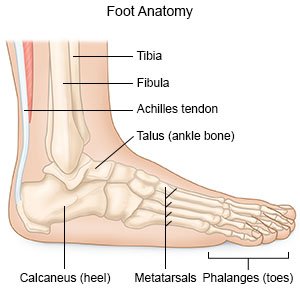
What is a toe fracture?
A toe fracture is a break in a bone in your toe.
 |
What are the signs and symptoms of a toe fracture?
- Pain, redness, swelling, or bruising
- Not being able to bend or move your toe
- Not being able to walk or put weight on your toe
- Toe is bent at an angle that is not normal
How is a toe fracture diagnosed?
Your healthcare provider will examine you and ask about your injury. You may need the following tests:
- An x-ray may show your toe fracture.
- A MRI may show a stress fracture or ligament damage. You may be given contrast liquid to help an injury show up better in pictures. Tell a healthcare provider if you have ever had an allergic reaction to contrast liquid. Do not enter the MRI room with anything metal. Metal can cause serious injury. Tell a healthcare provider if you have any metal in or on your body.
How is a toe fracture treated?
- Buddy tape, elastic bandage, or a splint may be used to support your toe in its correct position. Buddy tape means your broken toe and the toe next to it are taped together.
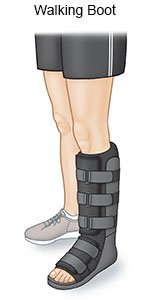
- A support device such as a cane, crutches, walking boot, or hard-soled shoe may be needed. These help protect your toe and limit movement so it can heal.
- Medicines may be given to prevent or treat pain or a bacterial infection.
- Closed reduction is used to move your bones back into place without surgery.
- Surgery may be needed if the bone is out of place or the toe joint is damaged. Wires, pins, or other hardware may be used to keep your bone in place while it heals.
How can I manage my symptoms?
- Rest your toe so that it can heal. Return to normal activities as directed.
- Apply ice on your toe for 15 to 20 minutes every hour or as directed. Use an ice pack, or put crushed ice in a plastic bag. Cover it with a towel before you put it on your toe. Ice helps prevent tissue damage and decreases swelling and pain.
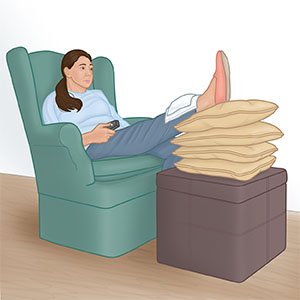
- Elevate your toe above the level of your heart as often as you can. This will help decrease swelling and pain. Prop your toe on pillows or blankets to keep it elevated comfortably.
When should I seek immediate care?
- Blood soaks through your bandage.
- You have severe pain in your toe.
- Your toe is cold or numb.
When should I call my doctor?
- You have a fever.
- Your pain does not go away, even after treatment.
- Your toe continues to hurt even after it has healed.
- You have questions or concerns about your condition or care.
Care Agreement
You have the right to help plan your care. Learn about your health condition and how it may be treated. Discuss treatment options with your healthcare providers to decide what care you want to receive. You always have the right to refuse treatment. The above information is an educational aid only. It is not intended as medical advice for individual conditions or treatments. Talk to your doctor, nurse or pharmacist before following any medical regimen to see if it is safe and effective for you.© Copyright Merative 2024 Information is for End User's use only and may not be sold, redistributed or otherwise used for commercial purposes.
Learn more about Toe Fracture
Care guides
Further information
Always consult your healthcare provider to ensure the information displayed on this page applies to your personal circumstances.