
Superficial Burn
Medically reviewed by Drugs.com. Last updated on Sep 1, 2024.
A superficial burn, or first-degree burn, is a burn that affects only the outer layer of skin. The skin may be red, dry, or tender. The area may swell or turn white when touched.
DISCHARGE INSTRUCTIONS:
Call your local emergency number (911 in the US) if:
- You have trouble breathing.
Return to the emergency department if:
- You have increased redness, numbness, or swelling in the burn area.
- You have red streaks or blisters spreading outward from the burn area.
- Your pain is not relieved, or is getting worse even after you take medicine.
Call your doctor if:
- You have a fever (100.4°F or 38°C).
- You have questions or concerns about your condition or care.
Medicines:
- NSAIDs , such as ibuprofen, help decrease swelling, pain, and fever. NSAIDs can cause stomach bleeding or kidney problems in certain people. If you take blood thinner medicine, always ask your healthcare provider if NSAIDs are safe for you. Always read the medicine label and follow directions.
- Acetaminophen decreases pain and fever. It is available without a doctor's order. Ask how much to take and how often to take it. Follow directions. Read the labels of all other medicines you are using to see if they also contain acetaminophen, or ask your doctor or pharmacist. Acetaminophen can cause liver damage if not taken correctly.
- Take your medicine as directed. Contact your healthcare provider if you think your medicine is not helping or if you have side effects. Tell your provider if you are allergic to any medicine. Keep a list of the medicines, vitamins, and herbs you take. Include the amounts, and when and why you take them. Bring the list or the pill bottles to follow-up visits. Carry your medicine list with you in case of an emergency.
First aid for a superficial burn:
A superficial burn usually heals in 5 to 7 days without scarring or blisters. Use the following first-aid guide to treat your burn:
- Remove clothing and jewelry from the burn area immediately.
- Flush liquid chemicals from your skin completely with large amounts of cool running water. Do not splash the chemicals into your eyes.
- Brush dry chemicals off your skin if large amounts of water are not available. Small amounts of water will activate some chemicals and cause more damage.
- Run cool or cold water over the burned area for 10 minutes. A cold or cool compress can also be put on the burn. Do not use ice or ice water on the affected area. Ice may cause more skin damage.
- Soothe the skin with an antibacterial ointment or skin cream, such as aloe vera cream. Do not use butter, petroleum jelly, or other home remedies.
- Do not put a bandage on the burn until you are told to do so by your healthcare provider.
Treatment options
The following list of medications are related to or used in the treatment of this condition.
Prevent superficial burns:
- Do not leave cups, mugs, or bowls containing hot liquids at the edge of a table. Keep pot handles turned away from the stove front.
- Do not leave a lit cigarette. Make sure it is no longer lit. Then dispose of it safely.
- Store dangerous items out of the reach of children. Store cigarette lighters, matches, and chemicals where children cannot reach them. Use child safety latches on the door of the safe storage area.
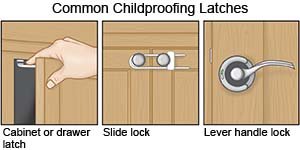
- Keep your water heater setting to low or medium (90°F to 120°F, or 32°C to 48°C).
- Wear sunscreen that has a sun protectant factor (SPF) of 15 or higher. The sunscreen should also have ultraviolet A (UVA) and ultraviolet B (UVB) protection. Follow the directions on the label when you use sunscreen. Put on more sunscreen if you are in the sun for more than an hour. Reapply sunscreen often if you go swimming or are sweating.
Follow up with your doctor as directed:
Write down your questions so you remember to ask them during your visits.
© Copyright Merative 2024 Information is for End User's use only and may not be sold, redistributed or otherwise used for commercial purposes.
The above information is an educational aid only. It is not intended as medical advice for individual conditions or treatments. Talk to your doctor, nurse or pharmacist before following any medical regimen to see if it is safe and effective for you.
Learn more about Superficial Burn
Treatment options
Care guides
Further information
Always consult your healthcare provider to ensure the information displayed on this page applies to your personal circumstances.