
Stye
Medically reviewed by Drugs.com. Last updated on Sep 1, 2024.
What is a stye?
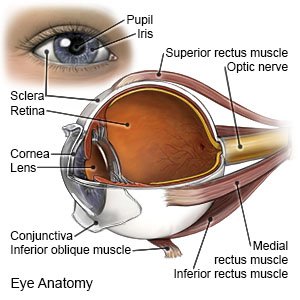
A stye is a lump on the edge or inside of your upper or lower eyelid. A stye usually starts to get better within 1 week and is often gone within 2 weeks.
 |
What causes a stye?
A stye forms when bacteria causes inflammation and infection of a skin gland or follicle. A follicle is the place at the edge of the eyelid where the eyelash comes out. Styes form more often in children and in people who have an eye problem called blepharitis (eyelid inflammation).
What are the signs and symptoms of a stye?
- Warmth, redness, and swelling along your eyelid
- A painful, pus-filled lump on your eyelid
- A gritty feeling in your eye
- Tearing more than usual
How is a stye diagnosed and treated?
Your healthcare provider will examine your eyelid. Tell your provider about your symptoms and when you first noticed the lump. Antibiotics may be needed to treat the stye. This medicine is given as an ointment to put into your eye.
How do I manage a stye?
- Use warm compresses, as directed. This will help decrease swelling and pain. Wet a clean washcloth with warm water and place it on your eye for 10 to 15 minutes, 3 to 4 times each day, or as directed.
- Keep your hands away from your eye. This helps to prevent the spread of infection to other parts of the eye. Wash your hands often with soap and dry with a clean towel. Do not squeeze the stye.
- Do not wear eye makeup while you have a stye. Eye makeup may carry bacteria and cause another stye. Throw away eye makeup and brushes used to apply the makeup. Use new eye makeup after the stye has gone away. Do not share eye makeup with others.
Treatment options
The following list of medications are related to or used in the treatment of this condition.
What can I do to prevent another stye?
Wash your face and clean your eyelashes every day. Remove eye makeup with makeup remover. This helps to completely remove eye makeup without heavy rubbing.
When should I call my doctor?
- You have redness and discharge around your eye, and your eye pain is getting worse.
- Your vision changes.
- The stye has not gone away within 2 weeks.
- You have questions or concerns about your condition or care.
Care Agreement
You have the right to help plan your care. Learn about your health condition and how it may be treated. Discuss treatment options with your healthcare providers to decide what care you want to receive. You always have the right to refuse treatment. The above information is an educational aid only. It is not intended as medical advice for individual conditions or treatments. Talk to your doctor, nurse or pharmacist before following any medical regimen to see if it is safe and effective for you.© Copyright Merative 2024 Information is for End User's use only and may not be sold, redistributed or otherwise used for commercial purposes.
Learn more about Stye
Treatment options
Further information
Always consult your healthcare provider to ensure the information displayed on this page applies to your personal circumstances.