
Sleep Apnea
Medically reviewed by Drugs.com. Last updated on Sep 1, 2024.
What is sleep apnea?
Sleep apnea is a condition that causes you to stop breathing for seconds or minutes at a time. This can happen many times during the night.
What are the types of sleep apnea?
- Obstructive sleep apnea (OSA) is the most common kind. The muscles and tissues around your throat relax and block air from passing through. Obesity, use of alcohol or cigarettes, or a family history are common causes. OSA may increase your risk for complications after surgery.
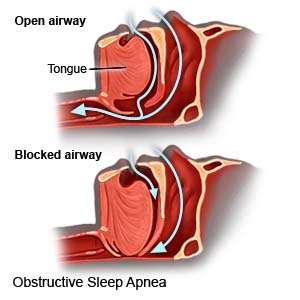
- Central sleep apnea (CSA) means your brain does not send signals to the muscles that control breathing. You do not take a breath even though your airway is open. Common causes include medical conditions such as heart failure, being older than 40, or use of opioids.
- Complex (or mixed) sleep apnea means you have both obstructive and central sleep apnea.
What are the signs and symptoms of sleep apnea?
- Loud snoring or long pauses in breathing
- Feeling sleepy, slow, and tired during the day
- Snorting, gasping, or choking while you sleep, and waking up suddenly because of these
- Feeling irritable during the day
- Dry mouth or a headache in the mornings
- Heavy night sweating
- A hard time thinking, remembering things, or focusing on your tasks the following day
How is sleep apnea diagnosed?
Your healthcare provider will ask about your signs and symptoms. Tell your provider about your medical history and what medicines you take. Your provider may ask if you smoke or if anyone in your family has sleep apnea. Your provider may ask the person who sleeps beside you about your signs. You may need any of the following:
- A home sleep test measures your heart rate, blood oxygen level, and breathing patterns. You wear a device on your finger while you sleep.
- A sleep study at a facility may be needed. Your blood oxygen levels, movements, and heart, lung, and brain activity are monitored.
How is sleep apnea treated?
Treatment depends on the kind of apnea you have:
- A mouth device may be needed if you have mild sleep apnea. These are designed to keep your throat open. Ask your dentist or healthcare provider about the best mouth device for you.
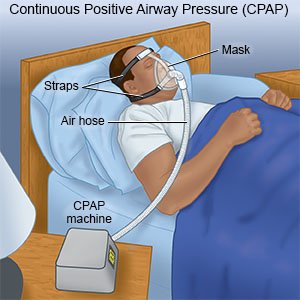
- A machine may be used to help you get more air during sleep. A mask may be placed over your nose and mouth, or just your nose. The mask is hooked to the machine. You will get air through the mask.
- A continuous positive airway pressure (CPAP) machine is used to keep your airway open during sleep. The machine blows a gentle stream of air into the mask when you breathe. This helps keep your airway open so you can breathe more regularly. Extra oxygen may be given through the machine.
- A bilevel positive airway pressure (BiPAP) machine gives air but lowers the pressure when you breathe out.
- An adaptive servo-ventilator (ASV) is a machine that learns your usual breathing pattern. Then, it uses pressure to give you air and prevent stops in your breathing.
- A continuous positive airway pressure (CPAP) machine is used to keep your airway open during sleep. The machine blows a gentle stream of air into the mask when you breathe. This helps keep your airway open so you can breathe more regularly. Extra oxygen may be given through the machine.
- Surgery to expand your airway or remove extra tissues may be needed. Surgery is usually only considered if other treatments do not work.
How can I manage or prevent sleep apnea?
- Reach and maintain a healthy weight. Ask your healthcare provider what a healthy weight is for you. Ask your provider to help you create a safe weight loss plan if you are overweight. Even a small goal of a 10% weight loss can improve your symptoms.
- Do not smoke. Nicotine and other chemicals in cigarettes and cigars can cause lung damage. Ask your healthcare provider for information if you currently smoke and need help to quit. E-cigarettes or smokeless tobacco still contain nicotine. Talk to your healthcare provider before you use these products.
- Do not drink alcohol or take sedative medicine before you go to sleep. Alcohol and sedatives can relax the muscles and tissues around your throat. This can block the airflow to your lungs.
- Sleep on your side or use pillows designed to prevent sleep apnea. This prevents your tongue or other tissues from blocking your throat. You can also raise the head of your bed.
Call your local emergency number (911 in the US) if:
- You have chest pain or trouble breathing.
When should I call my doctor?
- You have new or worsening signs or symptoms.
- You have questions or concerns about your condition or care.
Care Agreement
You have the right to help plan your care. Learn about your health condition and how it may be treated. Discuss treatment options with your healthcare providers to decide what care you want to receive. You always have the right to refuse treatment. The above information is an educational aid only. It is not intended as medical advice for individual conditions or treatments. Talk to your doctor, nurse or pharmacist before following any medical regimen to see if it is safe and effective for you.© Copyright Merative 2024 Information is for End User's use only and may not be sold, redistributed or otherwise used for commercial purposes.
Learn more about Sleep Apnea
Treatment options
Care guides
Symptoms and treatments
Further information
Always consult your healthcare provider to ensure the information displayed on this page applies to your personal circumstances.