
Sarcoidosis
Medically reviewed by Drugs.com. Last updated on Sep 1, 2024.
Sarcoidosis is a condition that causes inflammatory cells to collect in tissues and organs. These cells form granulomas (lumps). Any organ can be affected, but the lungs are the most common.
DISCHARGE INSTRUCTIONS:
Call your local emergency number (911 in the US) if:
- You cannot feel your arms or legs, or they become weak.
- You have seizures.
- You have sudden trouble breathing.
- You have severe chest pain.
Return to the emergency department if:
- You have trouble thinking and remembering things.
Call your doctor or specialist if:
- You have a fever.
- You have a severe headache and pain in your neck.
- You have chills, a cough, or feel weak and achy.
- You have pain, redness, and swelling in your muscles and joints.
- Your skin is itchy, swollen, or has a rash.
- You have questions or concerns about your condition or care.
Medicines:
You may need any of the following:
- Steroids help slow your immune system and reduce the symptoms of sarcoidosis.
- Cytotoxic medicines decrease redness, pain, and swelling, and help slow your immune system.
- NSAIDs help decrease swelling and pain or fever. This medicine is available with or without a doctor's order. NSAIDs can cause stomach bleeding or kidney problems in certain people. If you take blood thinner medicine, always ask your healthcare provider if NSAIDs are safe for you. Always read the medicine label and follow directions.
- Acetaminophen decreases pain and fever. It is available without a doctor's order. Ask how much to take and how often to take it. Follow directions. Read the labels of all other medicines you are using to see if they also contain acetaminophen, or ask your doctor or pharmacist. Acetaminophen can cause liver damage if not taken correctly.
- Anti-arrhythmics help your heart beat properly.
- Take your medicine as directed. Contact your healthcare provider if you think your medicine is not helping or if you have side effects. Tell your provider if you are allergic to any medicine. Keep a list of the medicines, vitamins, and herbs you take. Include the amounts, and when and why you take them. Bring the list or the pill bottles to follow-up visits. Carry your medicine list with you in case of an emergency.
Treatment options
The following list of medications are related to or used in the treatment of this condition.
Self-care:
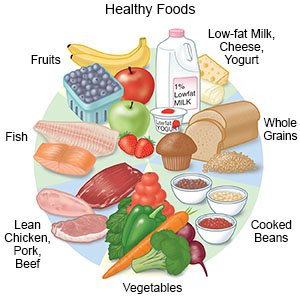
- Eat a variety of healthy foods. Healthy foods include fruits, vegetables, whole-grain breads, low-fat dairy products, beans, lean meats, and fish. Ask if you need to be on a special diet.
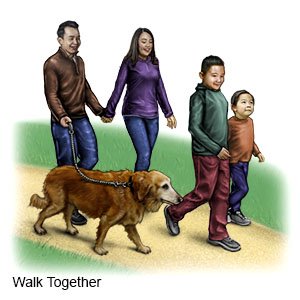
- Be physically active, as directed. Ask your healthcare provider about the best physical activity plan for you. Physical activity may help decrease fatigue and improve your symptoms.
- Do not smoke. Nicotine and other chemicals in cigarettes and cigars can cause blood vessel and lung damage. Ask your provider for information if you currently smoke and need help to quit. E-cigarettes and smokeless tobacco still contain nicotine. Talk to your provider before you use these products.
Follow up with your doctor or specialist as directed:
You may need to return to have regular checkups and eye exams. Write down your questions so you remember to ask them during your visits.
© Copyright Merative 2024 Information is for End User's use only and may not be sold, redistributed or otherwise used for commercial purposes.
The above information is an educational aid only. It is not intended as medical advice for individual conditions or treatments. Talk to your doctor, nurse or pharmacist before following any medical regimen to see if it is safe and effective for you.
Learn more about Sarcoidosis
Treatment options
Care guides
Symptoms and treatments
Further information
Always consult your healthcare provider to ensure the information displayed on this page applies to your personal circumstances.