
PTSD (Post Traumatic Stress Disorder)
Medically reviewed by Drugs.com. Last updated on Sep 1, 2024.
PTSD is a mental health condition that is triggered by a traumatic situation or event. You may have seen the situation or event, or experienced it. You may continue to feel sad or helpless after the event. You may feel anxious or scared, even when you are not in danger. These feelings can affect your daily activities and relationships.
DISCHARGE INSTRUCTIONS:
Call your local emergency number (911 in the US), or ask someone to call if:
- You do something on purpose to hurt yourself.
- You have thoughts of or make a plan to attempt suicide.
Call your doctor or therapist, or have someone close to you call if:
- You continue to have symptoms for more than 1 month.
- Your symptoms become severe.
- You cannot sleep or are sleeping too much.
- You have questions or concerns about your condition or care.
Medicines:
- Medicines may decrease anxiety or depression, or help you stay calm and relaxed. Some medicines may help you sleep or decrease nightmares.
- Take your medicine as directed. Contact your healthcare provider if you think your medicine is not helping or if you have side effects. Tell your provider if you are allergic to any medicine. Keep a list of the medicines, vitamins, and herbs you take. Include the amounts, and when and why you take them. Bring the list or the pill bottles to follow-up visits. Carry your medicine list with you in case of an emergency.
Treatment
may also include any of the following:
- Therapy may be done in a group or one on one with a therapist. Family and friends are also an important part of recovery.
- Cognitive behavior therapy can help you learn to face the traumatic situation or event slowly and carefully. A therapist can help you learn to control your mental and physical reaction. The therapist may also teach you ways to relax muscles or do slow breathing when you feel anxious.
- Cognitive processing therapy can help you identify how the trauma changed your thoughts and feelings. A therapist will help you see the event differently. This may help change how you feel and decrease your anxiety.
- Exposure therapy , or prolonged exposure, gradually exposes you to the trauma in a safe way. A therapist will help you write, imagine, or visit the place where the event happened. This can help you learn how to handle your thoughts and feelings.
- Eye movement desensitization and reprocessing (EMDR) is a type of exposure therapy. Providers help you focus on sounds, or hand or eye movements. This helps your brain process the difficult memories.
- Transcranial magnetic stimulation (TMS) is a procedure used to stimulate a specific part of the brain with pulses from a magnet. You may need TMS in combination with medicines and therapy.
Treatment options
The following list of medications are related to or used in the treatment of this condition.
Positive things you can do for yourself:
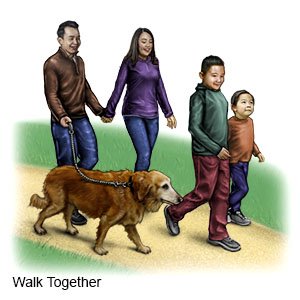
- Exercise as directed. Exercise can lift your mood, give you more energy, and make it easier to sleep.
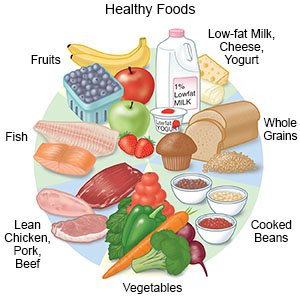
- Eat a variety of healthy foods. Healthy foods include fruits, vegetables, whole-grain breads, lean meats, fish, low-fat dairy products, and beans. Try to eat regularly even if you do not feel hungry. Depression can increase from a lack of nutrition or if you are hungry for long periods of time.
- Create a sleep routine. Try to go to bed and wake up at the same time every day. Let your healthcare provider know if you are having trouble sleeping.
Find support and more information:
- 988 Suicide and Crisis Lifeline
PO Box 2345
Rockville , MD 20847-2345
Phone: 1- 800 - 988
Web Address: http://www.suicidepreventionlifeline.org OR https://988lifeline.org/chat/
- Suicide Awareness Voices of Education
8120 Penn Ave. S., Ste. 470
Bloomington , Minnesota 55431
Phone: 1- 952 - 946-7998
Web Address: http://www.save.org or https://save.org/find-help/international-resources/
Follow up with your doctor or therapist as directed:
Write down your questions so you remember to ask them during your visits.
© Copyright Merative 2024 Information is for End User's use only and may not be sold, redistributed or otherwise used for commercial purposes.
The above information is an educational aid only. It is not intended as medical advice for individual conditions or treatments. Talk to your doctor, nurse or pharmacist before following any medical regimen to see if it is safe and effective for you.
Learn more about PTSD
Treatment options
Care guides
Medicine.com guides (external)
Further information
Always consult your healthcare provider to ensure the information displayed on this page applies to your personal circumstances.