
Patellofemoral Pain Syndrome
Medically reviewed by Drugs.com. Last updated on Jun 30, 2025.
Patellofemoral pain syndrome (PFPS) is pain in or around your patella (kneecap). PFPS is also called runner's knee or jumper's knee and is common in athletes. Rest, ice, and elevate your knee. You may need tape or brace to support your kneecap. Wear shoe inserts as directed and go to physical therapy.
DISCHARGE INSTRUCTIONS:
Call your doctor if:
- You have trouble walking.
- You have a fever.
- Your knee brace or sleeve is too tight.
- Your symptoms are not getting better, or they get worse.
- Your pain and swelling increase even after you take pain medicine.
- You have questions or concerns about your condition or care.
Manage your symptoms:
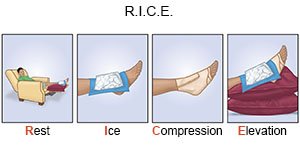 |
- Change your activity. You may need to rest your knee. You may need to change your exercise routine to low-impact activities.
- Apply ice on your knee for 15 to 20 minutes every hour or as directed. Use an ice pack, or put crushed ice in a plastic bag. Cover it with a towel before you apply it. Ice helps prevent tissue damage and decreases swelling and pain.
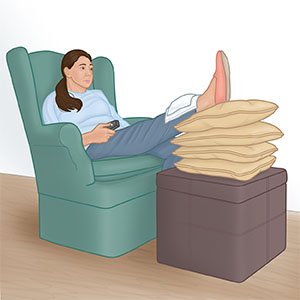
- Elevate your knee above the level of your heart as often as you can. This will help decrease swelling and pain. Prop your leg on pillows or blankets to keep it elevated comfortably. Do not put a pillow directly under your knee.
- Support your knee by wrapping it with tape or an elastic bandage. You may need a brace for more support. This will help decrease swelling and keep your kneecap in the correct spot.
- Wear shoe inserts as directed. Orthotics or arch supports help keep your foot and ankle stable and in line to decrease stress on your knee.
- Go to physical therapy as directed. A physical therapist will teach you exercises to help improve movement and strength, and to decrease pain.
- Maintain a healthy weight. Ask your healthcare provider what a healthy weight is for you. Ask him or her to help you create a weight loss plan if you are overweight. Weight loss can help decrease pressure on your knee.
Medicines:
You may need the following:
- Acetaminophen decreases pain and fever. It is available without a doctor's order. Ask how much to take and how often to take it. Follow directions. Read the labels of all other medicines you are using to see if they also contain acetaminophen, or ask your doctor or pharmacist. Acetaminophen can cause liver damage if not taken correctly.
- NSAIDs , such as ibuprofen, help decrease swelling, pain, and fever. This medicine is available with or without a doctor's order. NSAIDs can cause stomach bleeding or kidney problems in certain people. If you take blood thinner medicine, always ask your healthcare provider if NSAIDs are safe for you. Always read the medicine label and follow directions.
- Take your medicine as directed. Contact your healthcare provider if you think your medicine is not helping or if you have side effects. Tell your provider if you are allergic to any medicine. Keep a list of the medicines, vitamins, and herbs you take. Include the amounts, and when and why you take them. Bring the list or the pill bottles to follow-up visits. Carry your medicine list with you in case of an emergency.
Prevent another episode:
- Wear the right shoes for your activities. Increase activity gradually.
- Warm up before you exercise. Stretch your leg muscles before and after activity.
Follow up with your doctor as directed:
You may be referred to an orthopedic surgeon. Write down your questions so you remember to ask them during your visits.
© Copyright Merative 2025 Information is for End User's use only and may not be sold, redistributed or otherwise used for commercial purposes.
The above information is an educational aid only. It is not intended as medical advice for individual conditions or treatments. Talk to your doctor, nurse or pharmacist before following any medical regimen to see if it is safe and effective for you.
Further information
Always consult your healthcare provider to ensure the information displayed on this page applies to your personal circumstances.