Narcolepsy
WHAT YOU SHOULD KNOW:
Narcolepsy (Discharge Care) Care Guide
- Narcolepsy
- Narcolepsy Discharge Care
- En Espanol
Narcolepsy (NAHR-koh-lep-see) is a sleep disorder where you do not get enough REM sleep. REM (rapid eye movement) sleep is the stage of sleep where you dream. Not getting enough REM sleep at night causes you to be sleepy during the day. You may have no control over when you fall asleep. You may not sleep well at night, and do not get enough sleep in a 24-hour period. Narcolepsy may cause you to have relationship problems and problems at work. Narcolepsy can affect how you feel about yourself and your life. It may cause depression (feeling sad most or all of the time). Narcolepsy is a life-long condition, but most people can live a near-normal life with treatment and support.
AFTER YOU LEAVE:
Medicines:
- Keep a current list of your medicines: Include the amounts, and when, how, and why you take them. Take the list or the pill bottles to follow-up visits. Carry your medicine list with you in case of an emergency. Throw away old medicine lists. Use vitamins, herbs, or food supplements only as directed.
- Psychostimulants (seye-koh-STIM-u-lants): This is medicine to help keep you awake during the day. It may cause you to feel more excited, restless, or less hungry than usual.
- Antidepressants (an-tee-dee-PRES-ants): This medicine may be given if narcolepsy causes you to feel depressed. It may help your other medicines work better. It may take some time before you start to feel better while using this medicine.
- Do not drink alcohol while taking medicine for narcolepsy.
Medicine monitoring:
Each time you meet with your caregivers, they will ask you about how you are feeling. Caregivers watch how you respond to your medicines. Tell caregivers about side effects or problems you may be having with your medicine. The amount or type of medicine you take might have to be changed. The goal is for you to feel better with the least amount of side effects. Most people with narcolepsy need to take medicine for life. You may need blood tests once you start taking medicine for your symptoms. These tests are used to check how much medicine is in your blood. Caregivers use the results of these tests to decide how much medicine is right for you. You may need to have these blood tests more than once.
Treatment options:
- Daily naps: Taking naps can help control your narcolepsy. If you can, take several short (20 to 40 minutes) naps every day. Nap at the same time every day. Sometimes one long nap in the afternoon may also help you.
- Sleep hygiene: Sleep hygiene trains your body to sleep well at night. This may help you feel less sleepy during the day. If your caregiver wants you to try sleep hygiene, try the following:
- Avoid drinking fluids that contain alcohol or caffeine, and avoid nicotine (smoking) in the late afternoon or evening. Caffeine can be found in some coffee, tea, soda, and sports drinks and foods.
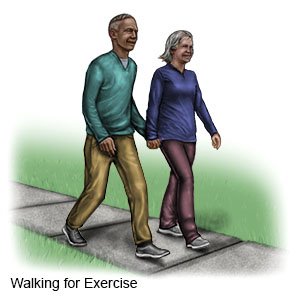
- Get some exercise every day, in bright sunlight if possible. Complete your exercise at least three hours before you go to bed.
- Use your bed for relaxing activities. Try not to eat, read, work, or watch television in bed. Keep bedroom and bathroom lights dim. Set the temperature in your bedroom to be cool while you sleep.
- Go to bed at the same time, and get up at the same time every day.
- Get a good amount of sleep every night. Most people need six to eight hours. Ask your caregiver how many hours you need, and make a plan to get them.
- Avoid drinking fluids that contain alcohol or caffeine, and avoid nicotine (smoking) in the late afternoon or evening. Caffeine can be found in some coffee, tea, soda, and sports drinks and foods.
Ask for information about where and when to go for follow-up visits:
For continuing care, treatments, or home services, ask for more information.
Where can I go for support?
Accepting that you have narcolepsy is hard. You and those close to you may feel angry, sad, or frightened. These are normal feelings. Talk to your caregivers, family, and friends about your feelings. Write down questions you have about narcolepsy and how it is treated. This way you will be able to ask them during your next visit to the caregiver. Your family may also want to join a support group. This is a group of people who have relatives with narcolepsy. Ask your caregiver for the names and numbers of support groups in your town. Ask your health care provider if they know about books that you can read. Reading about your illness might help you better understand it. You can also call or write one of the following national organizations for more information:
- National Sleep Foundation
1522 K Street NW, Suite 500
Washington , DC 20005
Phone: 1- 202 - 347-347
Web Address: http://www.sleepfoundation.org
- Narcolepsy Network
PO Box 294
Pleasantville , NY 10570
Phone: 1- 401 - 667-2523
Phone: 1- 888 - 292-6522
Web Address: http://www.narcolepsynetwork.org
- MedicAlert Foundation
2323 Colorado Avenue
Turlock , CA 95382
Phone: 1- 888 - 633-4298
Web Address: http://www.medicalert.org
Wellness hints:
- Eat a variety of healthy foods including fruits, vegetables, breads, dairy products, meat and fish. Eating healthy foods may help you feel better and have more energy. Ask your caregiver if you need to be on a special diet.
- Drink six to eight (8 ounce) cups of healthy liquids each day. Follow your caregiver's advice if you must change the amount of liquid you drink. Good liquids for most people to drink are water, juices, and milk. Limit the amount of caffeine you drink.
- Do not drink alcohol while taking medicine for narcolepsy. Alcohol can make you feel worried and upset. It can also upset your sleep cycle so you feel more tired. Do not take any street or illegal drugs. Both alcohol and illegal drugs can affect the way your medicine works and can make your illness worse.
- Talk to your caregiver before you start exercising. Together you can plan the best exercise program for you. It is best to start slowly and do more as you get stronger. Exercising makes the heart stronger, lowers blood pressure, and keeps you healthy. Exercise also helps you to feel better about yourself and others.
- Stop smoking. It is never too late to quit smoking if you smoke. Smoking harms the heart, lungs, and the blood. You are more likely to have a heart attack, lung disease, and cancer if you smoke. You will help yourself and those around you by not smoking. Ask your caregiver for more information about how to stop smoking if you are having trouble quitting.
- Stress may slow healing and cause illness later. Since it is hard to avoid stress, learn to control it. Learn new ways to relax (deep breathing, relaxing muscles, meditation, or biofeedback). Talk to your caregiver about things that upset you.
CONTACT A CAREGIVER IF:
- You have questions or concerns about narcolepsy or your medicine.
- You feel that you are symptoms are getting worse. The sooner you see your caregiver, the easier it is to control your symptoms.
- You are not able to sleep well at night even with treatment.
- You cannot eat, or are eating more than usual.
- You cannot make it to your next appointment with your caregiver.
SEEK CARE IMMEDIATELY IF:
- You think about committing suicide (killing yourself).
- You have very bad side effects, such as rash, swelling, or trouble breathing after taking medicine.
Copyright © 2011. Thomson Reuters. All rights reserved. Information is for End User's use only and may not be sold, redistributed or otherwise used for commercial purposes.
The above information is an educational aid only. It is not intended as medical advice for individual conditions or treatments. Talk to your doctor, nurse or pharmacist before following any medical regimen to see if it is safe and effective for you.
Learn more about Narcolepsy (Discharge Care)
Drugs associated with:
Micromedex Care Notes:
Related encyclopedia articles:
Symptoms and treatment for: