
MRSA (Methicillin-Resistant Staphylococcus Aureus)
Medically reviewed by Drugs.com. Last updated on Sep 1, 2024.
What is MRSA?
MRSA (methicillin-resistant Staphylococcus aureus) is a strain of staph bacteria that can cause infection. Usually, antibiotics are used to kill bacteria. MRSA bacteria are resistant to the common antibiotics used to treat Staph infections. This makes MRSA hard to treat. MRSA most commonly causes a skin or soft tissue infection. Bacteria may get into your skin or soft tissue through a cut, sore, or incision. MRSA may spread to your blood, lungs, heart, and bone.
What increases my risk for MRSA?
- Touching the infected skin of someone who has MRSA
- Living in the same household as someone with MRSA
- History of MRSA infection
- Use of personal items such as towels, razors, or clothes of someone with MRSA
- Touching items such as doorknobs that have MRSA bacteria on it
- Being in crowded places where germs can be spread such as hospitals, daycare facilities, or locker rooms
- Taking antibiotics frequently, stopping antibiotics, or missing doses of antibiotics
What else do I need to know about MRSA infections?
You can have an active MRSA infection or you can be a carrier of MRSA bacteria and not have symptoms.
- Active MRSA infection on your skin makes you contagious. This means your infection can spread to another person. MRSA spreads if the person or pet touches something that comes in contact with your infection. For example, MRSA can be transferred on towels, wash cloths, and clothes.
- As a carrier of MRSA bacteria, you can spread the bacteria through your skin and your nose. Bathe daily and wash your hands frequently. Cover your mouth and nose when you sneeze and cough. These actions help to keep from spreading the bacteria to others.
What are the signs and symptoms of MRSA skin infection?
- Skin sores
- Bumps on your skin that are red and painful
- A cut or incision that is red, swollen, and filled with pus
- Fluid-filled blisters
- Fever
How is MRSA diagnosed?
Your healthcare provider will ask you about recent antibiotic use and other possible risks. Tell your provider when your symptoms started. Also tell your provider if anyone close to you has had an infection. You may need any of the following:
- A wound culture may show MRSA bacteria. Your provider will swab your wound. The swab will be sent to a lab to be tested. Your provider may need to make an incision and drain your wound or abscess to get a sample.
- Blood and urine tests may show if MRSA bacteria are inside of your body.
How is MRSA treated?
Some MRSA infections of the skin can be treated at home. Other MRSA infections need to be treated in the hospital. Treatment can help prevent the spread of MRSA infection to other parts of your body. Treatments may include any of the following:
- Antibiotics may help treat the bacterial infection. Take all of your antibiotics until they are finished.
- Incision and drainage of a wound, a sore or an abscess may be needed. A provider will open and drain infected fluid and pus. This helps remove bacteria from your wound so it can heal.
Treatment options
The following list of medications are related to or used in the treatment of this condition.
How can I prevent the spread of active MRSA infection?
Do the following if you have an active MRSA infection:
- Wash your hands often. Wash your hands several times each day. Wash after you use the bathroom, change a child's diaper, and before you prepare or eat food. Use soap and water every time. Rub your soapy hands together, lacing your fingers. Wash the front and back of your hands, and in between your fingers. Use the fingers of one hand to scrub under the fingernails of the other hand. Wash for at least 20 seconds. Rinse with warm, running water for several seconds. Then dry your hands with a clean towel or paper towel. Use hand sanitizer that contains alcohol if soap and water are not available. Do not touch your eyes, nose, or mouth without washing your hands first.
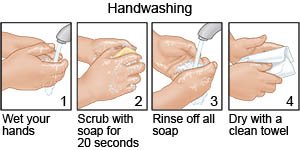
- Do not touch sores. Do not poke or squeeze sores. This can make the infection go deeper into your tissue.
- Cover infected sores with a bandage. Make sure the sore is completely covered during activities that may cause skin to skin contact with another person. Examples include sports such as wrestling or football. Put an extra bandage on a sore that is draining fluid. This helps keep infected drainage off surfaces that others can touch.
- Do not share personal items with others. This includes washcloths, towels, uniforms, clothes, and razors.
- Do not use public pools, hot tubs, or therapy pools until your infection has healed. Your infected sore can spread the infection to another person through the water.
- Tell all healthcare providers that you have a MRSA infection. If you are admitted to the hospital, you may be placed in a private room. Healthcare providers will wear gowns and gloves when they come into your room. They will also wash their hands often and clean your room well. Your visitors may also be asked to wear a gown and gloves. All of these practices help prevent the spread of MRSA to healthcare providers and other patients.
What do I need to know about MRSA in my home?
MRSA can stay on surfaces for weeks. It is important to keep others safe by doing the following:
- Clean surfaces often. Use a disinfecting wipe, a single-use sponge, or a cloth you can wash and reuse. Use disinfecting cleaners if you do not have wipes. You can create a disinfecting cleaner by mixing 1 part bleach with 10 parts water. In the kitchen, clean countertops, cooking surfaces, and the fronts and insides of the microwave and refrigerator. In the bathroom, clean the toilet, the area around the toilet, the sink, the area around the sink, and faucets. Clean surfaces in the person's room, such as a desk or dresser.
- Wash dishes and silverware in a dishwasher or in hot water. Do not share unwashed dishes or silverware with anyone.
- Wash used sheets, towels, and clothes with water and laundry detergent. Put dirty laundry in the washer immediately. Put it in a plastic bag if you are not able to wash it immediately. You do no need to wash this laundry separately from other laundry. Use the warmest water possible for the type of clothing. Wash your hands after you touch dirty laundry and before you handle clean laundry. Dry laundry completely in a warm or hot dryer.
When should I seek immediate care?
- You develop new symptoms such as a cough or fever during or after treatment for MRSA infection.
When should I call my doctor ?
- Your symptoms do not get better within 2 days of treatment, or they get worse.
- Your symptoms return after treatment.
- You have questions and concerns about your condition or care.
Care Agreement
You have the right to help plan your care. Learn about your health condition and how it may be treated. Discuss treatment options with your healthcare providers to decide what care you want to receive. You always have the right to refuse treatment. The above information is an educational aid only. It is not intended as medical advice for individual conditions or treatments. Talk to your doctor, nurse or pharmacist before following any medical regimen to see if it is safe and effective for you.© Copyright Merative 2024 Information is for End User's use only and may not be sold, redistributed or otherwise used for commercial purposes.
Learn more about MRSA
Treatment options
Care guides
Further information
Always consult your healthcare provider to ensure the information displayed on this page applies to your personal circumstances.