
Managing Diabetes during Sick Days
Medically reviewed by Drugs.com. Last updated on Aug 4, 2025.
What is sick day management?
Sick day management is a plan to control your blood sugar levels while you are sick. You develop this plan with your diabetes care team.
Why do I need a sick day plan?
Your blood sugar levels can increase because of stress from illness, surgery, or injury. Your plan will help prevent high blood sugar and other serious health conditions, such as the following:
- Diabetic ketoacidosis (DKA) is a condition that forces your body to use fat instead of sugar for fuel. DKA happens when your body does not have enough insulin and your blood sugar gets very high. As fats are broken down, they leave chemicals called ketones that build up in your blood. Ketones are dangerous at high levels. DKA usually happens to people with type 1 diabetes. DKA can lead to coma, and can be life-threatening if not treated.
- Hyperosmolar hyperglycemic syndrome (HHS) is a condition that causes your body to get rid of extra sugar through your urine. This leads to severe dehydration. HHS happens to people with type 2 diabetes, especially older people. HHS can be life-threatening.
What are some things I should do when I am sick?
- Continue to take your medicines as directed. Your healthcare provider will tell you if you need to make any changes. If you do not usually use insulin, you may need it when you are sick. If you already use insulin, you may need more. Talk to your provider before you take any over-the-counter medicine.
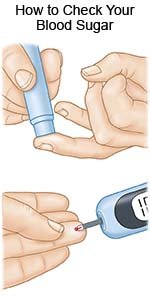
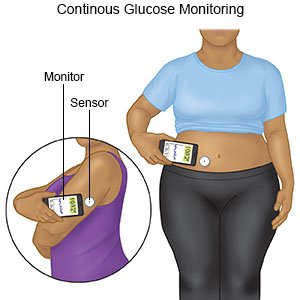
- Check your blood sugar more often than usual. Use a glucose test machine to check a drop of blood. If you have type 2 diabetes, check at least 4 times each day. If you have type 1 diabetes, check every 4 hours. Your provider may recommend a continuous glucose monitor (CGM). A CGM is a device that is worn at all times. The CGM checks your blood sugar every 5 minutes. It sends results to an electronic device such as a smart phone.
- Check your urine or blood for ketones if you use insulin and as directed. Ask your provider which type of ketone test is best for you. Ketone urine test kits are sold in pharmacies and some stores. You can also buy a meter to check the amount of ketones in your blood. Ask when and how often to check for ketones.
- Tell others who help you while you are sick about your sick day plan. Keep it in a place that is easy to find. Your plan may change over time based on your needs.
- Drink liquids as directed. You may need to drink about 8 ounces (1 cup) of liquid each hour. Drink liquids that do not contain sugar or caffeine. Ask your provider which liquids are best for you.
- Follow your usual meal plan as closely as possible. If you cannot follow your meal plan, eat foods that are easy to digest. If you eat less than usual or cannot eat, drink liquids with calories. Keep non-diet drinks and foods at home to prepare for sick days. Examples include fruit juice, pudding, and macaroni.
What can I drink and eat while I am sick?
If you cannot have meals, eat or drink about 50 grams of carbohydrates every 4 hours while awake. This helps prevent low blood sugar. Your healthcare provider may give you specific directions based on your daily carbohydrate targets. Each of the liquids and foods listed below has about 10 to 15 grams of carbohydrates.
- Liquids:
- ⅓ to ½ cup of fruit juice
- ½ cup of regular soda
- 1 cup of milk
- 1 double-stick popsicle
- 1 cup of a sports drink
- ½ cup of cream soup
- Foods:
- ½ cup of regular gelatin
- ¼ cup of regular pudding
- ½ cup of mashed potatoes, macaroni, or noodles
- ½ cup of regular ice cream or ¼ cup of sherbet
- 1 slice of dry toast, 6 saltine crackers, or 3 graham crackers
Call your local emergency number (911 in the US) or have someone call if:
- You have trouble breathing.
- You cannot be woken.
- You are drowsy or confused.
- You are breathing faster than usual.
When should I seek immediate care?
- You cannot keep food and liquids down at all for a few hours.
- You are drowsy or confused.
- You are breathing faster than usual.
- Your heartbeat is faster than usual, or your heart is pounding.
- You are weak or dizzy.
When should I call my doctor or diabetes care team provider?
- You have leg cramps.
- Your mouth or eyes are dry.
- You are vomiting or have diarrhea.
- You have a fever.
- Your ketone level is higher than providers have told you it should be.
- Your blood sugar is higher than providers have told you it should be.
- You have questions or concerns about your condition or care.
Care Agreement
You have the right to help plan your care. Learn about your health condition and how it may be treated. Discuss treatment options with your healthcare providers to decide what care you want to receive. You always have the right to refuse treatment. The above information is an educational aid only. It is not intended as medical advice for individual conditions or treatments. Talk to your doctor, nurse or pharmacist before following any medical regimen to see if it is safe and effective for you.© Copyright Merative 2025 Information is for End User's use only and may not be sold, redistributed or otherwise used for commercial purposes.
Further information
Always consult your healthcare provider to ensure the information displayed on this page applies to your personal circumstances.