
Low Fat Diet
Medically reviewed by Drugs.com. Last updated on May 6, 2024.
A low-fat diet is an eating plan that is low in total fat, unhealthy fat, and cholesterol. You may need to follow a low-fat diet if you have trouble digesting or absorbing fat. You may also need to follow this diet if you have high cholesterol. You can also lower your cholesterol by increasing the amount of fiber in your diet. Soluble fiber is a type of fiber that helps to decrease cholesterol levels.
DISCHARGE INSTRUCTIONS:
Different types of fat in food:
- Limit unhealthy fats. A diet that is high in cholesterol, saturated fat, and trans fat may cause unhealthy cholesterol levels. Unhealthy cholesterol levels increase your risk of heart disease.
- Cholesterol: Limit intake of cholesterol to less than 200 mg per day. Cholesterol is found in meat, eggs, and dairy.
- Saturated fat: Limit saturated fat to less than 7% of your total daily calories. Ask your dietitian how many calories you need each day. Saturated fat is found in butter, cheese, ice cream, whole milk, and palm oil. Saturated fat is also found in meat, such as beef, pork, chicken skin, and processed meats. Processed meats include sausage, hot dogs, and bologna.
- Trans fat: Avoid trans fat as much as possible. Trans fat is used in fried and baked foods. Foods that say trans fat free on the label may still have up to 0.5 grams of trans fat per serving.
- Include healthy fats. Replace foods that are high in saturated and trans fat with foods high in healthy fats. This may help to decrease high cholesterol levels.
- Monounsaturated fats: These are found in avocados, nuts, and vegetable oils, such as olive, canola, and sunflower oil.
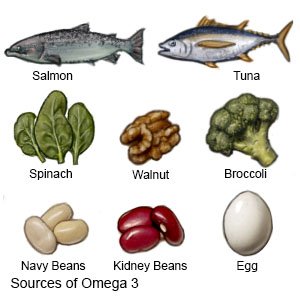
- Polyunsaturated fats: These can be found in vegetable oils, such as soybean or corn oil. Omega-3 fats can help to decrease the risk of heart disease. Omega-3 fats are found in fish, such as salmon, herring, trout, and tuna. Omega-3 fats can also be found in plant foods, such as walnuts, flaxseed, soybeans, and canola oil.
Foods to limit or avoid:
- Grains:
- Snacks that are made with partially hydrogenated oils, such as chips, regular crackers, and butter-flavored popcorn
- High-fat baked goods, such as biscuits, croissants, doughnuts, pies, cookies, and pastries
- Dairy:
- Whole milk, 2% milk, and yogurt and ice cream made with whole milk
- Half and half creamer, heavy cream, and whipping cream
- Cheese, cream cheese, and sour cream
- Meats and proteins:
- High-fat cuts of meat (T-bone steak, regular hamburger, and ribs)
- Fried meat, poultry (turkey and chicken), and fish
- Poultry (chicken and turkey) with skin
- Cold cuts (salami or bologna), hot dogs, bacon, and sausage
- Whole eggs and egg yolks
- Vegetables and fruits with added fat:
- Fried vegetables or vegetables in butter or high-fat sauces, such as cream or cheese sauces
- Fried fruit or fruit served with butter or cream
- Fats:
- Butter, stick margarine, and shortening
- Coconut, palm oil, and palm kernel oil
Foods to include:
 |
- Grains:
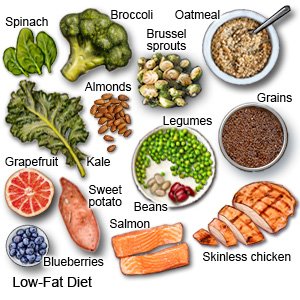
- Whole-grain breads, cereals, pasta, and brown rice
- Low-fat crackers and pretzels
- Vegetables and fruits:
- Fresh, frozen, or canned vegetables (no salt or low-sodium)
- Fresh, frozen, dried, or canned fruit (canned in light syrup or fruit juice)
- Avocado
- Low-fat dairy products:
- Nonfat (skim) or 1% milk
- Nonfat or low-fat cheese, yogurt, and cottage cheese
- Meats and proteins:
- Chicken or turkey with no skin
- Baked or broiled fish
- Lean beef and pork (loin, round, extra lean hamburger)
- Beans and peas, unsalted nuts, soy products
- Egg whites and substitutes
- Seeds and nuts
- Fats:
- Unsaturated oil, such as canola, olive, peanut, soybean, or sunflower oil
- Soft or liquid margarine and vegetable oil spread
- Low-fat salad dressing
Other ways to decrease fat:
- Read food labels before you buy foods. Choose foods that have less than 30% of calories from fat. Choose low-fat or fat-free dairy products. Remember that fat free does not mean calorie free. These foods still contain calories, and too many calories can lead to weight gain.
- Trim fat from meat and avoid fried food. Trim all visible fat from meat before you cook it. Remove the skin from poultry. Do not fry meat, fish, or poultry. Bake, roast, boil, or broil these foods instead. Avoid fried foods. Eat a baked potato instead of French fries. Steam vegetables instead of sautéing them in butter.
- Add less fat to foods. Use imitation bacon bits on salads and baked potatoes instead of regular bacon bits. Use fat-free or low-fat salad dressings instead of regular dressings. Use low-fat or nonfat butter-flavored topping instead of regular butter or margarine on popcorn and other foods.
Ways to decrease fat in recipes:
Replace high-fat ingredients with low-fat or nonfat ones. This may cause baked goods to be drier than usual. You may need to use nonfat cooking spray on pans to prevent food from sticking. You also may need to change the amount of other ingredients, such as water, in the recipe. Try the following:
- Use low-fat or light margarine instead of regular margarine or shortening.
- Use lean ground turkey breast or chicken, or lean ground beef (less than 5% fat) instead of hamburger.
- Add 1 teaspoon of canola oil to 8 ounces of skim milk instead of using cream or half and half.
- Use grated zucchini, carrots, or apples in breads instead of coconut.
- Use blenderized, low-fat cottage cheese, plain tofu, or low-fat ricotta cheese instead of cream cheese.
- Use 1 egg white and 1 teaspoon of canola oil, or use ¼ cup (2 ounces) of fat-free egg substitute instead of a whole egg.
- Replace half of the oil that is called for in a recipe with applesauce when you bake. Use 3 tablespoons of cocoa powder and 1 tablespoon of canola oil instead of a square of baking chocolate.
How to increase fiber:
Eat enough high-fiber foods to get 20 to 30 grams of fiber every day. Slowly increase your fiber intake to avoid stomach cramps, gas, and other problems.
- Eat 3 ounces of whole-grain foods each day. An ounce is about 1 slice of bread. Eat whole-grain breads, such as whole-wheat bread. Whole wheat, whole-wheat flour, or other whole grains should be listed as the first ingredient on the food label. Replace white flour with whole-grain flour or use half of each in recipes. Whole-grain flour is heavier than white flour, so you may have to add more yeast or baking powder.
- Eat a high-fiber cereal for breakfast. Oatmeal is a good source of soluble fiber. Look for cereals that have bran or fiber in the name. Choose whole-grain products, such as brown rice, barley, and whole-wheat pasta.
- Eat more beans, peas, and lentils. For example, add beans to soups or salads. Eat at least 5 cups of fruits and vegetables each day. Eat fruits and vegetables with the peel because the peel is high in fiber.
 |
© Copyright Merative 2024 Information is for End User's use only and may not be sold, redistributed or otherwise used for commercial purposes.
The above information is an educational aid only. It is not intended as medical advice for individual conditions or treatments. Talk to your doctor, nurse or pharmacist before following any medical regimen to see if it is safe and effective for you.
Further information
Always consult your healthcare provider to ensure the information displayed on this page applies to your personal circumstances.
