
Hip Sprain
Medically reviewed by Drugs.com. Last updated on Sep 1, 2024.
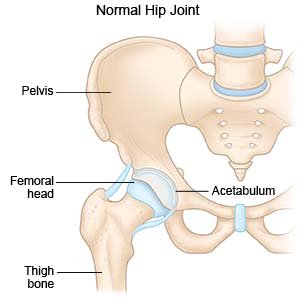
A hip sprain happens when a ligament in your hip is stretched or torn. Ligaments (tough tissue that connects bones) surround your hip and hold it in place.
 |
DISCHARGE INSTRUCTIONS:
Call your doctor if:
- You cannot stand on the leg on your injured side.
- You have new or increased stiffness or trouble moving your injured hip.
- You have new or increased numbness in the leg on your injured side.
- You have increased swelling and pain in your hip.
- The leg on your injured side looks bluish or pale.
- You have questions or concerns about your condition or care.
Medicines:
- NSAIDs , such as ibuprofen, help decrease swelling, pain, and fever. This medicine is available with or without a doctor's order. NSAIDs can cause stomach bleeding or kidney problems in certain people. If you take blood thinner medicine, always ask if NSAIDs are safe for you. Always read the medicine label and follow directions. Do not give these medicines to children younger than 6 months without direction from a healthcare provider.
- Take your medicine as directed. Contact your healthcare provider if you think your medicine is not helping or if you have side effects. Tell your provider if you are allergic to any medicine. Keep a list of the medicines, vitamins, and herbs you take. Include the amounts, and when and why you take them. Bring the list or the pill bottles to follow-up visits. Carry your medicine list with you in case of an emergency.
How to care for your hip sprain:
- Rest your hip for 2 to 3 days after your injury. This will help decrease the risk of more damage to your hip.
- Apply ice on your hip to decrease swelling and pain. Use an ice pack, or put crushed ice in a plastic bag. Cover the bag with a towel before you place it on your hip. Apply ice for 15 to 20 minutes every hour or as directed. You may need to apply ice to your hip at least 4 to 8 times each day for the first 48 hours.
How to exercise your hip:
help decrease stiffness. Your healthcare provider may want you to start hip exercises after you rest your hip for about 3 days. He or she may also have you start physical therapy. A physical therapist teaches you light exercises to help decrease pain and swelling and improve hip movement. When you are able to move your hip without pain, you will be taught exercises to improve your strength. If you have a severe sprain, you may need to wait 1 to 3 weeks before you exercise your hip.
How to prevent another injury:
Ask your healthcare provider when you can return to your normal activities. The following can help decrease your risk for sprains:
- Do not exercise when you feel pain or you are tired.
- Eat healthy foods. This can help keep your muscles strong. Ask about the best meal plan for you.
- Exercise daily. Make sure you warm up and stretch before you exercise.
- Wear equipment to protect yourself when you play sports.
- Wear shoes that fit well to decrease your risk for falls.
- Stop exercising and playing sports if your symptoms from a past injury return.
Follow up with your doctor as directed:
Write down your questions so you remember to ask them during your visits.
© Copyright Merative 2024 Information is for End User's use only and may not be sold, redistributed or otherwise used for commercial purposes.
The above information is an educational aid only. It is not intended as medical advice for individual conditions or treatments. Talk to your doctor, nurse or pharmacist before following any medical regimen to see if it is safe and effective for you.
Further information
Always consult your healthcare provider to ensure the information displayed on this page applies to your personal circumstances.