
Hemochromatosis
Medically reviewed by Drugs.com. Last updated on Apr 2, 2024.
What is hemochromatosis?
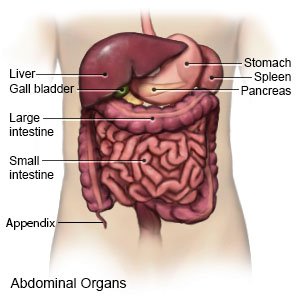
Hemochromatosis is a disease that causes your body to store too much iron. Extra iron builds up in your heart, liver, and joints. Without treatment, iron buildup can cause diabetes, liver disease, thyroid disease, and other health problems. You may be at risk for broken bones. Hemochromatosis can be life-threatening if not treated.
 |
What causes hemochromatosis?
Hemochromatosis may be caused by genes that you inherit from your parents. You may also develop hemochromatosis as a result of other conditions such as liver disease, or from long-term blood transfusions.
What are the signs and symptoms of hemochromatosis?
Your signs and symptoms may be worse if you eat foods that are high in iron or you drink alcohol. Women may have milder symptoms because iron levels are lowered through blood lost during monthly periods. You may have any of the following:
- Weakness or fatigue (being more tired than usual)
- Loss of body hair or bronze to gray skin
- Joint swelling, stiffness, or pain
- Abdominal pain
- Impotence or lack of sex drive
- Infertility or loss of monthly periods
- More thirst or hunger than usual, or urinating more often than usual
How is hemochromatosis diagnosed?
Your healthcare provider will ask about your symptoms and when they started. He or she will ask about any health conditions you have. You may also need the following:
- Blood tests will show if your body is storing too much iron. The tests can also check the function of organs affected by hemochromatosis.
- A liver biopsy is used to take a small piece of your liver to be tested for extra iron and for liver damage.
How is hemochromatosis treated?
Hemochromatosis cannot be cured. You may need the following to manage your symptoms:
- Phlebotomy is used to take small amounts of blood to help decrease the amount of extra iron in your body. You may need to have this done regularly, or when your iron levels get higher than your healthcare provider recommends.
- Medicines may be needed for other health conditions caused by hemochromatosis. Some examples are thyroid disease, high or low blood pressure, diabetes, impotence, and heart disease.
Treatment options
The following list of medications are related to or used in the treatment of this condition.
How can I manage my symptoms?
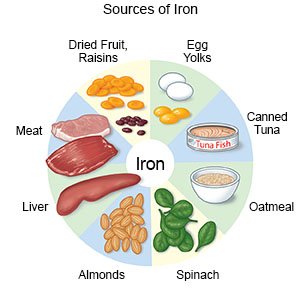
- Talk to your healthcare provider about iron. Do not have foods or drinks that have added iron. Food sources that are naturally high in iron may be okay for you to have. Iron is found in red meat, such as beef, spinach, raisins, egg yolks, and oatmeal. Your provider or a dietitian can help you create meal plans with the right amount of iron for you.
- Do not take iron supplements. Read labels. Do not take vitamins or supplements with iron in them.
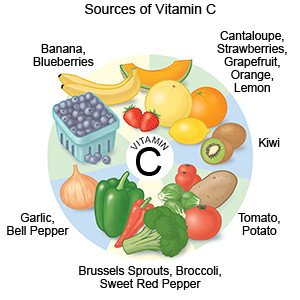
- Do not take vitamin C supplements. Vitamin C increases the amount of iron you absorb. Food sources that are naturally high in vitamin C may be okay for you to have. Vitamin C is found in foods such as oranges, cantaloupe, tomatoes, and potatoes. Your provider or a dietitian can help you create meal plans with the right amount of vitamin C for you.
- Do not drink alcohol. Alcohol increases iron absorption and increases your risk of liver damage.
- Avoid raw seafood. Do not eat or touch raw seafood. You are more likely to get an infection from these foods.
Call your local emergency number (911 in the US) if:
- You have pain in your chest, back, neck, jaw, stomach, or arm.
- You are suddenly short of breath.
When should I seek immediate care?
- You have severe abdominal pain.
When should I call my doctor or specialist?
- Your symptoms return or get worse.
- You have a fever.
- You have a cough, or feel weak and achy.
- You have questions or concerns about your condition or care.
Care Agreement
You have the right to help plan your care. Learn about your health condition and how it may be treated. Discuss treatment options with your healthcare providers to decide what care you want to receive. You always have the right to refuse treatment. The above information is an educational aid only. It is not intended as medical advice for individual conditions or treatments. Talk to your doctor, nurse or pharmacist before following any medical regimen to see if it is safe and effective for you.© Copyright Merative 2024 Information is for End User's use only and may not be sold, redistributed or otherwise used for commercial purposes.
Learn more about Hemochromatosis
Treatment options
Symptoms and treatments
Further information
Always consult your healthcare provider to ensure the information displayed on this page applies to your personal circumstances.
