
Pinworm Infection
Medically reviewed by Drugs.com. Last updated on Apr 2, 2024.
Pinworms are small, thin, white worms that infect the intestines. At night, these worms enter your child's anus and lay tiny eggs around it. Pinworm infections are most common in children 5 to 14 years old. A pinworm infection may also be called enterobiasis.
DISCHARGE INSTRUCTIONS:
Seek care immediately if:
- Your child is not gaining weight and feels weak.
- Your child has blood in his or her bowel movements.
- Your child has severe abdominal pain.
Contact your child's healthcare provider if:
- Your child has a decreased appetite.
- Your child has a fever.
- Your child has diarrhea.
- Your child has trouble sleeping.
- Your child's anus becomes red and painful.
- You have questions or concerns about your child's condition or care.
Medicines:
- Medicine that kills the pinworms inside your child's intestines will be given. This medicine stops the pinworms from laying eggs. Other family members may also be given this medicine even if they do not have symptoms. Medicated creams may also be given to treat redness, pain, and swelling of your child's anus.
- Give your child's medicine as directed. Contact your child's healthcare provider if you think the medicine is not working as expected. Tell the provider if your child is allergic to any medicine. Keep a current list of the medicines, vitamins, and herbs your child takes. Include the amounts, and when, how, and why they are taken. Bring the list or the medicines in their containers to follow-up visits. Carry your child's medicine list with you in case of an emergency.
Treatment options
The following list of medications are related to or used in the treatment of this condition.
Prevent a pinworm infection:
- Change and wash your child's clothes, underpants, and bed sheets daily. Do not shake the clothes or bedding before washing, because this may spread the eggs.
- Give your child a bath after he or she wakes up every morning. Use a clean towel or washcloth every time. Wash your child's anus with soap and water.
- Keep your child's nails short and clean.
- Wash your hands after you change your child's diapers or help him or her in the bathroom. Have your child wash his or her hands before he or she holds or eats food.
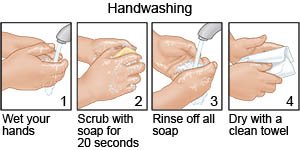
- Tell others to wash their hands before and after they take care of your child.
Follow up with your child's healthcare provider as directed:
Write down your questions so you remember to ask them during your visits.
© Copyright Merative 2024 Information is for End User's use only and may not be sold, redistributed or otherwise used for commercial purposes.
The above information is an educational aid only. It is not intended as medical advice for individual conditions or treatments. Talk to your doctor, nurse or pharmacist before following any medical regimen to see if it is safe and effective for you.
Learn more about Pinworm Infection
Treatment options
Care guides
Further information
Always consult your healthcare provider to ensure the information displayed on this page applies to your personal circumstances.
